Bridges are vital to transport networks, economic activity, and daily movement. But their strength and safety do not rely on construction alone. Long-term performance depends on regular bridge maintenance, which helps protect structures from wear, environmental pressures, and the constant forces of traffic. Without proper care, even the strongest bridges can weaken over time, placing communities at risk.
This guide explains the main elements of bridge maintenance, how engineers keep these structures safe, and why consistent inspection matters for their long-term durability.
Why bridge maintenance is essential

Every bridge faces continuous stress. Heavy vehicles move across the deck every day. Heat and cold cause materials to expand and contract. Wind, rain, and flooding attack exposed surfaces. Over time, these natural pressures create cracks, corrosion, and weakening points.
Effective bridge maintenance prevents these issues from escalating. It ensures the structure stays safe for public use, helps avoid sudden closures, and reduces the need for costly emergency repairs. A well-maintained bridge also lasts significantly longer than one that only receives attention when problems appear.
Routine inspections: The backbone of bridge care
Regular inspections form the core of any bridge maintenance programme. Engineers study the entire structure, looking for early signs of wear that may not be visible to the public. They examine the concrete deck, steel components, beams, expansion joints, bearings, and drainage systems.
These inspections help identify hairline cracks, rust developing on steel, blocked drains, loose bolts, or signs of strain. If problems are spotted early, maintenance teams can schedule repairs before the structure becomes unsafe or requires major reconstruction. Consistent inspection keeps bridges reliable for the long term.
Managing corrosion on steel bridges

Corrosion is one of the biggest threats to steel structures. Humidity, rain, and salty coastal environments can slowly eat away at exposed metal. If corrosion spreads unchecked, steel components may weaken, eventually affecting the bridge’s stability.
Modern bridge maintenance uses several methods to control corrosion. Engineers apply protective coatings and paint systems to seal steel from moisture. In more advanced cases, they may use cathodic protection, which redirects electrical currents to prevent rust from forming. These steps help extend the lifespan of steel bridges and keep them safe under heavy loads.
Drainage and cleaning to protect bridge surfaces
Water is one of the most damaging elements for any structure. When drains become blocked, water collects on the deck or seeps into cracks. Over time, it can freeze, expand, and widen gaps in concrete. Poor drainage can also accelerate rust in steel components.
Keeping the bridge clean and ensuring that water flows away from critical areas is a crucial part of bridge maintenance. Engineers routinely clear debris, check gutters, and inspect drains. These simple tasks prevent much larger problems, including erosion, cracking, and surface degradation.
Maintaining joints and bearings

Bridges are designed to move. Temperature changes cause materials to expand and contract. Traffic loads apply pressure that shifts the structure slightly. Joints and bearings absorb this movement and protect the bridge from damage.
If these components fail, the bridge may develop cracks or become misaligned. Regular bridge maintenance includes lubricating bearings, replacing worn joint materials, and ensuring all moving parts continue to function as intended. Without this care, small alignment issues can develop into major structural problems.
Repairing structural damage
Even with good maintenance, time eventually causes small defects to appear. Engineers may find hairline cracks in concrete, spalling where fragments have broken away, or weakened steel that requires reinforcement.
Common structural repairs include concrete patching, resurfacing worn decks, adding new steel supports, or strengthening areas using fibre reinforced polymer wraps. These targeted repairs ensure the entire structure continues to support traffic safely and effectively.
Using protective coatings and surface treatments
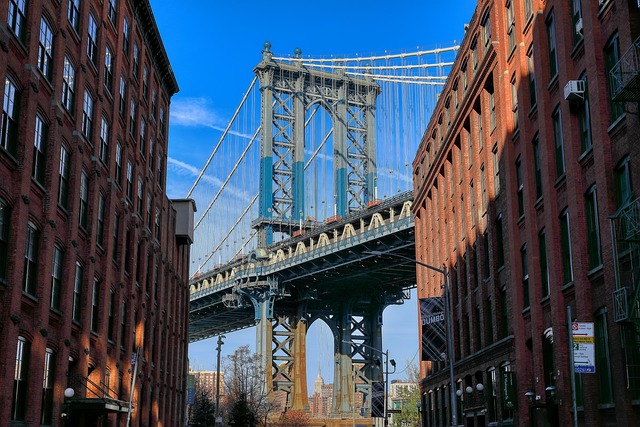
Protective coatings form an important part of long term bridge maintenance. Engineers apply waterproof membranes to bridge decks, sealants to concrete surfaces, and specialised paint to steel components. These treatments protect the structure from water, UV exposure, chemical damage, and general wear.
Coatings not only improve durability but also reduce how often major repairs are required.
Adapting to environmental conditions
Climate and geography play a major role in how often maintenance is needed. Bridges in coastal areas require more frequent corrosion checks. Bridges near rivers need regular scour monitoring, especially after floods. High rainfall zones demand extra attention to drainage systems.
Engineers adjust bridge maintenance schedules based on these environmental pressures, ensuring that each structure receives the right level of care for its location.
Modern technology is improving bridge maintenance

New technology is transforming how engineers approach bridge maintenance. Drones allow safe inspections of hard-to-reach sections. Sensors installed on the structure can monitor vibrations, stress, and temperature changes in real time. Laser scanning creates accurate 3D models that help identify hidden weaknesses.
These tools allow maintenance teams to predict problems before they become visible, shifting from reactive repairs to proactive prevention.
Bridge maintenance protects communities and infrastructure
Bridges are built to last for decades, but only if they receive the care they need. Effective bridge maintenance ensures safety, reliability, and long-term durability. Through regular inspections, corrosion control, drainage management, structural repairs, and modern technology, engineers keep these essential structures functioning for generations.