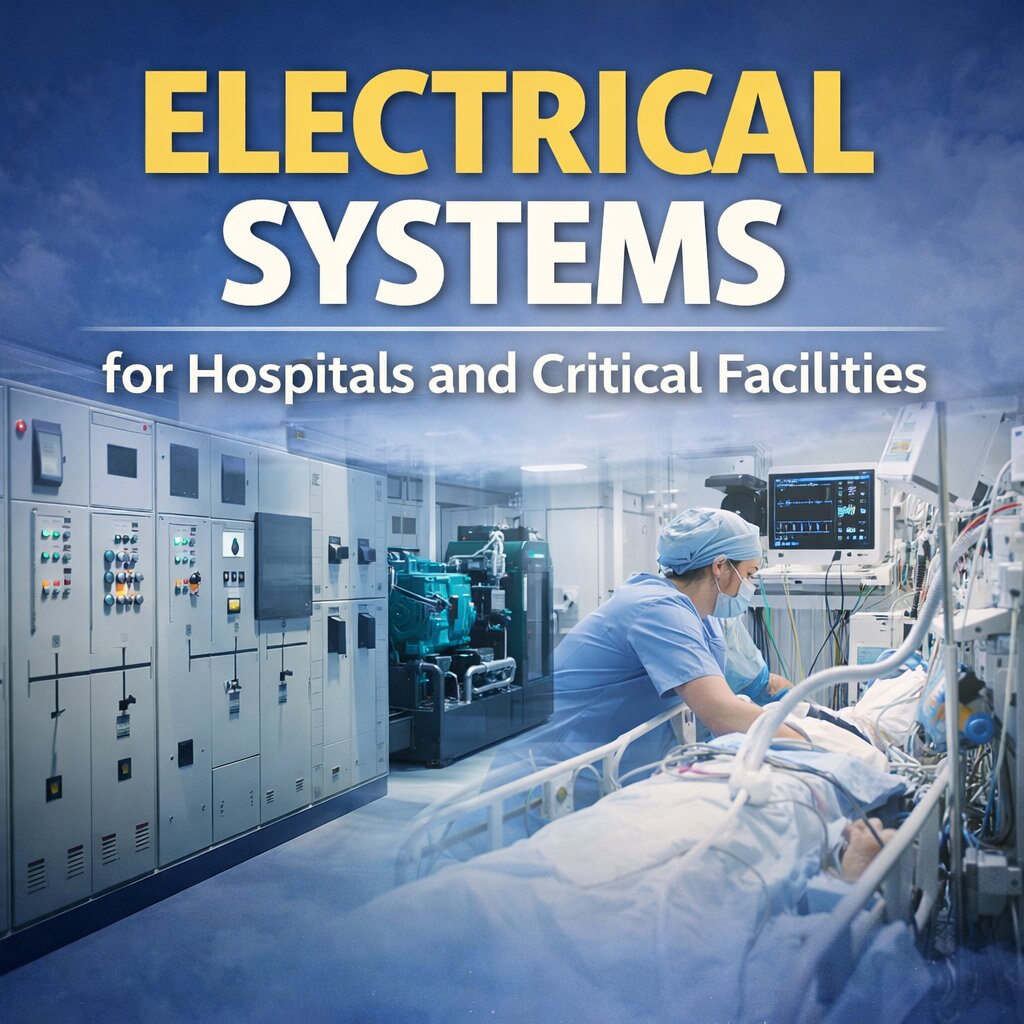
Electrical systems for hospitals and critical facilities are among the most complex and vital infrastructures in the built environment. Unlike standard buildings, these facilities rely on uninterrupted power to support life-saving equipment, sensitive systems, and continuous operations.
In healthcare environments, even a brief power interruption can have serious consequences. From operating theatres to intensive care units, electrical reliability is not just a convenience but a necessity that directly impacts patient safety.
As a result, electrical systems for hospitals and critical facilities are designed with redundancy, resilience, and precision. These systems must operate flawlessly under normal conditions and continue functioning during emergencies without compromise.
The importance of uninterrupted power supply
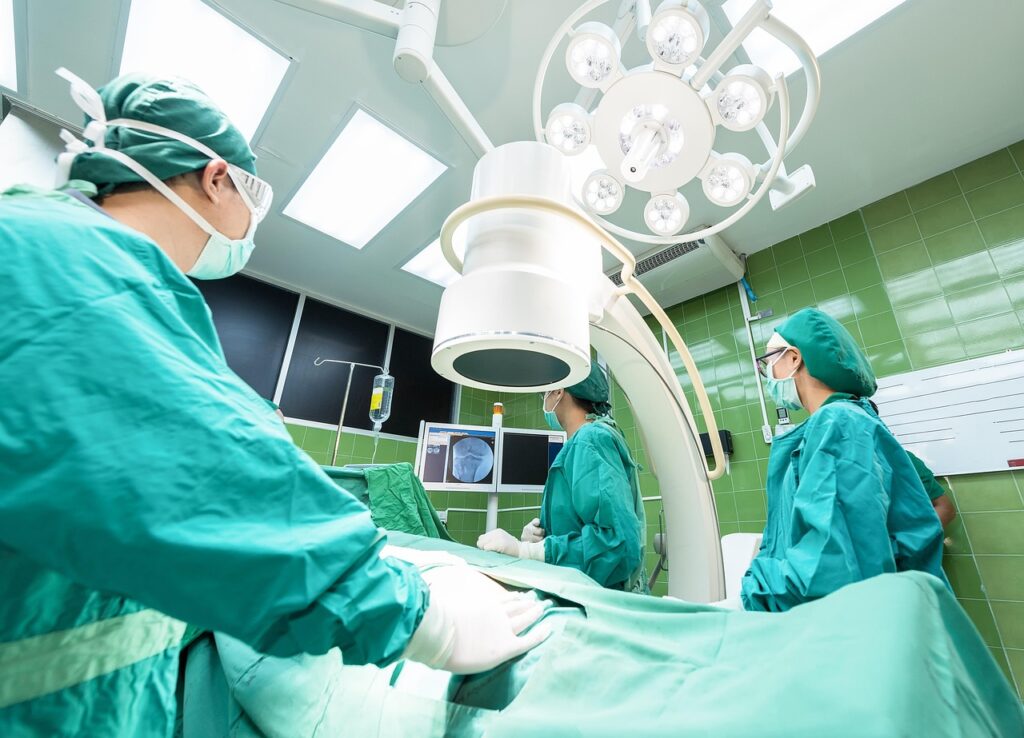
Hospitals and critical facilities operate around the clock, requiring a constant and stable power supply. Medical equipment such as ventilators, monitors, and imaging machines depends on reliable electricity to function correctly.
Any disruption can lead to equipment failure, delayed procedures, or even life-threatening situations. This is why electrical systems for hospitals and critical facilities are built with multiple layers of backup power.
Uninterruptible power supply (UPS) systems provide immediate electrical support during outages, ensuring there is no gap between power loss and backup activation. These systems are essential for critical care areas where even seconds matter.
Generators serve as a secondary backup, capable of sustaining operations for extended periods. Together, these systems create a seamless transition that maintains continuity of care.
Key components of hospital electrical systems
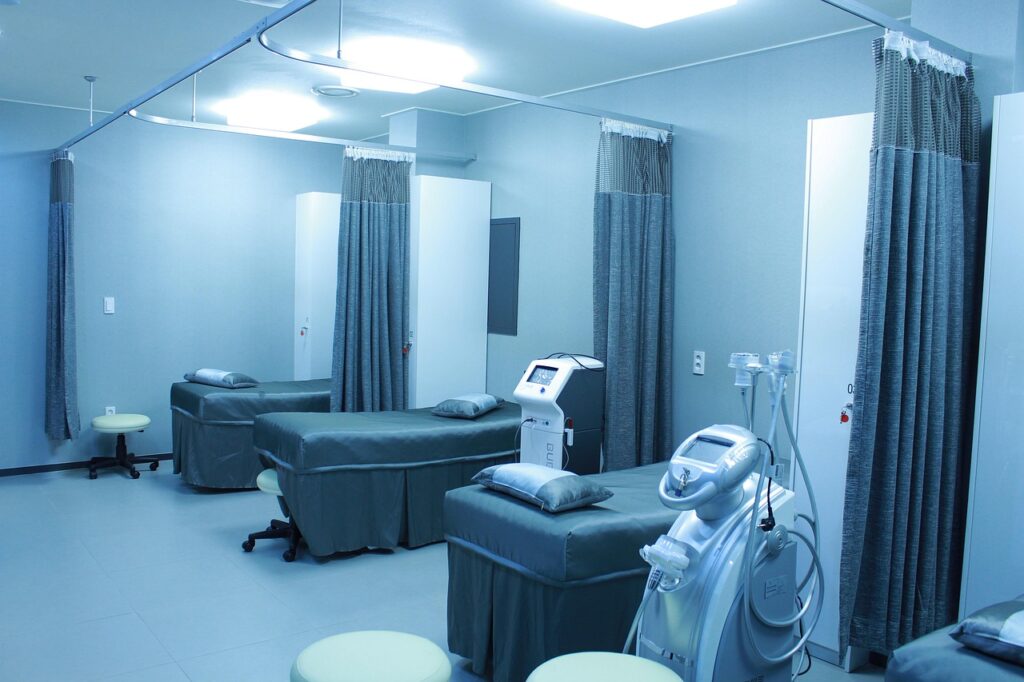
Electrical systems for hospitals and critical facilities consist of several interconnected components designed to ensure reliability and safety.
- Primary power supply from the grid with dedicated infrastructure
- Backup generators for long-duration outages
- UPS systems for instant power continuity
- Isolated power systems for operating rooms and sensitive equipment
- Advanced distribution panels for load management and prioritisation
Each component plays a specific role in maintaining system integrity. The integration of these elements ensures that critical loads receive priority during power disruptions.
Isolation systems are particularly important in medical environments. They reduce the risk of electrical shock and ensure that sensitive equipment operates without interference.
Load management systems allow facilities to prioritise essential services, ensuring that critical areas remain powered even during constrained conditions.
Safety and compliance standards

Electrical systems for hospitals and critical facilities must comply with strict safety standards and regulations. These guidelines are designed to protect patients, staff, and equipment from electrical hazards.
Standards typically cover installation practices, equipment specifications, and maintenance procedures. Compliance ensures that systems are designed and operated according to best practices.
Regular inspections and testing are required to maintain system reliability. Backup systems must be tested under real-world conditions to ensure they perform as expected during emergencies.
Grounding and bonding are also critical aspects of safety. Proper grounding prevents electrical faults from causing harm and ensures stable system operation.
Designing for resilience and future demands
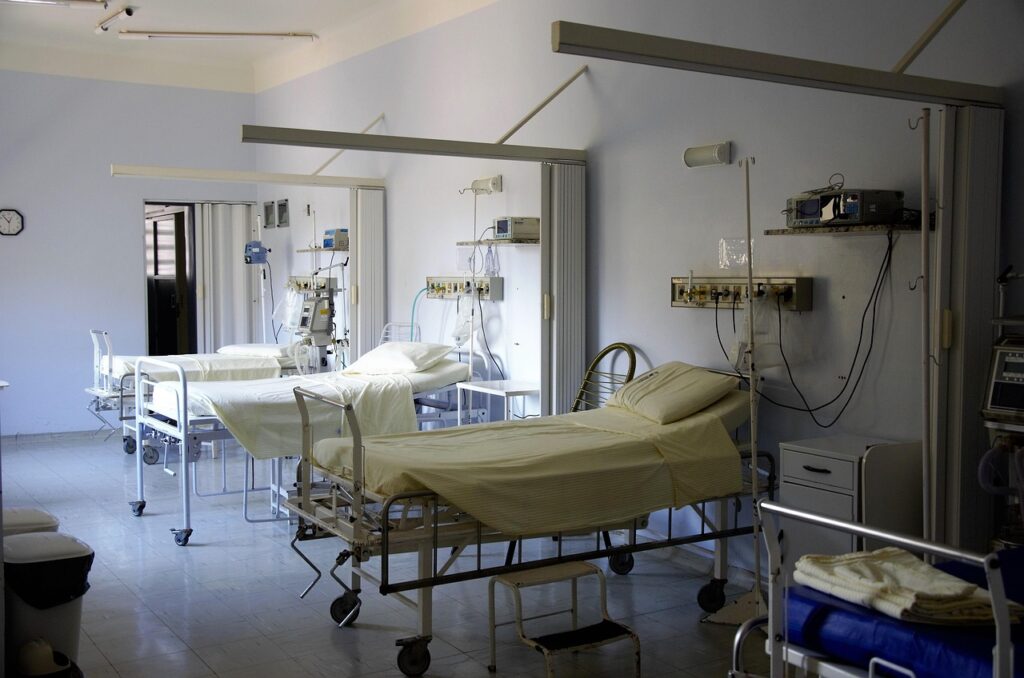
Modern hospitals are evolving rapidly, with increasing reliance on advanced medical technologies. Electrical systems must be designed to accommodate future expansion and higher energy demands.
Scalability is a key consideration during the design phase. Facilities need the flexibility to add new equipment and expand services without overloading the system.
Energy efficiency is also becoming more important. Hospitals consume significant amounts of electricity, making it essential to implement solutions that reduce energy usage without compromising performance.
Smart monitoring systems are now being integrated into electrical infrastructure. These systems provide real-time data, allowing facility managers to detect issues early and optimise performance.
Powering critical care with precision and reliability
Electrical systems for hospitals and critical facilities are the backbone of modern healthcare infrastructure. Their ability to deliver uninterrupted, safe, and efficient power directly impacts the quality of care provided to patients.
By combining redundancy, advanced technology, and strict compliance standards, these systems ensure that hospitals can operate under any conditions. From routine procedures to emergency situations, reliable power remains a constant requirement.
As healthcare continues to advance, the importance of robust electrical systems will only grow. Investing in well-designed and properly maintained infrastructure is essential for supporting both current needs and future innovations.