Effective industrial lighting is critical for safety, productivity, energy efficiency, and long-term operational costs. Unlike commercial or residential lighting, industrial environments demand carefully planned systems that account for scale, task requirements, environmental conditions, and regulatory compliance.
Industrial lighting system planning involves more than choosing fixtures. It requires understanding how light supports workflows, reduces risk, and integrates with modern energy and control technologies.
Understanding industrial lighting requirements

Every industrial facility has unique lighting needs based on its function, layout, and operating hours. Warehouses, factories, processing plants, and logistics hubs all place different demands on industrial lighting systems.
Key considerations include illumination levels, uniformity, glare control, and colour rendering. Proper planning ensures that lighting supports precision work while reducing fatigue and accidents.
Types of industrial lighting environments

Industrial requirements vary significantly depending on the environment in which they are installed. High-bay warehouses, manufacturing floors, cold storage facilities, and hazardous areas all require tailored solutions.
Factors such as ceiling height, temperature extremes, dust, moisture, and vibration influence fixture selection and system design. Understanding the environment is essential to ensuring durability and performance.
Lighting layout and coverage planning
Lighting layout plays a major role in the effectiveness of industrial systems. Poor placement can result in shadows, uneven illumination, and wasted energy.
Planning should account for fixture spacing, mounting height, beam angles, and task zones. A well-designed layout ensures consistent light levels across work areas while minimising unnecessary overlap.
Energy efficiency and sustainability
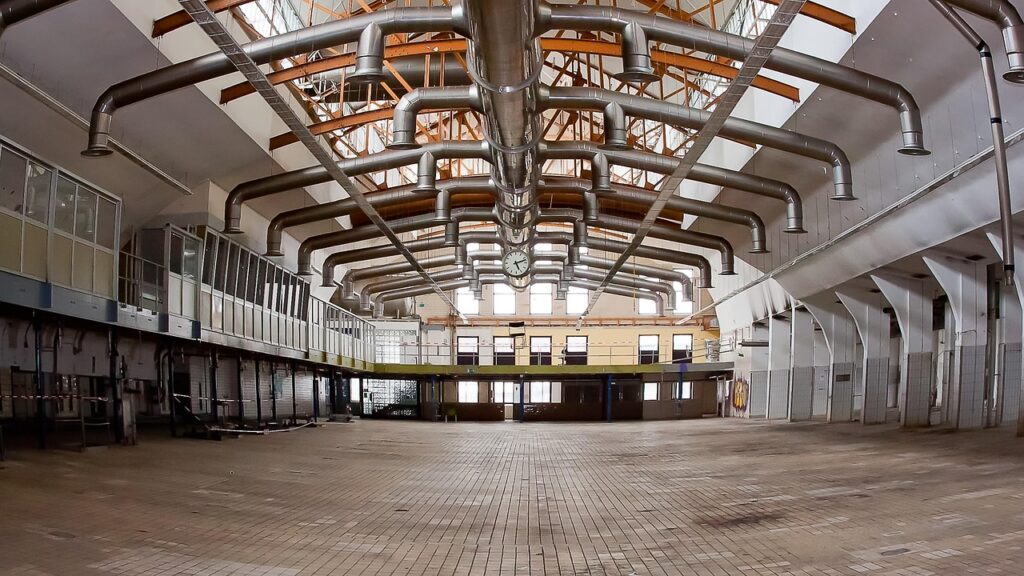
Energy consumption is one of the largest operational costs associated with industrial lighting. Modern planning prioritises energy-efficient solutions that reduce power usage without compromising performance.
LED technology, efficient drivers, and smart controls allow facilities to lower energy costs, reduce maintenance, and support sustainability goals while maintaining high illumination standards.
Lighting controls and automation

Advanced controls are becoming an essential part of industrial system planning. Automation improves efficiency by ensuring lighting is only used when and where it is needed.
Occupancy sensors, daylight harvesting, time scheduling, and centralised control systems allow facilities to adapt lighting dynamically, improving both energy savings and user comfort.
Safety, compliance, and standards
Industrial lighting must comply with safety regulations and industry standards to protect workers and meet legal requirements. Insufficient or poorly designed lighting increases the risk of accidents and operational errors.
Planning should align with local regulations, occupational health standards, and international guidelines governing illumination levels, emergency lighting, and hazardous environments.
Maintenance and lifecycle planning
Long-term performance is a key consideration in industrial lighting planning. Systems should be designed with maintenance accessibility, component lifespan, and replacement costs in mind.
Selecting durable fixtures, planning for easy access, and understanding lifecycle costs helps reduce downtime and ensures consistent lighting performance over time.
Integrating industrial lighting with facility systems
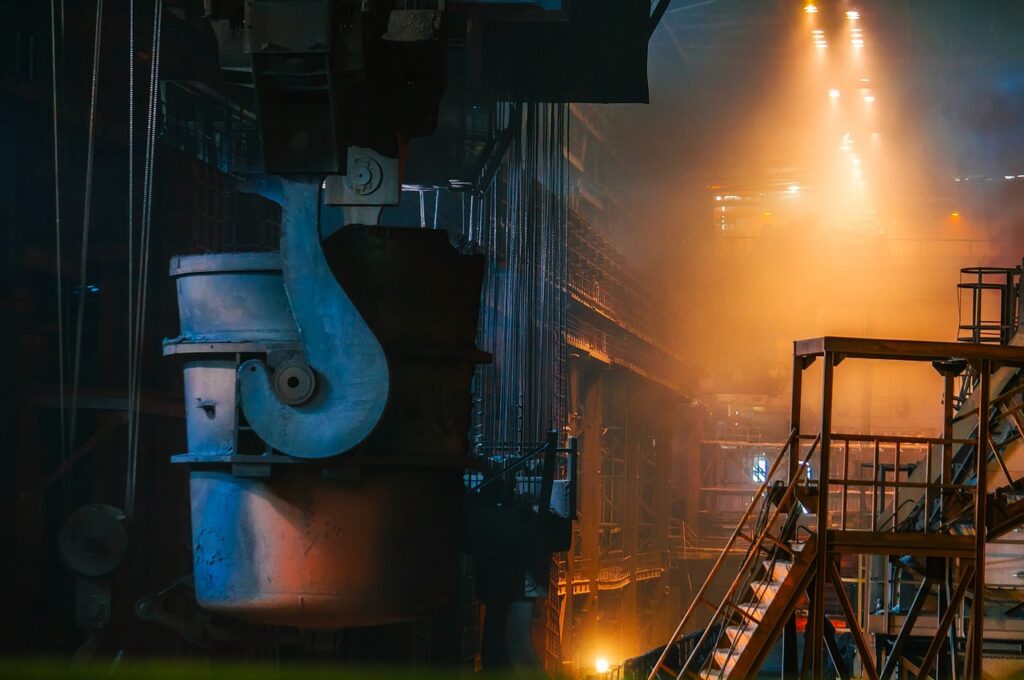
Modern facilities increasingly integrate industrial lighting with broader building management systems. This integration allows lighting to work in harmony with HVAC, security, and energy monitoring systems.
A connected approach improves operational efficiency, enables data-driven optimisation, and supports smarter facility management strategies.
Industrial lighting planning overview
Effective industrial lighting system planning balances performance, efficiency, safety, and long-term value. By understanding facility needs, environmental conditions, and modern technologies, organisations can design lighting systems that enhance productivity while controlling costs.
As technology continues to evolve, well-planned industrial lighting systems will play an increasingly important role in creating safer, smarter, and more sustainable industrial environments.