Table Mountain is one of South Africa’s most recognisable natural landmarks and a vital ecological and tourism asset. Managing such an important site requires a structured governance system that ensures infrastructure maintenance, environmental protection, and sustainable visitor access.
Understanding Table Mountain governance helps explain how the mountain is protected while still supporting tourism, conservation, and public access.
Why Table Mountain governance is important
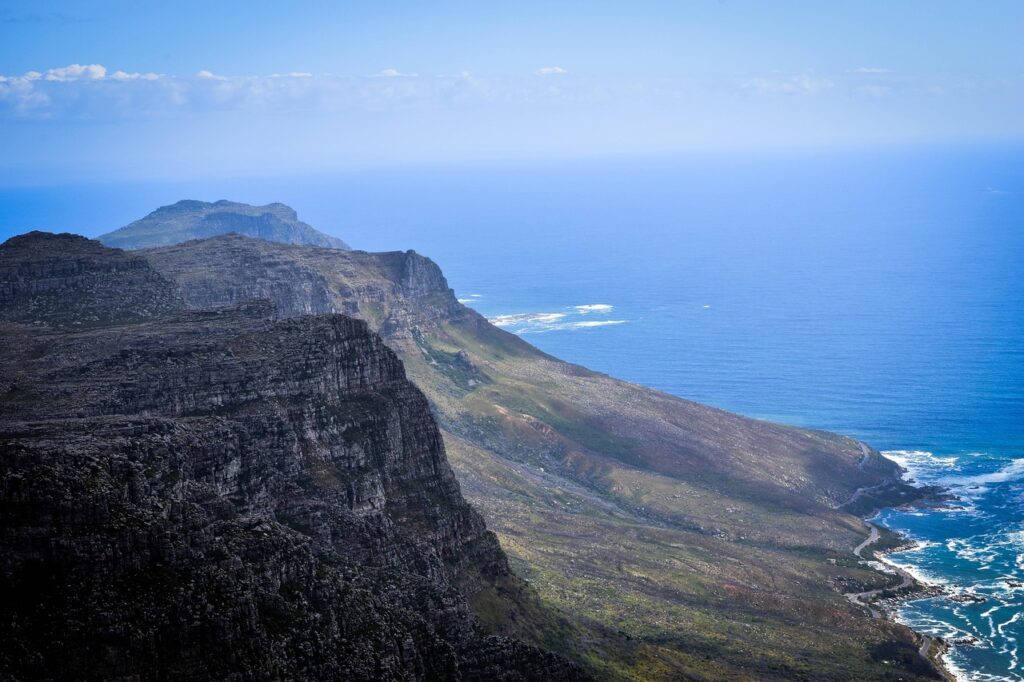
A natural site as large and heavily visited as Table Mountain requires strong oversight to balance conservation and development.
Millions of visitors travel to the mountain each year, placing pressure on infrastructure such as trails, roads, cableways, viewing points, and visitor facilities. Effective Table Mountain governance ensures these facilities remain safe and sustainable while protecting the surrounding ecosystems.
Without structured management, maintenance challenges, environmental degradation, and overcrowding could threaten the long-term health of the area.
Organisations responsible for Table Mountain governance
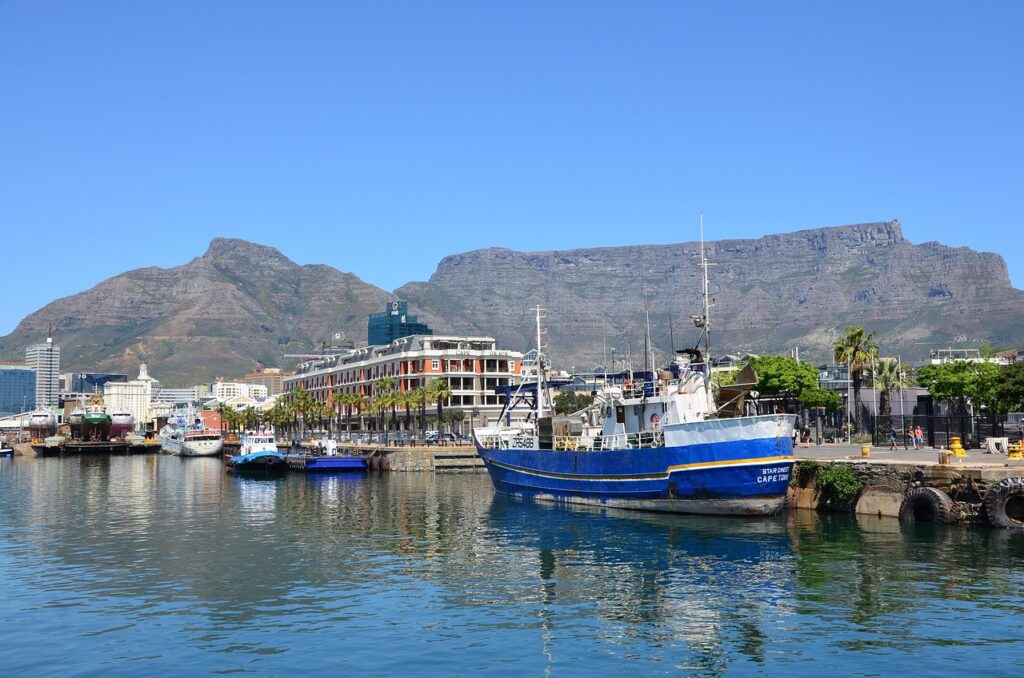
Several organisations work together to manage the mountain and its surrounding national park areas.
South African National Parks (SANParks)
The primary authority responsible for Table Mountain governance is South African National Parks (SANParks). The organisation manages Table Mountain National Park, which includes the mountain itself as well as surrounding protected areas.
SANParks is responsible for:
- Conservation management
- Infrastructure maintenance
- Visitor safety and access
- Environmental monitoring
- Trail management and rehabilitation
Through these responsibilities, SANParks plays a central role in maintaining sustainable operations on the mountain.
The Table Mountain Aerial Cableway Company
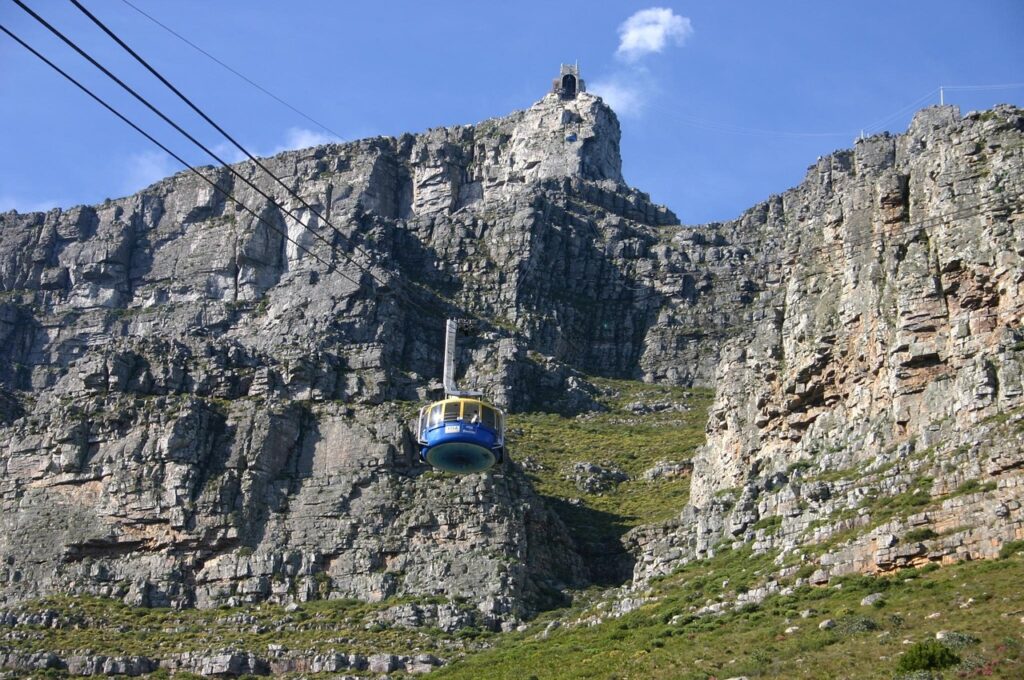
Another important component of Table Mountain governance involves the Table Mountain Aerial Cableway Company (TMACC), which operates the well-known cableway system transporting visitors to the summit.
The cableway company manages:
- Cableway infrastructure
- Visitor facilities at the summit
- Tourism services and visitor experience
- Safety and operational standards
Although the company operates independently, it works closely with SANParks and other authorities to align with conservation goals.
City of Cape Town
The City of Cape Town also plays a role in Table Mountain governance, particularly in relation to infrastructure surrounding the mountain.
Municipal responsibilities may include:
- Access roads and surrounding transport routes
- Emergency services and rescue coordination
- Urban planning around protected areas
- Environmental policies that affect surrounding communities
These responsibilities ensure that the mountain remains integrated within the city’s broader sustainability planning.
Infrastructure that requires ongoing maintenance
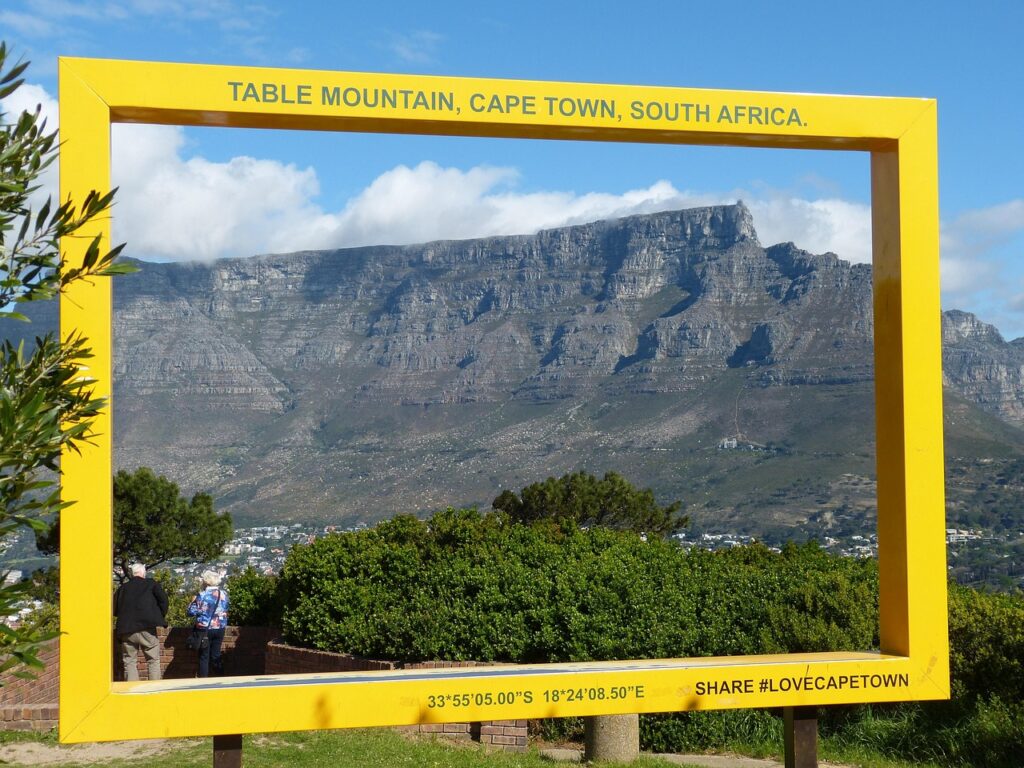
Maintaining infrastructure on and around Table Mountain is an ongoing challenge due to weather exposure, high visitor numbers, and environmental sensitivity.
Key infrastructure requiring regular maintenance includes:
- Hiking trails and safety barriers
- Viewing platforms and walkways
- Cableway facilities and stations
- Visitor centres and tourism infrastructure
- Signage and navigation systems
Effective Table Mountain governance ensures that these systems remain functional while minimising environmental disruption.
Funding for Table Mountain infrastructure
Maintaining a major natural tourism destination requires significant financial resources. Funding for infrastructure and conservation activities is sourced from several channels.
Tourism revenue
Tourism is one of the most important funding sources supporting Table Mountain governance.
Revenue generated from:
- Cableway ticket sales
- Park entry fees
- Tourism activities
helps support conservation work, infrastructure upgrades, and operational management.
Government support
National and provincial government funding also contributes to Table Mountain governance.
These funds help support conservation programmes, wildfire management initiatives, ecological monitoring, and large-scale infrastructure maintenance projects.
Government funding is particularly important for long-term environmental protection initiatives.
Partnerships and conservation funding
Environmental organisations and conservation groups may also support projects linked to Table Mountain governance.
These partnerships may fund initiatives such as:
- Habitat restoration
- Invasive plant removal
- Environmental research
- Sustainable tourism programmes
Such collaborations help strengthen the long-term resilience of the mountain’s ecosystems.
Sustainable management of a global landmark
Table Mountain is recognised as a global natural treasure and forms part of the Cape Floristic Region, one of the world’s most biologically diverse ecosystems.
Effective Table Mountain governance ensures that tourism, conservation, and infrastructure development remain balanced.
Through coordinated management between SANParks, tourism operators, government bodies, and conservation organisations, the mountain can continue to serve as both a protected natural environment and a world-class destination for visitors.