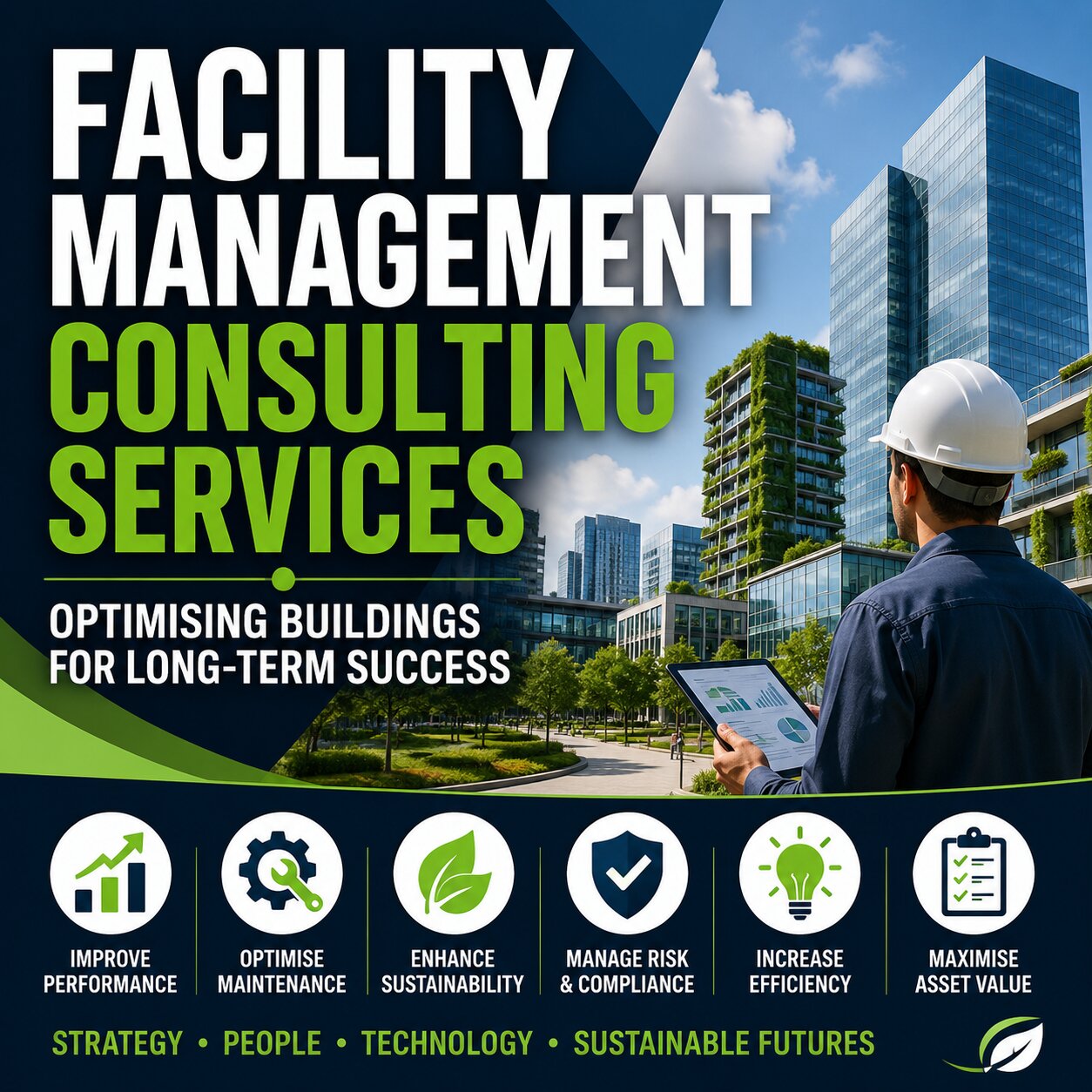
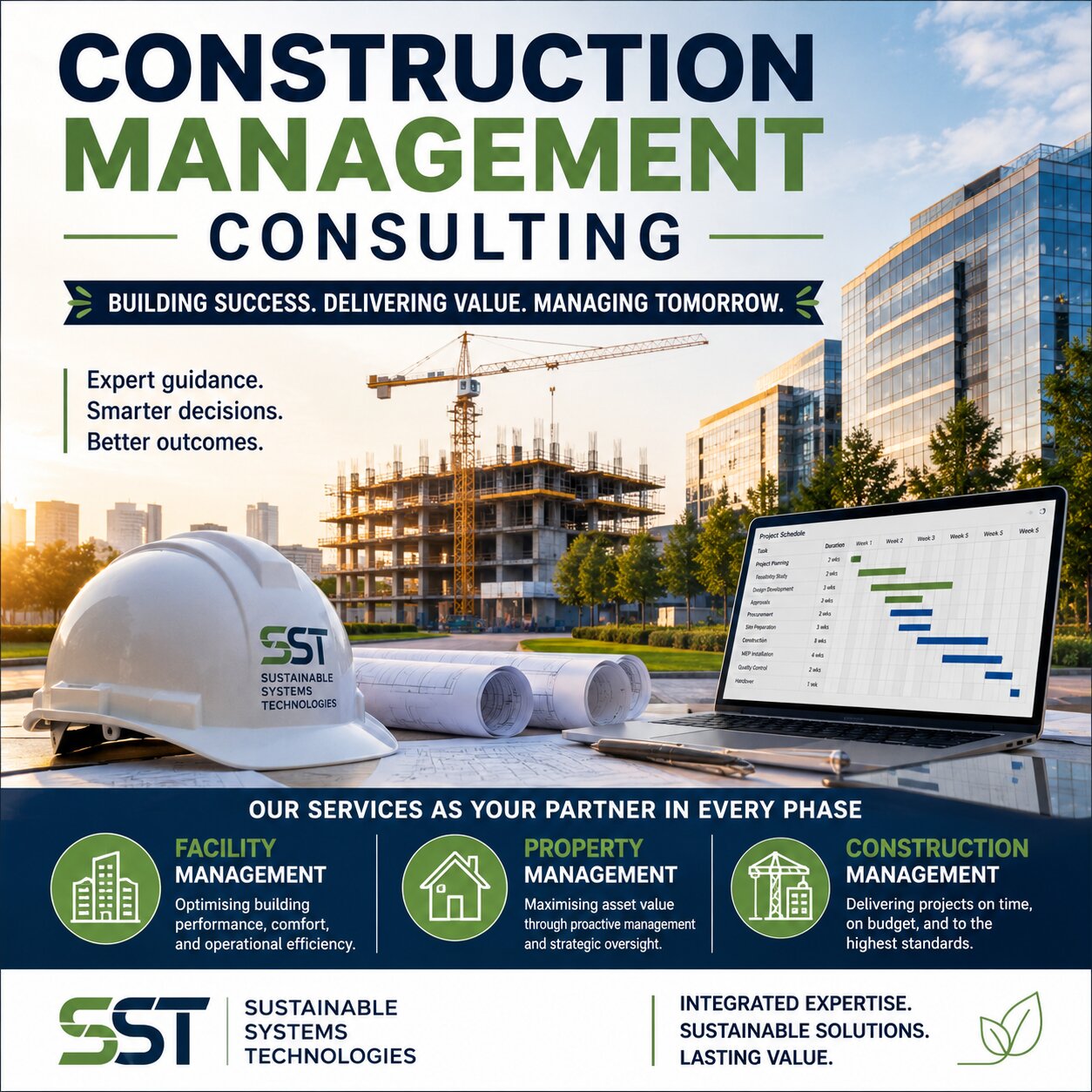
Facilities Management Best Practices provide businesses with a roadmap to operate buildings more efficiently, extend asset lifespans, and create safer, more sustainable environments. By following proven strategies, facility managers can reduce costs, enhance employee productivity, and improve customer satisfaction. These practices apply to organisations of all sizes and sectors.
Prioritise Preventive Maintenance

One of the most important Facilities Management Best Practices is preventive maintenance. Instead of waiting for assets to fail, managers should adopt a proactive approach by scheduling regular inspections and servicing. This reduces costly downtime, extends equipment life, and ensures compliance with safety standards.
A robust preventive maintenance strategy also allows for accurate budgeting and planning. By tracking asset performance, managers can forecast future repairs and allocate resources more effectively, ensuring long-term stability and cost control.
Leverage Technology and Data Analytics

Technology plays a key role in modern Facilities Management Best Practices. Using tools like Computerised Maintenance Management Systems (CMMS) and Internet of Things (IoT) devices, managers gain real-time insights into asset performance and energy consumption.
Data analytics helps identify inefficiencies, optimise resource use, and automate reporting. By leveraging technology, facilities managers can make smarter, data-driven decisions that improve both operational efficiency and sustainability outcomes.
Focus on Sustainability and Energy Efficiency

Another critical element of Facilities Management Best Practices is implementing sustainable strategies. This includes reducing energy consumption, managing waste responsibly, and integrating renewable energy sources. Not only does this lower operational costs, but it also helps businesses meet environmental regulations and corporate social responsibility goals.
Sustainability initiatives also contribute to a healthier workplace. Improved air quality, natural lighting, and eco-friendly cleaning practices enhance employee well-being, which in turn boosts productivity and staff retention.
Strengthen Health, Safety, and Compliance

Facilities Management Best Practices also emphasise health and safety. Managers must ensure that all facilities comply with building regulations, fire safety laws, and occupational health standards. Regular training, safety audits, and risk assessments are essential to creating a secure environment for employees and visitors.
Strong compliance practices reduce legal risks and protect a company’s reputation. More importantly, they demonstrate a commitment to employee welfare, which can increase trust and overall workplace morale.
Conclusion: Adopting Facilities Management Best Practices
Implementing Facilities Management Best Practices is essential for reducing costs, boosting efficiency, and supporting sustainability. From preventive maintenance to technology adoption, these strategies provide long-term benefits for businesses and employees alike. By embracing best practices, organisations can create well-managed, safe, and sustainable workplaces fit for the future.