The Table Mountain hiking trails are among South Africa’s most recognisable and heavily used outdoor assets. Attracting local hikers, international tourists, trail runners, and guided groups year-round, these trails form part of a broader natural infrastructure system that requires careful planning, maintenance, and management.
From a property and facilities management perspective, Table Mountain hiking trails are not just recreational paths. They are shared-use assets that demand structured oversight, risk mitigation, environmental protection, and long-term sustainability strategies to ensure safe public access while preserving the mountain’s ecological integrity.
Understanding Table Mountain Hiking Trails as Managed Assets
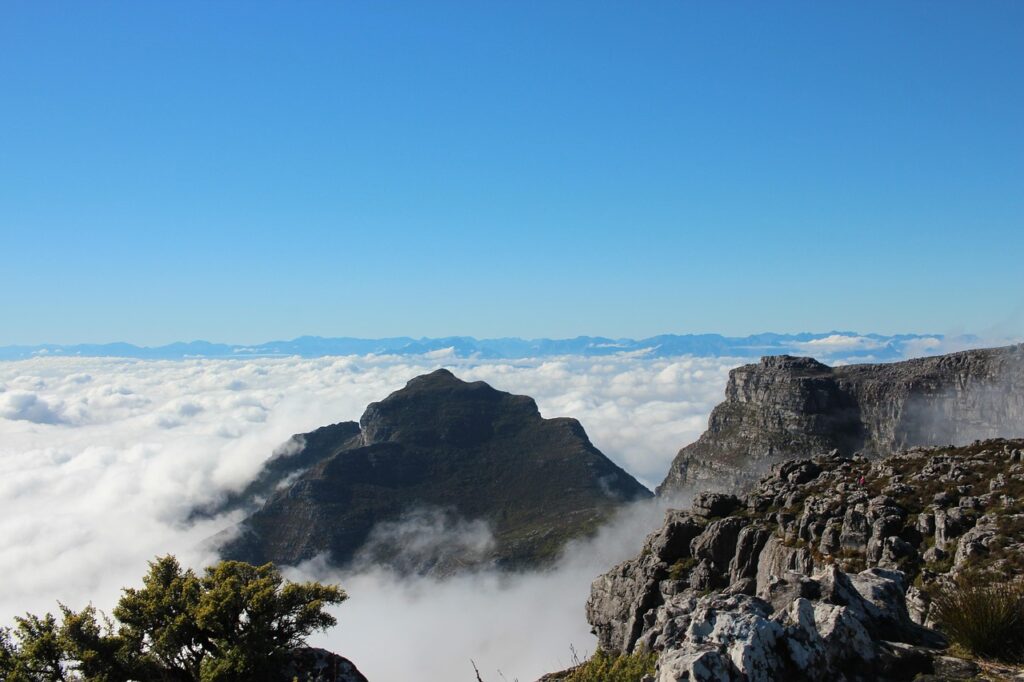
Table Mountain hiking trails function similarly to large-scale outdoor facilities. They require regular inspections, maintenance schedules, signage management, and safety controls, much like public parks, campuses, or heritage sites. The difference lies in their exposure to natural forces, such as weather, erosion, and biodiversity pressures.
Facilities managers working with Table Mountain hiking trails must balance accessibility with conservation. Trail surfaces, handrails, steps, and drainage systems must be designed and maintained to withstand heavy foot traffic while minimising environmental degradation. Poorly managed trails can quickly become safety hazards or cause irreversible ecological damage.
Responsible Use of Table Mountain Hiking Trails
There are few outdoor experiences that compare to walking on Table Mountain hiking trails or elsewhere within the Table Mountain National Park. These routes offer access to dramatic landscapes, rare biodiversity, and some of the most iconic views in South Africa. To protect these assets, hikers are encouraged to use established and recommended routes that are actively monitored and maintained.
Popular routes such as Lion’s Head, The Pipe Track, Platteklip Gorge to the Upper Cableway Station, Upper Cableway Station to Maclear’s Beacon, and Skeleton Gorge to Maclear’s Beacon via the Smuts Track are among the most frequently used trails. From a facilities management perspective, these routes require ongoing inspection, erosion control, signage upkeep, and safety monitoring due to their high foot traffic and environmental sensitivity.
Conservation Responsibilities Within a World Heritage Site
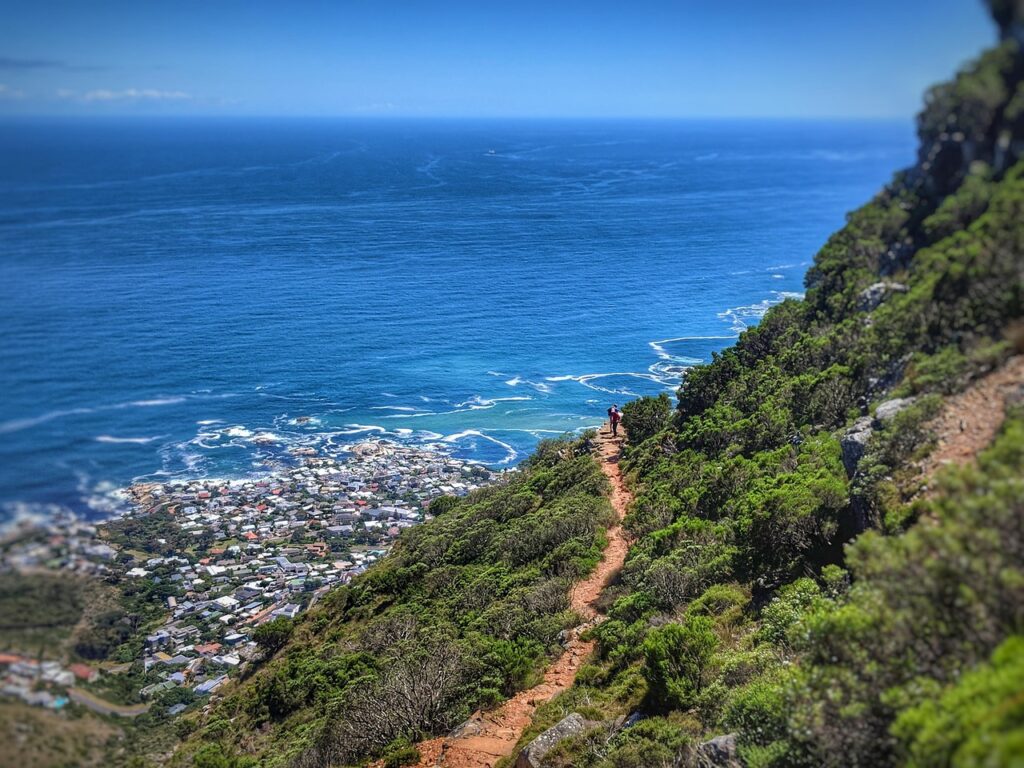
The Table Mountain National Park is a recognised World Heritage Site and an ecologically sensitive area containing plant and animal species found nowhere else in the world. Managing Table Mountain hiking trails therefore involves strict conservation principles alongside public access.
Visitors play a direct role in supporting trail management efforts. Responsible trail use reduces maintenance pressure and environmental impact. Facilities and conservation teams rely on public cooperation to help preserve this globally unique environment.
Key conservation guidelines include:
- Take nothing but photographs and leave nothing but footprints
- Do not pick, break, trample, or remove plants, flowers, seeds, or rocks
- Never feed, touch, or harm animals or birds, including dassies, baboons, and penguins
- Prevent wildfire risks by only using designated braai areas and never discarding cigarette butts
These practices directly reduce damage, maintenance costs, and safety risks across Table Mountain hiking trails.
Managing Longer and Overnight Hiking Routes
Some Table Mountain hiking trails extend beyond day hikes and require more structured access control. A notable example is the Cape of Good Hope Trail, a circular overnight route covering 33.8km and completed over two days.
This trail begins and ends at the Cape Point entrance gate, where secure overnight parking is provided. From an operational management perspective, access is tightly controlled through overnight hiking registers, indemnity forms, and key collection procedures managed by Access Control Officers. These systems help track hiker movement, manage risk, and support emergency response planning.
Facilities guidelines require hikers to start their hike before 9am on the day of arrival to ensure sufficient daylight to reach overnight huts safely. Gate access follows seasonal operating hours, with no early entry permitted. These measures highlight how Table Mountain hiking trails are actively managed as regulated assets rather than informal recreational spaces.
Trail Maintenance and Infrastructure Management
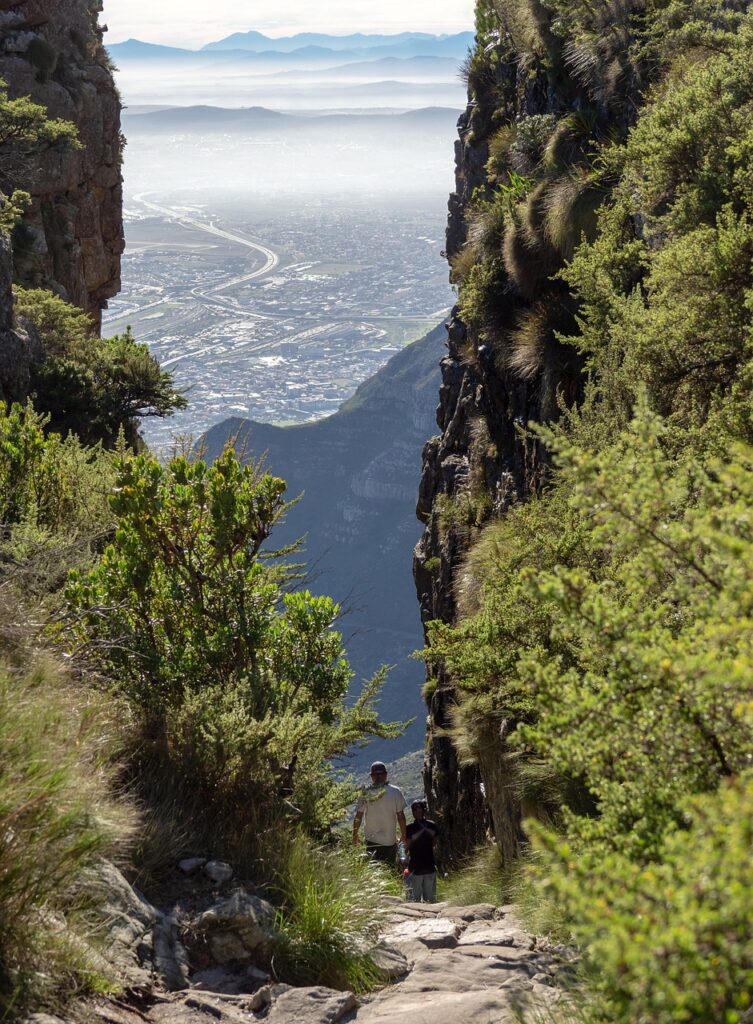
Effective maintenance of Table Mountain hiking trails involves proactive rather than reactive management. This includes monitoring trail conditions, repairing erosion damage, managing stormwater runoff, and ensuring that constructed elements such as staircases and boardwalks remain structurally sound.
Facilities teams often rely on a combination of scheduled inspections and condition-based assessments. High-traffic routes require more frequent intervention, particularly after periods of heavy rain or peak tourist seasons. Clear maintenance records and reporting systems help ensure accountability and consistency across the trail network.
Environmental Protection and Sustainability Considerations
Sustainability is central to managing Table Mountain hiking trails. Facilities management decisions must align with environmental conservation principles, including protecting indigenous vegetation, preventing soil erosion, and controlling invasive species.
Trail design and maintenance techniques play a critical role in sustainability outcomes. Proper grading, reinforced paths, and strategic water diversion reduce long-term maintenance needs while protecting surrounding ecosystems. Facilities managers also work closely with conservation specialists to ensure that interventions support both safety and biodiversity goals.
Safety, Risk Management, and Public Responsibility
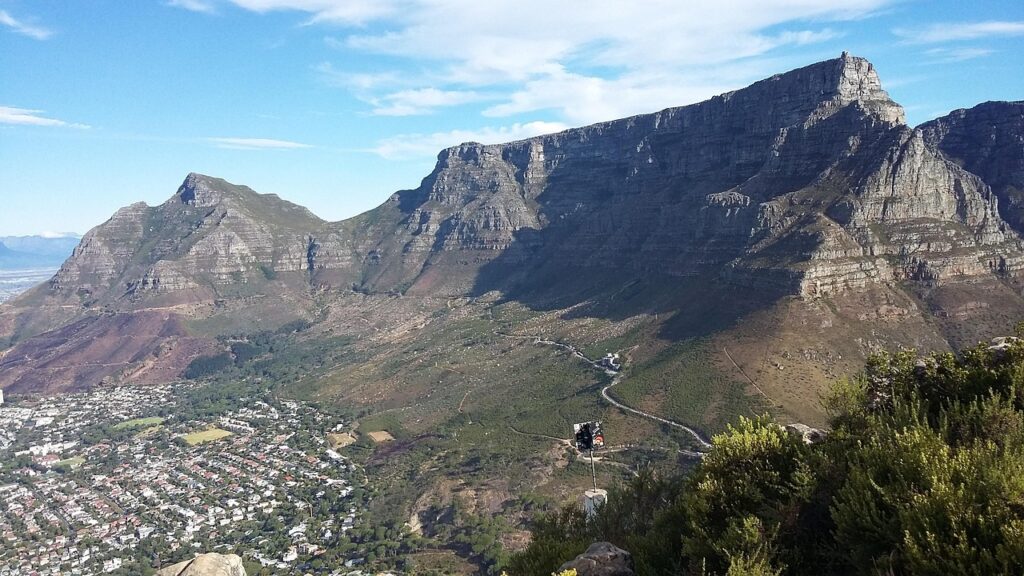
Safety management is a key responsibility associated with Table Mountain hiking trails. This includes maintaining clear signage, managing access points, monitoring high-risk areas, and ensuring emergency response routes remain accessible.
Facilities management strategies often incorporate risk assessments that identify potential hazards such as loose rock, steep drops, or weather exposure. Public education also forms part of risk management, helping hikers understand trail difficulty levels, weather risks, and responsible trail use.
Coordinating Stakeholders and Operational Oversight
Managing Table Mountain hiking trails requires coordination between multiple stakeholders, including conservation authorities, emergency services, tourism bodies, and maintenance contractors. From a facilities management perspective, clear roles, communication channels, and reporting structures are essential.
Operational oversight includes planning maintenance activities, managing budgets, coordinating volunteer efforts, and responding to incidents. Integrated management systems allow data from inspections, usage patterns, and environmental monitoring to inform long-term planning and resource allocation.
Preserving Table Mountain Hiking Trails for the Future

The long-term success of Table Mountain hiking trails depends on structured management that treats them as vital public assets rather than informal footpaths. Facilities and property management principles provide the framework needed to maintain safety, accessibility, and environmental balance.
By investing in preventative maintenance, sustainability-focused design, and coordinated oversight, Table Mountain hiking trails can continue to serve residents and visitors while preserving one of South Africa’s most iconic natural landscapes for generations to come.