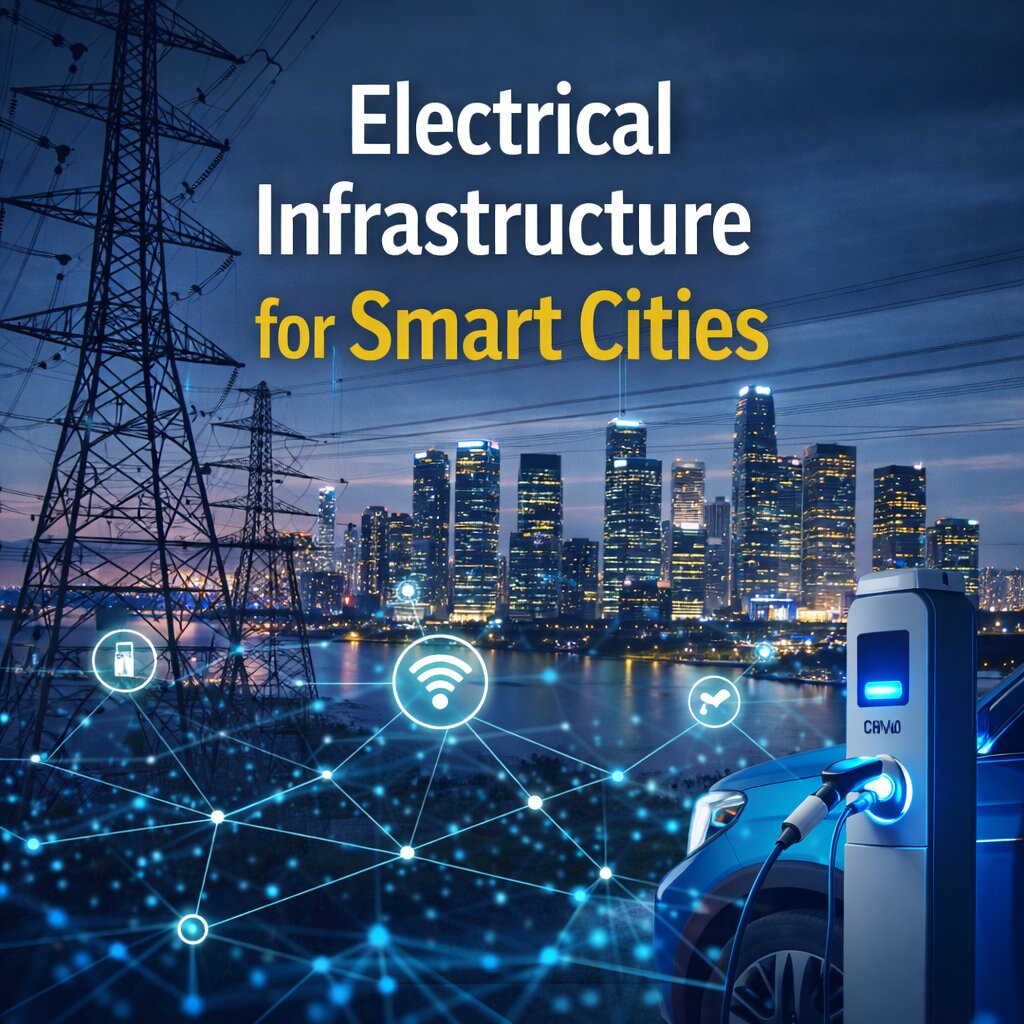
Modern cities are evolving into highly connected environments where technology, data, and energy systems work together to improve efficiency and quality of life. At the centre of this transformation lies electrical infrastructure for smart cities, which enables everything from intelligent transport systems to automated buildings and digital services.
Unlike traditional power networks, today’s infrastructure must support constant communication, real-time monitoring, and adaptive energy distribution. As urban populations grow and sustainability becomes a priority, cities require systems that are not only reliable but also flexible and scalable.
Electrical infrastructure for smart cities is therefore no longer just about supplying electricity. It is about creating an intelligent energy ecosystem that supports innovation, resilience, and long-term urban development.
Understanding the foundation of smart electrical systems
Electrical infrastructure for smart cities begins with a shift away from conventional, static power systems toward dynamic and interconnected networks. These systems are designed to respond to changing energy demands while integrating digital technologies that enhance visibility and control.
At the core of this infrastructure are advanced distribution networks that use sensors, communication systems, and data analytics to monitor performance in real time. This allows operators to detect faults quickly, manage loads efficiently, and maintain consistent service across urban areas.
The integration of digital platforms also enables predictive maintenance, reducing downtime and extending the lifespan of critical components. Instead of reacting to failures, cities can anticipate issues and address them before they escalate.
As a result, the foundation of smart electrical systems is built on connectivity, intelligence, and adaptability, all of which are essential for modern urban environments.
The evolution from traditional grids to smart grids

One of the most significant developments in electrical infrastructure for smart cities is the transition from traditional grids to smart grids. Traditional systems were designed for one-way electricity flow, where power moved from centralised generation plants to consumers.
Smart grids, on the other hand, enable two-way communication between energy providers and users. This allows for more efficient energy management, as supply and demand can be balanced in real time based on actual usage patterns.
Through advanced monitoring and automation, smart grids can detect outages instantly and reroute power to minimise disruption. This improves reliability and reduces the impact of faults on both residential and commercial users.
In addition, smart grids support decentralised energy generation, allowing homes and businesses to contribute electricity back into the system. This creates a more resilient and sustainable energy network.
Integrating renewable energy into urban infrastructure

Sustainability is a central goal of smart city development, and electrical infrastructure must support the integration of renewable energy sources. Solar panels, wind systems, and other clean energy technologies are increasingly being incorporated into urban environments.
However, renewable energy introduces variability, as generation depends on environmental conditions. Electrical infrastructure for smart cities must therefore include systems capable of managing these fluctuations without compromising stability.
Energy storage solutions, such as battery systems, play a crucial role in this process. They allow excess energy to be stored during peak generation periods and released when demand is higher or generation is lower.
By combining renewable energy with intelligent infrastructure, cities can reduce their reliance on fossil fuels while maintaining a stable and efficient power supply.
Smart applications transforming urban environments

Electrical infrastructure for smart cities supports a wide range of applications that directly impact daily life. These systems are designed to improve efficiency, reduce costs, and enhance the overall functionality of urban spaces.
Some of the most common applications include:
- Intelligent street lighting that adjusts based on movement and environmental conditions
- Smart traffic systems that optimise flow and reduce congestion
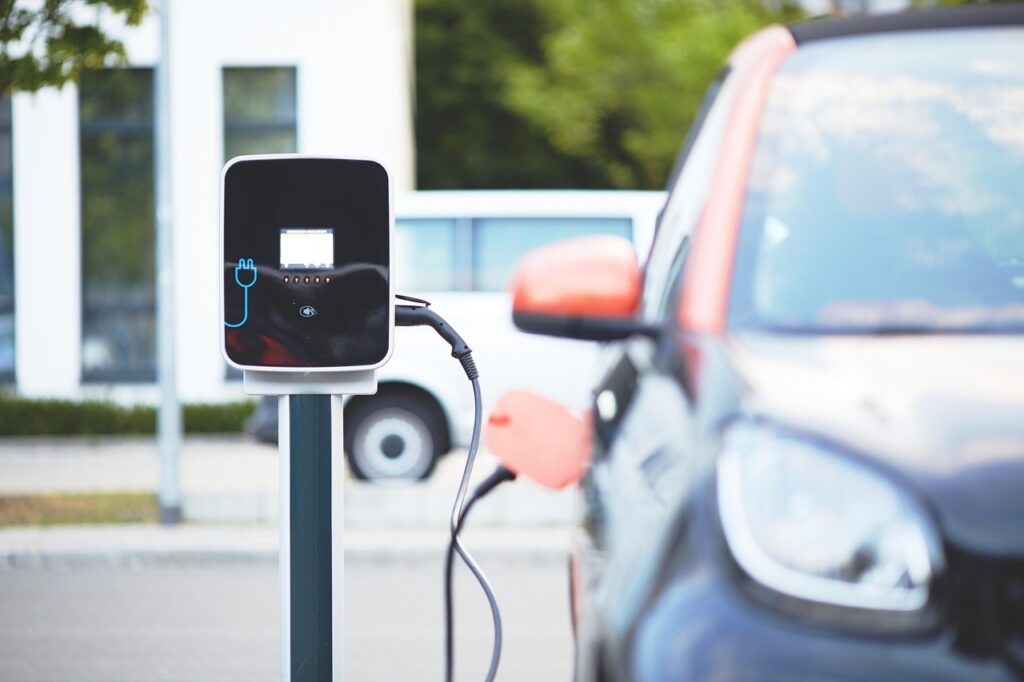
- Electric vehicle charging networks integrated with grid management systems
- Automated building systems that control lighting, heating, and energy use
- Real-time energy monitoring for both utilities and consumers
These applications demonstrate how electrical infrastructure goes beyond power delivery, becoming a key enabler of smarter, more responsive cities.
Challenges in building smart electrical infrastructure
Despite the benefits, developing electrical infrastructure for smart cities presents several challenges. One of the primary concerns is the high initial investment required to upgrade existing systems and implement new technologies.
Cities must also address the complexity of integrating multiple systems and technologies into a cohesive network. This requires careful planning, skilled professionals, and ongoing management to ensure everything functions correctly.
Cybersecurity is another critical issue, as increased connectivity exposes infrastructure to potential threats. Protecting data and ensuring system integrity is essential for maintaining trust and reliability.
In addition, regulatory frameworks and standards must evolve to keep pace with technological advancements. Without clear guidelines, implementation can become fragmented and inconsistent across different regions.
Powering the cities of tomorrow
Electrical infrastructure for smart cities is a fundamental component of modern urban development. It enables the integration of advanced technologies, supports sustainability goals, and improves the efficiency of everyday systems.
As cities continue to grow and evolve, the demand for intelligent and adaptable infrastructure will only increase. By investing in smart electrical systems, urban areas can create environments that are not only more efficient but also more resilient and future-ready.
The transition to smart cities is not a single upgrade but an ongoing process, driven by innovation, planning, and the need to build better spaces for future generations.