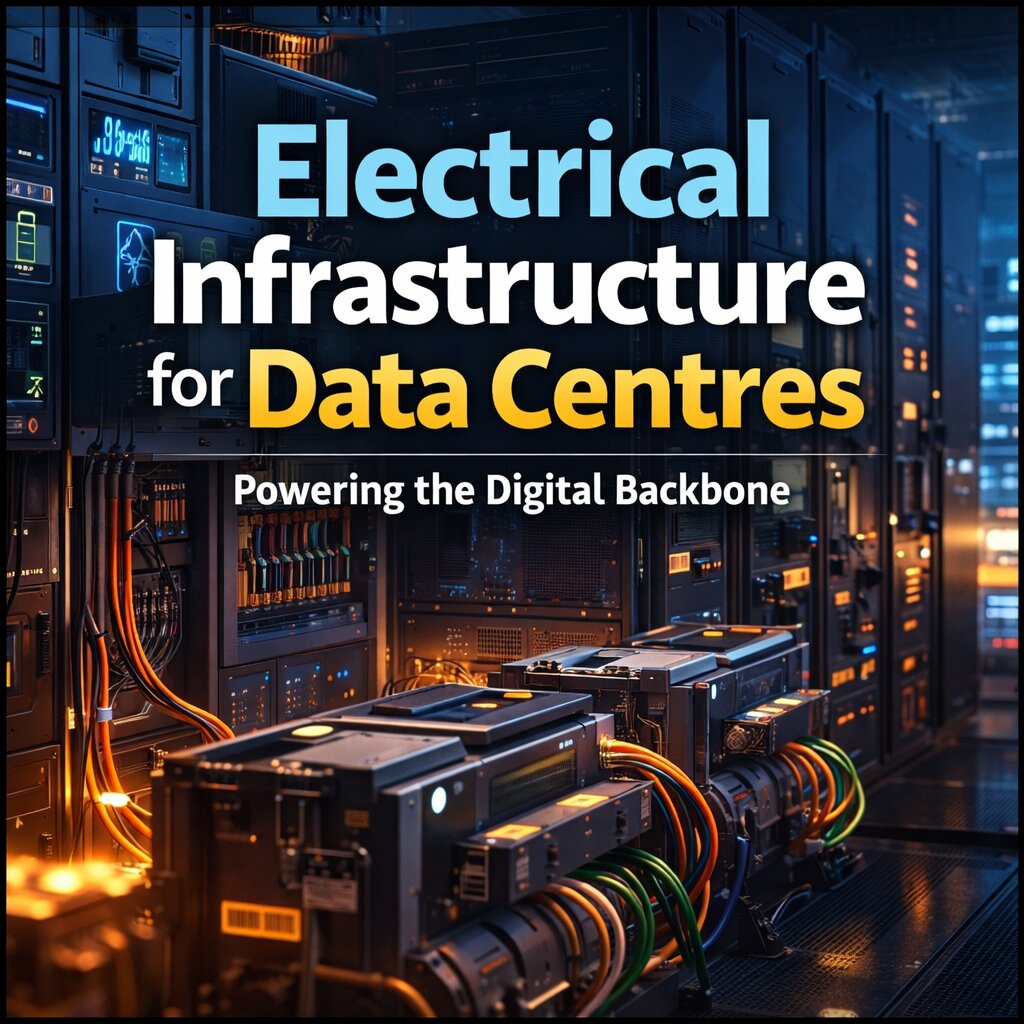
Electrical infrastructure for data centres forms the foundation of today’s digital world. From cloud computing to streaming services and enterprise systems, data centres rely on stable, scalable, and efficient power systems to operate without interruption.
As demand for data continues to surge, the importance of robust electrical infrastructure for data centres has grown significantly. These facilities must ensure constant uptime, protect sensitive equipment, and maintain operational efficiency under heavy loads and changing conditions.
Why electrical infrastructure for data centres is critical

Electrical infrastructure for data centres is not just about supplying power. It is about ensuring reliability, redundancy, and resilience in environments where even a few seconds of downtime can result in significant financial and operational losses.
Data centres operate 24 hours a day, handling massive volumes of data and transactions. This constant demand requires highly reliable systems that can deliver uninterrupted power, even during grid failures or unexpected disruptions.
Redundancy is a key feature in electrical infrastructure for data centres. Backup systems, including generators and uninterruptible power supplies, are essential to maintain operations during outages. These systems must activate instantly to prevent any interruption in service.
In addition, electrical systems must be designed to handle fluctuating loads as demand changes. Scalability ensures that data centres can expand their capacity without compromising performance or safety.
Core components of data centre electrical systems

The design of electrical infrastructure for data centres involves multiple interconnected components that work together to ensure stable and efficient power delivery. Each element plays a specific role in maintaining uptime and protecting equipment.
Power enters the facility through utility connections and is distributed through switchgear and transformers. These components regulate voltage levels and ensure that power is delivered safely to different parts of the data centre.
Uninterruptible Power Supply systems are critical for bridging the gap between a power outage and the activation of backup generators. They provide immediate power, ensuring that there is no disruption to operations.
Generators serve as the long-term backup solution, capable of powering the entire facility during extended outages. Fuel management and maintenance are essential to ensure that these systems remain reliable.
Key components of electrical infrastructure for data centres include:
- Utility power connections and substations
- Switchgear and transformers
- Uninterruptible Power Supply systems
- Backup generators
- Power distribution units
- Busways and cabling systems
These components must be carefully integrated to create a seamless and reliable power system.
Efficiency and sustainability in modern data centres
Energy efficiency has become a major focus in electrical infrastructure for data centres. With rising energy costs and environmental concerns, operators are seeking ways to reduce consumption while maintaining performance.
Modern data centres are adopting energy-efficient technologies such as high-efficiency UPS systems and advanced cooling solutions. These innovations help reduce power usage and improve overall operational efficiency.
Renewable energy sources are also playing a growing role. Solar and wind energy are being integrated into data centre operations, helping to reduce reliance on traditional power sources and lower carbon footprints.
Power Usage Effectiveness is a key metric used to measure efficiency. Lower PUE values indicate more efficient use of energy, making it an important benchmark for data centre performance.
Challenges in designing electrical infrastructure
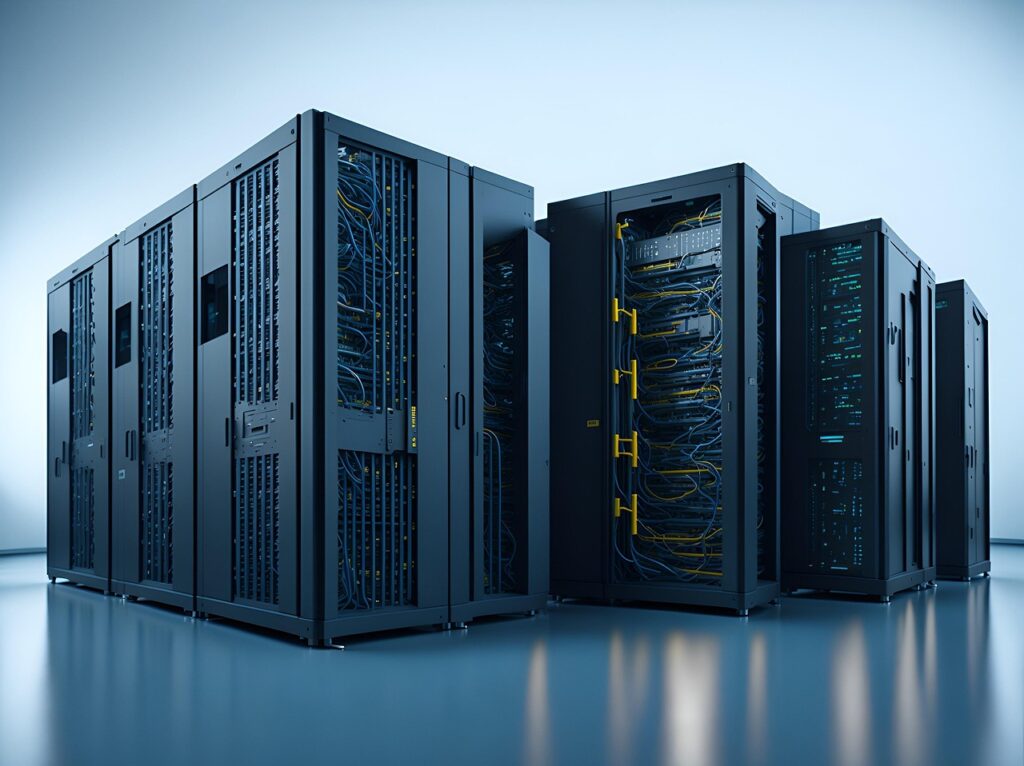
Designing electrical infrastructure for data centres comes with several challenges. One of the primary concerns is ensuring reliability while managing costs. High levels of redundancy and backup systems can be expensive, but they are essential for maintaining uptime.
Space constraints can also impact design. Data centres must accommodate large amounts of equipment, including electrical systems, within limited physical space. Efficient layout planning is crucial to maximise capacity.
Thermal management is another challenge. Electrical systems generate heat, which must be managed effectively to prevent equipment failure and maintain performance.
Regulatory compliance and safety standards must also be met. Electrical infrastructure for data centres must adhere to strict guidelines to ensure the safety of personnel and equipment.
Building the future of digital infrastructure
The future of electrical infrastructure for data centres lies in innovation, efficiency, and resilience. As technology continues to evolve, data centres will require even more advanced power systems to support emerging applications such as artificial intelligence and edge computing.
Smart grid integration and real-time monitoring systems are expected to play a larger role, enabling operators to optimise performance and respond quickly to changes in demand.
Electrical infrastructure for data centres will continue to adapt, ensuring that the digital services we rely on remain accessible and reliable.
As the backbone of the digital economy, these systems are not just supporting technology. They are powering the future of how we live, work, and connect.