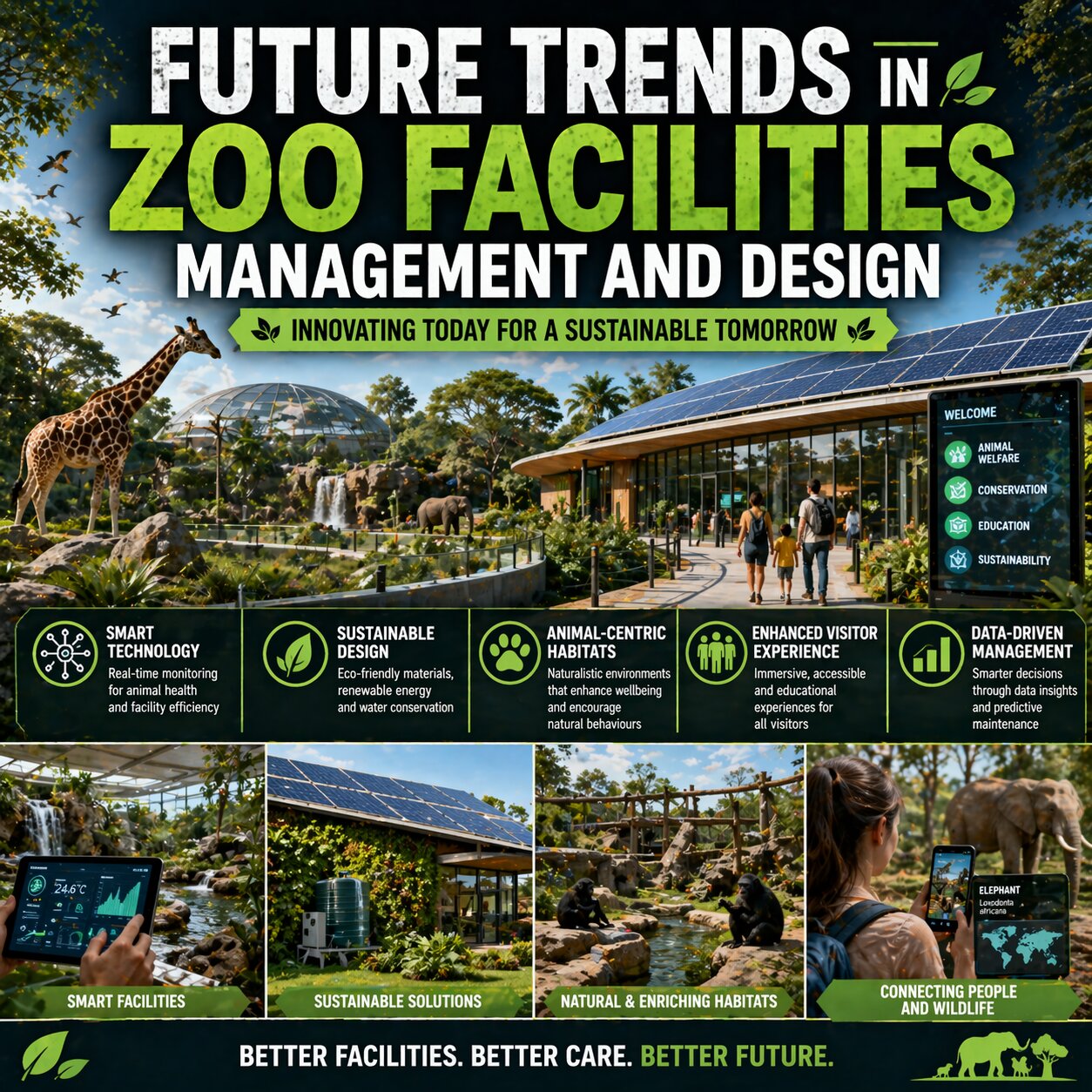
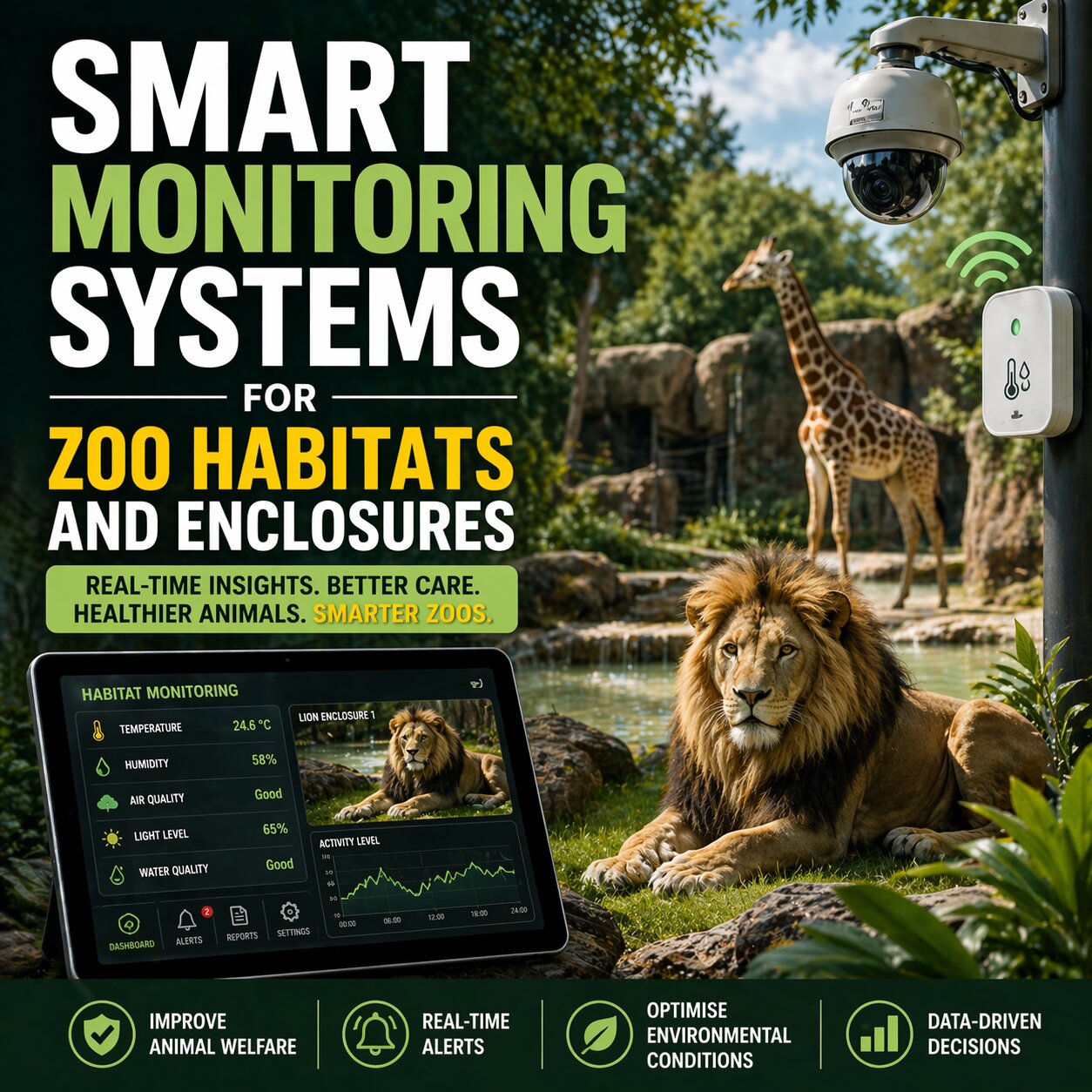
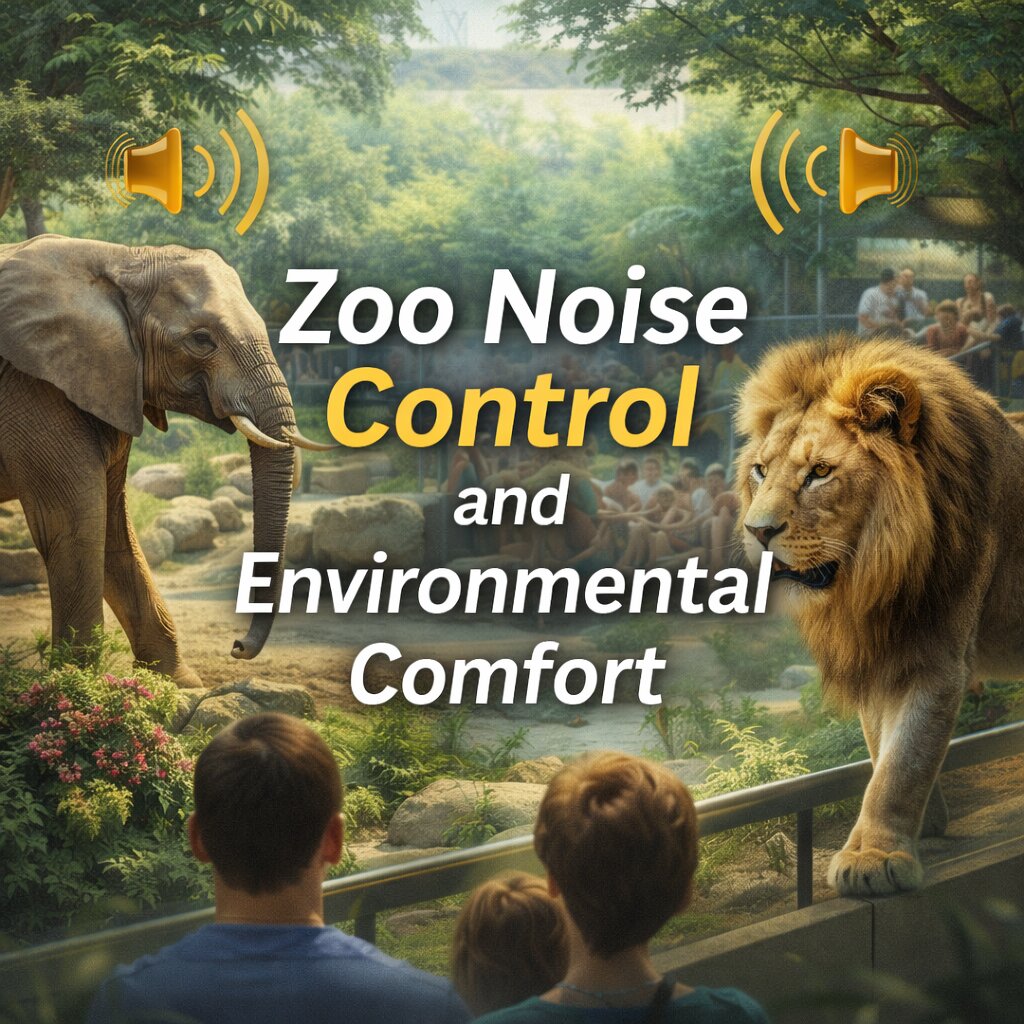
Modern zoos have evolved significantly over the past few decades. Instead of keeping animals in small cages or concrete pens, today’s facilities aim to recreate natural environments that support both animal welfare and visitor education. The design of zoo enclosures now focuses on safety, enrichment, and conservation.
Well-designed zoo enclosures allow animals to display natural behaviours while ensuring they remain secure and properly cared for. At the same time, these spaces must provide clear viewing opportunities for visitors and safe working environments for staff. Balancing these factors is a central challenge in contemporary zoo design.
The importance of natural habitat design
Modern zoo enclosures increasingly aim to replicate the ecosystems animals would experience in the wild. Instead of sterile barriers and artificial surroundings, designers incorporate vegetation, water features, rocks, and varied terrain that reflect an animal’s natural habitat.
These elements are not purely aesthetic. Animals rely on environmental complexity for physical activity, mental stimulation, and behavioural health. A tiger enclosure, for example, might include dense vegetation for hiding, elevated platforms for resting, and water areas for cooling down.
Natural habitat design also benefits visitors. When animals are placed within realistic environments, it becomes easier for people to understand the species’ natural behaviour and ecological role. This educational aspect helps reinforce conservation messaging and public awareness.
Another advantage of naturalistic environments is stress reduction. Animals living in well-designed habitats with hiding areas and varied terrain often show fewer signs of anxiety or repetitive behaviour.
Safety considerations in zoo enclosures
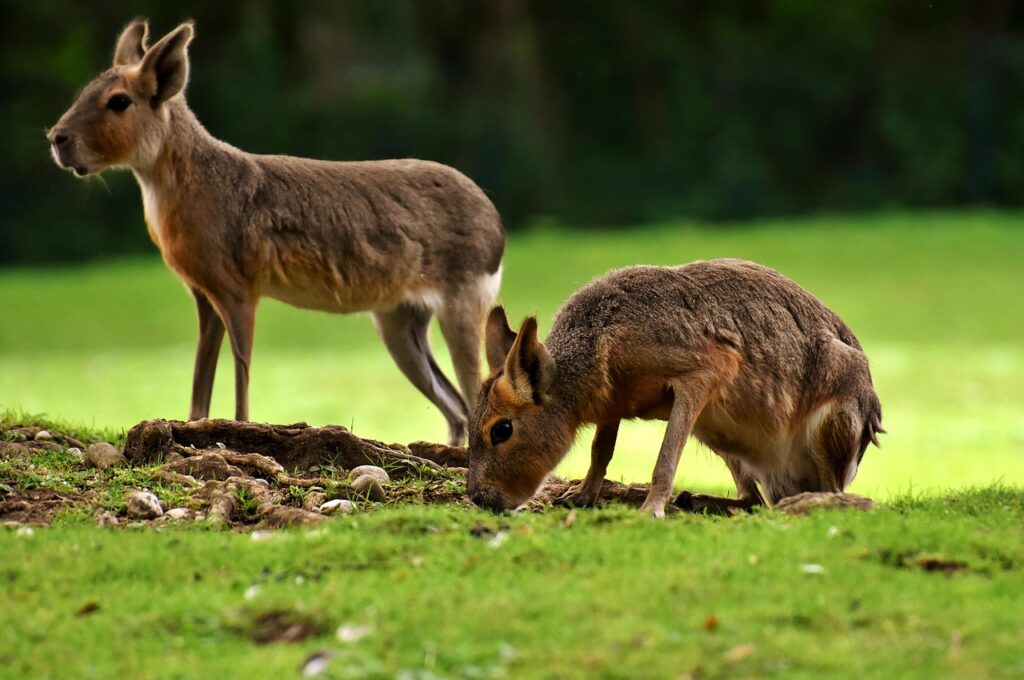
While creating natural environments is important, safety remains the top priority when designing zoo enclosures. Facilities must ensure that animals cannot escape while also protecting visitors and zoo staff.
Structural barriers are carefully engineered to handle the strength, climbing ability, and behaviour of specific species. In many modern zoos, visible bars are replaced with hidden barriers such as reinforced glass, deep moats, or strategically designed landscape features.
Animal care teams must also have safe access points for feeding, cleaning, and veterinary care. Behind-the-scenes holding areas and shifting gates allow staff to manage animals without direct contact when necessary.
Emergency planning is another crucial factor. Enclosures must include secure locking systems, backup containment measures, and clear procedures for dealing with unexpected situations such as animal escapes or severe weather events.
Key features of effective zoo enclosures
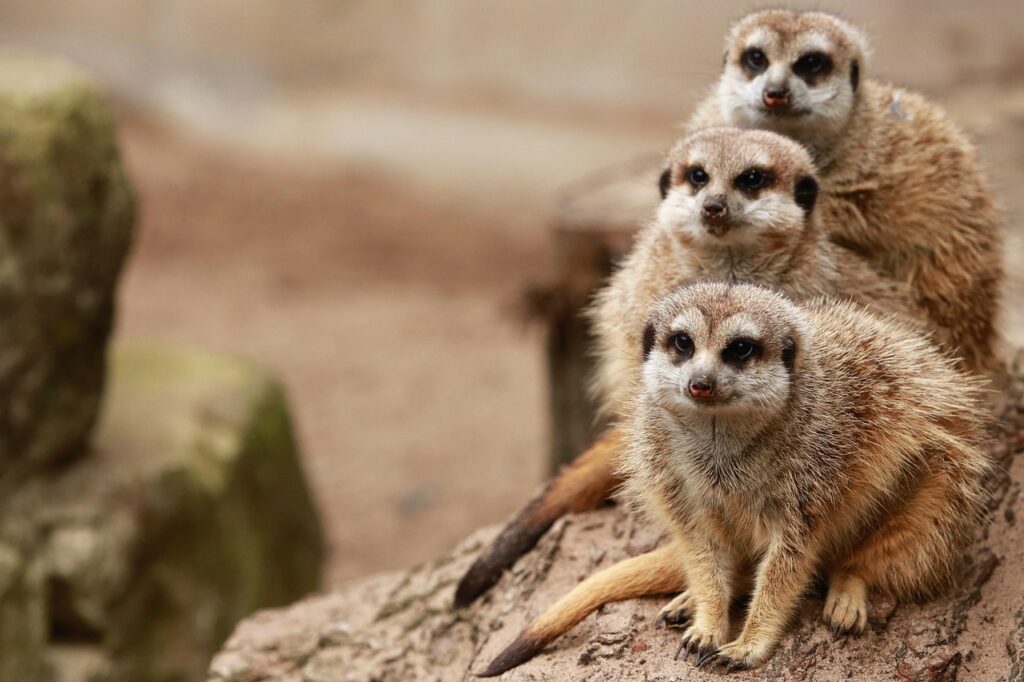
Modern zoo enclosures incorporate several design features that support both animal welfare and operational safety.
Common features include:
- Natural terrain with varied elevation and substrates
- Water features such as ponds, streams, or waterfalls
- Shade structures and shelter areas
- Environmental enrichment elements like climbing structures
- Hidden barriers such as moats or reinforced glass
- Separate holding areas for medical care or breeding management
These elements work together to create environments that stimulate animals physically and mentally while maintaining secure containment.
Well-designed habitats also allow animals to retreat from public view when necessary, helping reduce stress and promoting more natural behaviour patterns.
Sustainability and environmental responsibility
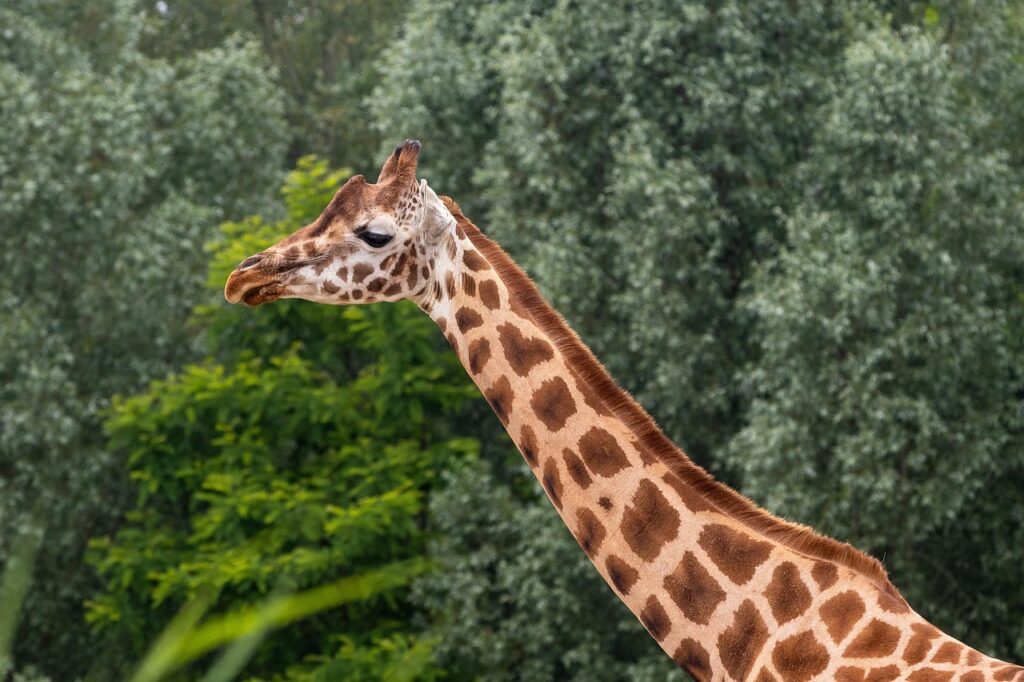
Sustainability is becoming an increasingly important part of zoo enclosure design. Modern facilities often incorporate environmentally responsible construction methods and materials to minimise ecological impact.
Water management systems are commonly used to recycle water from ponds or waterfalls, reducing consumption and supporting long-term sustainability goals. In some cases, natural filtration systems using plants and wetlands help maintain water quality.
Energy-efficient lighting and climate control systems are also used to reduce operational costs and environmental impact. These technologies help maintain suitable temperatures for animals while lowering overall energy consumption.
Sustainable landscaping is another key element. Native plants and drought-resistant vegetation are often chosen to reduce water usage while still creating naturalistic habitats for the animals.
Building better environments for animals and visitors
The evolution of zoo enclosures reflects a broader shift in how society views animal care and conservation. Modern zoos are no longer simply places to display animals; they are institutions focused on education, research, and species preservation.
By combining natural habitat design, advanced safety measures, and sustainable practices, today’s enclosures support both animal well-being and meaningful visitor experiences. These spaces allow animals to live in environments that closely resemble their natural homes while remaining safe and properly managed.
As zoo design continues to improve, future zoo enclosures will likely become even more immersive and environmentally integrated, helping strengthen the connection between people, wildlife, and conservation efforts.