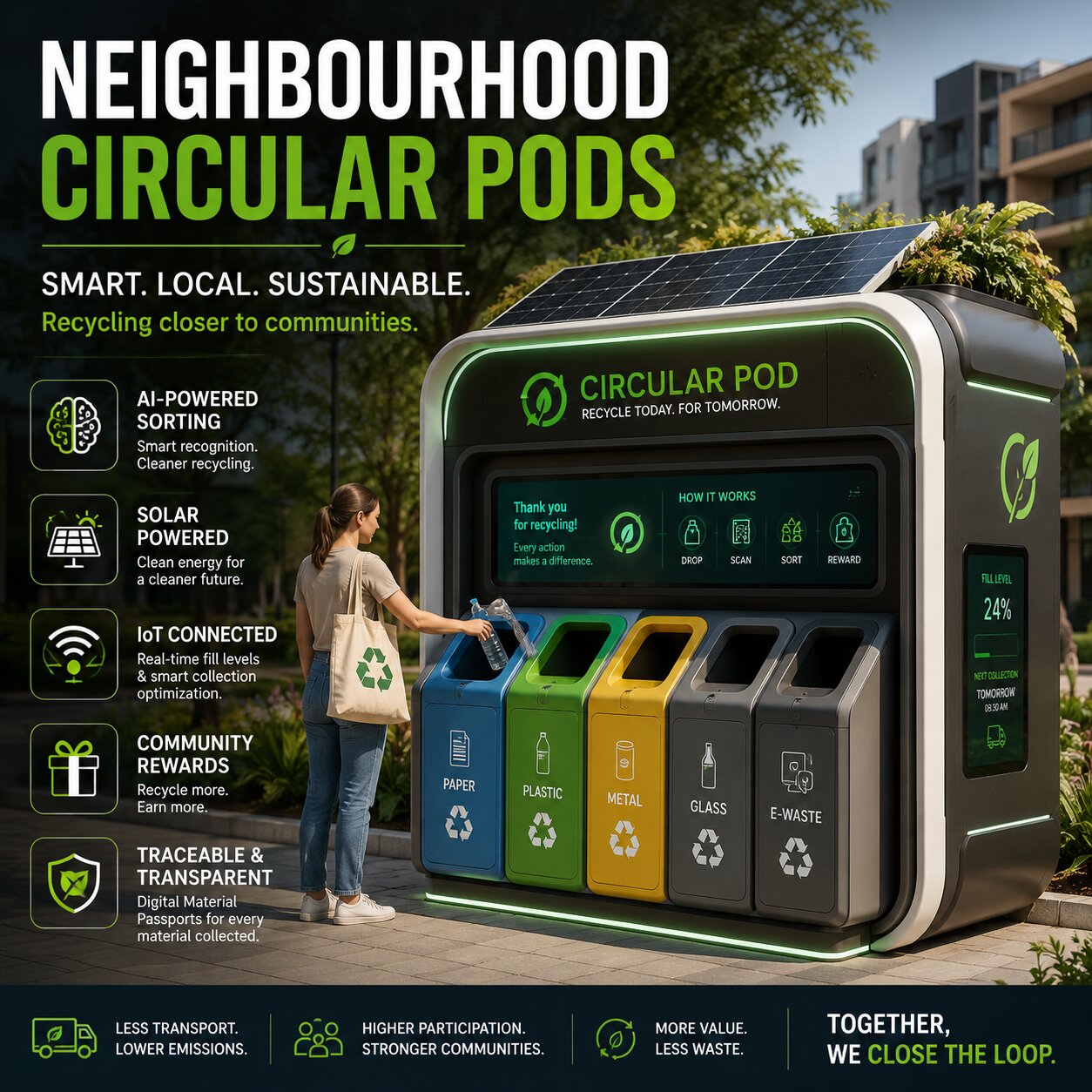
Glass recycling processes play a vital role in reducing landfill waste, conserving natural resources, and supporting a more circular economy. Unlike many other materials, glass can be recycled repeatedly without losing quality, making it one of the most sustainable packaging and construction materials available.
Understanding how glass recycling works helps businesses, municipalities, and consumers make informed decisions about waste management, sustainability practices and types of recycling centres, particularly in regions focused on long-term environmental resilience.
How glass recycling processes begin
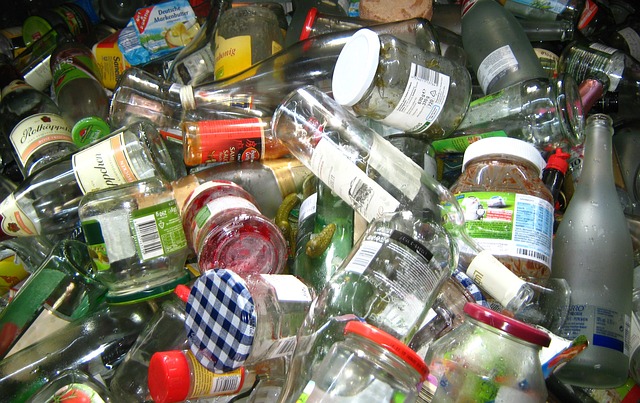
Glass recycling processes start with collection, where used glass containers are gathered from households, commercial sites, and recycling centres. This glass is typically sorted by colour, such as clear, green, and amber, as mixing colours can reduce the quality of recycled glass.
Once sorted, the glass is cleaned to remove contaminants like labels, food residue, and metal caps. This preparation stage is essential, as even small impurities can weaken the final recycled product.
Crushing, melting, and remanufacturing
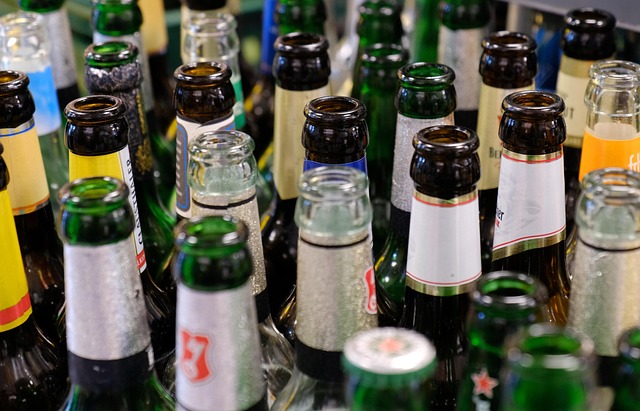
Crushing, melting, and remanufacturing form the core operational stages of modern glass recycling processes. These steps transform discarded glass into a usable raw material that can re-enter manufacturing cycles without loss of quality.
Crushing glass into cullet
Once cleaned and sorted, glass is fed into crushing equipment that breaks it down into small, uniform fragments known as cullet. The size and consistency of cullet are carefully controlled, as uneven fragments can affect melting efficiency and final product quality.
Crushing serves several important purposes. It reduces the volume of glass, making transportation and storage more efficient, and it prepares the material for rapid, even melting. Modern recycling facilities often use magnetic separators and air classification systems at this stage to remove any remaining metal, plastic, or paper contaminants that could compromise downstream processes.
Melting cullet at lower energy thresholds
The crushed cullet is transported to high-temperature furnaces, where it is melted at temperatures typically ranging between 1,400°C and 1,600°C. One of the major advantages of glass recycling processes is that cullet melts at a lower temperature than raw materials such as sand and limestone.
This lower melting point reduces energy consumption significantly, resulting in lower fuel usage and reduced greenhouse gas emissions. In industrial-scale operations, even small energy savings per tonne of glass translate into substantial environmental and cost benefits over time.
Forming and remanufacturing new glass products
After melting, the molten glass is shaped into new products using moulding, blowing, or rolling techniques, depending on its intended use. Common outputs include bottles, jars, flat glass panels, insulation materials, and construction-grade glass components.
Glass recycling processes allow manufacturers to tailor remanufactured products to meet specific industry standards. Because glass does not degrade during recycling, the remanufactured material retains the same strength, clarity, and durability as newly produced glass.
Quality control and reuse in the supply chain
Quality control is a critical part of the remanufacturing stage. Finished glass products are inspected for structural integrity, clarity, and dimensional accuracy before being approved for distribution.
Once approved, recycled glass products re-enter the supply chain, often indistinguishable from items made using virgin materials. This closed-loop system highlights why glass recycling processes are considered one of the most effective examples of circular manufacturing in modern waste management.
Environmental and economic benefits of glass recycling

One of the key advantages of glass recycling processes is energy conservation. Using recycled glass reduces furnace temperatures, lowers fuel consumption, and decreases carbon emissions during manufacturing.
Glass recycling also reduces the need for raw material extraction, helping to protect natural ecosystems. From an economic perspective, it supports local recycling industries, creates jobs, and reduces waste management costs for municipalities.
Building sustainable systems through smarter recycling

Glass recycling processes demonstrate how effective waste management can support environmental sustainability while delivering long-term economic benefits. By improving collection systems, investing in modern recycling facilities, and encouraging responsible disposal, communities and businesses can reduce waste and build more sustainable systems for the future.
At Sustainable Systems Technologies, we continue to explore practical solutions that support efficient recycling, resource recovery, and environmentally responsible infrastructure development.