Modern commercial buildings rely on complex electrical systems to support everything from lighting and security to climate control and advanced building automation. These systems form the backbone of daily operations in offices, retail centres, hospitals, hotels and industrial facilities.
Without properly designed electrical infrastructure, even the most advanced buildings cannot function efficiently. Electrical systems distribute power safely, ensure reliable performance and support the technologies that businesses depend on.
Understanding how electrical systems work in commercial environments helps property owners, facility managers and engineers maintain safe and efficient buildings.
Understanding electrical systems in commercial buildings
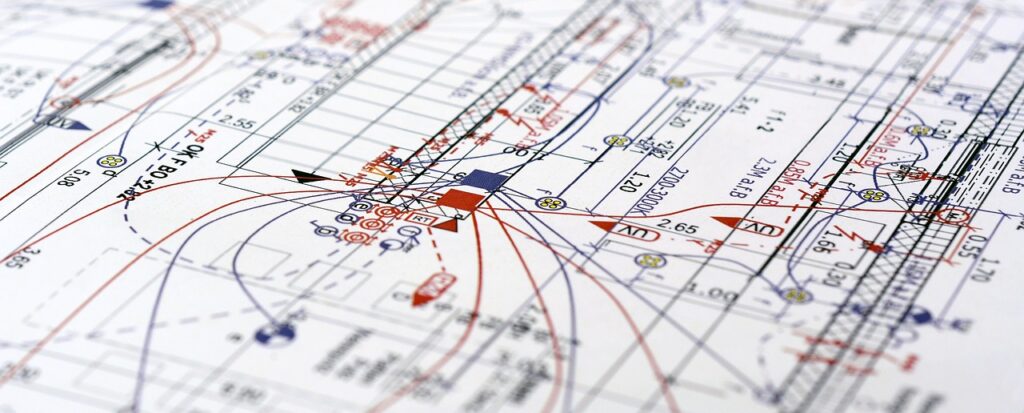
Electrical systems in commercial buildings are designed to distribute power from the utility grid throughout the entire structure. These systems are far more complex than residential electrical setups due to the higher energy demands and safety requirements involved.
Power enters the building through service connections and is routed through transformers, switchgear and distribution panels. From there, electricity is delivered to lighting systems, HVAC equipment, elevators, computer networks and other operational systems.
Modern electrical systems must also meet strict safety standards and regulatory requirements. Engineers must design these systems to handle peak loads while maintaining reliability and efficiency.
Commercial electrical systems are therefore planned carefully during the building design phase to ensure they can support current operations as well as future expansions.
Key components of commercial electrical systems
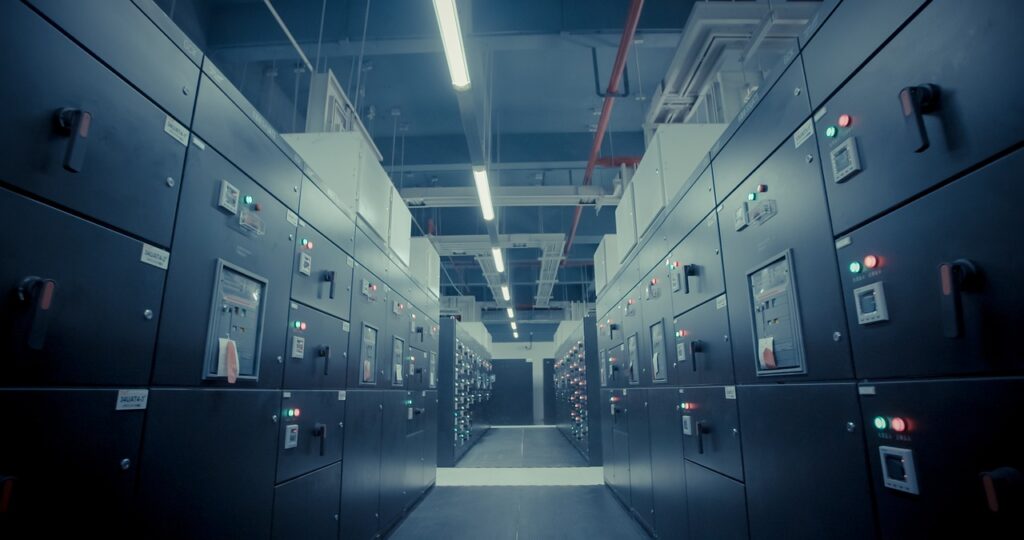
A commercial building contains several core elements that work together to deliver safe and reliable power.
Service entrance and transformers
Electricity from the municipal grid enters the building through the service entrance. Transformers may be used to adjust voltage levels to match the needs of the building’s equipment and systems.
Switchgear and distribution panels
Switchgear controls and protects the flow of electricity throughout the building. Distribution panels divide electrical power into circuits that supply specific areas or equipment.
Wiring and conduits
Cables and conduits transport electricity throughout the building. These systems must be designed to handle electrical loads safely while protecting wiring from environmental damage.
Backup power systems
Many commercial buildings include backup power systems such as generators or battery storage. These systems ensure critical operations continue during power outages.
Types of electrical systems used in commercial buildings

Commercial facilities typically rely on several types of electrical systems working together.
• Power distribution systems that deliver electricity throughout the building
• Lighting systems for interior and exterior illumination
• Emergency electrical systems supporting alarms, emergency lighting and safety systems
• Backup power systems such as generators or battery storage
• Low-voltage systems used for communications, networking and security infrastructure
Each system plays a vital role in maintaining building operations and safety.
Energy efficiency and modern electrical infrastructure
Energy efficiency has become a major priority in commercial construction and facilities management. Modern electrical systems are designed to reduce energy consumption while maintaining high performance.
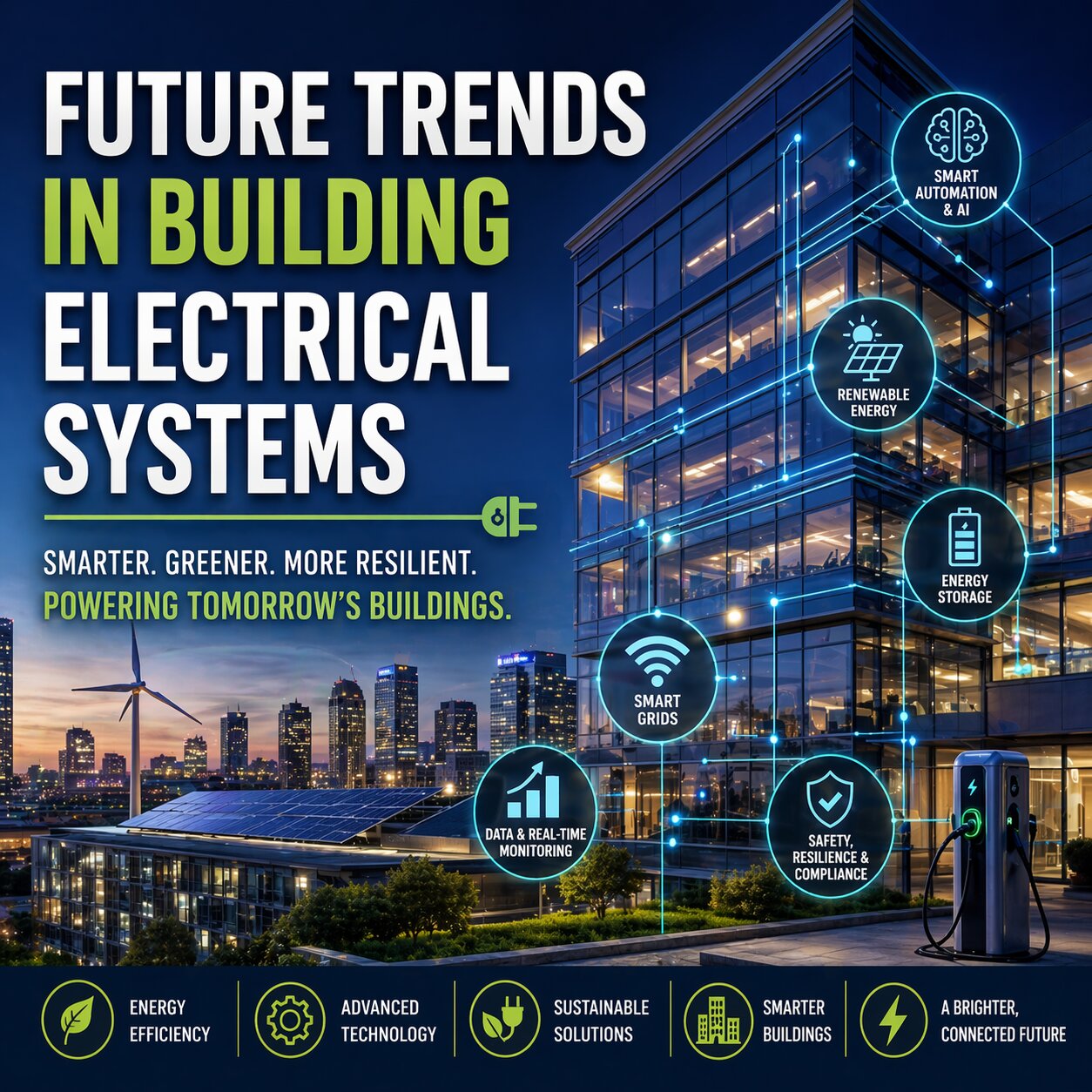
Smart lighting systems, energy monitoring technologies and automated building management systems help optimise electricity usage. Sensors can adjust lighting levels based on occupancy or daylight availability, reducing unnecessary power consumption.
Energy-efficient equipment and electrical design also contribute to sustainability goals. Many commercial buildings now integrate renewable energy sources such as solar power into their electrical infrastructure.
These innovations not only reduce environmental impact but also lower operational costs for building owners.
Maintenance and safety considerations
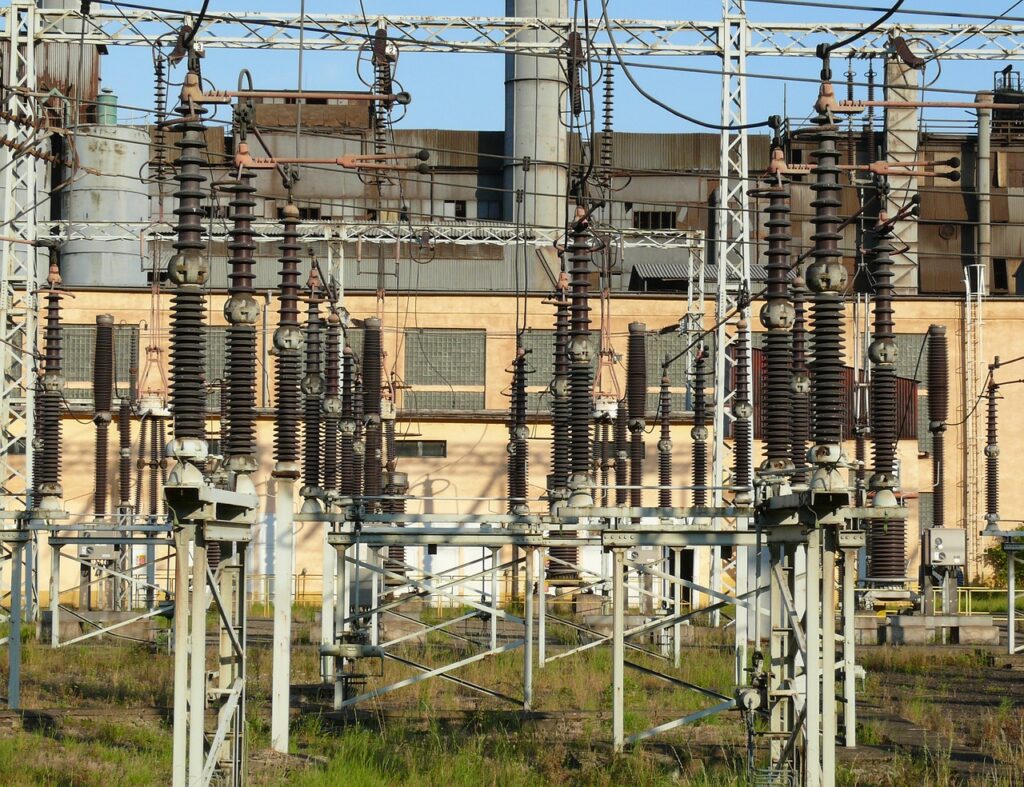
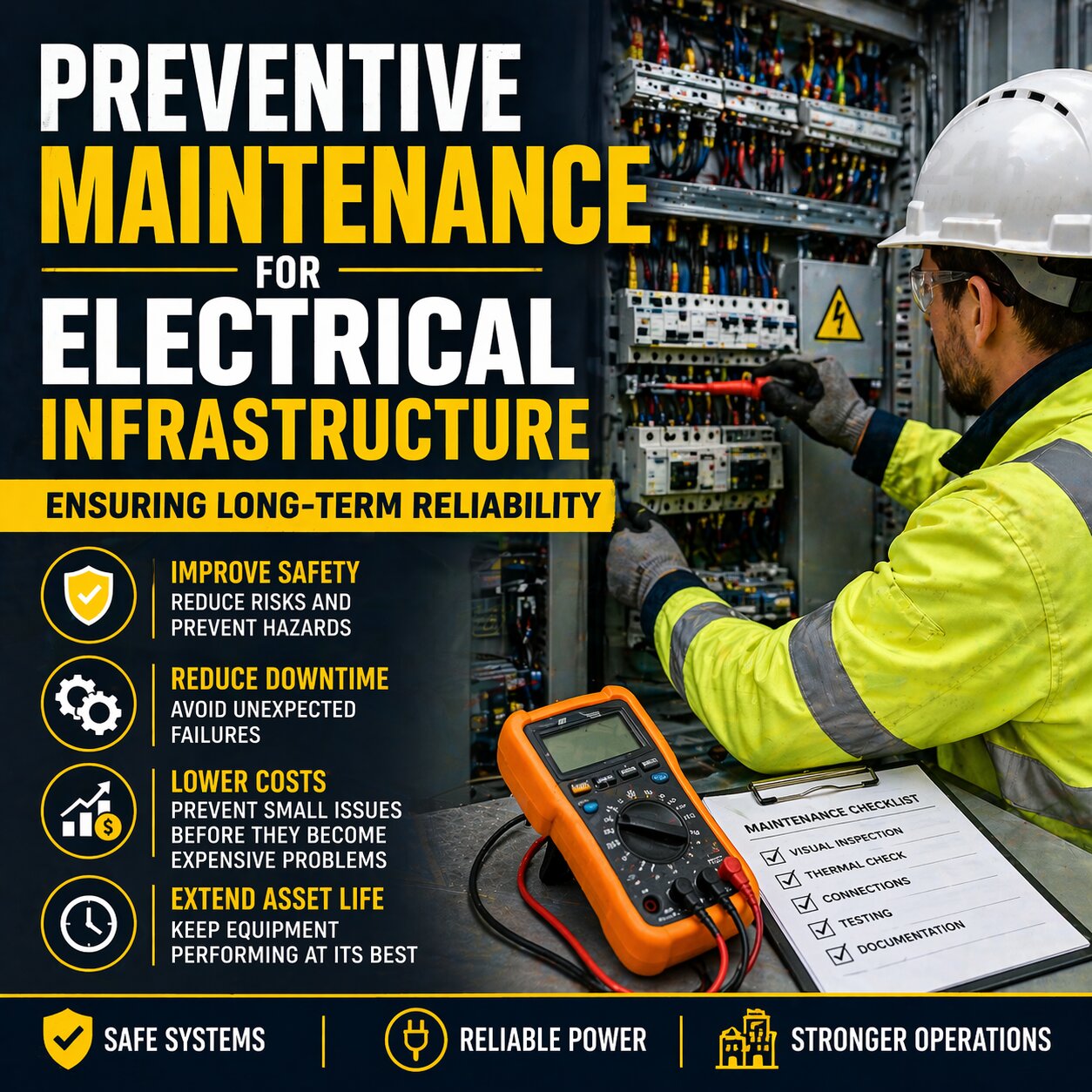
Proper maintenance is essential for keeping electrical systems safe and reliable in commercial environments. Regular inspections help identify worn components, overloaded circuits or outdated equipment before they cause failures.
Facility managers must ensure electrical infrastructure complies with safety regulations and building codes. Preventative maintenance programmes help reduce the risk of electrical fires, equipment damage or unexpected outages.
Electrical upgrades may also be required as buildings adopt new technologies. As businesses rely more heavily on digital infrastructure and automated systems, electrical capacity and resilience become increasingly important.
A well-maintained electrical system ensures a building can support its occupants safely while maintaining operational efficiency.
Supporting modern commercial infrastructure
Electrical infrastructure plays a central role in the performance and reliability of commercial buildings. From powering lighting and HVAC systems to supporting smart building technologies, electrical systems are essential for modern facilities.
As commercial buildings continue to evolve, electrical design will become even more important. Energy efficiency, automation and renewable energy integration are shaping the next generation of electrical systems.
For property owners and facility managers, understanding these systems is key to maintaining safe, efficient and future-ready buildings.