Recycling facilities rely on specialised machinery to process waste efficiently, safely, and in compliance with environmental regulations. Recycling centre equipment is not one-size-fits-all, as different materials require very different handling, sorting, and processing methods.
From plastics and glass to tyres and metals, the type of recycling centre determines the equipment required. Understanding these differences is essential when planning, upgrading, or managing a recycling facility.
Core recycling centre equipment found in most facilities
Most recycling centres share a baseline of essential equipment regardless of material type. Conveyors are central to almost every operation, moving materials through sorting, cleaning, and processing stages.
Sorting systems are another critical component of recycling centre equipment. These may include manual sorting stations, magnetic separators, optical sorters, and air classifiers, depending on the level of automation required.
Compactors and balers are commonly used to reduce volume and prepare materials for storage or transport. These machines improve efficiency, lower logistics costs, and help facilities manage space effectively.
Recycling centre equipment for plastic recycling facilities
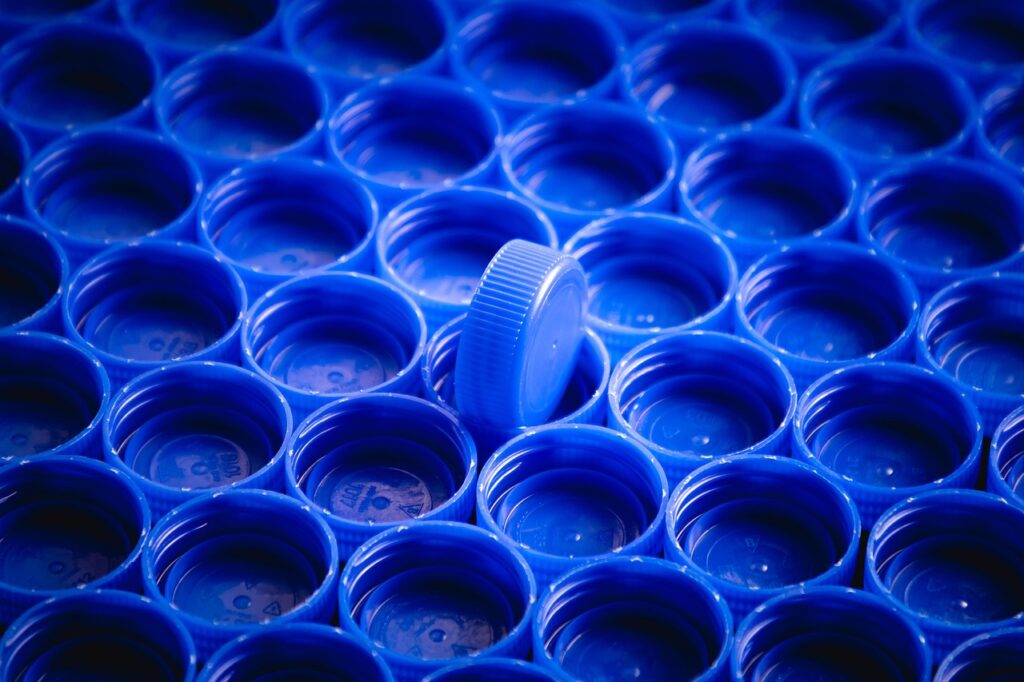
Plastic recycling centres require equipment designed to handle lightweight, variable materials. Shredders and granulators are used to break plastics down into manageable sizes before washing and separation.
Washing systems are essential in plastic recycling. These remove labels, dirt, and residues that can contaminate recycled output. Float-sink tanks are often used to separate different plastic types based on density.
Extruders and pelletisers may also form part of plastic-focused recycling centre equipment, allowing facilities to produce reusable plastic pellets ready for manufacturing.
Recycling centre equipment for glass recycling facilities
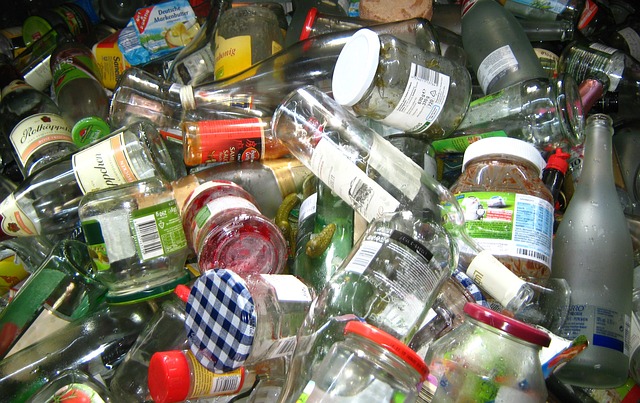
Glass recycling centres use heavier-duty recycling centre equipment due to the weight and abrasive nature of glass. Crushers are used to break glass into cullet, which is easier to sort and transport.
Screening systems separate glass by size, while optical sorters remove contaminants such as ceramics, metals, and plastics. These systems are vital to maintaining the quality of recycled glass.
Dust control and filtration equipment are also important in glass facilities to protect workers and reduce environmental impact.
Recycling centre equipment for tyre recycling facilities
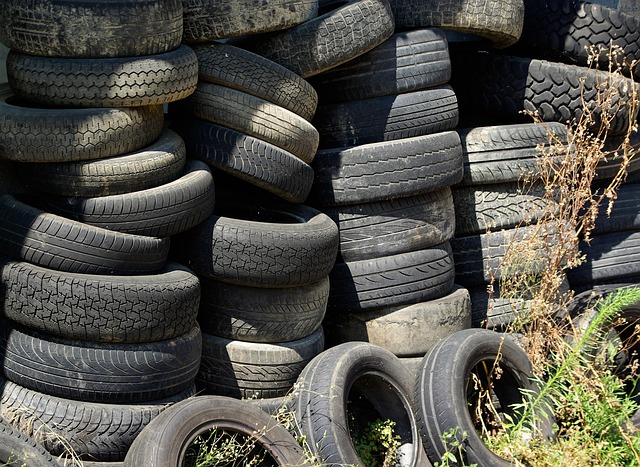
Tyre recycling centres require some of the most robust recycling centre equipment available. Tyres are tough, reinforced materials that need powerful shredders to break them down.
Steel separation systems are used to remove embedded metal wires, while fibre separation units extract textile components. These processes allow tyres to be converted into crumb rubber or other reusable materials.
Additional equipment may include granulators and screening systems to produce rubber products suitable for construction, sports surfaces, or fuel applications.
Recycling centre equipment for metal recycling facilities
Metal recycling centres focus heavily on separation and sorting technology. Magnetic separators are essential for extracting ferrous metals, while eddy current separators are used for non-ferrous materials such as aluminium.
Shears, crushers, and balers are common forms of recycling centre equipment used to process large metal items into manageable sizes. These machines improve safety and transport efficiency.
Advanced facilities may also use sensor-based sorting systems to increase purity and maximise material recovery value.
Choosing the right recycling centre equipment
Selecting appropriate recycling centre equipment depends on material type, throughput volume, available space, and regulatory requirements. Facilities must also consider energy consumption, maintenance needs, and operator safety.
Modular systems are increasingly popular, allowing centres to expand capacity or add new processing stages over time. This approach supports long-term sustainability and cost control.
By aligning equipment choices with material streams and operational goals, recycling centres can improve efficiency while reducing environmental impact.
Recycling centre equipment for paper and cardboard recycling facilities
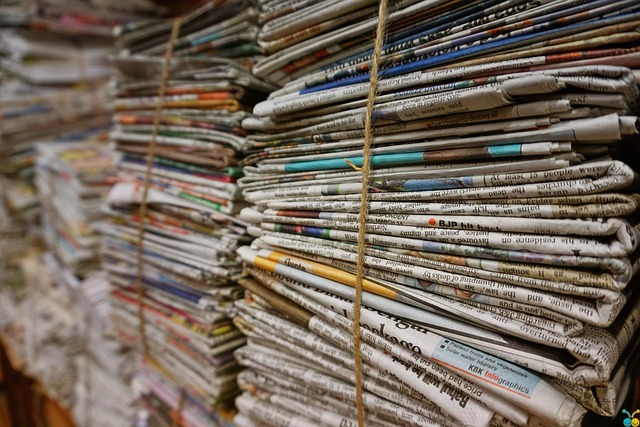
Paper and cardboard recycling facilities focus on high-volume, low-density materials that require efficient handling and compaction. The primary goal of recycling centre equipment in these facilities is to reduce volume while preserving material quality.
Conveyors and sorting tables are commonly used to separate clean paper and cardboard from contaminated waste. Shredders may be used in secure document recycling operations, while dust extraction systems help maintain air quality and reduce fire risk.
Balers are the most critical piece of equipment in paper and cardboard facilities. Vertical and horizontal balers compress material into dense bales for transport and resale, making storage and logistics more efficient for recycling operations.
Final thoughts
Effective recycling depends on using the right tools for the job. Recycling centre equipment plays a critical role in determining how efficiently materials are processed, recovered, and reused.
As recycling facilities continue to evolve, understanding how equipment varies by material type helps operators plan smarter, more sustainable systems that support both environmental and economic goals.