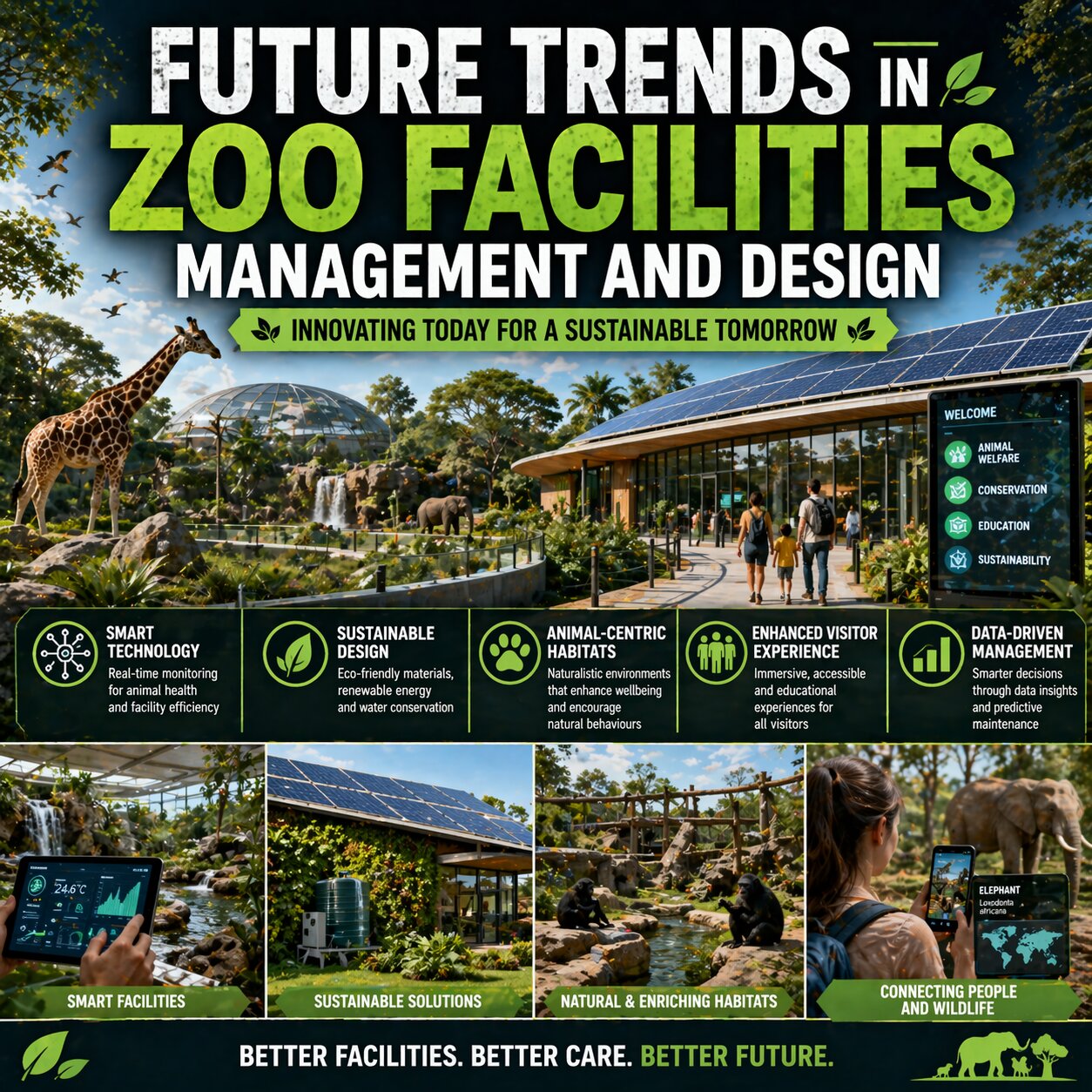
Water plays a critical role in maintaining healthy environments within zoos and wildlife parks. From aquatic exhibits to animal enclosures that rely on pools and streams, clean and well-managed water systems are essential for both animal welfare and environmental sustainability. Without proper filtration, water can quickly become contaminated, posing risks to animals and increasing maintenance challenges.
Zoo habitat water filtration and aquatic systems are designed to replicate natural ecosystems while maintaining strict control over water quality. These systems ensure that animals live in safe, clean conditions that closely resemble their natural habitats. At the same time, they support efficient water use and reduce waste through advanced recycling and treatment processes.
As modern zoos focus more on conservation and sustainability, the importance of reliable water systems continues to grow. Effective filtration not only protects animal health but also contributes to responsible resource management.
What are zoo habitat water filtration systems?
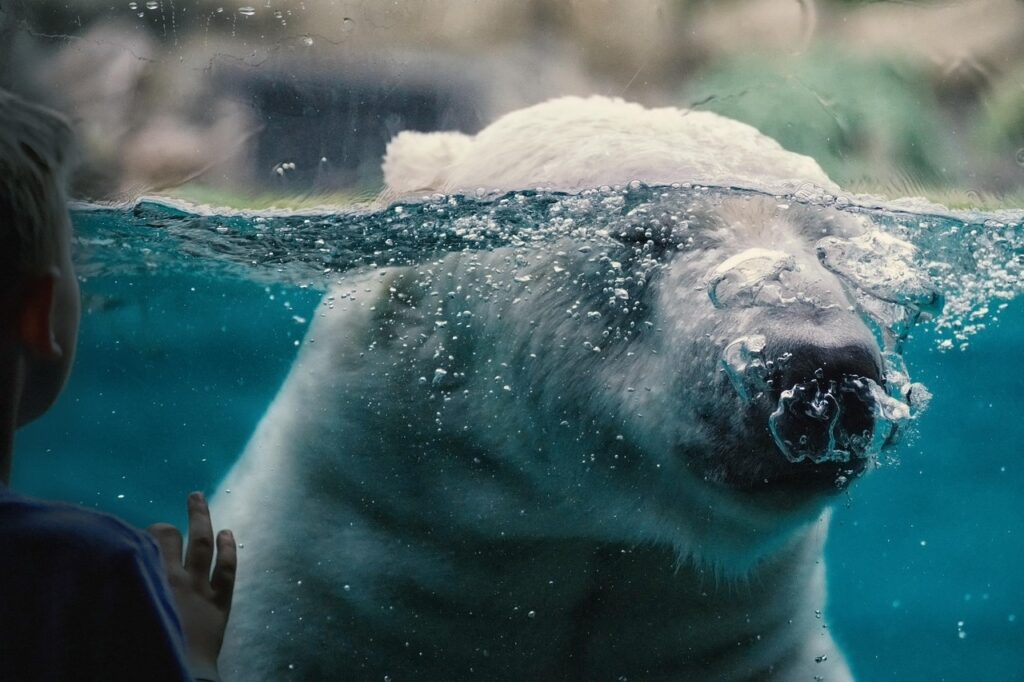
Zoo habitat water filtration systems are specialised setups designed to clean, treat, and circulate water within animal habitats. Unlike natural water sources, these systems operate in controlled environments where water must be continuously filtered to remove waste, bacteria, and contaminants.
These systems often function as closed-loop systems, meaning water is reused rather than constantly replaced. This approach helps conserve water while maintaining consistent quality levels required for animal health.
Zoo habitat water filtration systems are carefully designed based on the specific needs of each habitat. For example, aquatic species may require highly purified water, while larger animals like hippos produce significant waste that demands more robust filtration solutions.
Types of filtration systems used in zoos
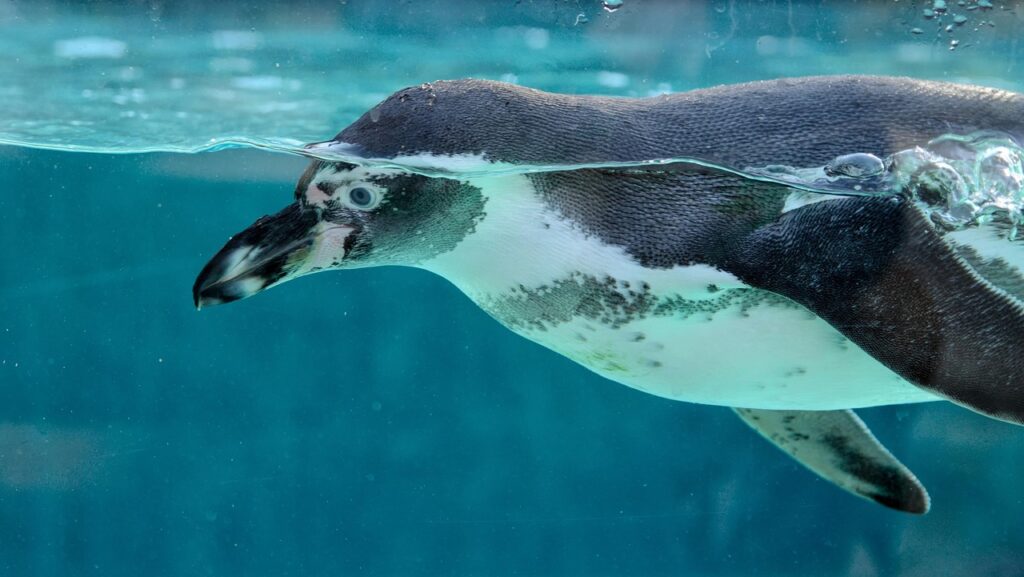
Zoo habitat water filtration systems typically combine multiple filtration methods to achieve optimal water quality.
- Mechanical filtration to remove solid waste and debris
- Biological filtration using beneficial bacteria to break down harmful substances
- Chemical filtration to remove toxins and impurities
- UV sterilisation to eliminate harmful microorganisms
- Ozone systems for advanced disinfection and water clarity
These systems often work together to ensure that water remains clean, balanced, and safe for animals at all times.
Aquatic systems in zoo habitats
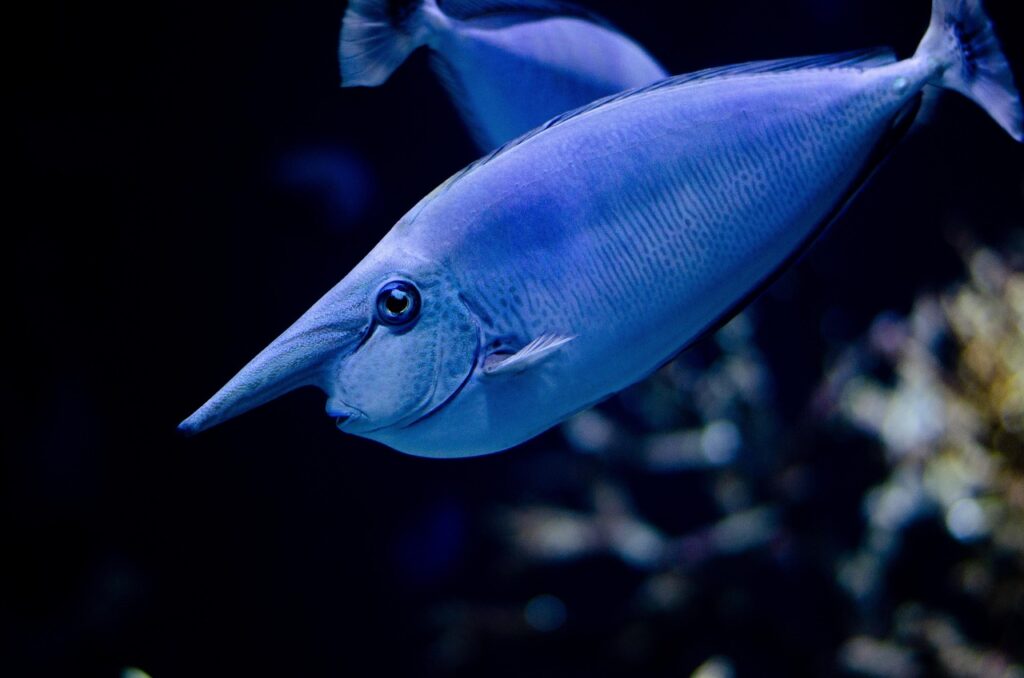
Aquatic systems are a key feature in many zoo habitats, supporting a wide range of species. These systems must be carefully designed to meet the unique needs of each animal while maintaining water quality and environmental balance.
Aquariums are among the most complex systems, requiring precise control of temperature, salinity, and filtration. These environments are designed to mimic natural aquatic ecosystems as closely as possible.
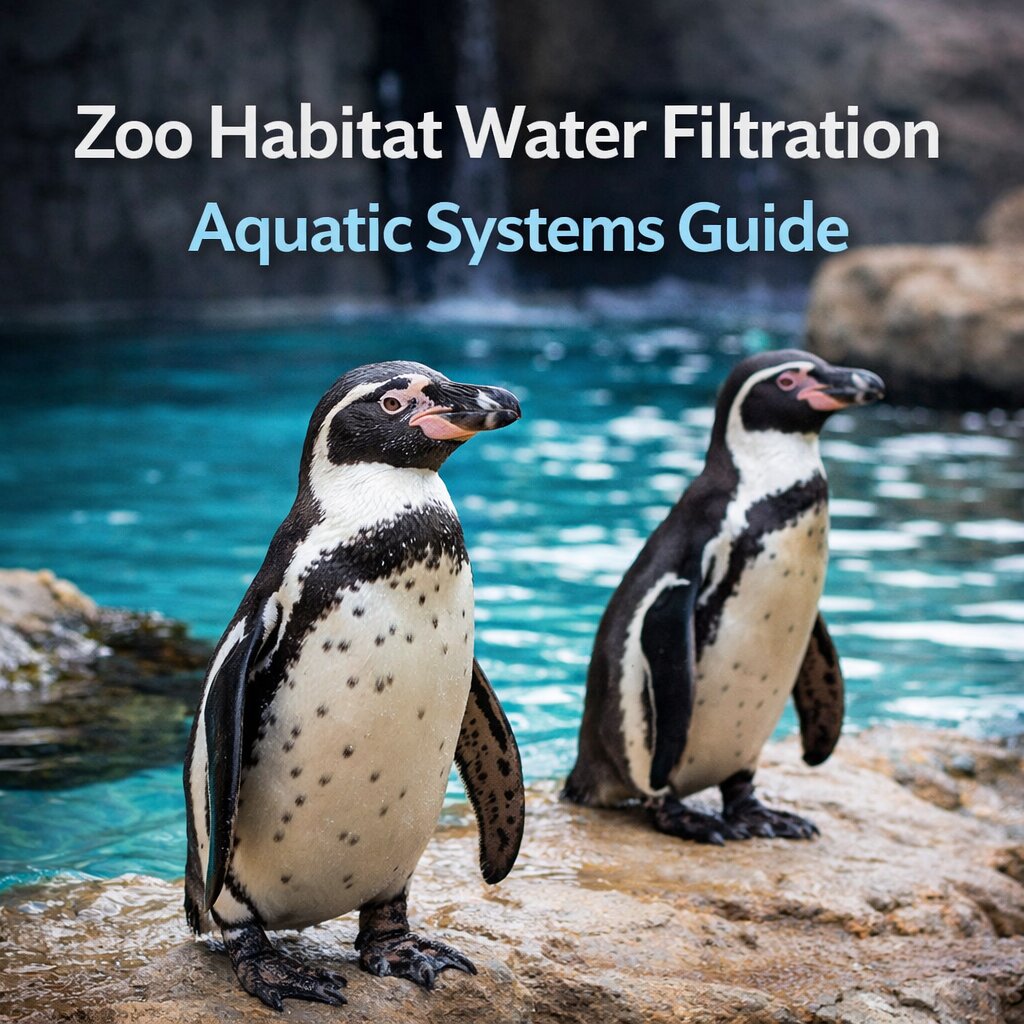
Other habitats, such as penguin enclosures, hippo pools, and reptile water systems, also rely heavily on effective filtration. Each of these environments presents different challenges, from managing waste to maintaining suitable living conditions.
Benefits of advanced filtration systems
Advanced water filtration systems provide several important benefits for zoos and wildlife facilities. The most significant advantage is improved animal health, as clean water reduces the risk of disease and infection.
These systems also support water conservation by recycling and reusing water. This is particularly important in regions where water resources are limited, helping facilities operate more sustainably.
In addition, efficient filtration systems reduce long-term operational costs. By maintaining water quality and reducing the need for frequent replacements, zoos can optimise their resources while maintaining high standards.
Challenges in zoo habitat water filtration systems
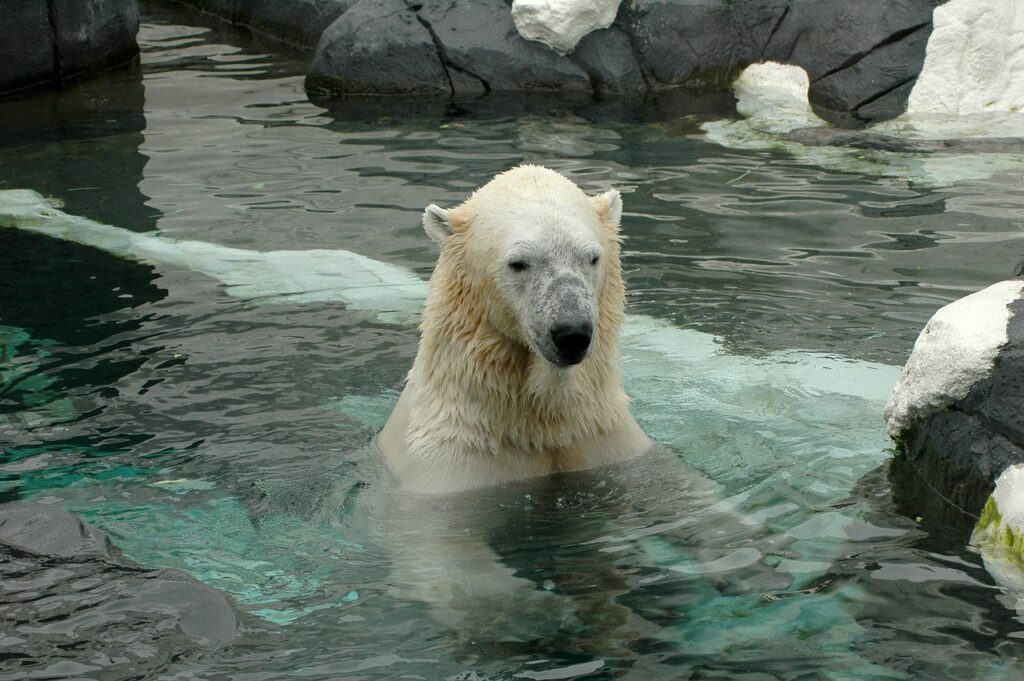
Despite their advantages, zoo habitat water filtration systems come with several challenges. Managing waste is one of the biggest issues, especially in habitats with large animals that produce significant amounts of organic material.
Maintaining proper bacterial balance is also critical. While beneficial bacteria are essential for biological filtration, harmful bacteria must be controlled to prevent health risks.
Large water volumes add another layer of complexity. Systems must be capable of handling high capacities while maintaining consistent performance, which requires regular monitoring and maintenance.
Safety and environmental considerations
Safety is a top priority in zoo habitat water systems. Water quality must meet strict standards to ensure the well-being of animals and the people who care for them.
The use of chemicals must be carefully controlled to avoid harming animals. Filtration systems are designed to use safe treatment methods that maintain water balance without introducing harmful substances.
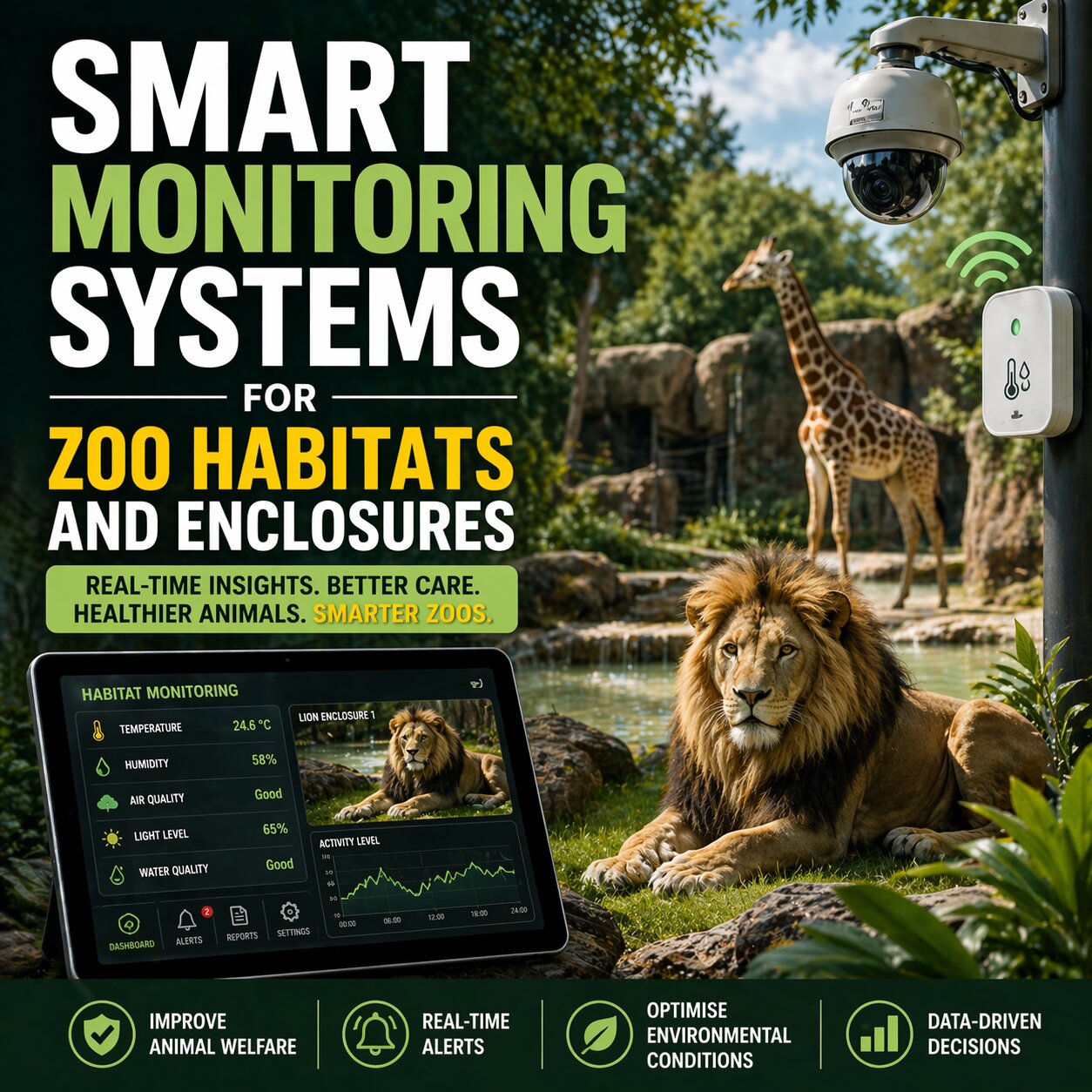
Monitoring systems play a key role in maintaining safety. Sensors and automated controls help track water quality, detect issues early, and ensure that systems operate efficiently.
The future of zoo habitat water filtration systems
The future of zoo habitat water filtration is focused on innovation and sustainability. New technologies are making systems more efficient, reducing energy consumption and improving water quality management.
Smart monitoring systems are becoming more common, allowing operators to track water conditions in real time and make adjustments automatically. This improves reliability and reduces the risk of system failures.
As conservation efforts continue to grow, advanced water systems will play an even greater role in supporting animal care and environmental responsibility. These systems will remain essential for creating safe, sustainable habitats in modern zoos.