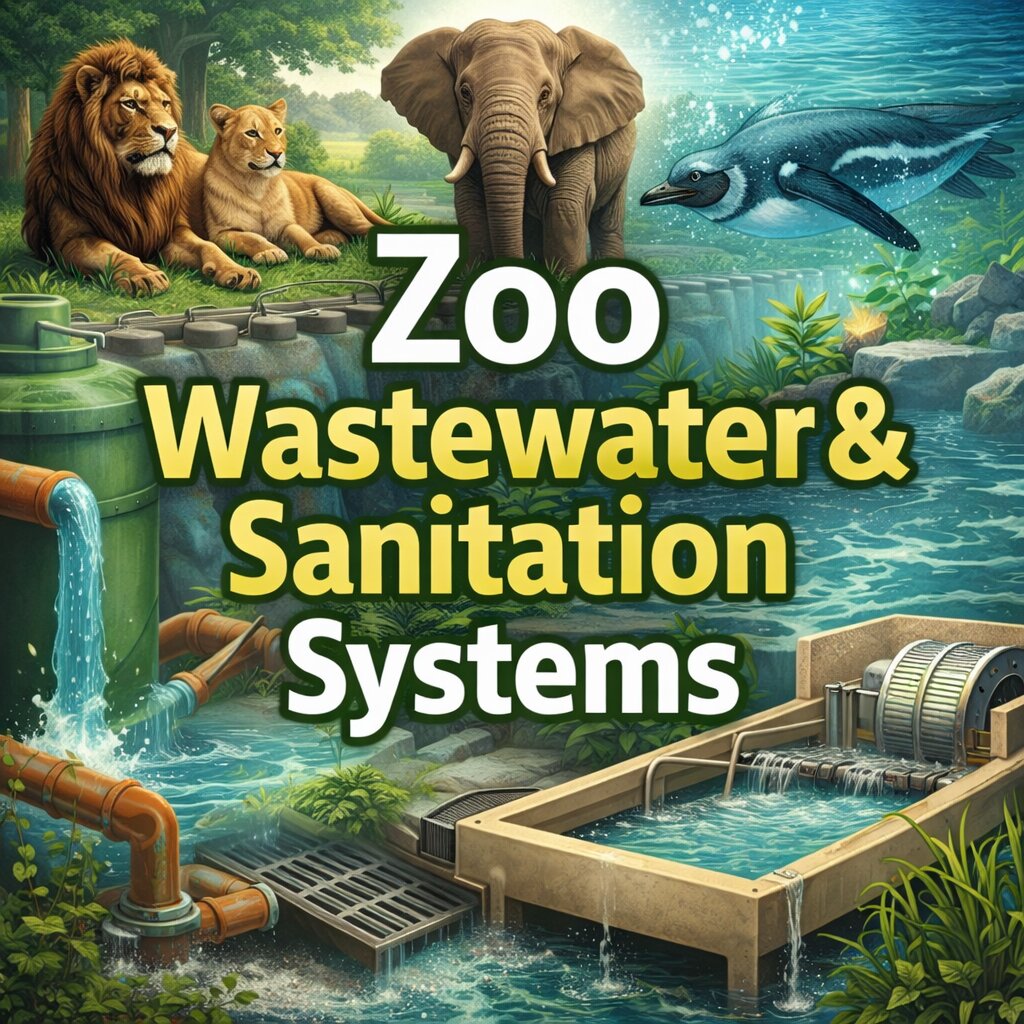
Managing zoo wastewater and sanitation systems is far more complex than in standard facilities. Zoos must handle a unique combination of organic waste, animal by-products, food residue, and public sanitation needs, all while protecting both animal health and surrounding ecosystems. This makes wastewater management a critical component of modern zoo infrastructure.
From large aquatic zoo enclosures to densely populated habitats, sanitation systems must be designed to cope with high volumes, fluctuating loads, and diverse contaminants. In today’s sustainability-driven world, zoos are also expected to implement environmentally responsible solutions that reduce water usage and minimise pollution.
Understanding the complexity of zoo wastewater
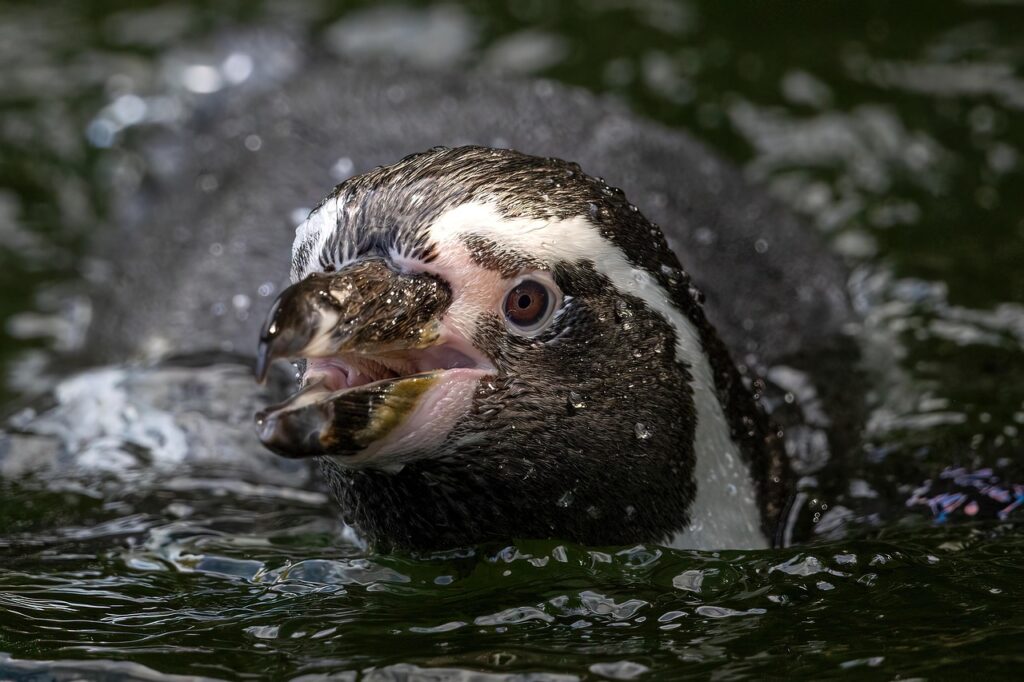
Zoo wastewater is not uniform. It varies significantly depending on the type of animals, enclosure design, and daily operations. Large mammals produce significant amounts of organic waste, while aquatic animals require constant water filtration and recycling systems. Food preparation areas and visitor facilities add further layers to the sanitation challenge.
This diversity means that a one-size-fits-all approach simply does not work. Instead, wastewater systems must be tailored to each section of the zoo. For example, a reptile house will have very different requirements compared to an elephant enclosure or a penguin habitat.
Another important factor is health and safety. Poor sanitation can lead to disease outbreaks among animals and even pose risks to zoo staff and visitors. Effective wastewater systems therefore play a direct role in maintaining biosecurity within the facility.
Key components of effective sanitation systems
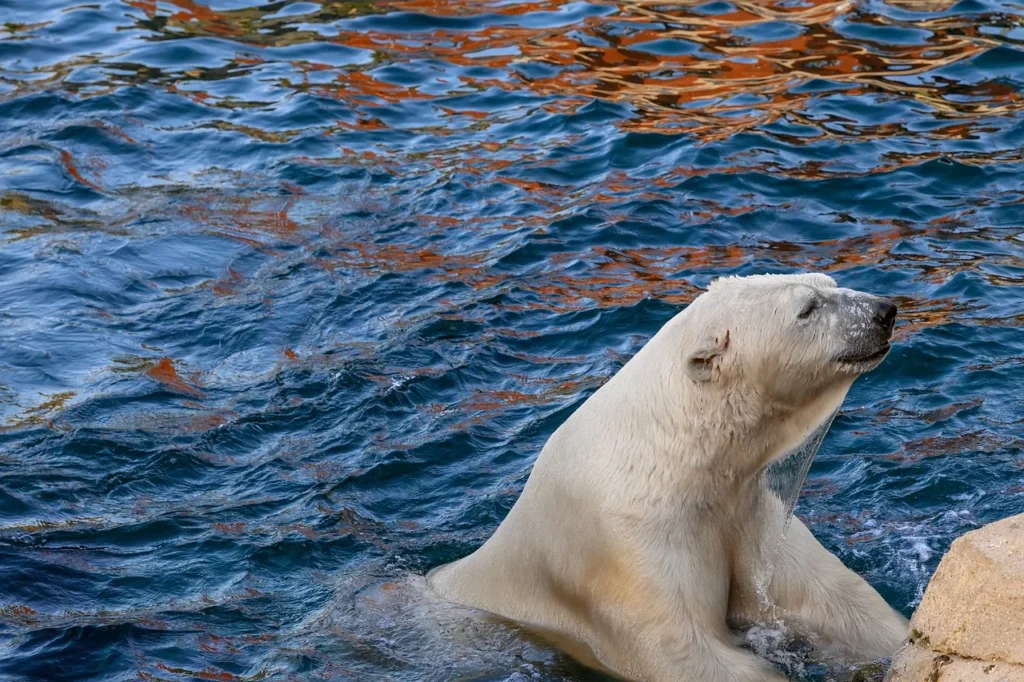
To manage such complexity, modern zoos rely on integrated wastewater and sanitation systems. These systems combine multiple technologies and processes to ensure safe and efficient waste handling.
At the core are drainage networks designed to handle both liquid and semi-solid waste. These systems must be robust enough to prevent blockages while ensuring that waste is transported efficiently to treatment areas. Specialised channels and grates are often used in animal enclosures to separate solids from liquids early in the process.
Treatment facilities are equally important. Many zoos use on-site wastewater treatment plants that include biological filtration, sedimentation, and disinfection stages. These processes remove harmful pathogens and contaminants before water is either reused or safely discharged.
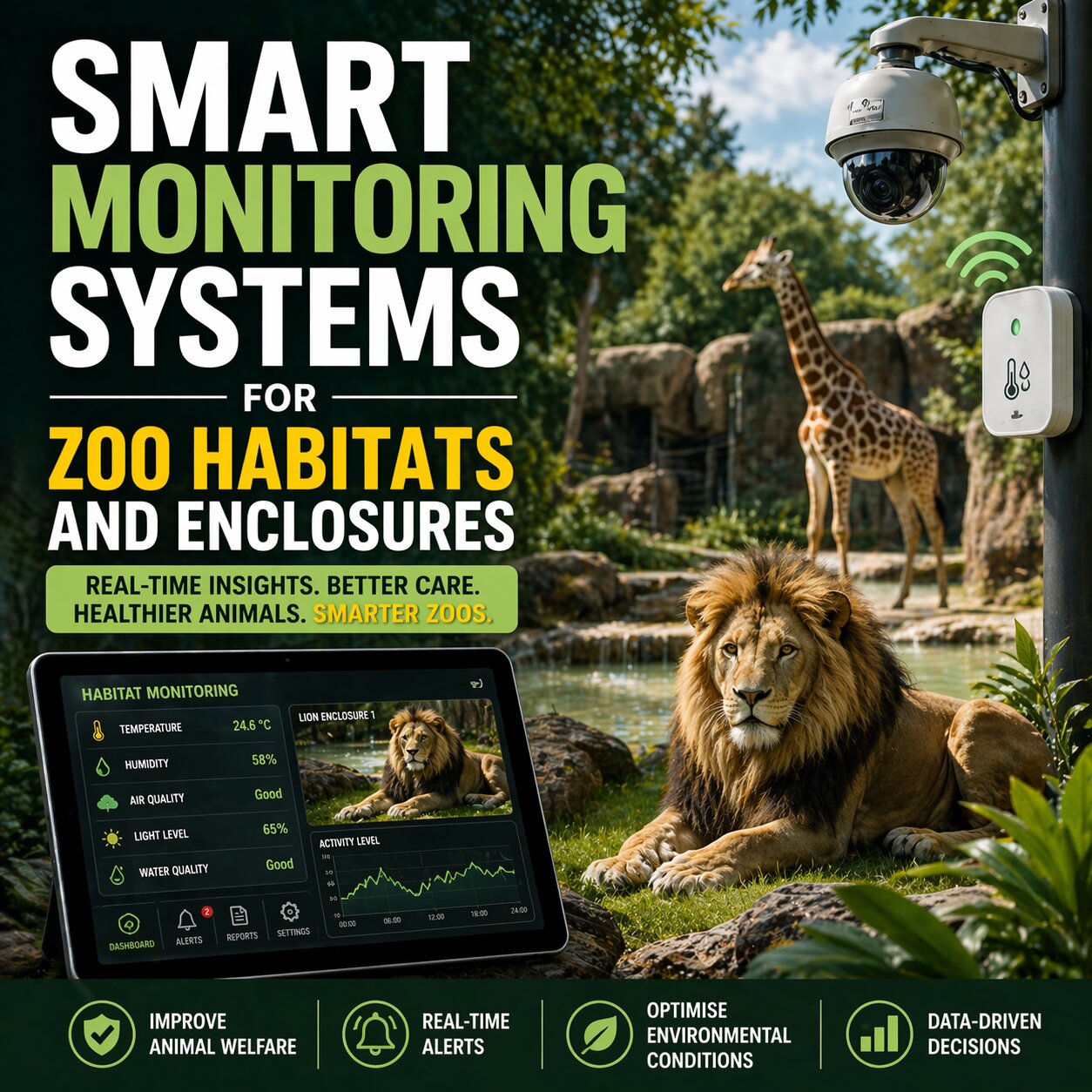
Automation is becoming increasingly common in modern zoo sanitation systems. Sensors and monitoring tools help track water quality, flow rates, and system performance, allowing for quick responses to any issues that arise.
Sustainable approaches to zoo wastewater management
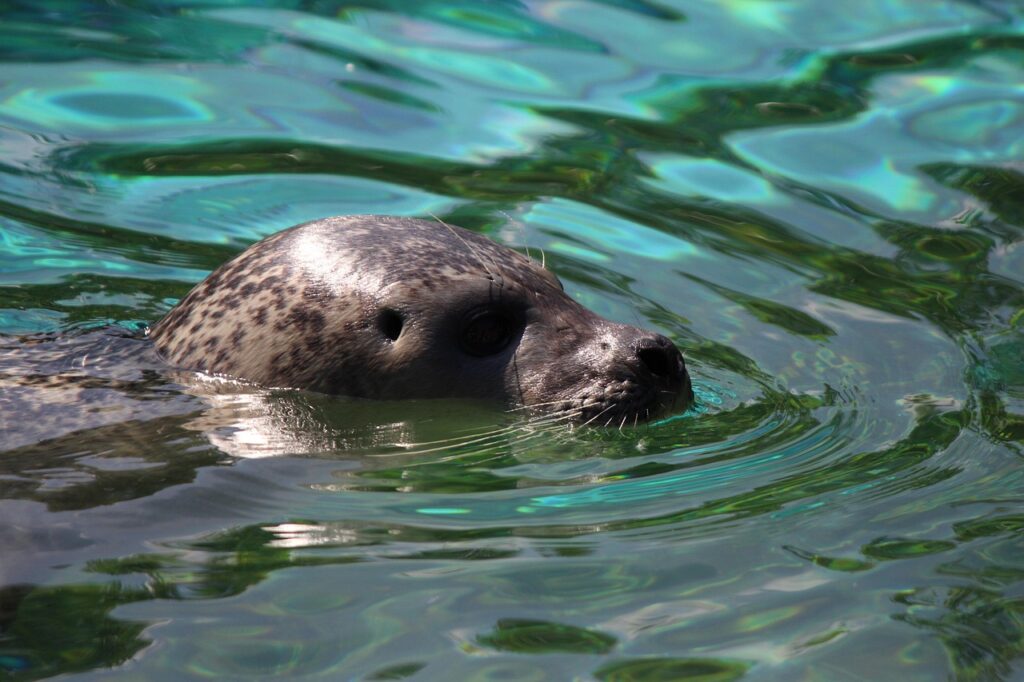
Sustainability is now a major focus in zoo design, and wastewater systems play a key role in achieving environmental goals. Water recycling and reuse are among the most effective strategies, particularly in regions where water scarcity is a concern.
Many zoos implement closed-loop systems for aquatic enclosures, where water is continuously filtered and reused. This not only reduces consumption but also ensures stable conditions for the animals. Rainwater harvesting is another common approach, providing an additional source of water for cleaning and irrigation.
Natural treatment systems, such as constructed wetlands, are also gaining popularity. These systems use plants and microorganisms to naturally filter wastewater, reducing the need for chemical treatments and lowering operational costs.
By adopting these sustainable practices, zoos can significantly reduce their environmental footprint while maintaining high standards of hygiene and animal care.
Critical considerations for design and maintenance
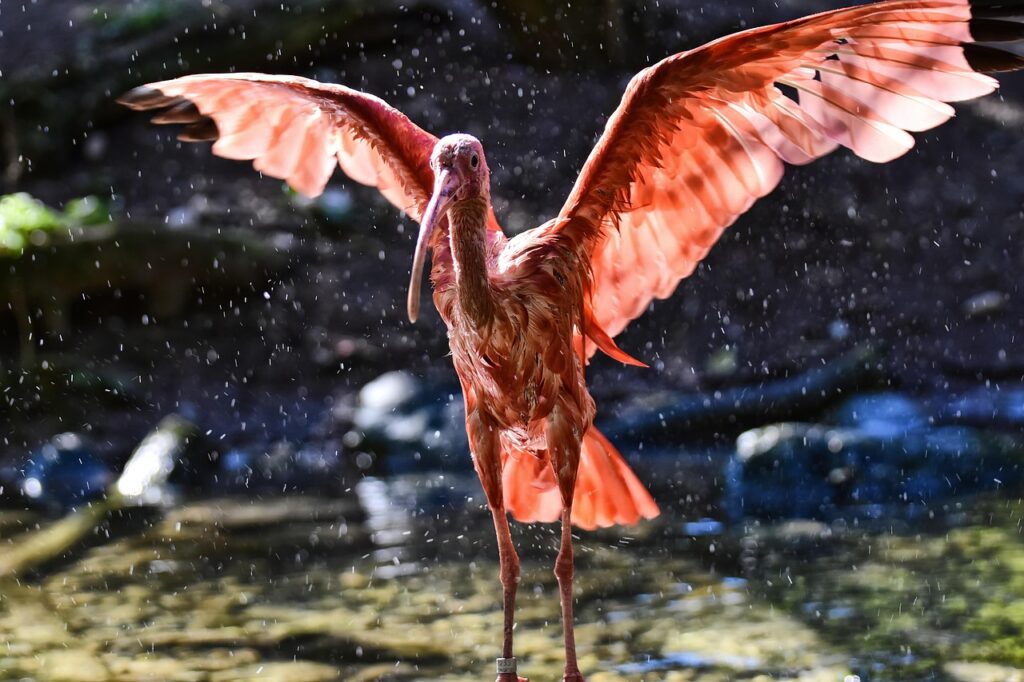
Designing zoo wastewater and sanitation systems requires careful planning and ongoing management. Engineers must consider factors such as animal behaviour, enclosure layout, and peak visitor numbers to ensure the system can handle varying demands.
Regular maintenance is essential to keep systems running smoothly. This includes cleaning drainage channels, inspecting treatment equipment, and monitoring water quality. Preventative maintenance helps avoid costly breakdowns and ensures compliance with environmental regulations.
Here are some key considerations for effective zoo wastewater management:
- Designing systems for different animal types and waste profiles
- Ensuring proper separation of solid and liquid waste
- Implementing reliable filtration and treatment processes
- Monitoring water quality continuously
- Planning for scalability as the zoo expands
Attention to these factors ensures that sanitation systems remain efficient, safe, and sustainable over time.
Supporting animal welfare and environmental responsibility
At its core, effective zoo wastewater and sanitation management is about more than infrastructure. It directly impacts animal welfare, staff safety, and environmental protection. Clean water and hygienic conditions are essential for preventing disease and ensuring animals thrive in their habitats.
For surrounding communities and ecosystems, proper zoo wastewater treatment prevents contamination of local water sources. This is particularly important for zoos located near rivers, wetlands, or urban areas.
As zoos continue to evolve, their approach to sanitation must evolve with them. By investing in advanced zoo wastewater systems and sustainable practices, zoos can meet modern expectations while setting new standards for environmental stewardship.