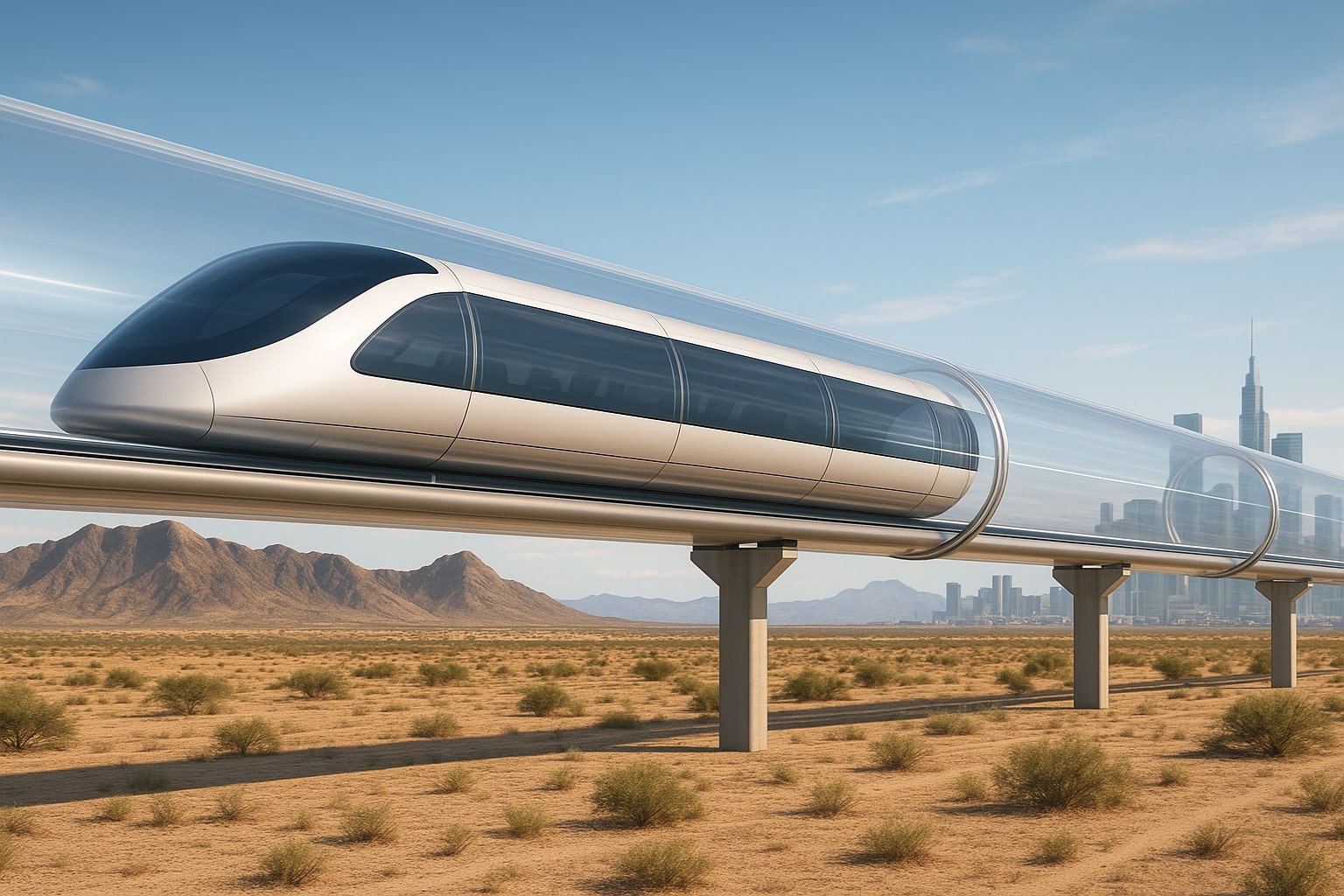
The idea of travelling between cities at airline speeds, but on the ground, sounds like science fiction. Yet this is the promise of Hyperloop technology, a transport system that uses magnetic levitation and low-pressure tubes to move passenger pods at speeds exceeding 1,000 km/h. With Africa’s vast distances and growing urban hubs, many wonder: could Hyperloop be the future of transport on the continent?
What is Hyperloop?
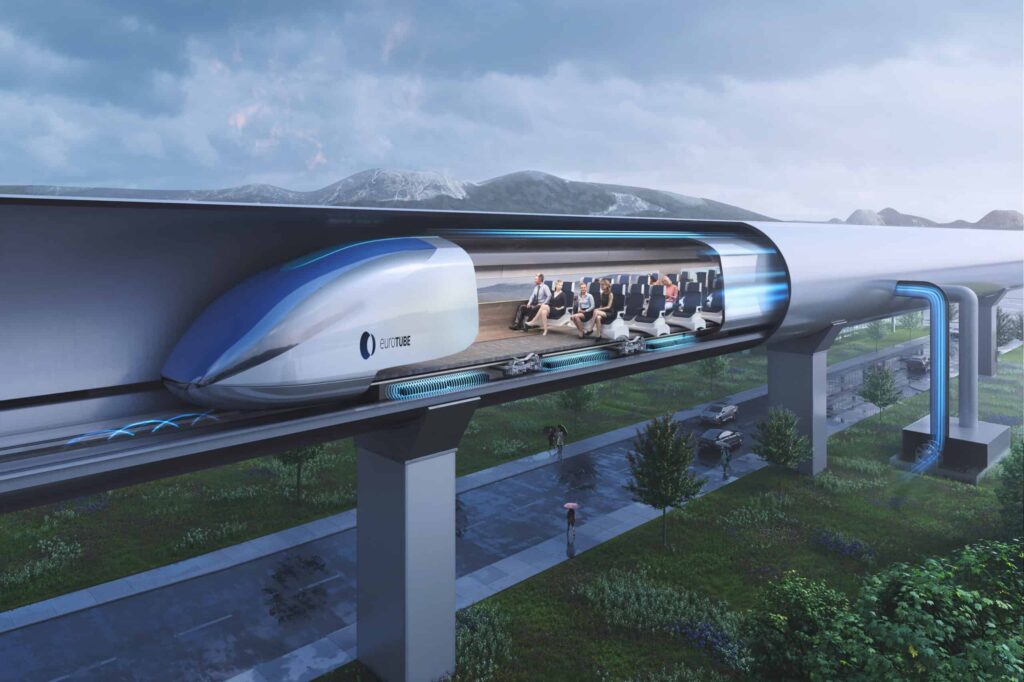
Hyperloop is an advanced transport concept first popularised by Elon Musk in 2013. It involves capsules or pods that move through vacuum-sealed tubes using magnetic levitation, dramatically reducing air resistance. This allows for high-speed, energy-efficient travel that is faster than most trains and even some planes.
Benefits for Africa
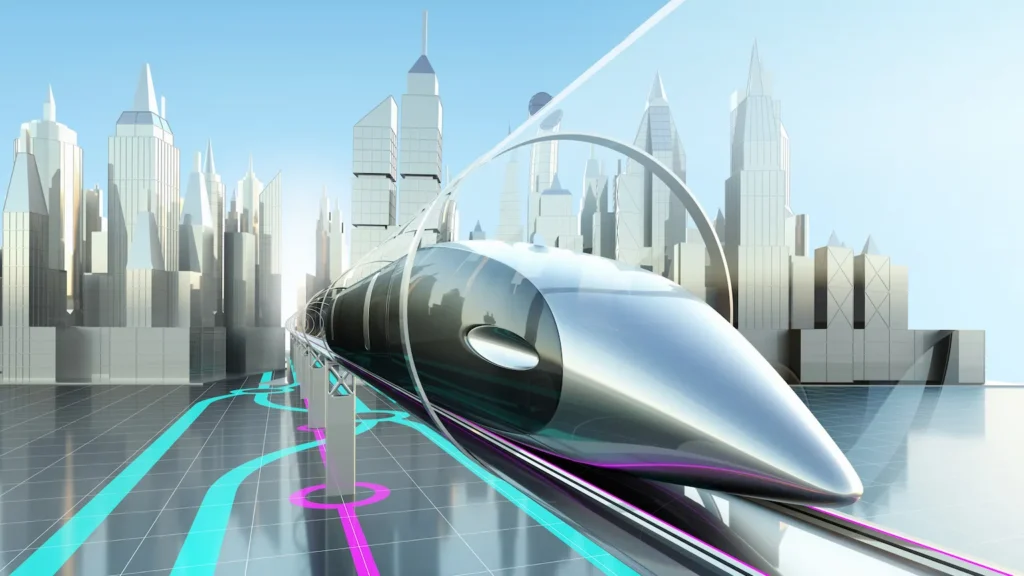
If implemented, HL could transform how Africans travel and do business:
- Reduced travel times: Imagine travelling from Cape Town to Johannesburg in under 90 minutes.
- Lower carbon emissions: Powered by renewable energy, Hyperloop could reduce reliance on air travel and fossil-fuel transport.
- Boosted trade and tourism: Faster connections between cities could stimulate regional economies and attract global investment.
- Reduced congestion: By offering a high-speed alternative, Hyperloop could ease pressure on highways and airports.
The challenges ahead
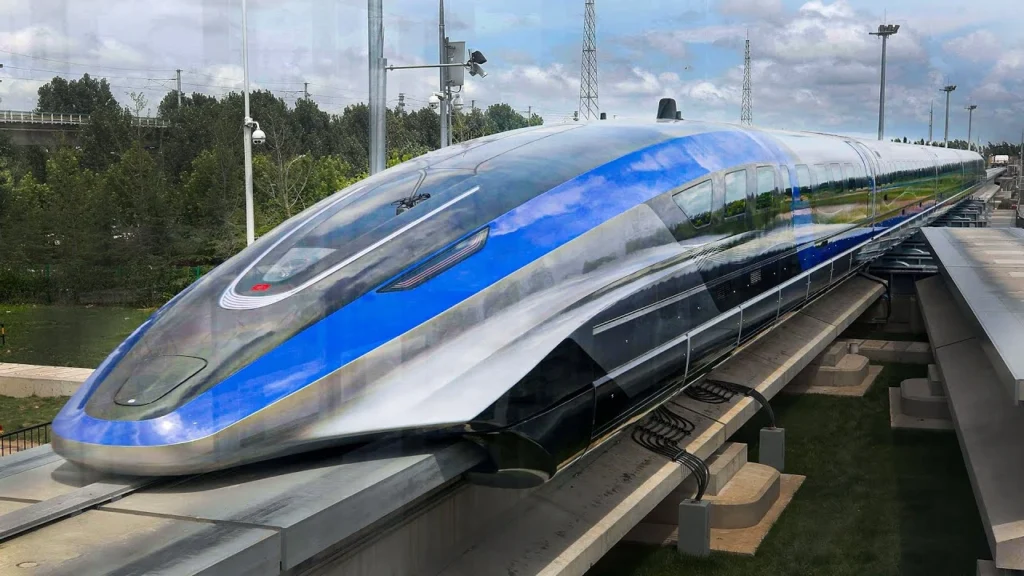
Despite its potential, introducing Hyperloop in Africa faces significant hurdles:
- High costs: Building vacuum tubes over thousands of kilometres would require immense investment.
- Energy demand: Although designed for efficiency, reliable renewable energy sources must be in place to sustain it.
- Land acquisition: Securing long stretches of land for tubes could be challenging in densely populated or environmentally sensitive areas.
- Technology readiness: HL is still in testing stages worldwide, with no full-scale commercial system yet in operation.
Could it happen in South Africa?
South Africa, with its advanced infrastructure compared to many African countries, could be a testing ground. A route between Cape Town, Durban, and Johannesburg would connect three of the busiest economic hubs on the continent. However, with pressing issues like energy shortages and existing transport upgrades, Hyperloop may remain a long-term vision rather than an immediate reality.
Conclusion
Hyperloop technology represents an exciting possibility for Africa’s transport future. While high costs and technical challenges make it unlikely in the short term, the continent’s rapid growth and commitment to sustainable facility solutions may one day open the door to ultra-fast, low-carbon travel. For now, HL remains a dream worth watching.