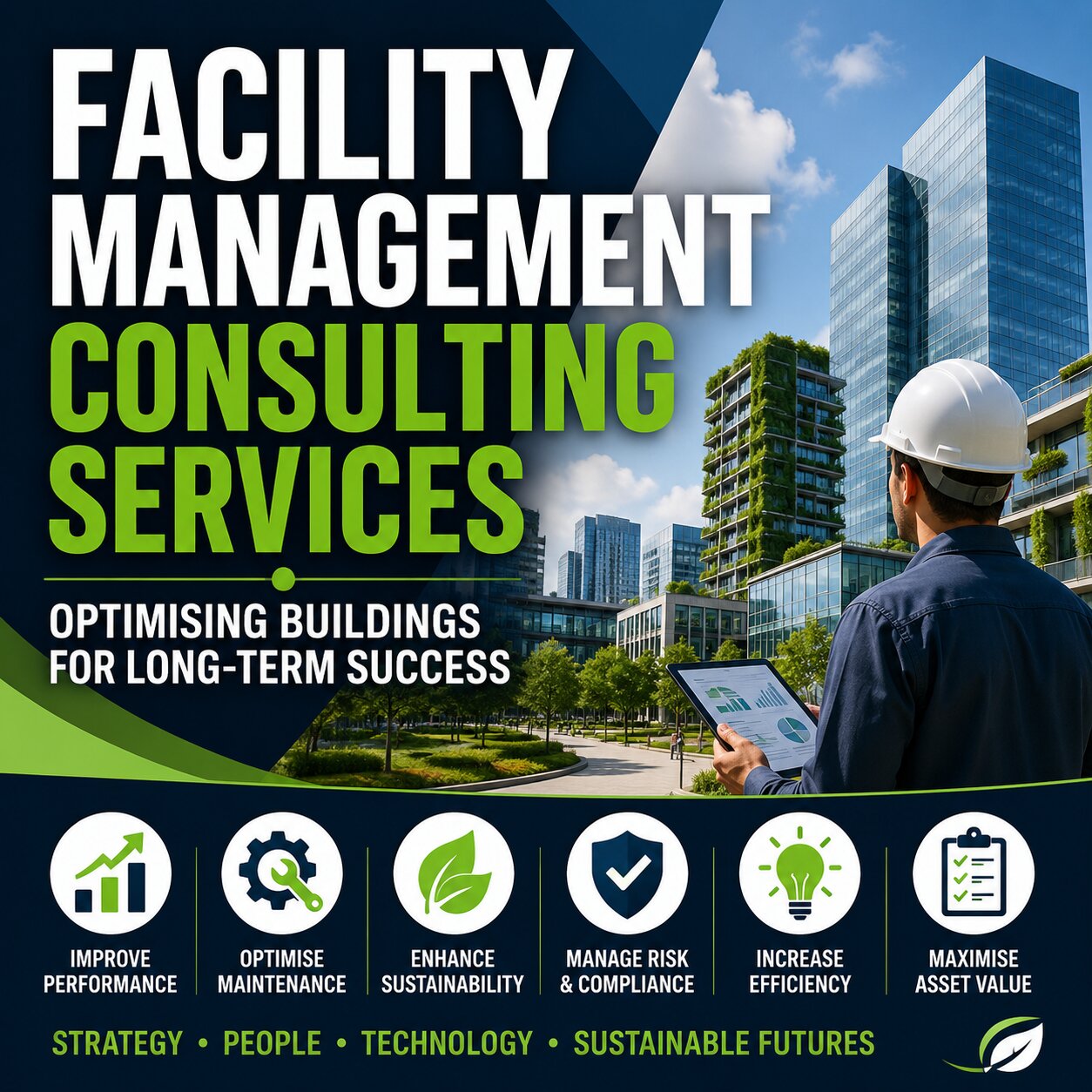
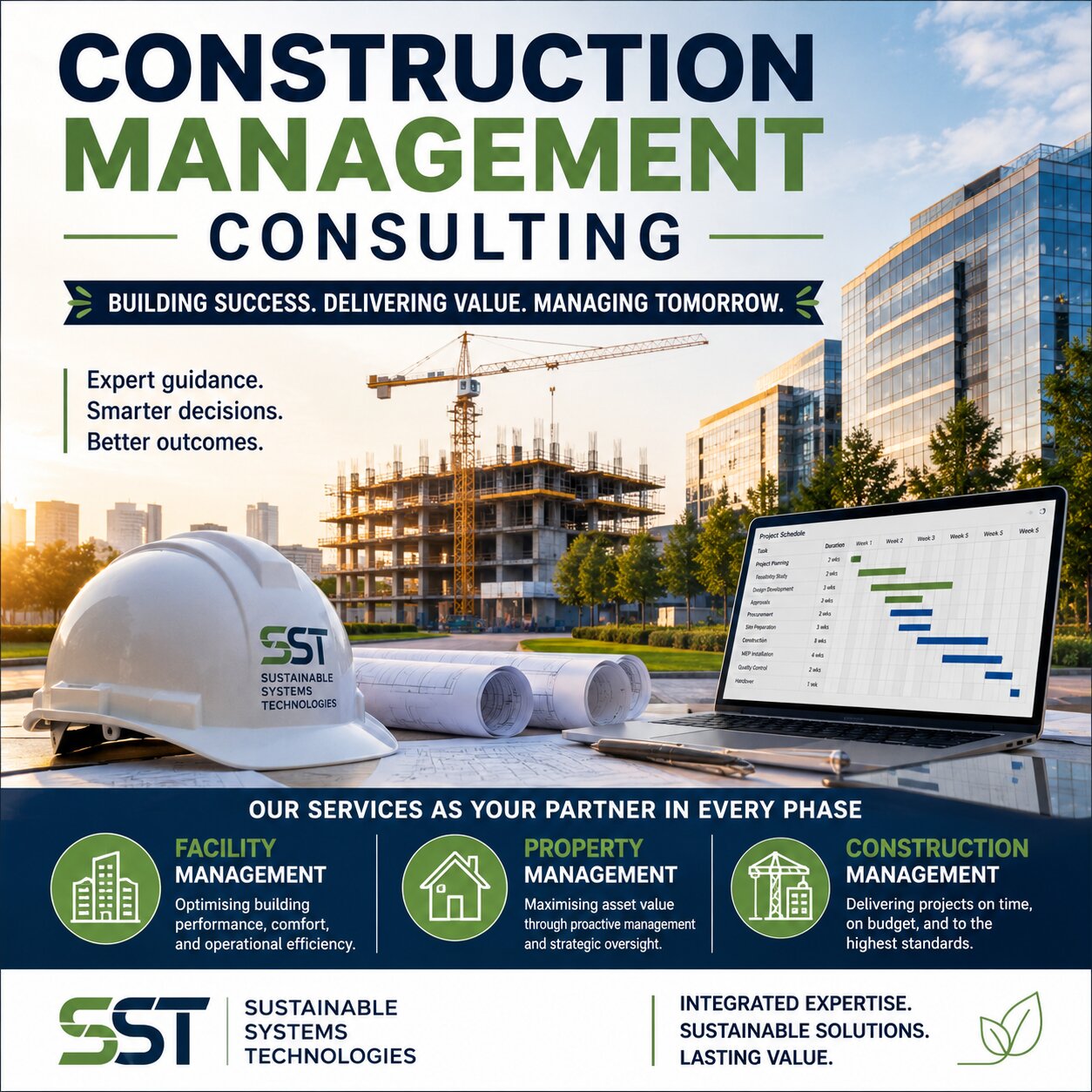
Facilities management trends are rapidly transforming how buildings, workplaces, and infrastructure are managed across the globe. With the rise of digital technologies, sustainability goals, and evolving workforce needs, facilities managers are no longer just responsible for maintenance but also for enabling smarter, more efficient, and people-focused environments. By keeping track of the latest facilities management trends, businesses can ensure they remain competitive, compliant, and sustainable in the years ahead.
Smart building technology

One of the most prominent facilities management trends is the integration of smart building technology. This involves using Internet of Things (IoT) devices, automated systems, and sensors to monitor energy usage, lighting, security, and heating, ventilation, and air conditioning (HVAC). These technologies provide real-time insights that allow facilities managers to reduce operational costs, improve sustainability, and ensure occupant comfort.
Smart building systems also offer predictive capabilities. Instead of reacting to problems after they occur, facilities managers can anticipate maintenance needs, detect inefficiencies early, and make data-driven decisions. This shift from reactive to proactive management is a key development shaping how organisations handle both large office complexes and smaller commercial spaces.
Sustainability and green operations

Another major trend in facilities management is the push toward sustainability. Organisations are under increasing pressure to reduce their carbon footprints, comply with green building certifications, and adopt eco-friendly practices. Facilities management trends now include renewable energy integration, waste reduction, water conservation, and the use of environmentally friendly construction materials. These efforts not only help protect the planet but also lower utility costs over time.
Green operations are also tied to employee well-being. Workspaces that prioritise natural lighting, air quality, and eco-conscious design attract and retain top talent while supporting corporate social responsibility goals. As sustainability continues to dominate global agendas, it will remain at the core of modern facilities management strategies.
Workplace experience and employee focus

Today’s facilities management trends go beyond physical infrastructure to focus on people. The workplace experience has become a top priority, especially in hybrid work models where employees split time between the office and home. Facilities managers are now tasked with creating environments that enhance productivity, collaboration, and employee satisfaction.
This includes flexible workspaces, wellness initiatives, ergonomic furniture, and advanced booking systems that optimise space usage. By paying attention to workplace experience, facilities managers play a strategic role in shaping company culture and ensuring that physical environments align with organisational goals.
Technology-driven maintenance

Predictive and preventive maintenance has become central to the latest facilities management trends. By harnessing data analytics, artificial intelligence (AI), and IoT, organisations can anticipate equipment failures before they occur. This not only reduces downtime but also extends the lifespan of assets, saving money on expensive replacements.
Facilities managers who adopt technology-driven maintenance practices benefit from increased reliability, safety, and compliance. Digital tools and building management software further streamline tasks such as scheduling, reporting, and performance tracking. These innovations free up resources and allow teams to focus on more strategic initiatives rather than day-to-day problem-solving.
Integrated facilities management

The move toward integrated facilities management (IFM) is another trend reshaping the industry. Instead of outsourcing multiple service providers for cleaning, maintenance, security, and catering, organisations now prefer a single provider that delivers a full spectrum of services. This approach simplifies processes, reduces costs, and ensures consistency across all facilities-related functions.
IFM also creates opportunities for stronger partnerships between service providers and clients. With streamlined communication and unified reporting, organisations gain better visibility into their operations. This enables continuous improvement and helps facilities managers align services with long-term business objectives.
Conclusion: Embracing facilities management trends for the future
Facilities management trends are redefining the way organisations approach workplace efficiency, sustainability, and employee experience. From smart building technology to integrated services, these innovations empower businesses to cut costs, boost productivity, and meet environmental goals.
As new technologies and workplace models continue to emerge, facilities managers who embrace these trends will be best positioned to lead their organisations into a smarter and more sustainable future.