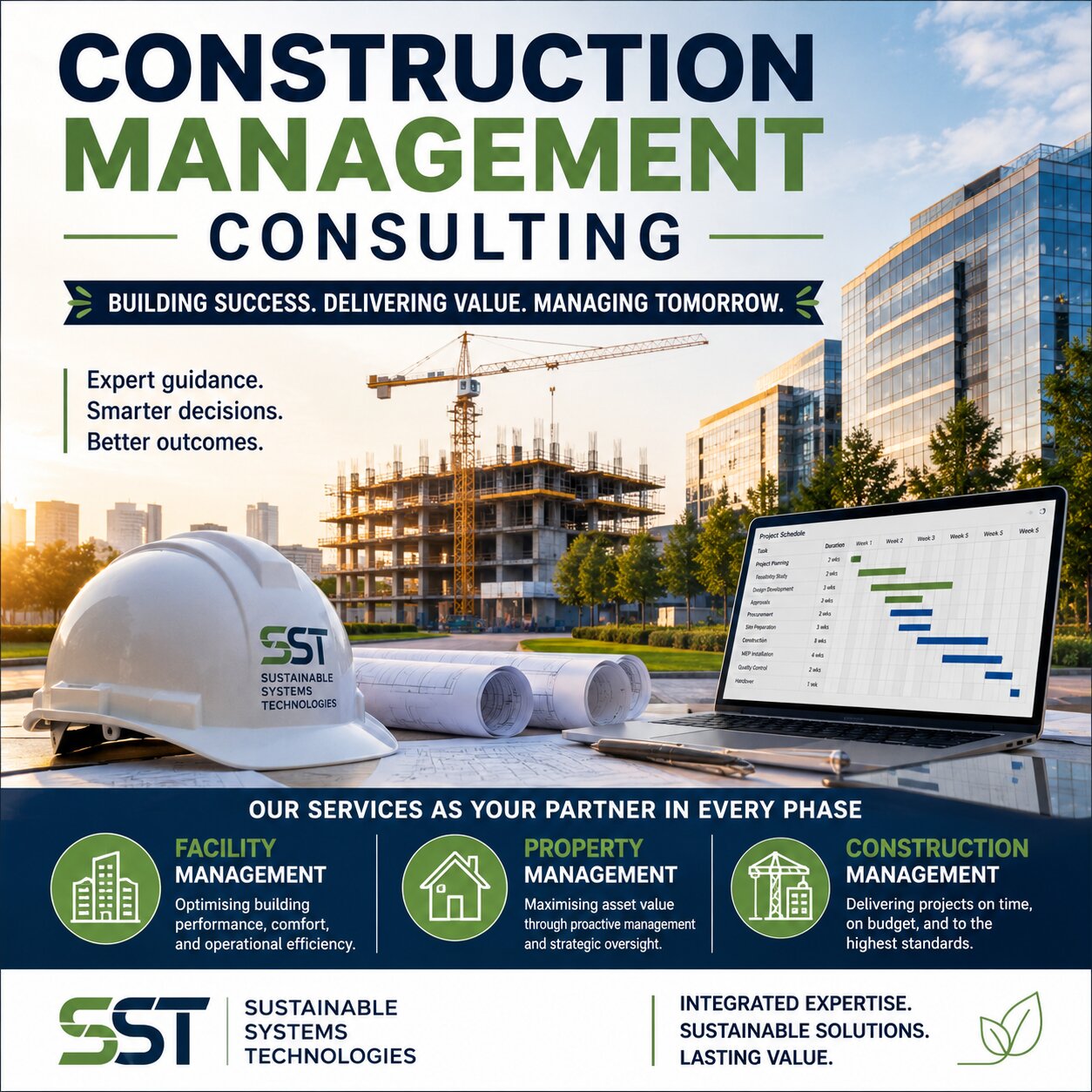
Integrated Facilities Management (IFM) has become one of the most efficient approaches to managing buildings, assets, and services under one coordinated system. Instead of dealing with multiple service providers, businesses can streamline operations, reduce costs, and improve workplace experiences by relying on a single, unified management structure.
This approach combines everything from maintenance and security to cleaning and energy efficiency under one strategy.
What is Integrated Facilities Management?

At its core, IFM brings together all the essential functions that keep a property running smoothly. Traditionally, companies hired separate providers for services like cleaning, security, and maintenance. With IFM, these functions are merged and overseen by a single facilities management team, creating better coordination and communication.
By centralising responsibilities, Integrated Facilities Management ensures consistency, accountability, and strategic planning. It eliminates duplication, saves money, and improves service delivery across the board, which is why more businesses are making the shift.
The Benefits of Integrated Facilities Management

One of the biggest advantages of Integrated Facilities Management is cost efficiency. By consolidating contracts and services, companies can reduce administrative expenses and negotiate better rates. Additionally, having a single point of contact simplifies communication, making it easier to resolve issues quickly.
Another major benefit is improved workplace productivity. When services are integrated, employees experience a seamless environment, from well-maintained offices to reliable security. This fosters a safer, cleaner, and more comfortable workspace, directly impacting overall performance and employee satisfaction.
Technology in Integrated Facilities Management

Modern IFM relies heavily on technology. From computer-aided facilities management (CAFM) software to smart sensors and IoT devices, technology allows managers to monitor performance, track energy usage, and predict maintenance needs in real time.
These tools not only enhance efficiency but also enable data-driven decision-making. Facility managers can optimise energy consumption, extend asset lifecycles, and reduce downtime, ensuring that the facility operates at peak performance.
Sustainability and Integrated Facilities Management

Sustainability is another key driver of Integrated Facilities Management. By consolidating services, companies can implement green initiatives more effectively, such as waste reduction, renewable energy integration, and eco-friendly cleaning practices.
This not only lowers operational costs but also enhances a company’s reputation. Clients and employees increasingly value sustainability, and an IFM strategy can align facility operations with environmental goals while ensuring compliance with regulations.
Conclusion: Why Integrated Facilities Management Matters
Integrated Facilities Management is more than just a cost-saving solution; it’s a strategy that drives efficiency, innovation, and sustainability. By combining multiple services under one coordinated system, businesses can reduce expenses, improve employee experiences, and embrace technology for smarter decision-making.
As organisations continue to prioritise streamlined operations, Integrated Facilities Management will play an increasingly vital role in shaping the future of workplace environments.