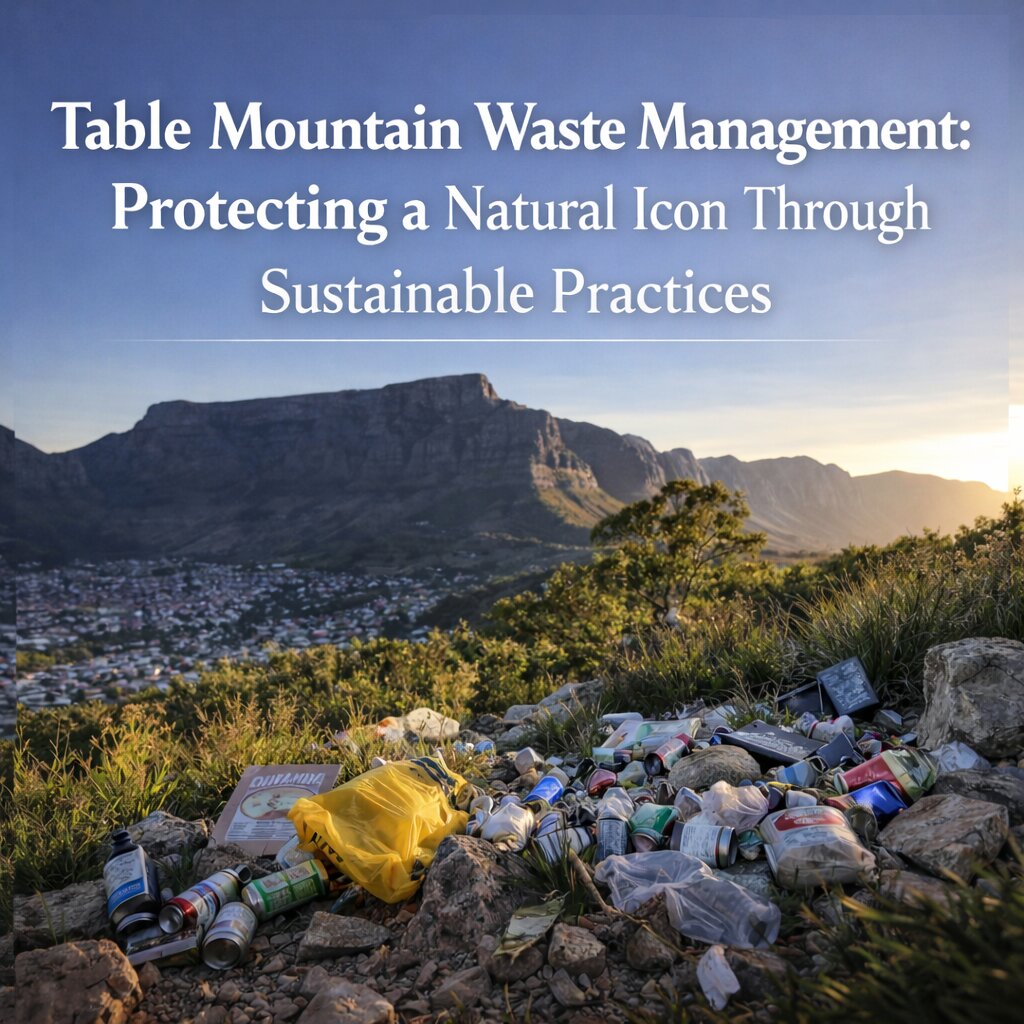
Table Mountain waste management plays a critical role in protecting one of South Africa’s most iconic natural landmarks. As a globally recognised tourist destination and a vital ecological area, Table Mountain attracts millions of visitors each year. With that popularity comes a serious responsibility to manage waste effectively, minimise environmental impact, and preserve the mountain for future generations.
Effective waste management on Table Mountain is not just about keeping paths clean. It is about safeguarding biodiversity, preventing pollution, reducing fire risk, and maintaining the integrity of a protected natural environment that forms part of the Table Mountain National Park.
Why waste management is critical on Table Mountain
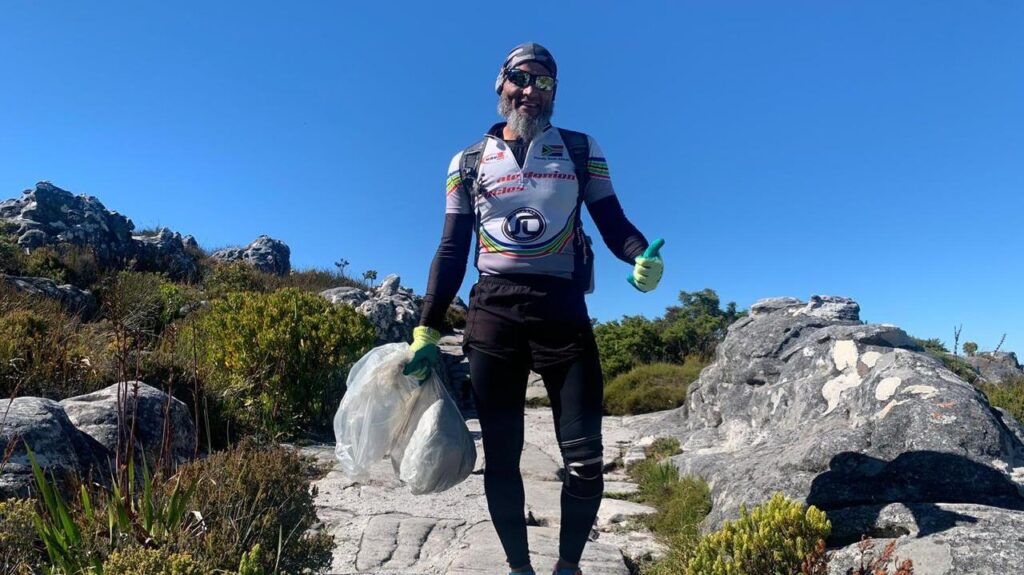
Table Mountain is home to a unique ecosystem, including rare fynbos species found nowhere else in the world. Improper waste disposal threatens this fragile environment through soil contamination, water pollution, and harm to wildlife. Plastics, food waste, and non-biodegradable materials can remain in the ecosystem for decades if not properly managed.
High visitor numbers amplify the challenges with Table Mountain waste management. Hiking trails, cableway stations, picnic areas, and parking zones all generate waste, especially during peak tourist seasons. Without structured waste management systems, litter accumulation can quickly overwhelm natural areas and damage the visitor experience.
Key waste challenges on the mountain

One of the primary challenges in Table Mountain waste management is accessibility. Many areas can only be reached on foot, making waste collection labour-intensive and logistically complex. In some cases, waste must be carried out manually or transported using specialised vehicles to minimise environmental disruption.
Another challenge is visitor behaviour. Despite signage and awareness campaigns, littering still occurs. Food packaging, plastic bottles, and cigarette waste are among the most common issues. Wind can further spread improperly disposed waste across wide areas, making cleanup more difficult.
Fire risk is also closely linked to waste management. Discarded glass and cigarette butts can contribute to fires, which pose a major threat to the mountain’s ecosystem and surrounding communities.
Sustainable waste management practices in place
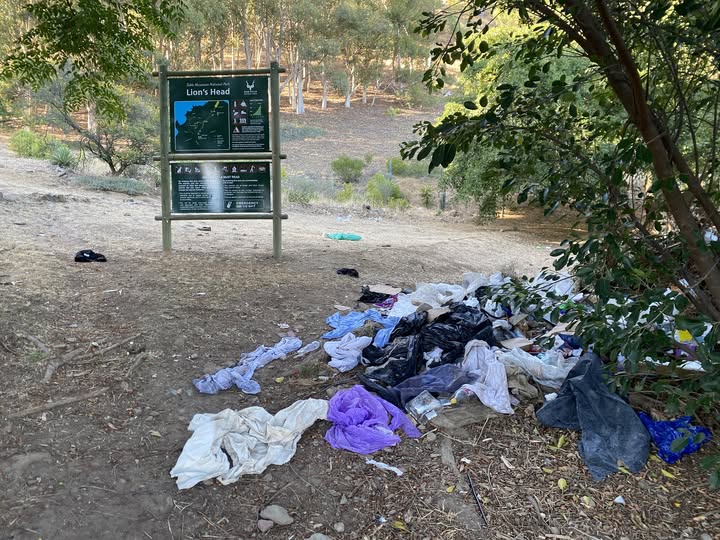
Table Mountain waste management relies heavily on prevention, education, and controlled disposal. Waste separation at source is encouraged in high-traffic areas, with clearly marked bins for recyclables and general waste. In sensitive zones, a carry-in, carry-out policy is often promoted to reduce the need for bins altogether.
Regular cleanup operations are conducted by park management teams and environmental workers. These efforts focus on trail maintenance, hotspot cleanup zones, and post event waste removal. Recycling initiatives aim to divert as much waste as possible away from landfills, supporting broader sustainability goals.
Public education remains a cornerstone of the strategy with Table Mountain waste management. Visitors are encouraged to plan ahead, minimise waste brought onto the mountain, and take responsibility for removing what they bring with them.
The role of visitors and organisations

Effective Table Mountain waste management depends not only on park authorities but also on visitors, tour operators, and nearby businesses. Responsible tourism practices play a vital role in reducing waste generation at the source.
Visitors can contribute by choosing reusable containers, avoiding single-use plastics, and adhering to waste guidelines on the mountain. Tour operators and event organisers are increasingly expected to follow strict waste management plans when operating in or near protected areas.
Long-term sustainability and environmental protection
Waste management on Table Mountain is part of a broader sustainability and conservation strategy. By reducing pollution and maintaining clean natural spaces, these efforts support biodiversity conservation, climate resilience, and the long term viability of eco tourism.
As visitor numbers continue to grow, ongoing investment in waste management infrastructure, education, and monitoring will remain essential. Protecting Table Mountain requires a balance between access and preservation, with waste management serving as a key pillar of that balance.
Through responsible planning and shared responsibility, Table Mountain waste management helps ensure that this natural landmark remains clean, safe, and ecologically healthy for generations to come.