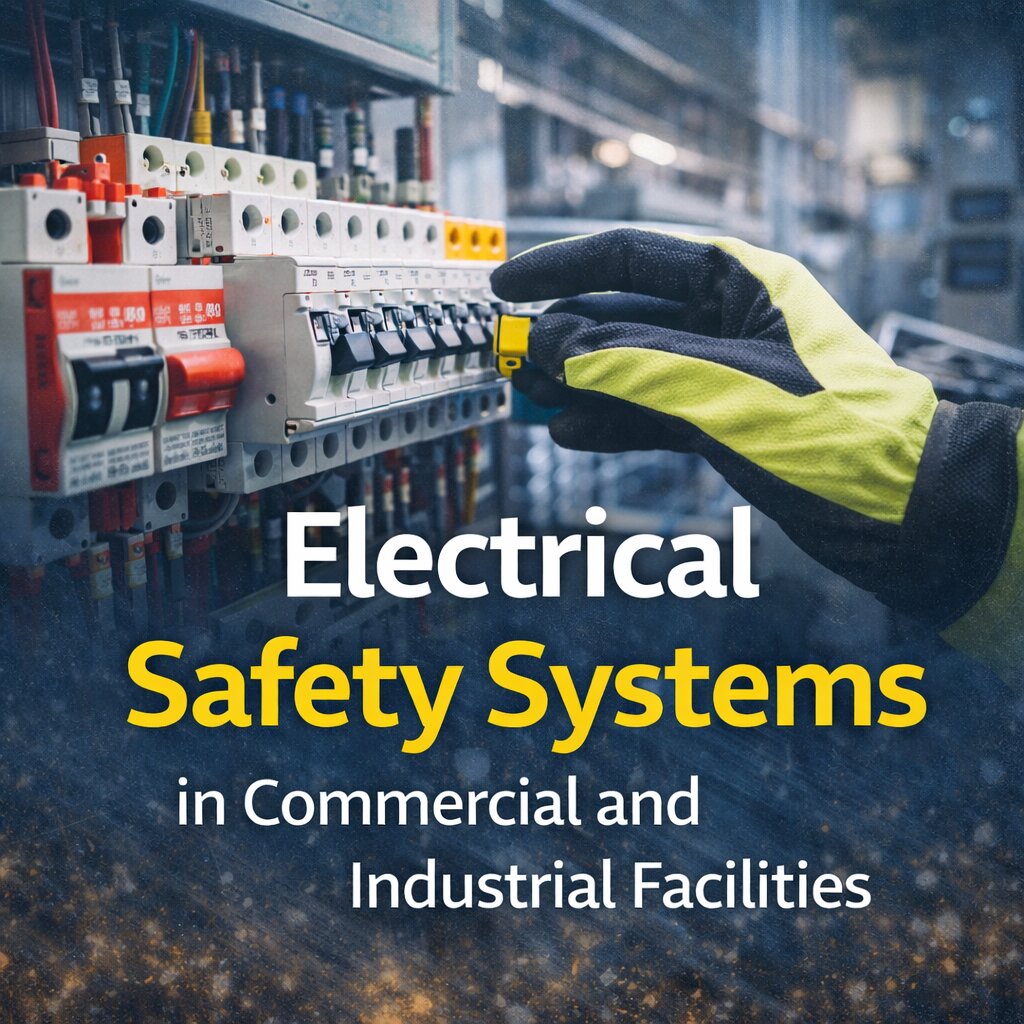
Electrical safety systems are critical for protecting people, equipment, and infrastructure in commercial and industrial environments. With high power demands, complex installations, and continuous operations, these facilities face greater risks if electrical systems are not properly managed.
From preventing fires and equipment damage to ensuring compliance with safety regulations, electrical safety systems form the backbone of a secure working environment. Understanding how these systems work and why they matter is essential for any business operating at scale.
What are electrical safety systems?
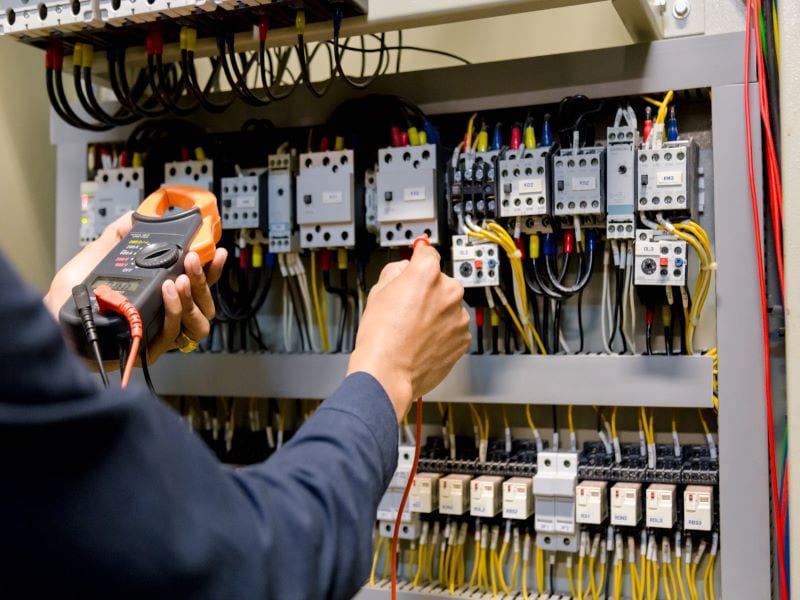
Electrical safety systems refer to the technologies, devices, and protocols designed to detect, prevent, and respond to electrical hazards. These systems are integrated into a facility’s electrical infrastructure to minimise risks such as electric shock, short circuits, overloads, and fires.
They include both physical components, such as circuit breakers and surge protectors, and procedural elements like safety protocols and maintenance routines. Together, these measures ensure that electrical systems operate within safe limits.
In commercial and industrial settings, electrical safety systems must handle higher voltages and more complex networks compared to residential environments. This makes their design and implementation even more important.
Ultimately, these systems are not just about compliance. They are about creating a safe, reliable environment where operations can continue without interruption.
Why electrical safety systems are essential in large facilities
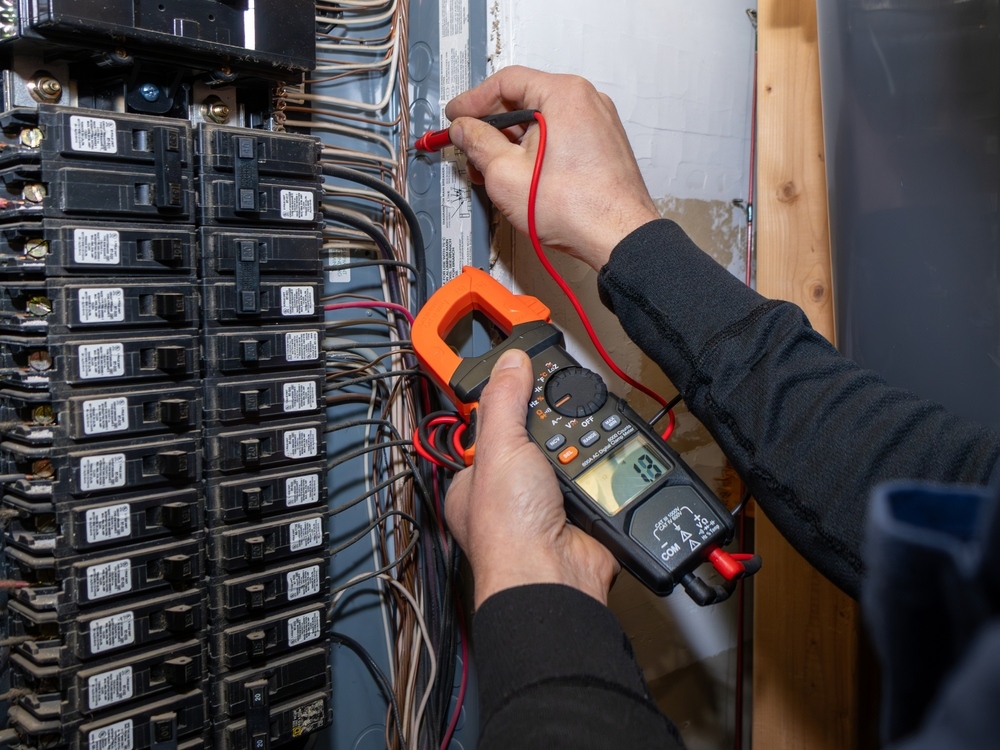
Commercial and industrial facilities rely heavily on electrical power to run machinery, lighting, HVAC systems, and digital infrastructure. Any failure or hazard in the electrical system can lead to significant downtime, financial loss, or even injury.
Electrical safety systems help prevent accidents by automatically detecting faults and isolating affected areas. This rapid response reduces the risk of widespread damage and ensures that issues are contained quickly.
They also play a key role in protecting expensive equipment. Voltage spikes, overloads, and short circuits can damage machinery, leading to costly repairs or replacements. Safety systems act as a first line of defence against these risks.
In addition, compliance with safety regulations is a major consideration. Properly implemented electrical safety systems help businesses meet legal requirements and industry standards, reducing liability and ensuring safe operations.
Key components of electrical safety systems
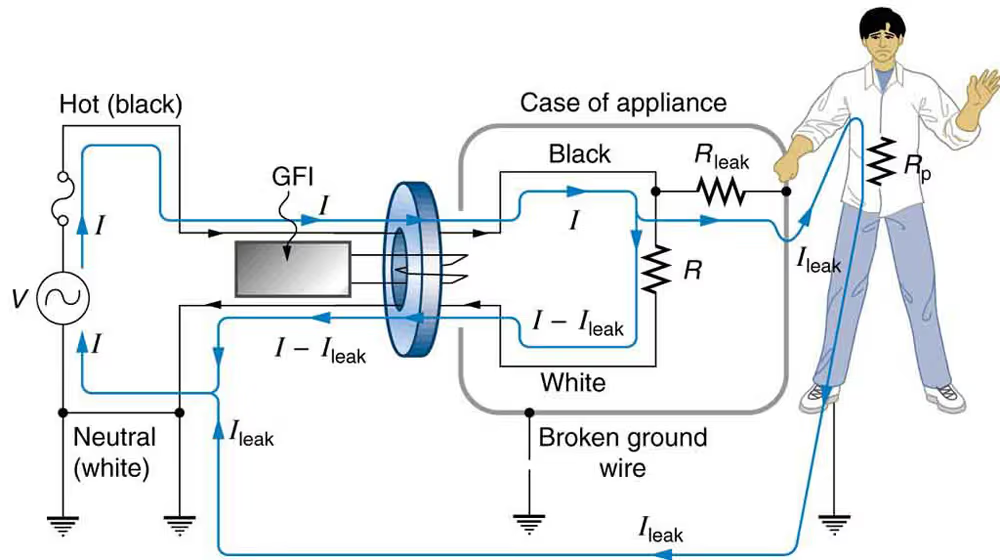
Electrical safety systems consist of multiple components working together to provide comprehensive protection. Each plays a specific role in maintaining system stability and preventing hazards.
- Circuit breakers and fuses to prevent overloads and short circuits
- Residual current devices (RCDs) to protect against electric shock
- Surge protection devices to guard against voltage spikes
- Earthing and grounding systems for safe fault current dissipation
- Arc fault detection systems to identify dangerous electrical arcs
- Monitoring systems for real-time fault detection and alerts
These components form a layered defence system, ensuring that potential issues are detected and managed before they escalate into serious problems.
Best practices for implementing electrical safety systems
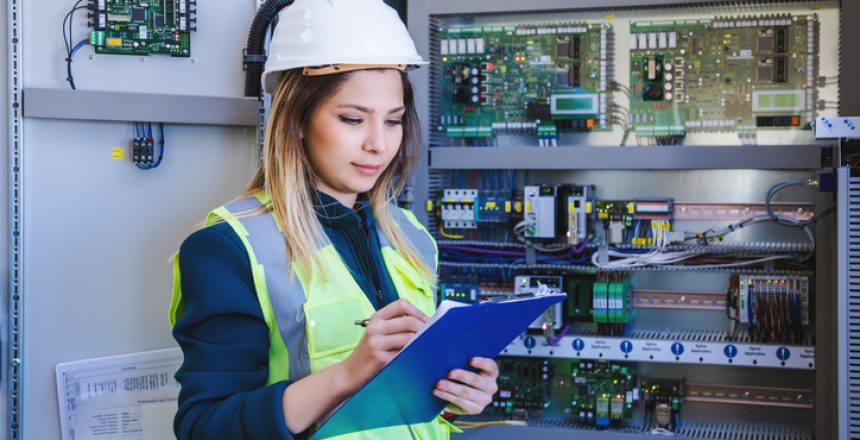
Implementing effective electrical safety systems requires careful planning and ongoing management. It is not enough to install equipment; systems must be maintained and updated regularly.
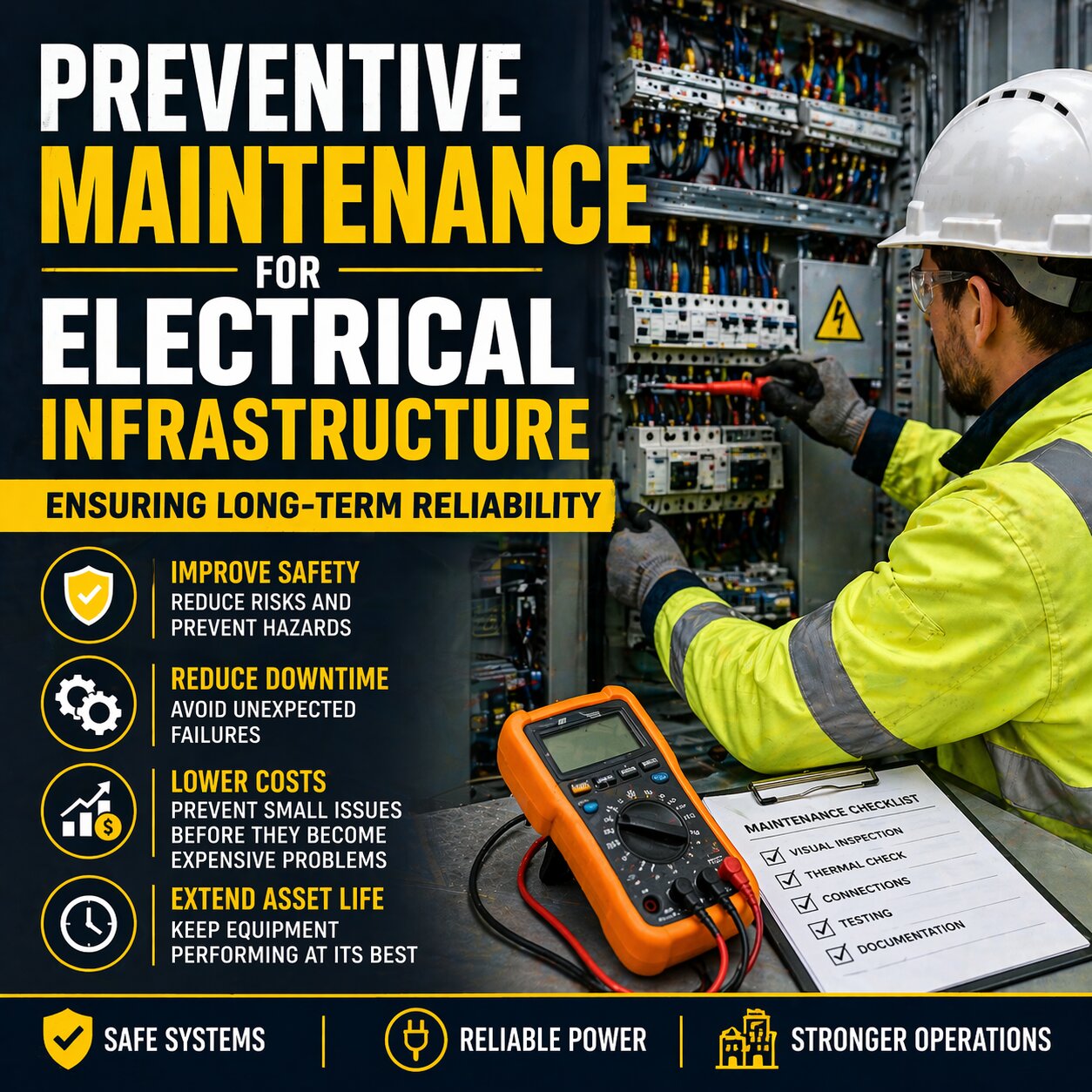
Regular inspections and testing are essential to ensure all components are functioning correctly. Faulty or outdated equipment can compromise the entire safety system, increasing the risk of failure.
Proper training for staff is equally important. Employees should understand how to operate equipment safely and recognise warning signs of electrical issues. This awareness can prevent accidents before they occur.
Working with qualified professionals ensures that systems are designed and installed according to industry standards. This includes proper load calculations, system design, and compliance with regulations.
Finally, integrating modern monitoring technologies can enhance safety. Smart systems provide real-time data and alerts, allowing for quicker responses to potential hazards.
The future of electrical safety in commercial and industrial spaces
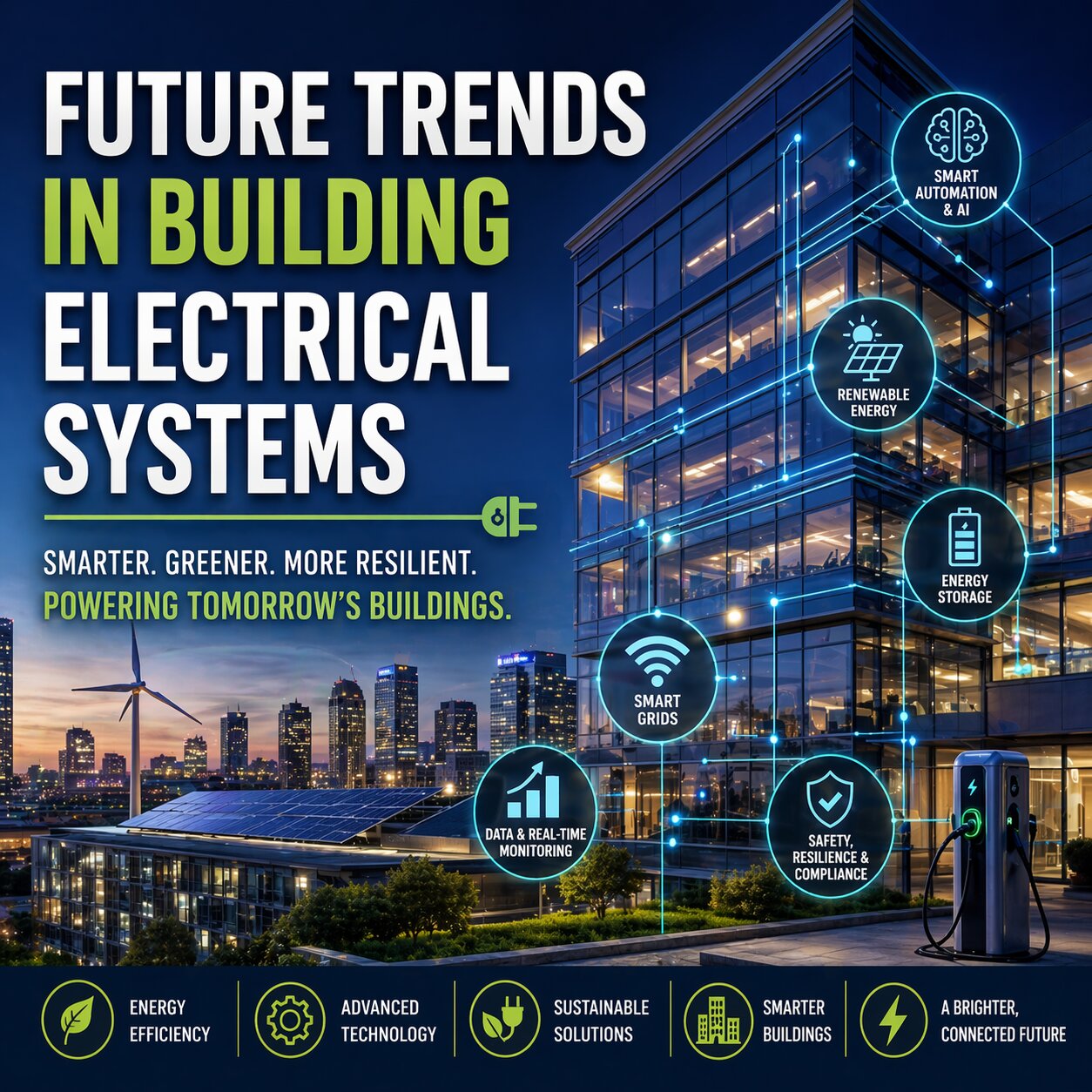
Electrical safety systems are evolving alongside advancements in technology. Smart grids, IoT devices, and automated monitoring systems are transforming how facilities manage electrical safety.
These innovations provide greater visibility into system performance, enabling predictive maintenance and reducing the likelihood of unexpected failures. Businesses can now identify potential issues before they become critical.
Sustainability is also influencing electrical safety systems. As facilities adopt renewable energy sources and energy-efficient technologies, safety systems must adapt to handle new types of electrical loads and configurations.
Looking ahead, electrical safety systems will continue to play a vital role in ensuring safe, efficient, and reliable operations. By investing in the right systems and practices, businesses can protect their people, assets, and long-term success.