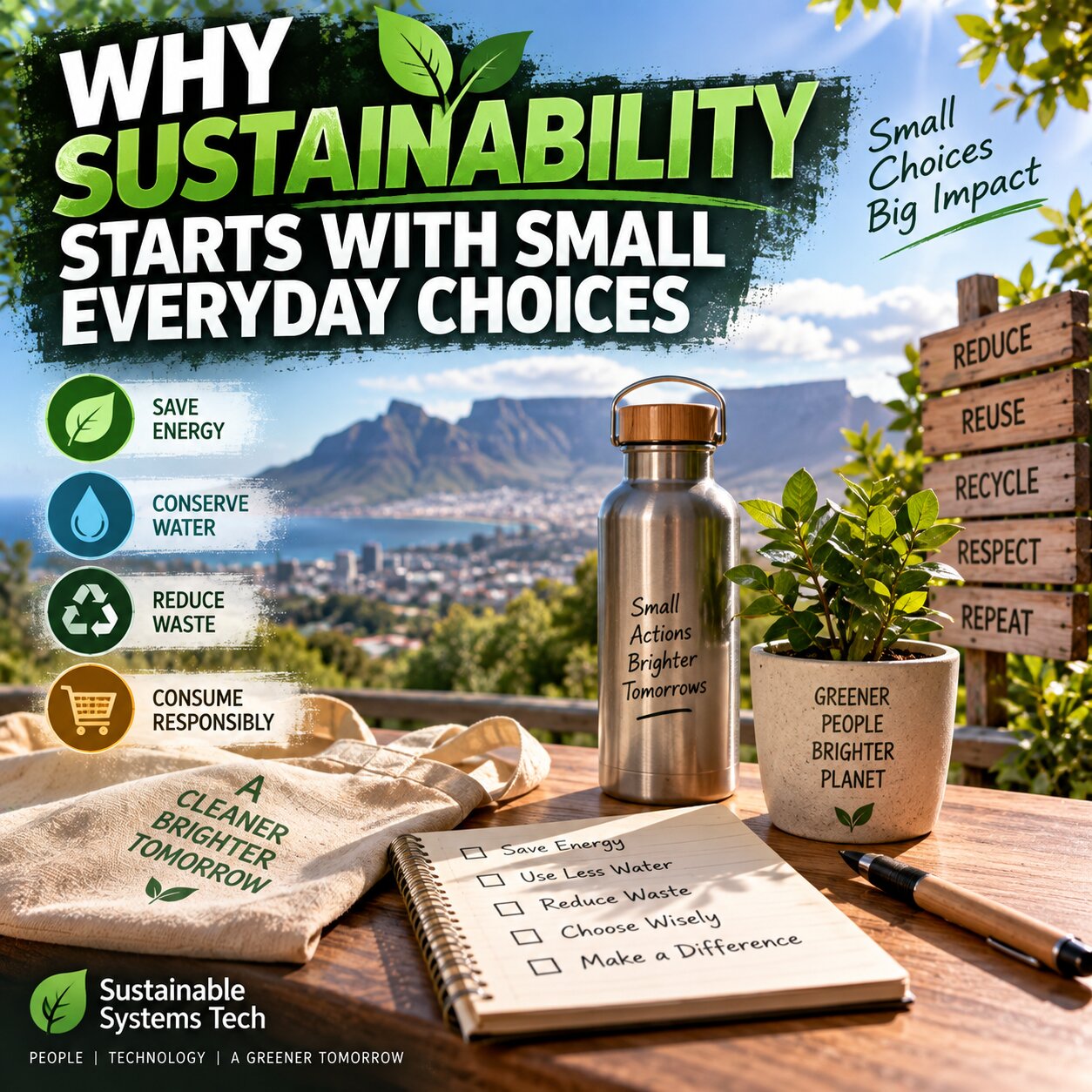
The City of Cape Town has unveiled its Vision 2050 blueprint, a comprehensive long-term strategy designed to transform the Mother City into a sustainable, inclusive, and future-fit urban hub. This forward-looking plan outlines ambitious targets for clean energy, waste management, urban greening, and climate resilience, with the aim of positioning Cape Town as a global leader in sustainable urban living.
A roadmap to a greener future

Vision 2050 sets clear milestones for environmental sustainability and resource efficiency. One of its headline goals is to source 35% of Cape Town’s energy from alternative and renewable sources by 2030, drastically reducing dependence on coal-generated electricity from the national grid. This shift will be powered by a combination of large-scale solar farms, wind energy projects, and hybrid solar-battery installations like the recently launched Atlantis facility.
Another core objective is to divert at least 70% of the city’s waste away from landfills by 2030. To achieve this, Cape Town plans to roll out extensive recycling and composting programmes, improve waste separation at source, and expand waste-to-energy initiatives. These measures aim to reduce greenhouse gas emissions, extend landfill lifespans, and promote a circular economy.
Urban greening also takes centre stage, with a commitment to plant 100,000 trees every year. This large-scale planting programme is designed to expand green spaces, improve air quality, enhance biodiversity, and provide much-needed shade in densely populated areas. Parks, nature reserves, and community gardens will play a central role in improving the quality of life for residents while helping the city adapt to the impacts of climate change.
Climate resilience and innovation

Cape Town’s Vision 2050 recognises that building a sustainable city requires resilience in the face of climate-related challenges. The plan incorporates adaptive measures for water security, such as expanding desalination capacity, increasing groundwater use, and implementing advanced water recycling systems. These initiatives follow on from the city’s lessons learned during the 2018 drought, ensuring Cape Town is better prepared for future water scarcity.
Transport innovation is another pillar of the strategy. Vision 2050 aims to expand public transport networks, electrify bus fleets, and improve cycling and pedestrian infrastructure to reduce congestion and cut transport-related emissions. By prioritising accessible, affordable, and low-carbon mobility, the city hopes to encourage a shift away from private car dependency.
The plan also emphasises digital innovation, with smart city technology set to play a major role in managing resources efficiently. From AI-powered traffic systems to advanced energy monitoring tools, Cape Town is positioning itself as a hub for sustainable urban technology.
A collective commitment to the future

Cape Town’s Vision 2050 is more than just a government strategy; it’s a call to action for residents, businesses, and communities to work together towards a shared goal of sustainability. With ambitious targets, innovative solutions, and a focus on inclusivity, the city is laying the foundation for a cleaner, greener, and more resilient future.
As implementation begins, the success of Vision 2050 will depend on strong partnerships, transparent governance, and the willingness of all stakeholders to embrace change. If the plan’s vision becomes reality, Cape Town could stand as a shining example of what is possible when a city commits wholeheartedly to building a sustainable future.