Nestled against the slopes of Table Mountain, Tokai Park has long been a place of recreation for Capetonians. But for decades, its natural ecosystems were overshadowed by commercial pine plantations. Now, through an ambitious restoration programme, the park is experiencing a remarkable ecological revival, with indigenous fynbos flourishing and wildlife returning in numbers.
From Plantations to Fynbos
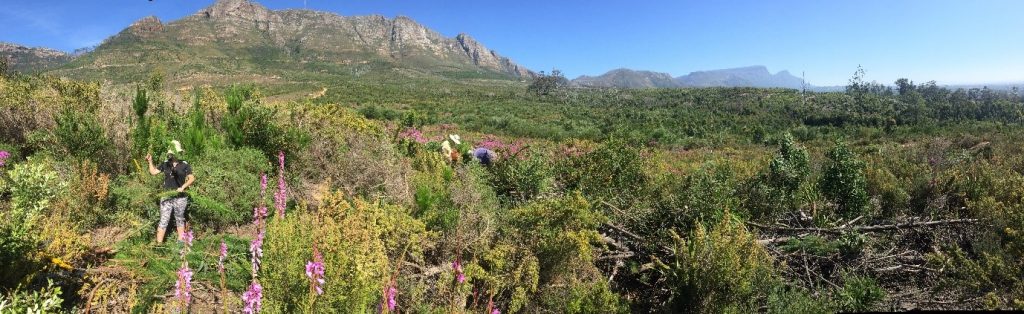
Tokai Park was once dominated by dense pine forests, cultivated for timber. While these plantations served economic purposes, they displaced Cape Town’s unique floral kingdom, suppressing biodiversity and increasing fire risk. In recent years, CapeNature and SANParks began systematically removing alien pines and restoring indigenous vegetation. The result has been nothing short of transformative: fynbos species are reclaiming the land, creating the conditions for pollinators and wildlife to thrive once again.
Wildlife Returns
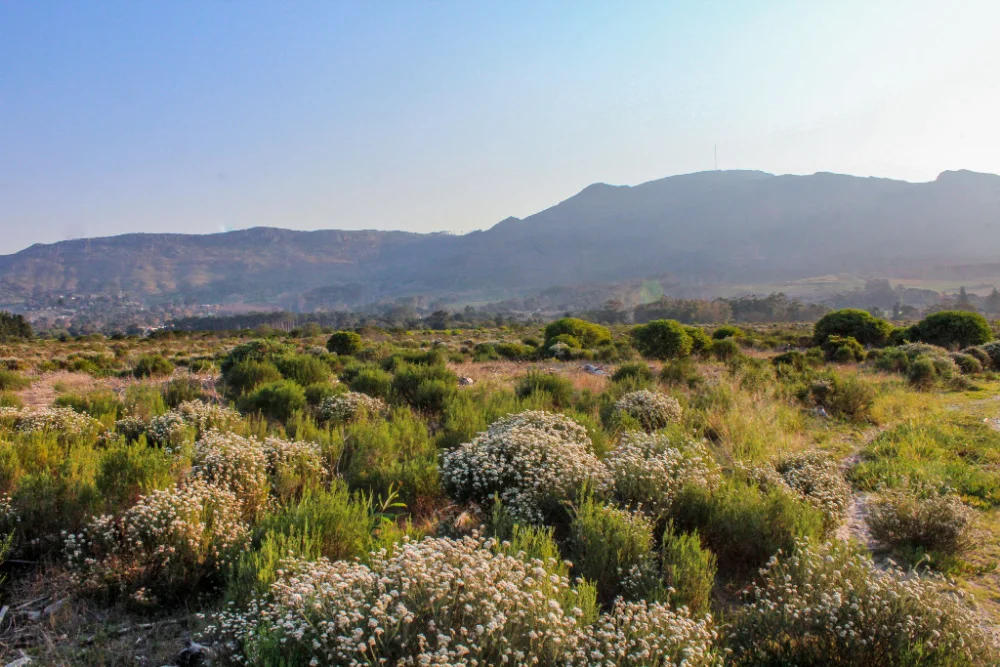
As the natural vegetation has returned, so too has an array of animals. More than 440 plant species have been recorded, many of them endemic to the Cape Floristic Region. Alongside the floral comeback, caracals, porcupines, tortoises, and wild bees have reappeared in the park. Birdlife has flourished as well, with raptors and small insectivores benefiting from the restored habitat. This resurgence highlights the resilience of ecosystems when given the chance to heal.
A Model for Urban Conservation
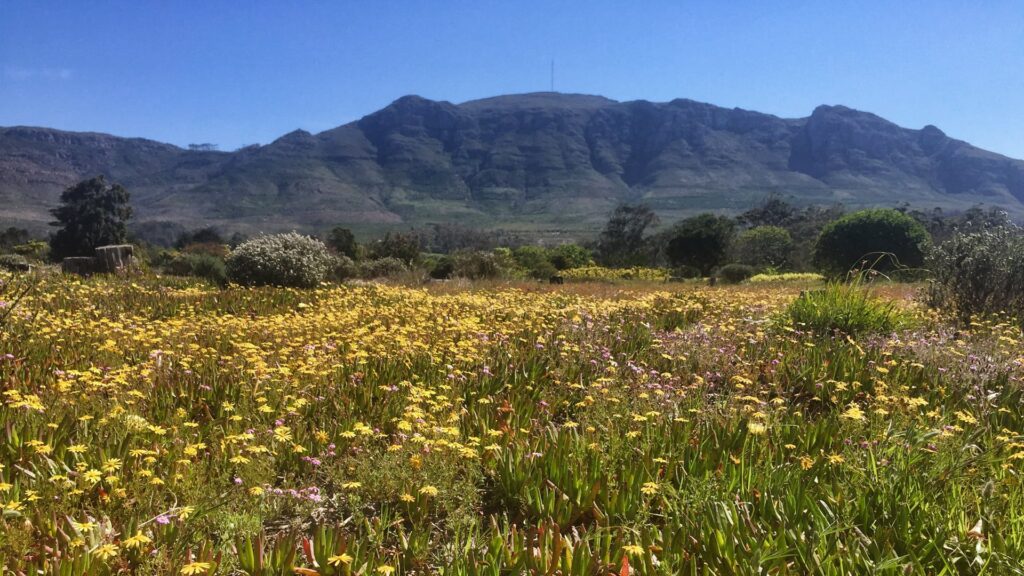
Tokai Park is not just a local success story; it’s an important lesson in urban conservation. The park demonstrates how degraded land within a metropolitan area can be rehabilitated to support biodiversity while still serving as a recreational space for people. Trails, picnic areas, and cycling routes remain, but they now coexist with a living example of the Cape’s rich natural heritage. For Cape Town, this is critical — showing how nature and city life can intertwine to the benefit of both.
Conclusion
Tokai Park’s transformation from alien pine plantations to biodiverse fynbos is a testament to the power of restoration and tree sanctuaries. It underscores the importance of removing invasive species, protecting indigenous flora, and investing in conservation even in urban contexts. For Cape Town residents, it is both a natural treasure and a reminder: when we give nature space to recover, it rewards us with resilience, beauty, and balance.