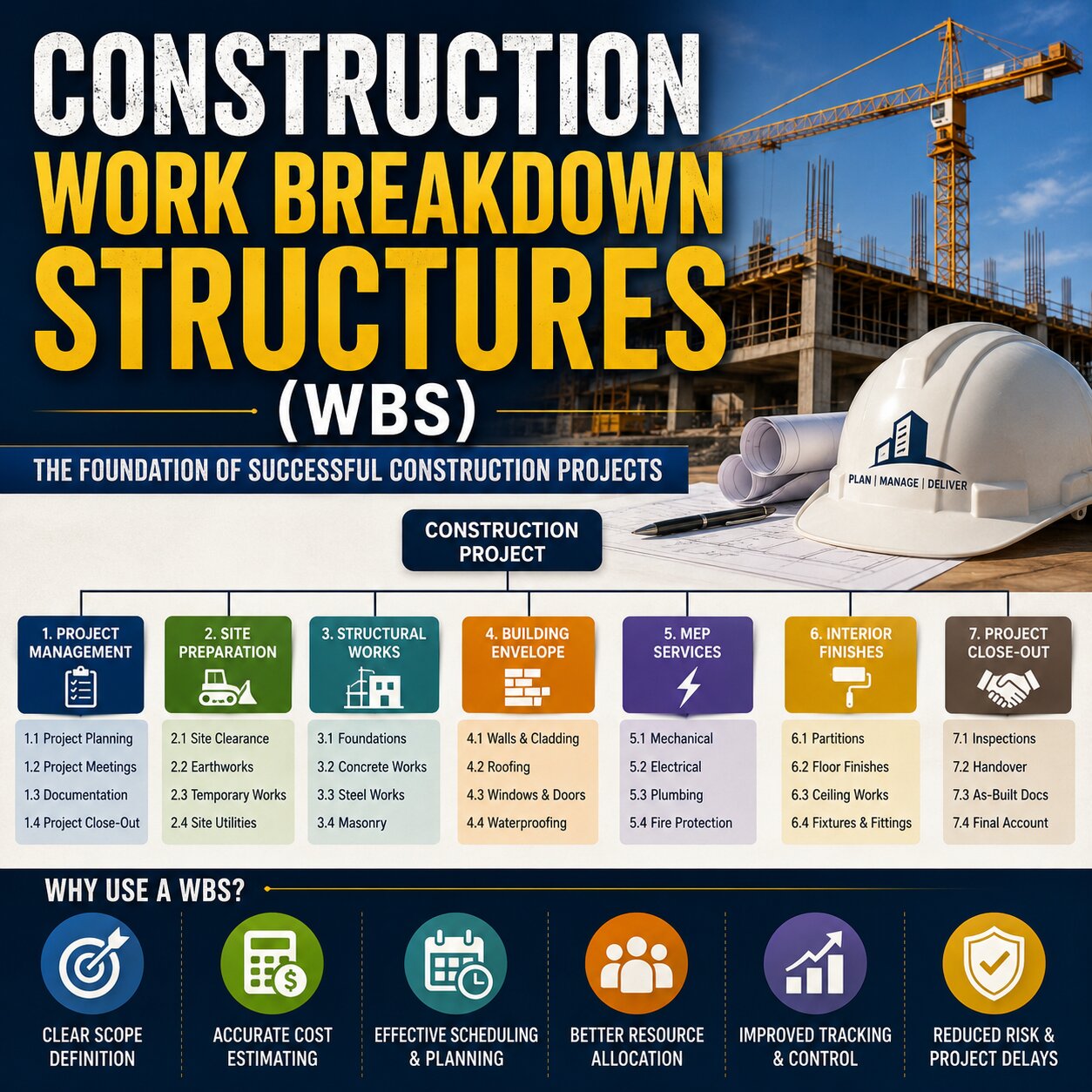
Road deterioration is a growing challenge for municipalities, property developers, and infrastructure managers. Potholes, surface cracking, and structural failure not only affect traffic flow but also increase vehicle damage, safety risks, and long-term maintenance costs. As budgets tighten and traffic volumes increase, the debate between temporary road repairs and long-term solutions becomes more important than ever.
Understanding the differences between these approaches helps decision-makers choose the right intervention at the right time. While temporary road repairs offer speed and affordability, long-term solutions focus on durability, lifecycle cost reduction, and sustainable infrastructure management.
What are temporary road repairs?
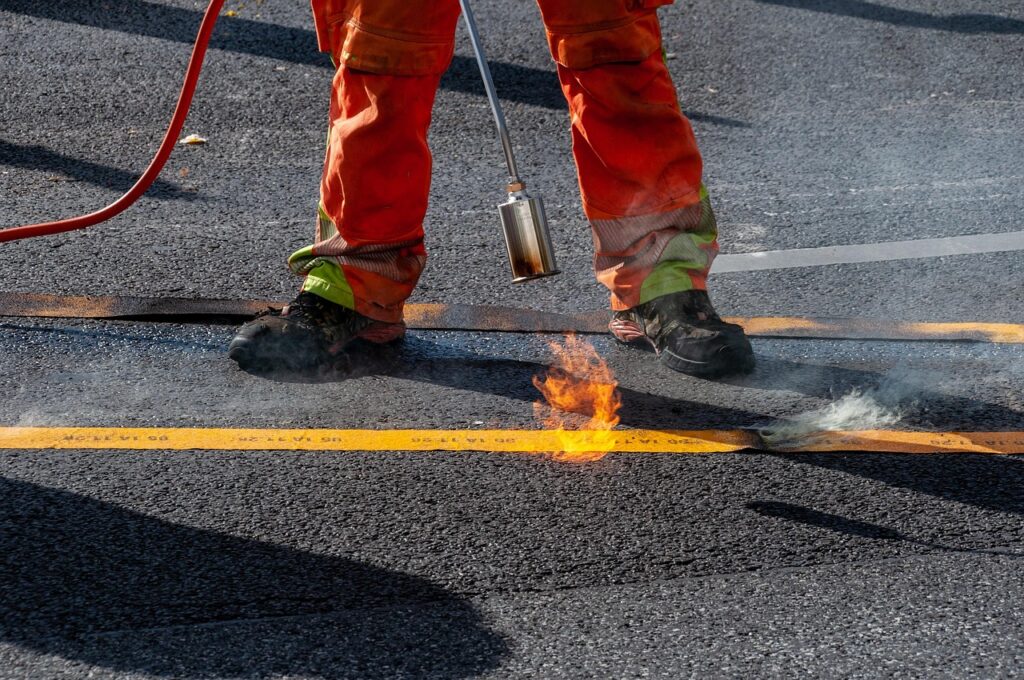
Temporary road repairs are short-term interventions designed to quickly restore road usability and safety. These methods are often used in emergency situations, during adverse weather conditions, or when budgets or timelines do not allow for full rehabilitation. Common examples include cold asphalt patching, surface sealants, gravel infill, and rapid-setting concrete mixes.
While these repairs are fast to deploy and relatively low-cost, they are not designed to address underlying structural issues. Traffic loads, moisture ingress, and temperature fluctuations often cause temporary fixes to degrade quickly, leading to repeated repairs and escalating maintenance demands.
When temporary solutions make sense
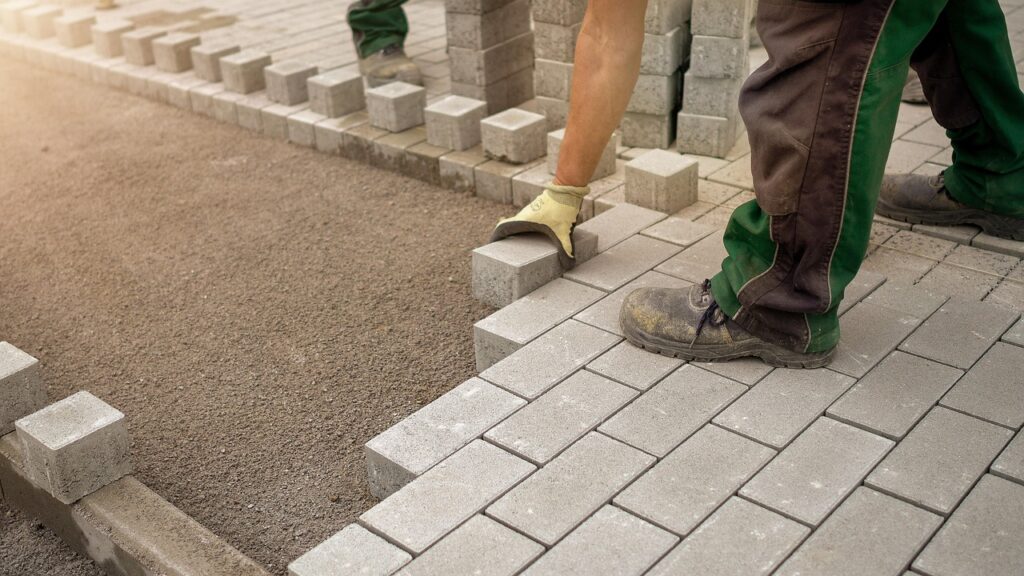
Temporary road repairs are most effective when used strategically. They are ideal for emergency pothole repairs, seasonal damage control, or as interim measures while long-term rehabilitation is planned and funded. In high-traffic areas, temporary fixes can reduce immediate safety risks and prevent further deterioration in the short term.
However, reliance on temporary solutions as a long-term strategy often results in higher cumulative costs. Repeated patching can weaken surrounding pavement, create uneven surfaces, and disrupt traffic more frequently due to ongoing maintenance work.
What are long-term road repair solutions?
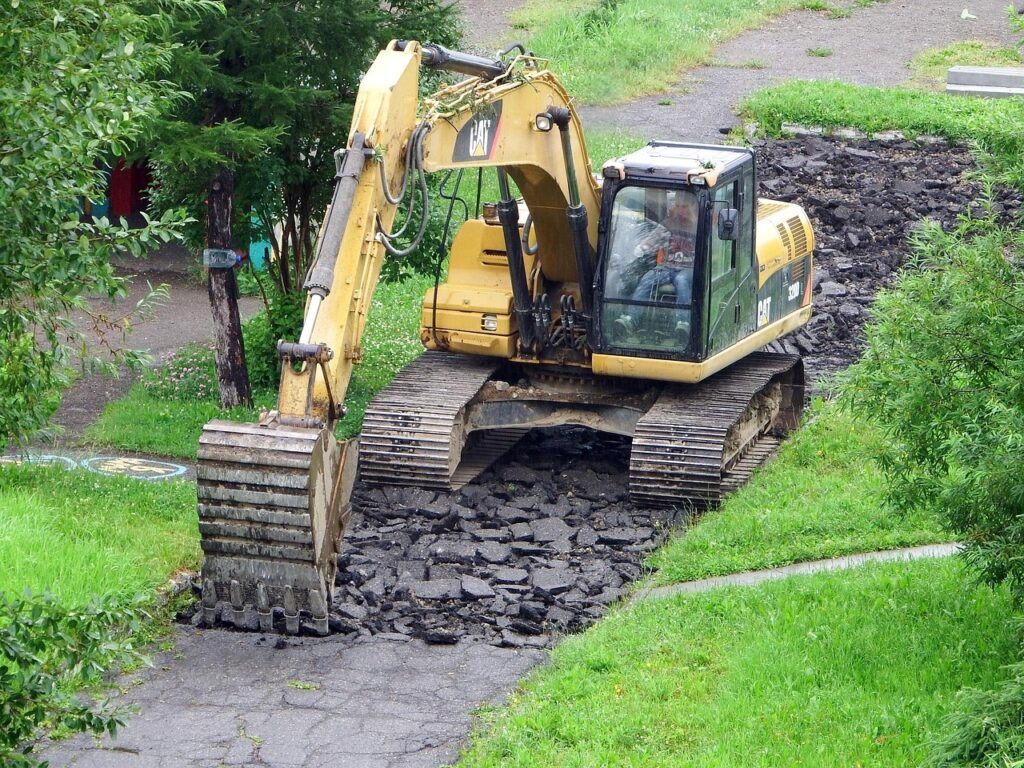
Long-term road repair solutions focus on addressing the root causes of road failure rather than just the visible damage. These solutions typically include full-depth asphalt rehabilitation, concrete reconstruction, sub-base stabilisation, improved drainage systems, and the use of durable, high-performance materials.
Although these interventions require higher upfront investment and longer construction timelines, they significantly extend road lifespan. By improving structural integrity and load-bearing capacity, long-term solutions reduce the frequency of repairs and improve overall road performance under sustained traffic conditions.
Benefits of investing in long-term solutions
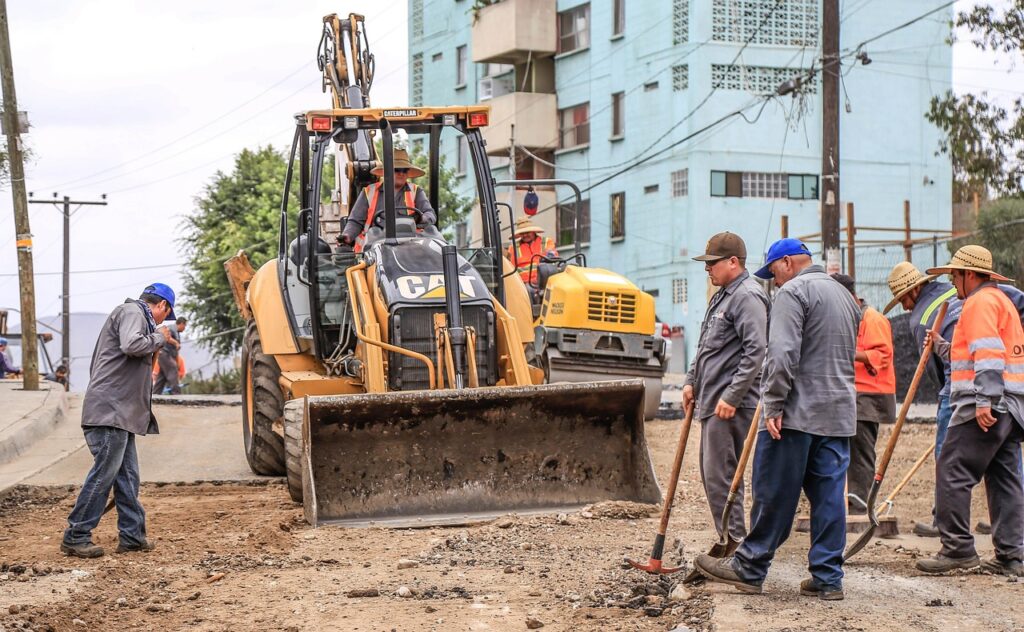
One of the main advantages of long-term road solutions is reduced lifecycle cost. While initial expenditure is higher, fewer repairs are needed over time, resulting in lower maintenance budgets and less disruption to road users. Improved road quality also enhances safety, ride comfort, and fuel efficiency for vehicles.
From a sustainability perspective, long-term repairs reduce material waste and repeated construction activity. Properly designed roads with adequate drainage and load distribution are also more resilient to climate-related stresses such as heavy rainfall and temperature extremes.
Choosing the right approach
The decision between temporary road repairs and long-term solutions should be based on road usage, traffic volume, budget availability, and long-term infrastructure planning. In some cases, a phased approach works best, using temporary repairs to maintain safety while preparing for permanent rehabilitation.
Strategic planning and condition assessments are essential. By understanding when a temporary fix is sufficient and when a long-term investment is necessary, infrastructure managers can optimise budgets, extend road lifespan, and deliver safer, more reliable transport networks.
Planning for sustainable road infrastructure
Temporary road repairs and long-term solutions both have a role to play in effective infrastructure management. The key lies in using each approach appropriately and avoiding short-term fixes that delay necessary structural improvements.
At Sustainable Systems Technologies, we focus on helping decision-makers evaluate repair strategies that balance cost, performance, and sustainability. Explore our infrastructure and road maintenance solutions to learn how smarter planning can lead to safer, longer-lasting roads.