Recycling plays a vital role in reducing landfill waste, conserving resources, and supporting a circular economy. However, not all recycling facilities operate in the same way. Understanding the different types of recycling centres helps municipalities, businesses, and households make better waste management decisions and improve recycling efficiency.
This article explores the main types of recycling centres and the roles they play in modern waste management systems.
What are recycling centres?
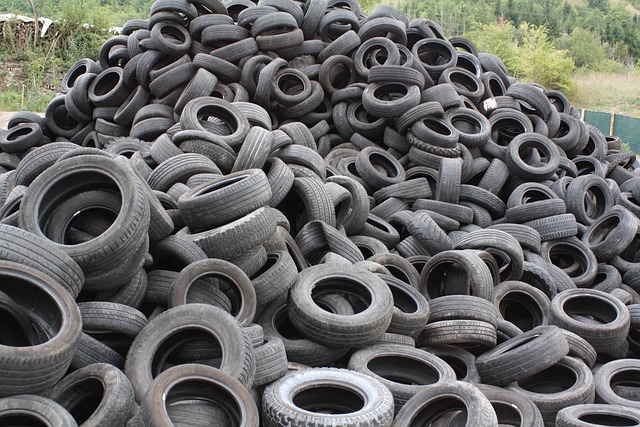
Recycling centres are facilities designed to collect, sort, process, and prepare recyclable materials for reuse or manufacturing. Depending on their function, they may handle household waste, commercial materials, or specific waste streams such as electronics or construction debris.
These types of recycling centres are designed to address a particular stage of the recycling process.
Common types of recycling centres

Materials Recovery Facilities (MRFs)
Materials Recovery Facilities are central sorting hubs where mixed recyclables are separated into individual material streams such as paper, plastic, metal, and glass. These facilities use a combination of manual sorting and automated systems to prepare materials for further processing.
Drop-off recycling centres
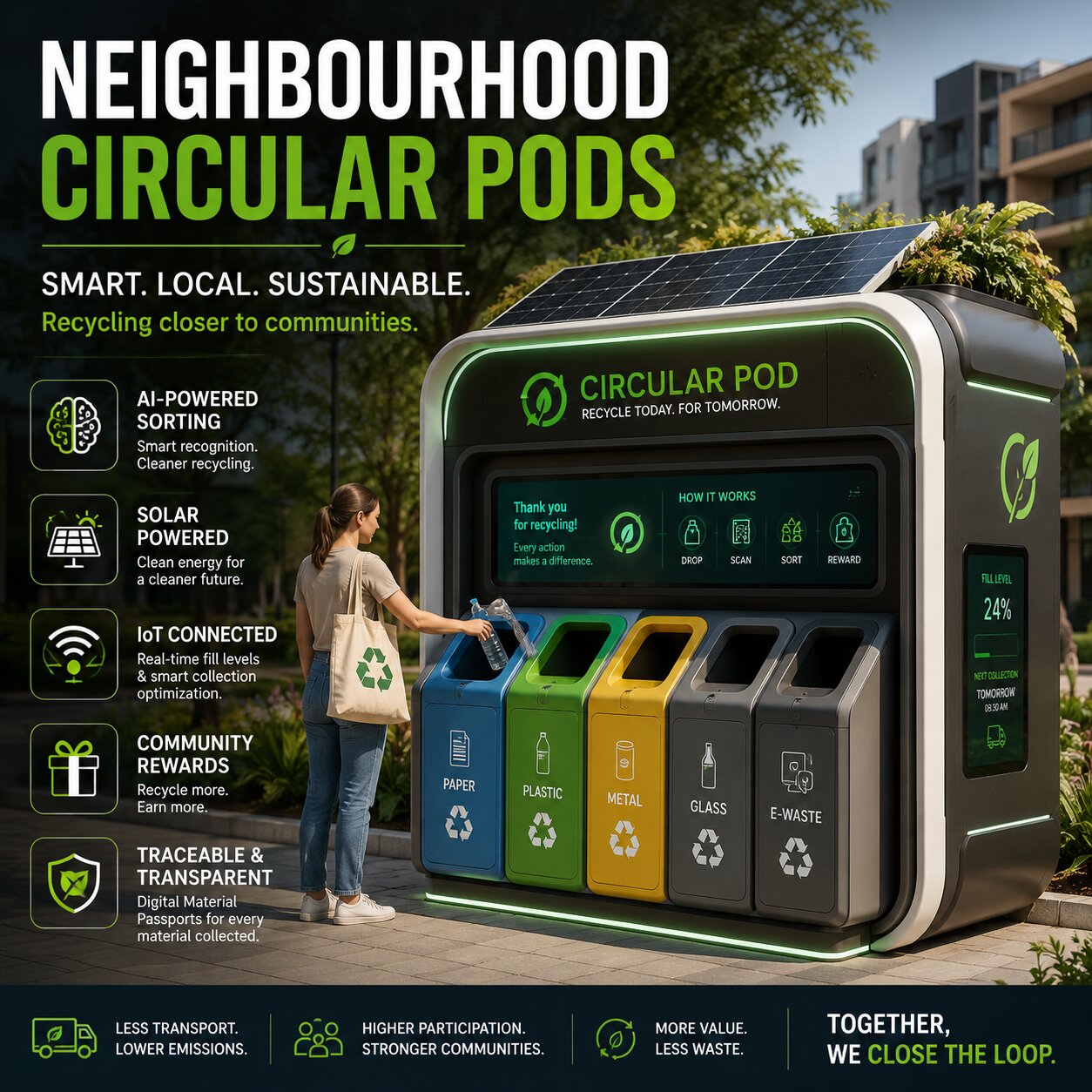
Drop-off centres allow residents and small businesses to deliver recyclable materials directly. These facilities are often found in urban areas and are essential where kerbside recycling services are limited or unavailable.
Buy-back centres
Buy-back recycling centres pay individuals or informal waste collectors for recyclable materials. These centres play an important role in supporting informal recycling economies while increasing recycling rates, particularly in developing regions.
E-waste recycling centres
E-waste centres specialise in the safe processing of electronic waste such as computers, phones, batteries, and appliances. These facilities recover valuable metals while preventing hazardous substances from entering the environment.
Industrial recycling centres
Industrial recycling centres handle large volumes of waste generated by factories, construction sites, and commercial operations. Materials commonly processed include scrap metal, plastics, cardboard, and construction debris.
Why different recycling centre types matter
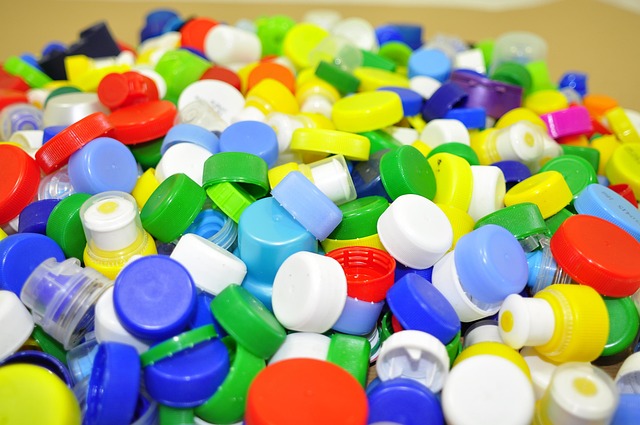
Each type of recycling centre serves a specific purpose within the waste management chain. Without this specialisation, recyclable materials may become contaminated, underutilised, or diverted to landfill.
Benefits include:
- Improved material recovery rates
- Reduced environmental impact
- Better waste stream control
- Increased economic value of recyclables
Building effective recycling systems

Understanding the different types of recycling centres is essential for creating efficient and sustainable waste management systems. From community drop-off points to large industrial facilities, each centre contributes to reducing waste and supporting long-term environmental goals.
By matching waste streams to the correct recycling centre, communities and businesses can significantly improve recycling outcomes and sustainability performance.