In today’s fast-changing world, sustainability is no longer just an optional extra. It’s a necessity. Facilities and property managers are under growing pressure to reduce environmental impact while keeping buildings safe, efficient, and cost-effective. This is where sustainable maintenance strategies come into play. By adopting eco-conscious approaches to maintenance, organisations can extend the life of their assets, lower operational costs, and contribute to a greener future.
Energy-efficient systems and equipment

One of the cornerstones of sustainable maintenance strategies is focusing on energy-efficient systems. Facilities that upgrade to LED lighting, solar panels, and smart HVAC systems instantly reduce energy consumption. But the benefits don’t end at installation. Preventive maintenance ensures these systems run at peak efficiency, lowering the risk of breakdowns and costly replacements.
For example, regular servicing of HVAC filters and motors not only improves air quality but also ensures that energy isn’t wasted. Similarly, cleaning and maintaining solar panels increases their ability to capture sunlight effectively, maximising return on investment. By prioritising efficiency, facilities managers can reduce utility bills and significantly lower their carbon footprint.
Eco-friendly materials and practices

Sustainable maintenance strategies also involve rethinking the materials and practices used in upkeep. Traditional paints, flooring, and cleaning agents often contain harmful chemicals that negatively impact both the environment and indoor air quality. Choosing non-toxic paints, recycled flooring, and biodegradable cleaning products makes maintenance both eco-friendly and healthier for occupants.
Waste management is another crucial area. Instead of sending debris and materials to landfill, facilities can recycle building materials, repurpose wood, or partner with waste management companies that focus on sustainability. Even small adjustments, like segregating waste bins and encouraging recycling among tenants, contribute to a long-term culture of responsibility.
Digital tools for sustainable maintenance

Technology plays a critical role in driving sustainable maintenance strategies. Computerised Maintenance Management Systems (CMMS) allow managers to schedule preventive tasks, track energy usage, and monitor equipment performance over time. This reduces unnecessary repairs and ensures resources are used efficiently.
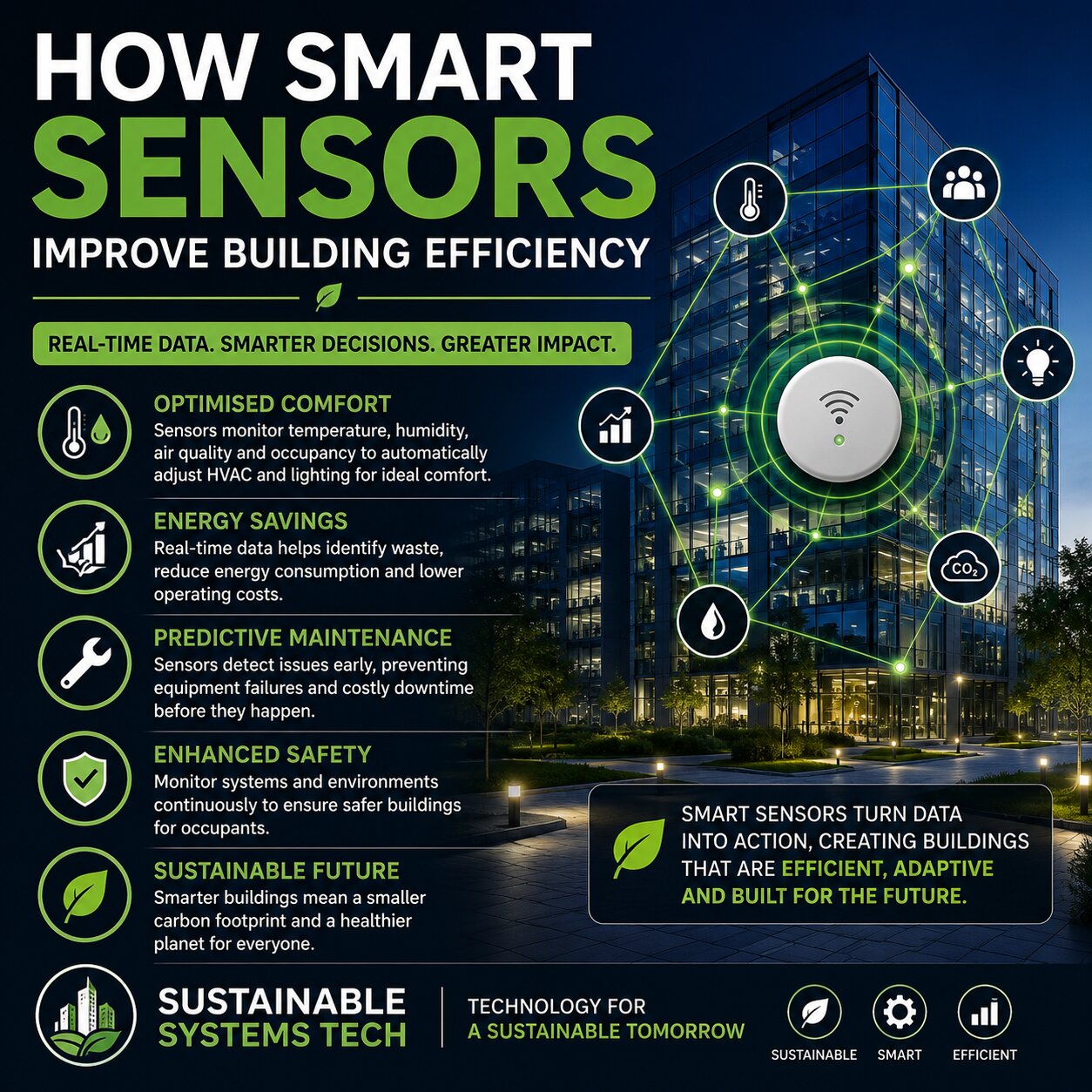
IoT sensors further enhance this approach by enabling predictive maintenance. Sensors installed on machinery can alert teams to early signs of wear and tear, avoiding major breakdowns and extending equipment life. Data-driven insights help facilities make informed decisions, such as when to replace systems or how to optimise energy usage. These tools cut down on waste, improve efficiency, and ensure resources are allocated strategically.
Training and awareness for maintenance teams

No sustainable maintenance strategy is effective without the people who carry it out. Training maintenance teams on eco-friendly practices is essential. This can include simple habits like turning off unused lights, managing water consumption during cleaning, and safely disposing of hazardous materials.
Equally important is embedding a green culture within the organisation. Facilities teams that understand the long-term value of sustainability are more likely to take ownership of initiatives, ensuring that strategies are not just policies on paper but part of daily operations. Incentives, awareness campaigns, and clear communication can all reinforce the importance of sustainability in every maintenance task.
Sustainable maintenance strategies as the way forward
Sustainable maintenance strategies go far beyond reducing energy bills. They extend the life of valuable assets, ensure healthier environments for occupants, and demonstrate a facility’s commitment to environmental responsibility. With the right mix of efficient systems, eco-friendly materials, digital tools, and well-trained teams, organisations can transform maintenance into a driver of sustainability.
As climate change and resource scarcity become pressing global issues, adopting sustainable maintenance strategies is not only good practice but also a moral responsibility. Facilities that make the shift today are investing in a greener, smarter, and more resilient future.