Smart lighting is rapidly reshaping how buildings, streets, and public spaces are illuminated. No longer limited to simple on-off controls, modern lighting systems can now sense their environment, respond to human activity, and automatically adjust brightness levels in real time. The result is lighting that is not only more energy efficient, but also more comfortable, safer, and better aligned with how spaces are actually used.
For property managers, municipalities, and infrastructure planners, smart lighting and adaptive brightness systems represent a major step forward in sustainable design and operational efficiency.
What is smart lighting?

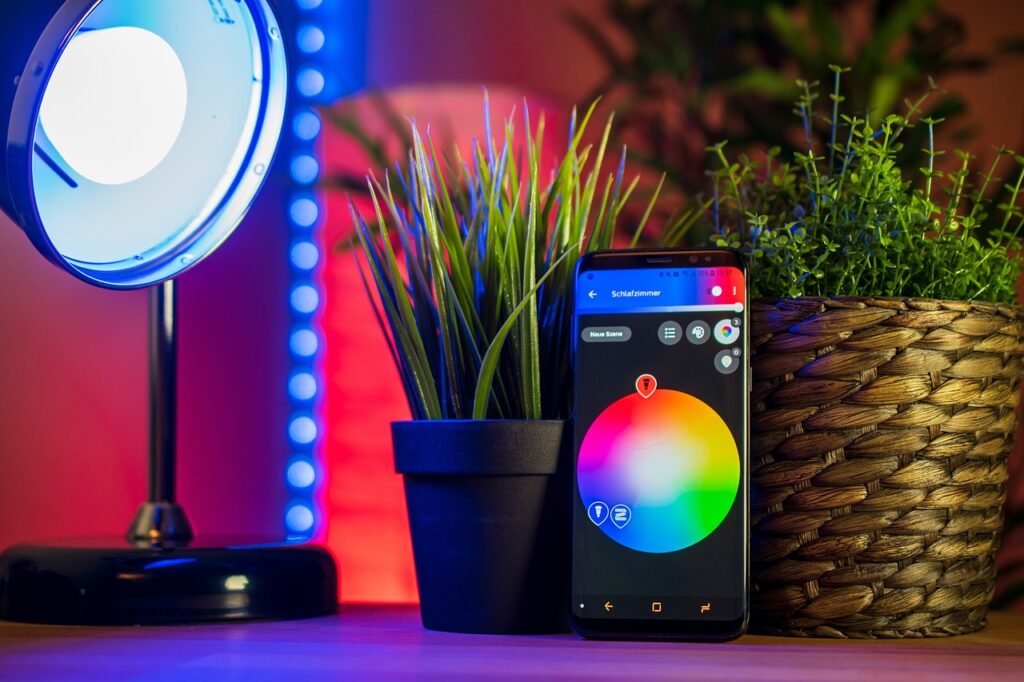
Smart lighting refers to lighting systems that use connected technologies such as sensors, controllers, and software to manage light output intelligently. Unlike traditional systems that operate on fixed schedules, smart lighting responds dynamically to conditions like occupancy, daylight levels, and time of day.
These systems are typically integrated into wider building management or infrastructure platforms, allowing lighting to be monitored, adjusted, and optimised remotely. In both residential and commercial environments, smart lighting reduces wasted energy while improving the user experience.
Understanding adaptive brightness systems
Adaptive brightness is a core feature of smart lighting. It allows lights to automatically increase or decrease intensity based on real-time inputs. Common triggers include natural light availability, movement detection, and environmental conditions such as fog or rain in outdoor settings.
In practice, this means corridors brighten when people pass through, offices dim when sunlight is sufficient, and streetlights adjust output during low-traffic hours. The system continuously balances visibility and efficiency without requiring manual intervention.
Benefits of smart lighting for buildings and infrastructure
The most immediate benefit of smart lighting is energy efficiency. By delivering light only when and where it is needed, adaptive systems significantly reduce electricity consumption and associated costs. Over time, this also lowers carbon emissions and supports sustainability targets.
Beyond energy savings, smart lighting improves safety and comfort. Well-lit spaces reduce accident risks, improve visibility, and create environments that feel more secure. In workplaces, adaptive lighting can also enhance productivity by maintaining consistent and comfortable light levels throughout the day.
Applications across sectors
Smart lighting is increasingly used across a wide range of sectors. In commercial buildings, it integrates seamlessly with HVAC and security systems to optimise overall building performance. In residential developments, it offers convenience, security, and lower energy bills.
Municipal infrastructure is another major area of adoption. Adaptive street lighting reduces operational costs for cities while improving road safety and reducing light pollution. Industrial sites, parking facilities, hospitals, and educational campuses also benefit from responsive lighting tailored to usage patterns.
Challenges and implementation considerations

While the advantages are clear, implementing smart lighting requires careful planning. Upfront costs can be higher than traditional systems, particularly when retrofitting existing infrastructure. Compatibility with existing electrical and control systems must also be assessed.
Data security and system reliability are additional considerations. As lighting becomes connected, ensuring secure networks and robust system management becomes essential. However, with proper design and professional implementation, these challenges are manageable and outweighed by long-term benefits.
Lighting that adapts to the way we live and work
Smart lighting and adaptive brightness systems represent a shift away from static infrastructure toward responsive, human-centred design. As buildings and cities become smarter, lighting plays a critical role in reducing energy use, improving safety, and creating more comfortable environments.
For organisations and municipalities looking to future-proof their infrastructure, investing in smart lighting is no longer just an upgrade. It is a strategic move toward more efficient, sustainable, and intelligent spaces.