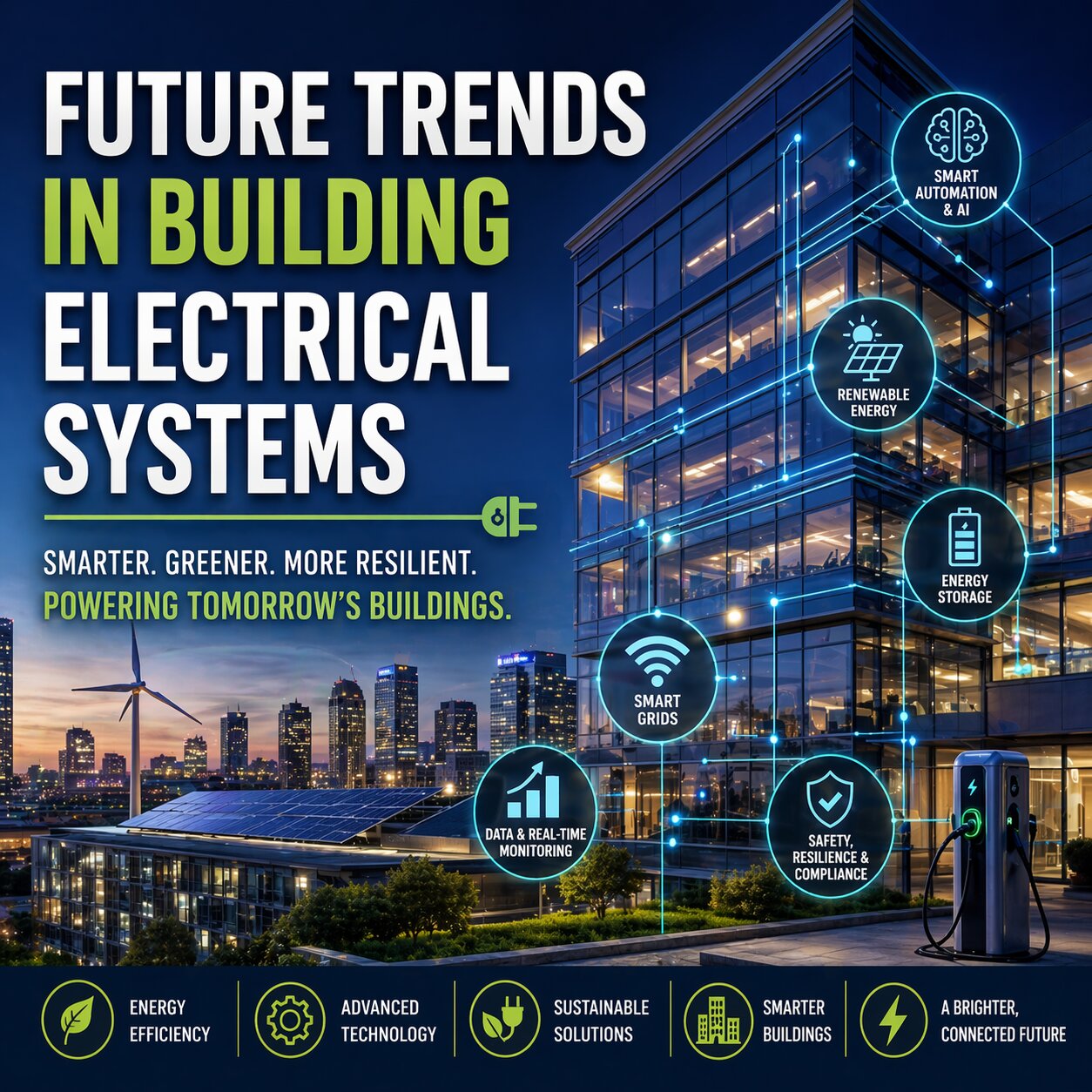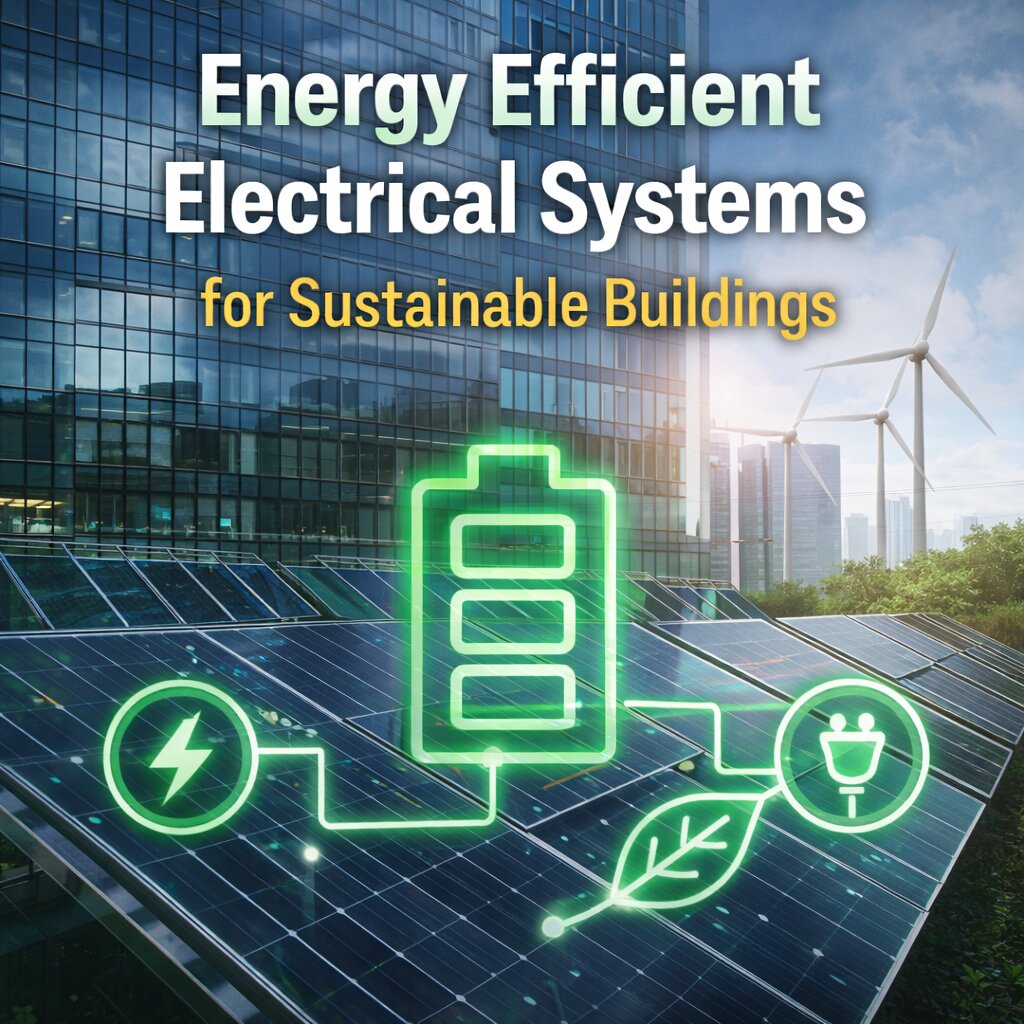
Energy efficient electrical systems for sustainable buildings are becoming a core focus in modern construction and property management. As energy costs rise and environmental concerns grow, developers and facility managers are prioritising smarter, cleaner, and more efficient electrical solutions that reduce consumption while maintaining performance.
These systems are not just about saving electricity. They play a critical role in improving building lifespan, reducing operational costs, and supporting broader sustainability goals. From design to implementation, every decision made within an electrical system can have a lasting impact on energy efficiency.
By adopting advanced technologies and strategic planning, sustainable buildings can achieve significant energy savings without compromising functionality or comfort.
Designing Electrical Systems for Efficiency from the Start
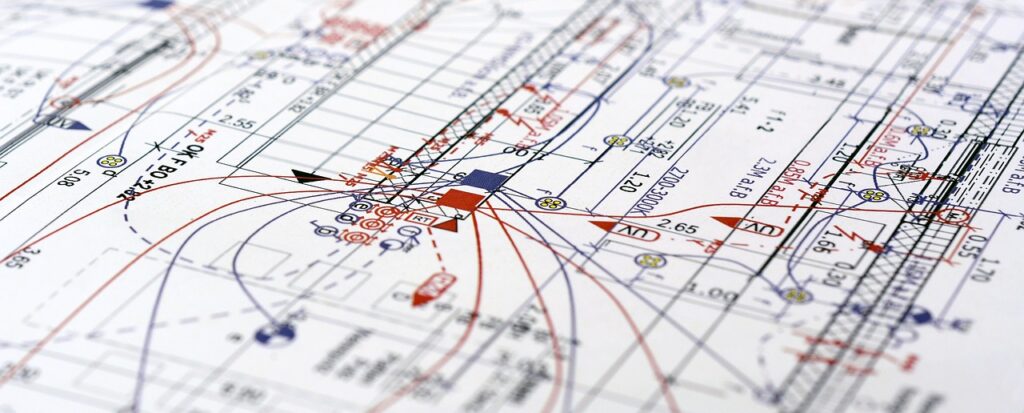
The foundation of any energy efficient building begins at the design stage. Electrical systems must be planned with efficiency in mind, ensuring that power distribution, load balancing, and system integration are optimised before installation even begins.
Proper load calculations help prevent overdesign, which often leads to unnecessary energy waste. Engineers can also segment electrical systems into zones, allowing better control over different areas of a building. This approach ensures that energy is only used where and when it is needed.
Incorporating energy modelling during the design phase allows stakeholders to predict consumption patterns and identify opportunities for improvement. This proactive strategy leads to smarter system layouts and more sustainable outcomes.
Key Components of Energy Efficient Electrical Systems
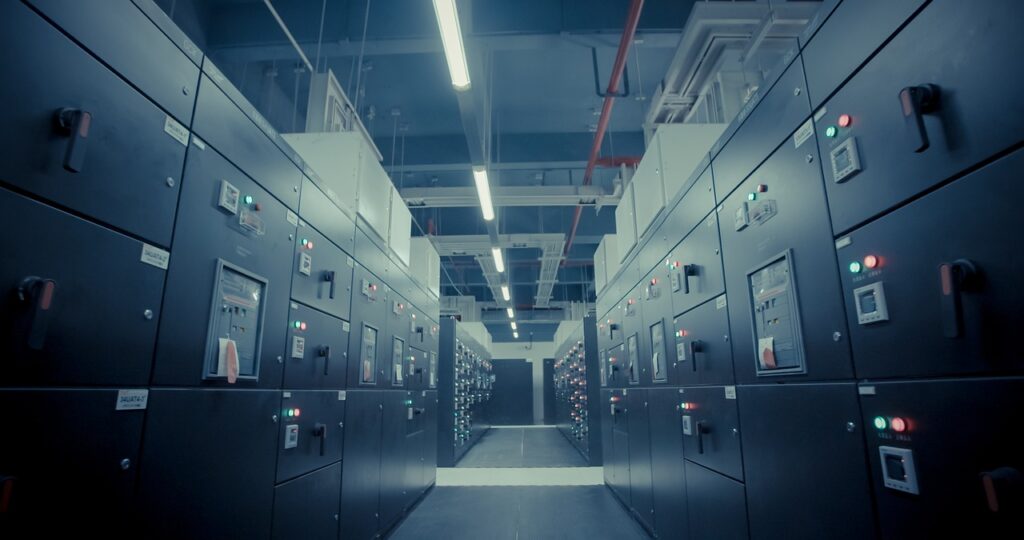
Modern sustainable buildings rely on a combination of technologies and strategies to maximise efficiency. These components work together to reduce energy consumption while enhancing system performance and reliability.
- LED lighting systems with smart controls
- Occupancy sensors and daylight harvesting systems
- Energy efficient transformers and distribution boards
- Variable frequency drives for motors and HVAC systems
- Building management systems for real-time monitoring
- Renewable energy integration such as solar PV systems
Each of these elements contributes to reducing overall energy demand while maintaining optimal operational standards.
Smart Automation and Energy Management
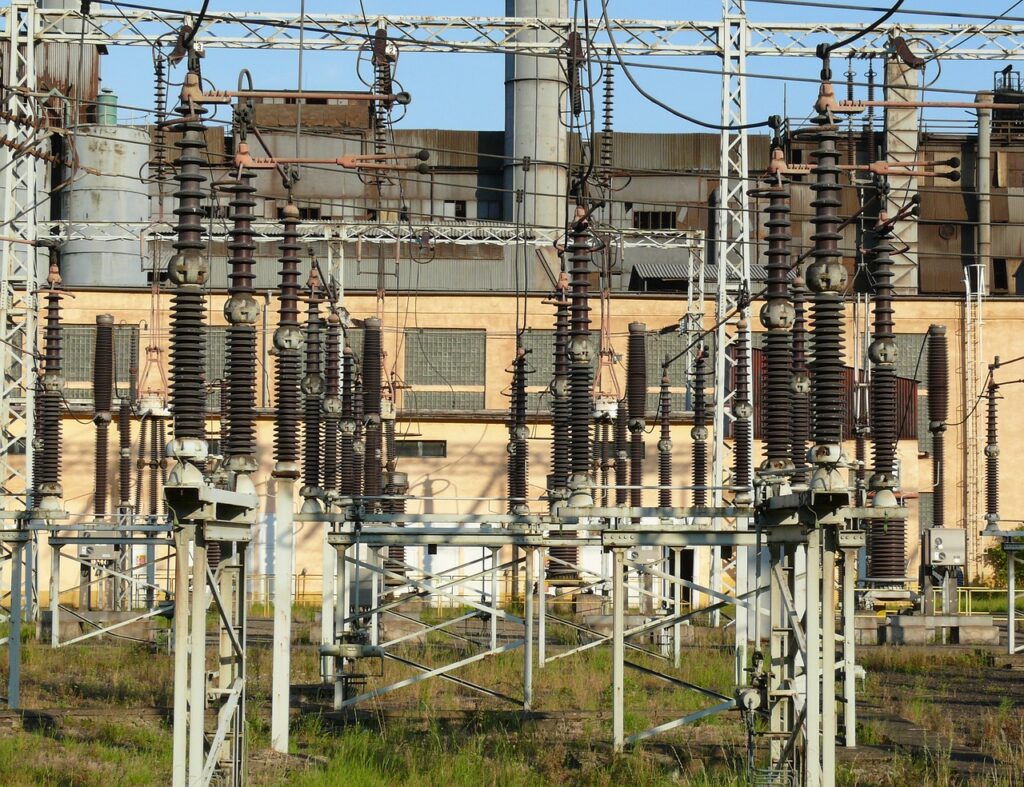
Automation plays a crucial role in energy efficient electrical systems for sustainable buildings. Smart systems can monitor usage patterns, adjust settings in real time, and identify inefficiencies before they become costly problems.
Building management systems provide centralised control over lighting, HVAC, and other electrical loads. This enables facility managers to optimise performance based on occupancy, time of day, and environmental conditions.
Data-driven insights also allow for continuous improvement. By analysing energy consumption trends, building operators can implement targeted changes that further enhance efficiency and sustainability.
Integration of Renewable Energy Sources
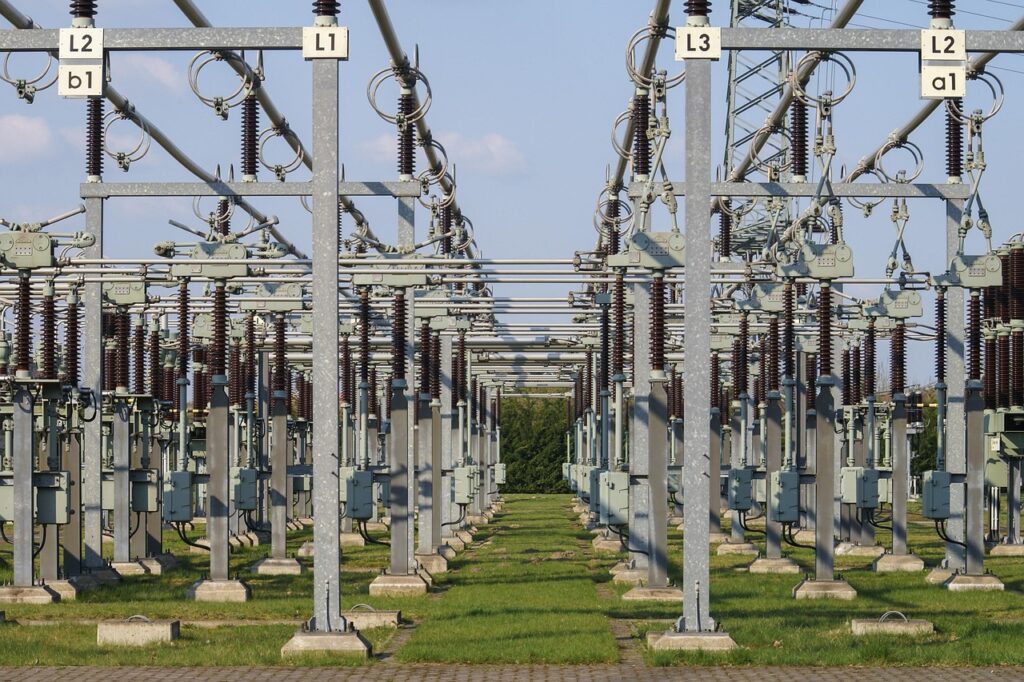
Sustainable buildings increasingly incorporate renewable energy systems to reduce reliance on traditional power sources. Solar photovoltaic systems are among the most common, providing clean energy that can be used directly or stored for later use.
Electrical systems must be designed to accommodate these integrations seamlessly. This includes inverters, storage solutions, and grid connectivity to ensure stable and reliable power supply.
By combining renewable energy with efficient electrical infrastructure, buildings can significantly lower their carbon footprint while improving energy independence.
Long-Term Benefits for Sustainable Developments
Investing in energy efficient electrical systems offers long-term advantages that extend beyond immediate cost savings. Reduced energy consumption leads to lower utility bills and decreased environmental impact, making buildings more attractive to tenants and investors.
These systems also improve reliability and reduce maintenance requirements, as modern components are designed for durability and performance. Over time, this translates into lower operational costs and increased asset value.
As sustainability becomes a standard expectation rather than an option, energy efficient electrical systems will continue to play a central role in shaping the future of construction and building management.
Building Smarter for a Sustainable Future
Energy efficient electrical systems for sustainable buildings are no longer optional. They are essential for creating spaces that are cost-effective, environmentally responsible, and future-ready.
By focusing on smart design, advanced technologies, and renewable integration, developers and facility managers can create buildings that meet modern demands while contributing to a more sustainable world.
The shift toward efficiency is not just a trend. It is the foundation of the next generation of sustainable infrastructure.