Load Shedding–Resilient Lighting Solutions have become essential for homes, businesses, and facilities across South Africa. With rolling power cuts now part of everyday life, lighting is no longer just about illumination. It’s about safety, continuity, and keeping critical spaces functional when the grid goes down.
For property managers, facility managers, and homeowners alike, resilient lighting is one of the fastest and most cost-effective ways to reduce the impact of load shedding. Unlike large backup systems that require major capital investment, lighting solutions can be deployed in phases, scaled over time, and targeted where they matter most.
As load shedding continues to affect productivity, security, and comfort, investing in Load Shedding–Resilient Lighting Solutions is no longer optional. It’s a practical response to a persistent challenge.
Why lighting resilience matters during load shedding

When power cuts occur, lighting is often the first and most noticeable failure. Dark corridors, stairwells, parking areas, and workspaces create immediate safety risks and operational disruptions. For businesses, this can mean halted operations, reduced staff productivity, and increased liability.
Load Shedding–Resilient Lighting Solutions ensure that critical areas remain illuminated even during outages. This includes emergency escape routes, security zones, entrances, and essential workspaces. Proper lighting continuity helps prevent accidents, deters crime, and maintains a sense of normalcy during blackouts.
In a country where power instability is driven largely by infrastructure strain at Eskom, lighting resilience is one of the simplest ways to reduce dependence on the grid without waiting for long-term national solutions.
Types of load shedding–resilient lighting solutions

There is no one-size-fits-all approach to Load Shedding–Resilient Lighting Solutions. Different environments require different technologies, and the best systems often combine multiple lighting strategies.
Battery-backed LED lights are among the most common solutions. These fixtures charge while grid power is available and automatically switch to battery mode during outages. They are ideal for offices, corridors, retail spaces, and residential buildings.
Solar-powered lighting is another effective option, particularly for outdoor areas such as pathways, parking lots, perimeters, and garden spaces. These systems operate independently of the grid, making them highly reliable during extended load shedding periods.
Emergency lighting systems, including maintained and non-maintained fittings, remain critical for compliance in commercial and public buildings. When integrated into a broader resilience plan, they form a key part of Load Shedding–Resilient Lighting Solutions.
Smart lighting and energy efficiency benefits
Modern Load Shedding–Resilient Lighting Solutions go beyond basic backup functionality. Smart lighting systems allow facilities to prioritise which areas remain lit during outages, extending battery life and reducing unnecessary energy use.
LED technology plays a major role here. LEDs consume significantly less power than traditional lighting, meaning batteries last longer and solar systems require smaller panels. This makes resilient lighting more affordable and easier to maintain over time.
Smart controls, motion sensors, and daylight harvesting further improve efficiency. These features ensure that lighting is only used when needed, both during normal operation and load shedding events, maximising the return on investment.
Planning lighting resilience for different property types

For residential properties, Load Shedding–Resilient Lighting Solutions focus on safety and comfort. Key areas include kitchens, hallways, bathrooms, and external security lighting. Simple battery-backed fittings or portable LED systems are often sufficient.
Commercial buildings require a more structured approach. Offices, retail spaces, warehouses, and industrial facilities must prioritise emergency routes, security zones, and critical operational areas. A mix of emergency lighting, battery-backed LEDs, and solar installations usually delivers the best results.
Public and shared facilities such as schools, clinics, and residential complexes benefit from centralised planning. Coordinated lighting resilience reduces risk, supports compliance, and ensures that all occupants are protected during outages.
Building long-term resilience beyond the grid

While generators and large-scale solar systems remain important, Load Shedding–Resilient Lighting Solutions offer an immediate and scalable layer of protection. They reduce reliance on fuel-based backups, lower operating costs, and provide silent, instant illumination during outages.
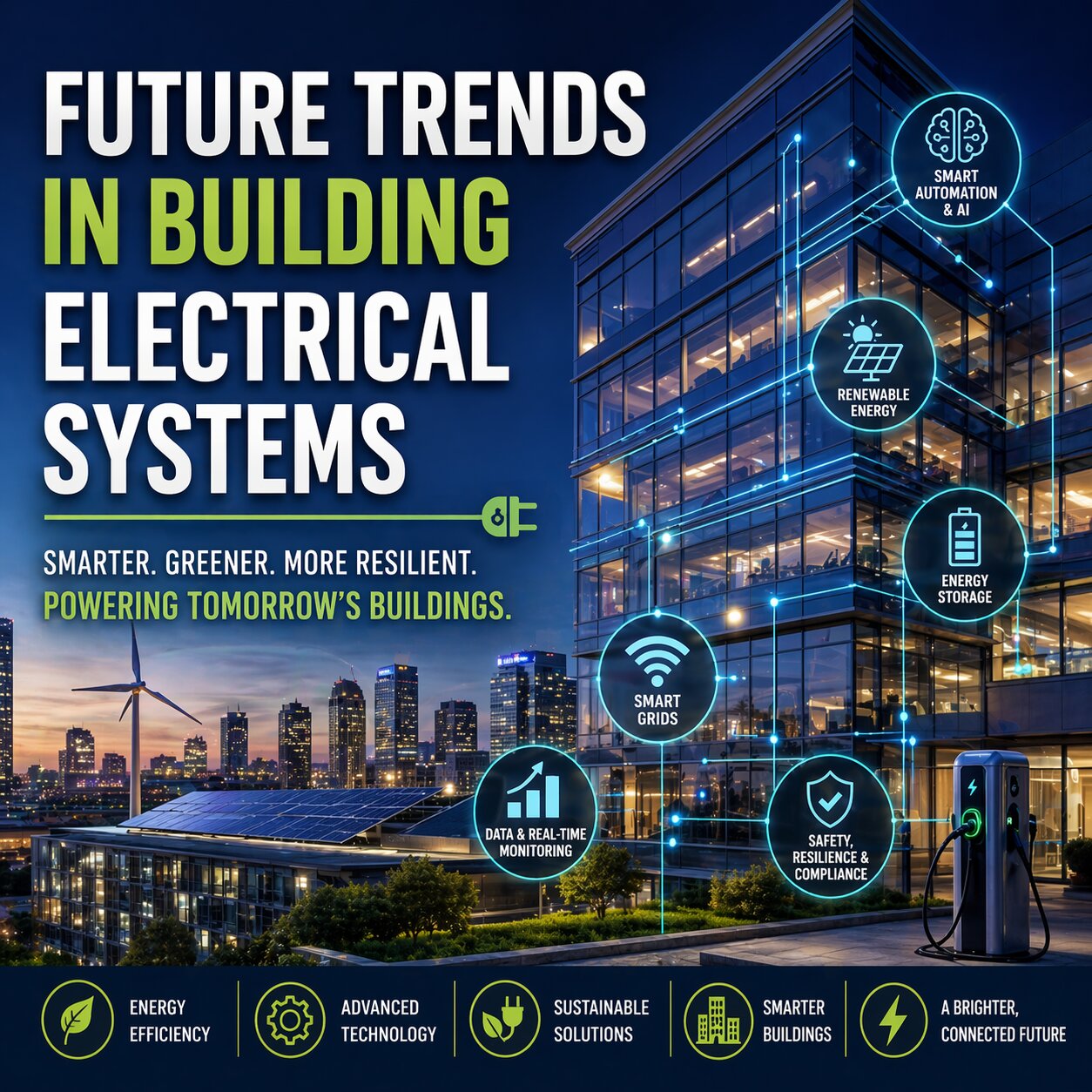
Over time, lighting resilience can be integrated into broader energy strategies, including solar PV, battery storage, and smart energy management systems. Starting with lighting allows property owners and managers to build resilience step by step rather than facing overwhelming upfront costs.
In a future where power instability may persist, resilient lighting is one of the most practical investments any property can make.
Lighting resilience as a smart facilities decision
Load Shedding–Resilient Lighting Solutions are no longer a luxury or a contingency plan. They are a core component of safe, functional, and future-ready buildings in South Africa. By keeping spaces lit when the grid fails, they protect people, property, and productivity.
For facilities and property managers, investing in lighting resilience is one of the smartest, fastest wins available today. It delivers immediate benefits, long-term savings, and peace of mind in an increasingly unpredictable energy landscape.