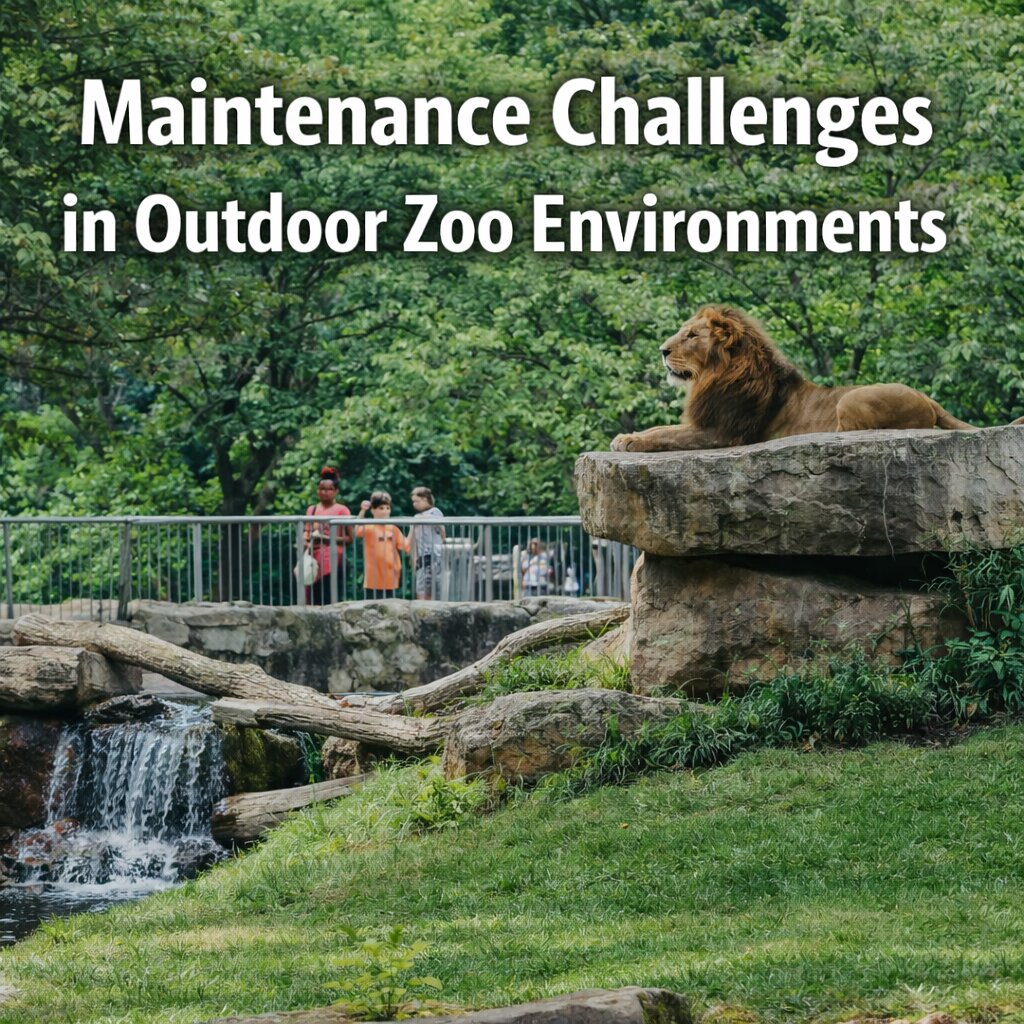
Outdoor zoo environments offer visitors a chance to experience wildlife in settings that closely resemble natural habitats. However, behind the scenes, maintaining these spaces presents a complex set of operational and technical challenges. From weather exposure to animal behaviour, every element plays a role in how effectively these environments can be managed.
For facilities managers and maintenance teams, outdoor zoo environments require a balance between durability, safety, and sustainability. Unlike traditional buildings, these spaces are constantly influenced by natural conditions, making proactive maintenance strategies essential for long-term success.
The impact of weather and environmental exposure
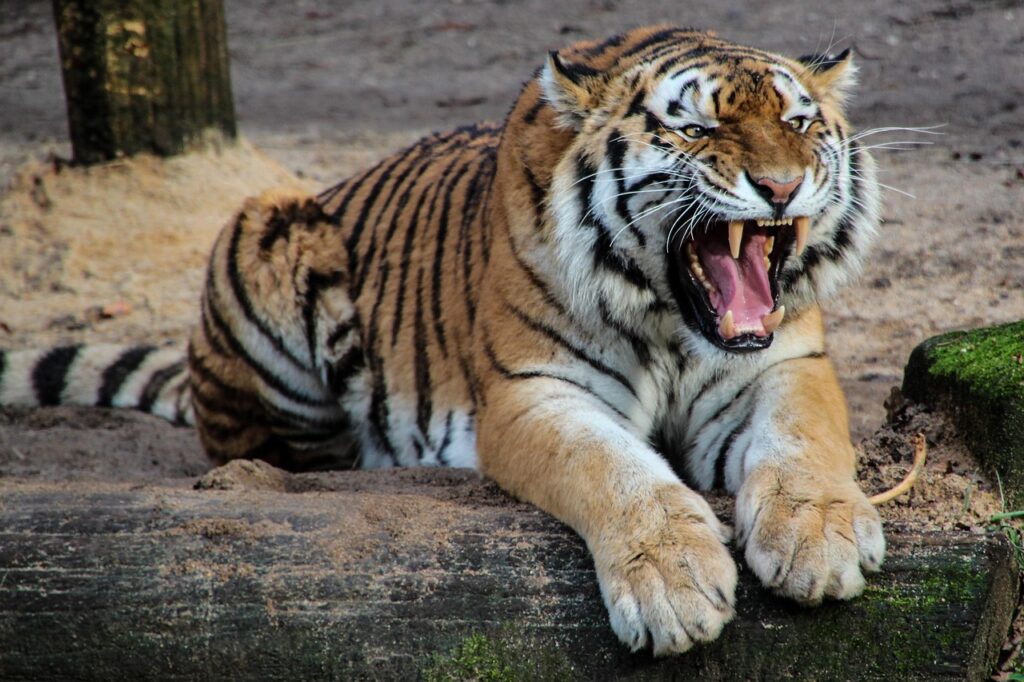
One of the most significant maintenance challenges in outdoor zoo environments is constant exposure to the elements. Sun, rain, wind, and temperature fluctuations all contribute to wear and tear on infrastructure, including enclosures, walkways, fencing, and visitor facilities.
UV radiation can degrade materials over time, causing plastics to become brittle and paints or coatings to fade. Meanwhile, heavy rainfall and humidity can lead to corrosion, mould growth, and structural weakening, particularly in metal and wooden components.
Seasonal changes also play a role. In regions with fluctuating climates, expansion and contraction of materials can cause cracks, joint failures, and surface damage. This makes routine inspections critical to identifying issues before they escalate.
To mitigate these effects, maintenance teams often rely on weather-resistant materials and protective coatings. However, even the best materials require regular upkeep, making environmental exposure an ongoing challenge rather than a one-time consideration.
Balancing animal welfare with infrastructure durability
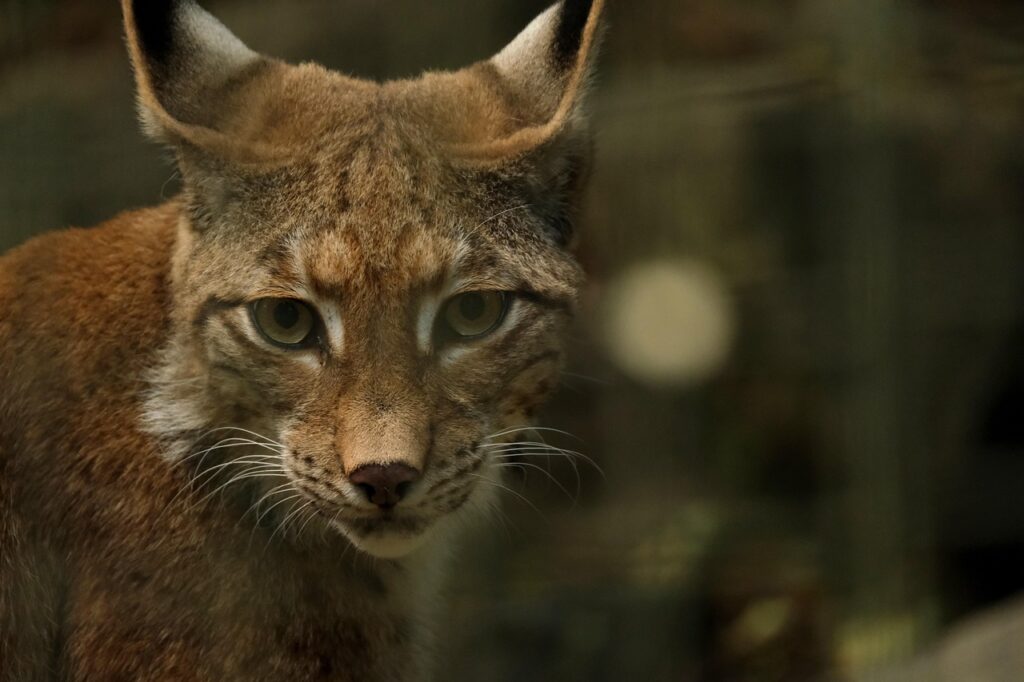
Outdoor zoo environments must prioritise animal welfare, which introduces unique maintenance considerations. Enclosures are designed to mimic natural habitats, often incorporating soil, water features, vegetation, and rocks. While these elements benefit the animals, they can accelerate infrastructure degradation.
Animals themselves can also impact maintenance. Large species may damage fencing, barriers, or enrichment structures through strength or repetitive behaviour. Smaller animals may burrow or chew through materials, creating hidden risks that require frequent monitoring.
Cleaning and sanitation present additional challenges. Maintenance teams must use methods and products that are safe for animals while still being effective in preventing disease and maintaining hygiene standards.
Design plays a crucial role in addressing these challenges. Durable materials, reinforced structures, and animal-safe finishes are essential. At the same time, maintenance plans must account for regular repairs and adjustments based on animal activity.
Visitor safety and high-traffic wear
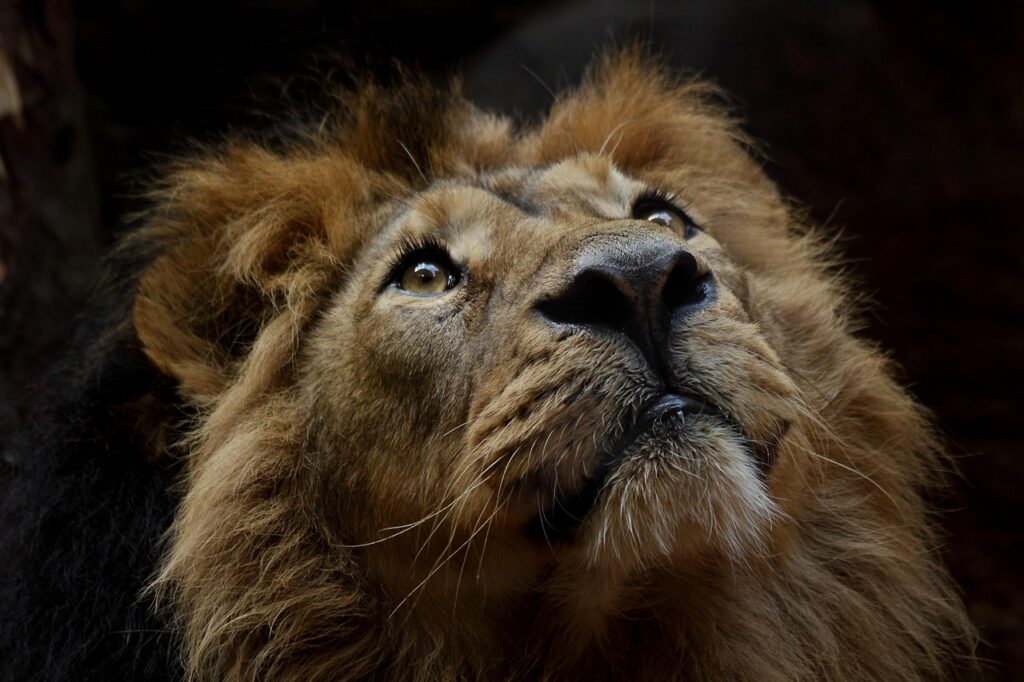
Outdoor zoo environments are high-traffic public spaces, which means visitor safety is a top priority. Walkways, viewing platforms, railings, and signage must be maintained to a high standard to prevent accidents and ensure a positive experience.
Foot traffic can quickly wear down surfaces, especially in areas exposed to moisture or uneven terrain. Slippery paths, loose paving, and damaged railings can pose serious risks if not addressed promptly.
In addition, visibility and accessibility must be maintained. Overgrown vegetation, faded signage, or poorly lit areas can impact both safety and visitor satisfaction. Maintenance teams must regularly assess these elements to ensure they remain functional and compliant with regulations.
Balancing aesthetics with safety is also important. Outdoor zoo environments are designed to feel natural and immersive, but this should never come at the expense of structural integrity or accessibility.
Key maintenance considerations for outdoor zoo environments
To effectively manage maintenance challenges in outdoor zoo environments, facilities teams need a structured and proactive approach. This includes:
- Regular inspections of enclosures, fencing, and visitor areas
- Use of weather-resistant and durable materials
- Preventative maintenance schedules for high-risk components
- Safe and animal-friendly cleaning and sanitation practices
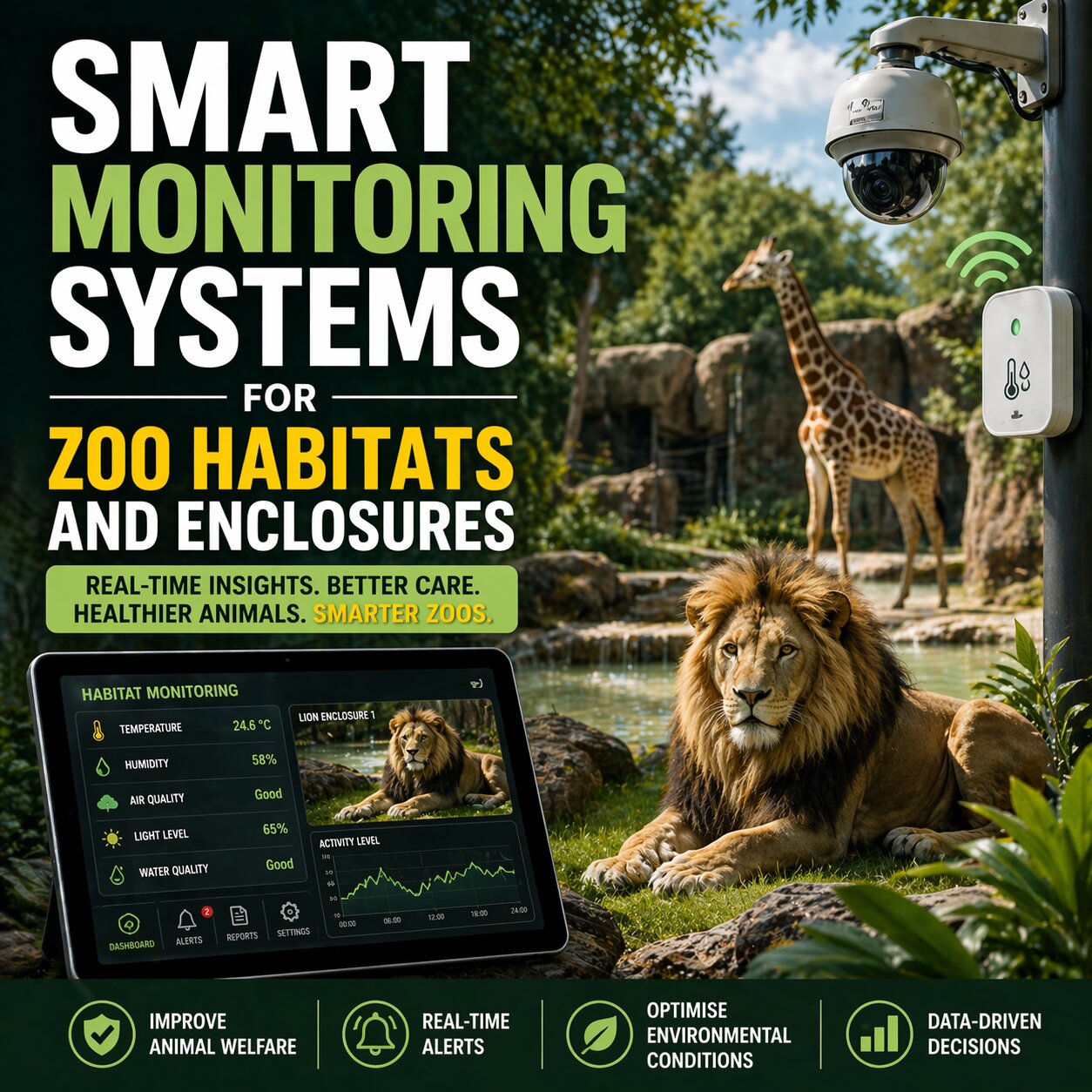
- Monitoring of vegetation growth and environmental changes
- Ongoing staff training to identify and respond to issues early
By implementing these practices, zoos can reduce unexpected failures and extend the lifespan of their infrastructure while maintaining high standards of safety and care.
Sustainability and long-term maintenance planning
Sustainability is becoming an increasingly important factor in outdoor zoo environments. Maintenance strategies must consider not only immediate repairs but also long-term environmental impact and resource efficiency.
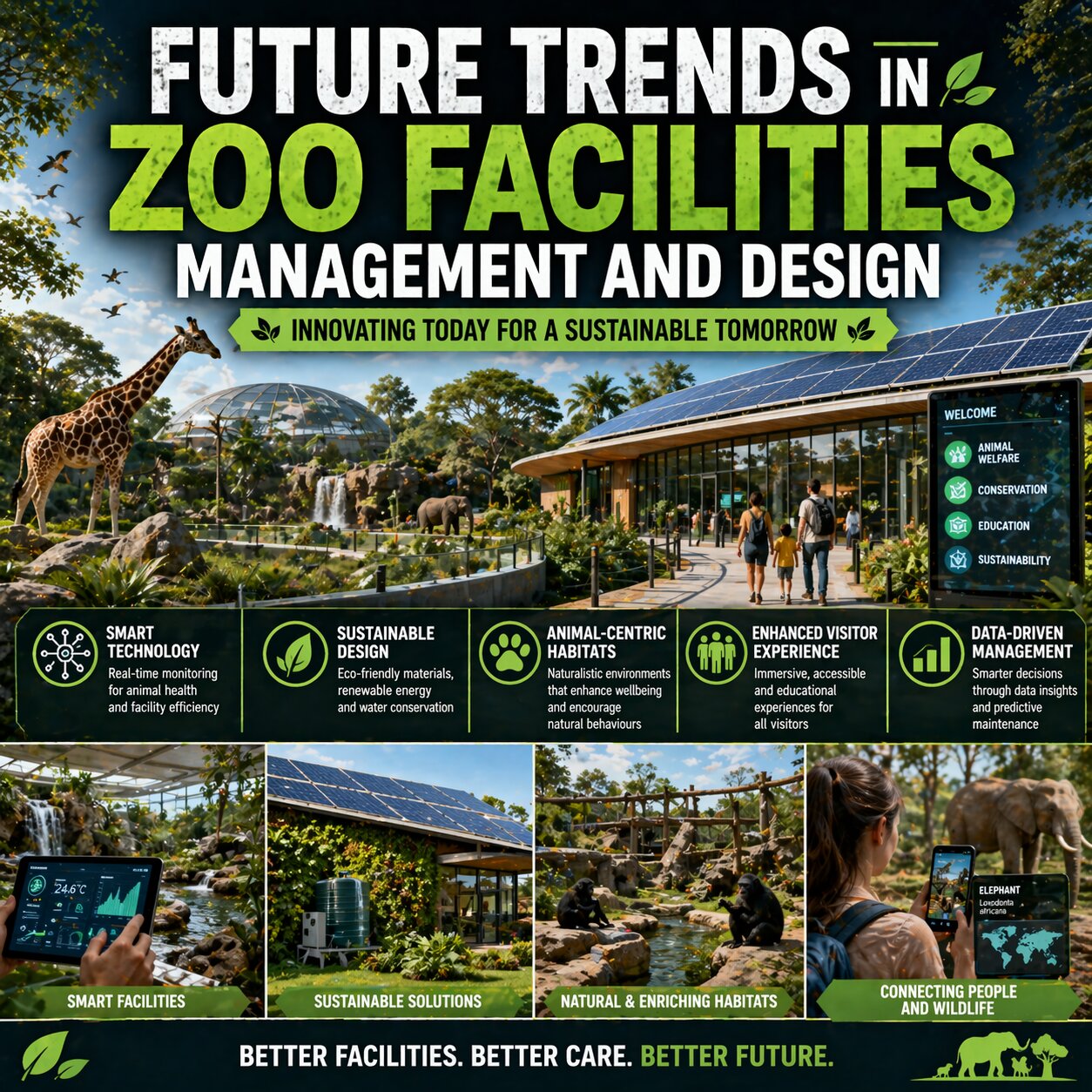
Water management is a key concern, particularly in habitats with ponds, streams, or artificial waterfalls. Efficient filtration systems, leak detection, and responsible water use are essential to maintaining both animal health and operational sustainability.
Energy use is another factor. Outdoor lighting, climate control for certain enclosures, and operational systems all contribute to a zoo’s energy footprint. Maintenance teams can play a role in improving efficiency through regular servicing and the adoption of energy-saving technologies.
Sustainable materials and practices can also reduce maintenance demands over time. By investing in high-quality, eco-friendly solutions, zoos can lower long-term costs while supporting environmental goals.
Keeping nature and infrastructure in harmony
Maintaining outdoor zoo environments is a continuous balancing act between nature and infrastructure. These spaces are designed to feel organic and alive, yet they rely on careful planning and consistent maintenance to function safely and effectively.
For facilities managers, the challenge lies in anticipating issues before they arise and adapting to the ever-changing conditions of the environment. With the right strategies in place, it is possible to create outdoor zoo environments that are both resilient and sustainable.
If you need support with maintenance planning, infrastructure management, or smart systems for complex environments, contact us to learn more about our services.