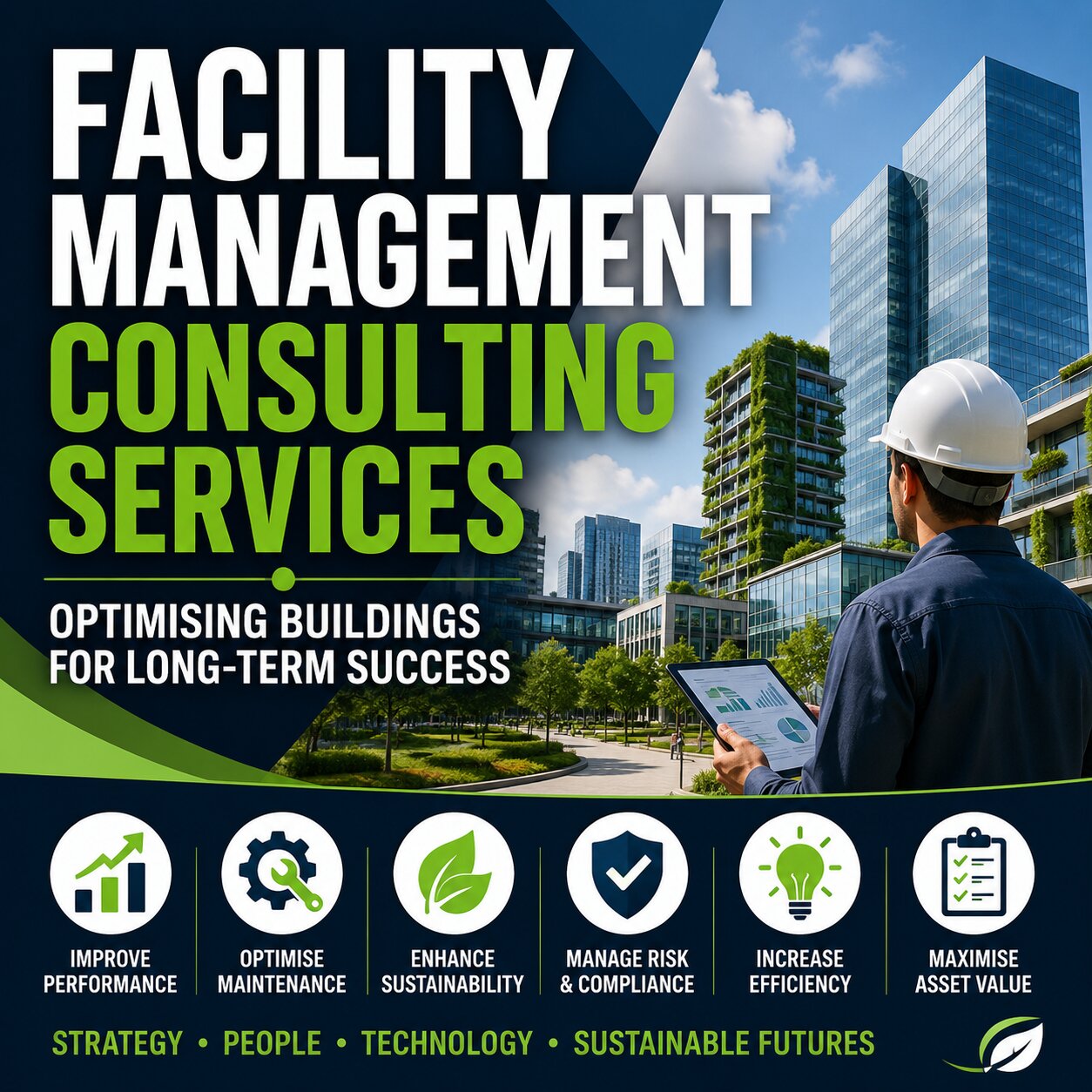
Smart Facilities Management is redefining how organisations manage their buildings and assets. By integrating advanced technologies such as IoT sensors, automation, and data analytics, facility managers can operate more efficiently, reduce costs, and enhance sustainability. This modern approach to facilities management goes beyond traditional maintenance. It creates intelligent, future-ready environments.
What is Smart Facilities Management?

Smart Facilities Management combines digital tools with traditional facility services to create more efficient and connected workplaces. Through automation, real-time monitoring, and predictive analytics, managers gain greater visibility over everything from energy use to equipment performance.
This approach transforms facilities into dynamic ecosystems. Rather than responding to issues reactively, facility managers can anticipate problems, optimise resources, and provide a seamless environment for employees and clients.
Benefits of Smart Facilities Management

One of the biggest benefits of Smart Facilities Management is cost efficiency. Smart systems track energy consumption, predict maintenance needs, and automate repetitive tasks, reducing waste and downtime.
Another advantage is improved workplace comfort and safety. Smart sensors can regulate lighting, air quality, and temperature, while also supporting security systems. This creates a healthier and more productive environment that boosts employee satisfaction.
The Role of IoT and Automation

Smart Facilities Management relies heavily on the Internet of Things (IoT). Connected devices capture data on building performance and feed it into centralised systems. Facility managers can then use this information to make informed decisions and respond instantly to changing conditions.
Automation takes things further by streamlining processes. From predictive maintenance alerts to AI-driven energy management, automation reduces human error and ensures facilities operate at peak performance around the clock.
Sustainability and Smart Facilities Management

Sustainability is at the heart of Smart Facilities Management. By monitoring energy usage, optimising water consumption, and reducing waste, smart systems help organisations meet environmental targets.
Adopting this approach not only lowers operational costs but also enhances corporate reputation. With businesses under growing pressure to meet sustainability goals, Smart Facilities Management provides a practical way to combine efficiency with environmental responsibility.
Challenges in Adopting Smart Facilities Management

While Smart Facilities Management offers many benefits, implementing it does come with challenges. One of the main obstacles is the initial investment. Upgrading infrastructure with IoT devices, automation tools, and integrated software platforms can be costly, especially for organisations with large or older facilities. Many businesses hesitate because of the upfront expense, even though the long-term savings usually outweigh the costs.
Another challenge is data management. Smart systems generate massive amounts of data, and without proper storage, analysis, and security measures, this information can become overwhelming. Facility managers must ensure that data is not only collected but also turned into actionable insights. Cybersecurity is another growing concern—connected devices can expose buildings to digital threats if not properly protected.
Lastly, there is the human element. Adopting Smart Facilities Management requires training employees and sometimes changing long-established processes. Resistance to change can slow down adoption, making it important to focus on stakeholder buy-in and staff education.
Despite these challenges, the shift toward Smart Facilities Management is accelerating. Businesses that overcome these hurdles stand to benefit from more efficient operations, reduced costs, and stronger alignment with sustainability goals.
Conclusion: The Future of Smart Facilities Management
Smart Facilities Management is more than a trend. It’s the future of building operations. By harnessing technology, facility managers can create sustainable, efficient, and intelligent workplaces. As more businesses adopt these innovations, Smart Facilities Management will continue to shape how we design, manage, and experience modern facilities.
Smart FM is not just about technology. It’s about creating workplaces that are adaptable, resilient, and aligned with future demands. As organisations continue to evolve, integrating smart systems will become a competitive necessity rather than a luxury. From predictive maintenance to energy optimisation, the benefits far outweigh the challenges.
Companies that embrace this shift today will not only improve efficiency and reduce costs but also position themselves as leaders in sustainability and innovation. The future of facilities is smart, connected, and ready to transform the way we live and work.