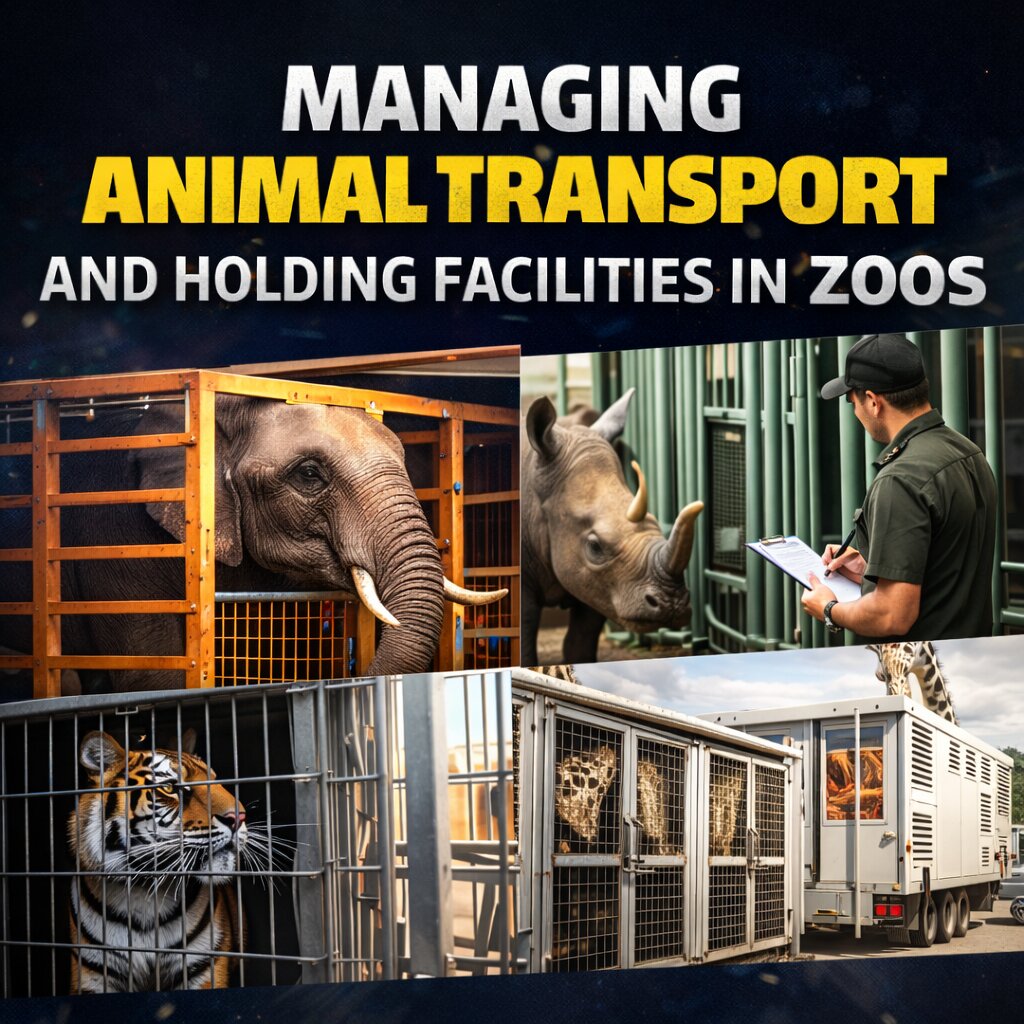
Managing animal transport and holding facilities in zoos is a critical aspect of modern wildlife care, conservation, and operational efficiency. These systems ensure that animals are moved safely between enclosures, veterinary areas, and external locations while minimising stress and maintaining strict welfare standards.
From short-distance internal transfers to international relocations, well-designed transport and holding facilities play a vital role in ensuring both animal well-being and staff safety.
The importance of controlled animal movement
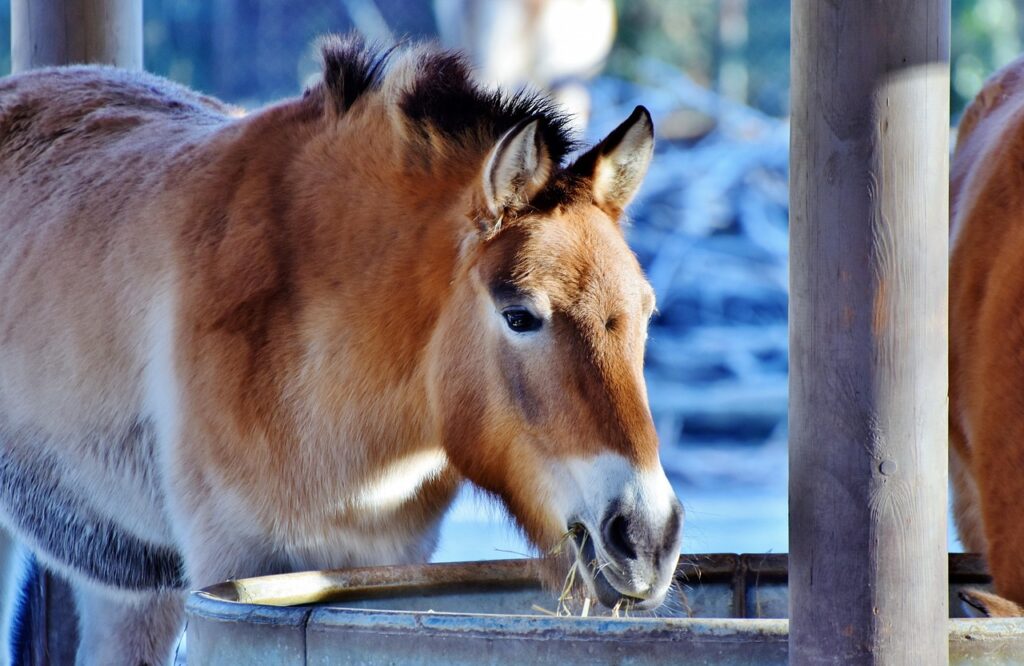
Managing animal transport and holding facilities in zoos begins with understanding the importance of controlled and carefully planned movement. Animals are highly sensitive to environmental changes, and transport can introduce stress, anxiety, and health risks if not handled correctly.
Facilities must be designed to reduce noise, visual disturbances, and unfamiliar stimuli. This includes using quiet pathways, secure enclosures, and controlled lighting conditions to create a calm transition between spaces.
In addition, managing animal transport and holding facilities in zoos requires coordination between veterinary teams, keepers, and operational staff. Each movement must be planned in advance, with contingency measures in place to handle unexpected situations.
Design of holding facilities
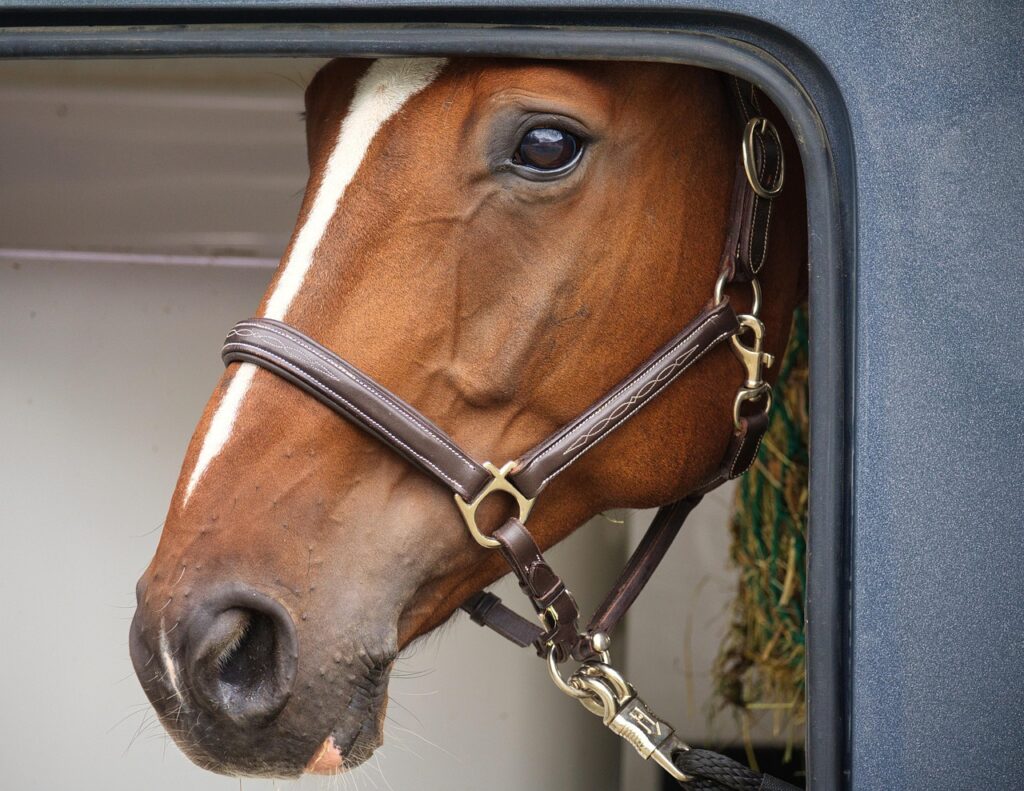
The design of holding areas is a key component of managing animal transport and holding facilities in zoos. These spaces act as temporary environments where animals can rest, recover, or be observed before and after transport.
Holding facilities should replicate aspects of the animal’s natural habitat wherever possible. This includes appropriate temperature control, ventilation, and substrate to ensure comfort and familiarity.
Security is equally important. Strong barriers, double-gate systems, and secure locking mechanisms help prevent escapes and ensure staff safety. At the same time, facilities should allow for easy monitoring and access for feeding, cleaning, and medical care.
Transport systems and equipment
Effective managing animal transport and holding facilities in zoos relies on specialised transport systems and equipment tailored to different species. Crates, cages, and carriers must be designed to provide both safety and comfort during movement.
Transport containers should allow for adequate ventilation, limited movement to prevent injury, and easy access for monitoring. Materials used must be durable, easy to sanitise, and suitable for the specific animal.
For larger animals, specialised vehicles or reinforced pathways may be required. Managing animal transport and holding facilities in zoos also involves ensuring that routes are clear, secure, and free from hazards during transfers.
Key operational considerations
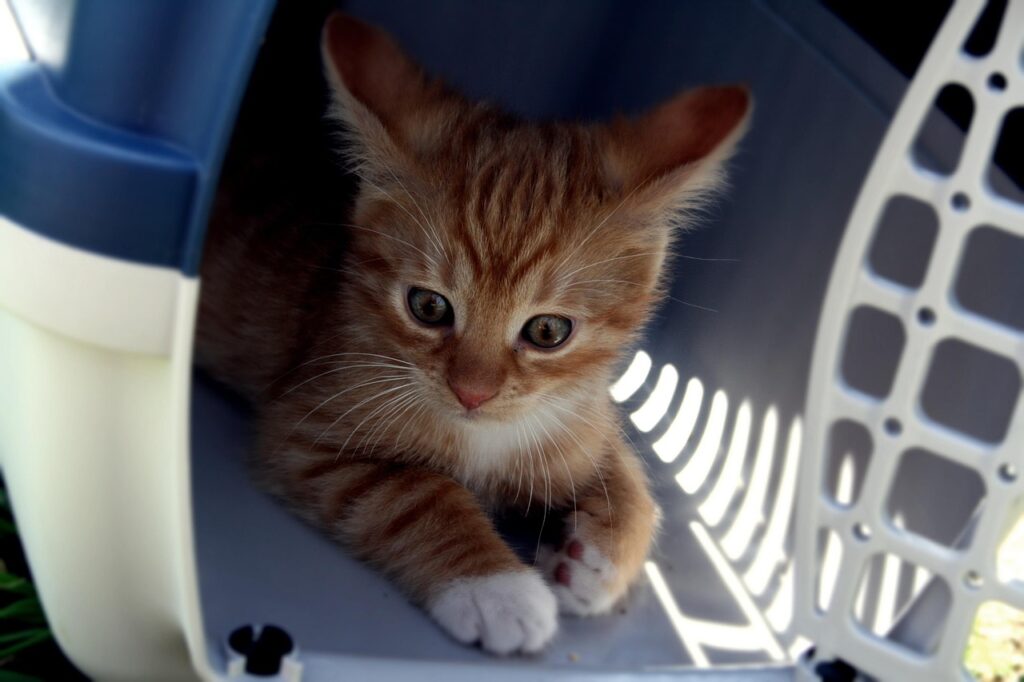
Managing animal transport and holding facilities in zoos involves several operational factors that must be consistently maintained to ensure smooth and safe processes.
- Animal welfare protocols: Minimising stress through familiarisation and gradual exposure
- Health monitoring: Pre- and post-transport checks by veterinary teams
- Staff training: Ensuring handlers are experienced and knowledgeable
- Route planning: Safe, efficient pathways within and beyond zoo grounds
- Emergency procedures: Plans for escapes, injuries, or equipment failure
These considerations ensure that managing animal transport and holding facilities in zoos remains efficient while prioritising the wellbeing of all involved.
Safety and compliance standards
Safety is at the core of managing animal transport and holding facilities in zoos. Facilities must comply with local and international regulations governing animal welfare, transport, and biosecurity.
This includes adhering to guidelines for species-specific transport, quarantine procedures, and disease prevention. Proper documentation and record-keeping are also essential for tracking movements and ensuring accountability.
Managing animal transport and holding facilities in zoos also requires regular inspections and maintenance of equipment and infrastructure to prevent failures that could compromise safety.
Supporting conservation and global collaboration
Managing animal transport and holding facilities in zoos plays a significant role in conservation efforts. Zoos frequently participate in breeding programmes, species exchanges, and rescue operations that require safe and efficient animal transport.
Well-managed facilities enable animals to be relocated between institutions as part of global conservation initiatives. This helps maintain genetic diversity and supports the survival of endangered species.
In this context, managing animal transport and holding facilities in zoos becomes more than just an operational task—it is a vital component of international wildlife preservation.
Enabling safe and humane animal care
Managing animal transport and holding facilities in zoos is essential for ensuring the safety, health, and wellbeing of animals in controlled environments. From carefully designed holding spaces to specialised transport systems, every aspect must be planned with precision and care.
As zoos continue to evolve into centres of conservation and education, these systems will remain fundamental in supporting ethical animal management and global collaboration efforts.