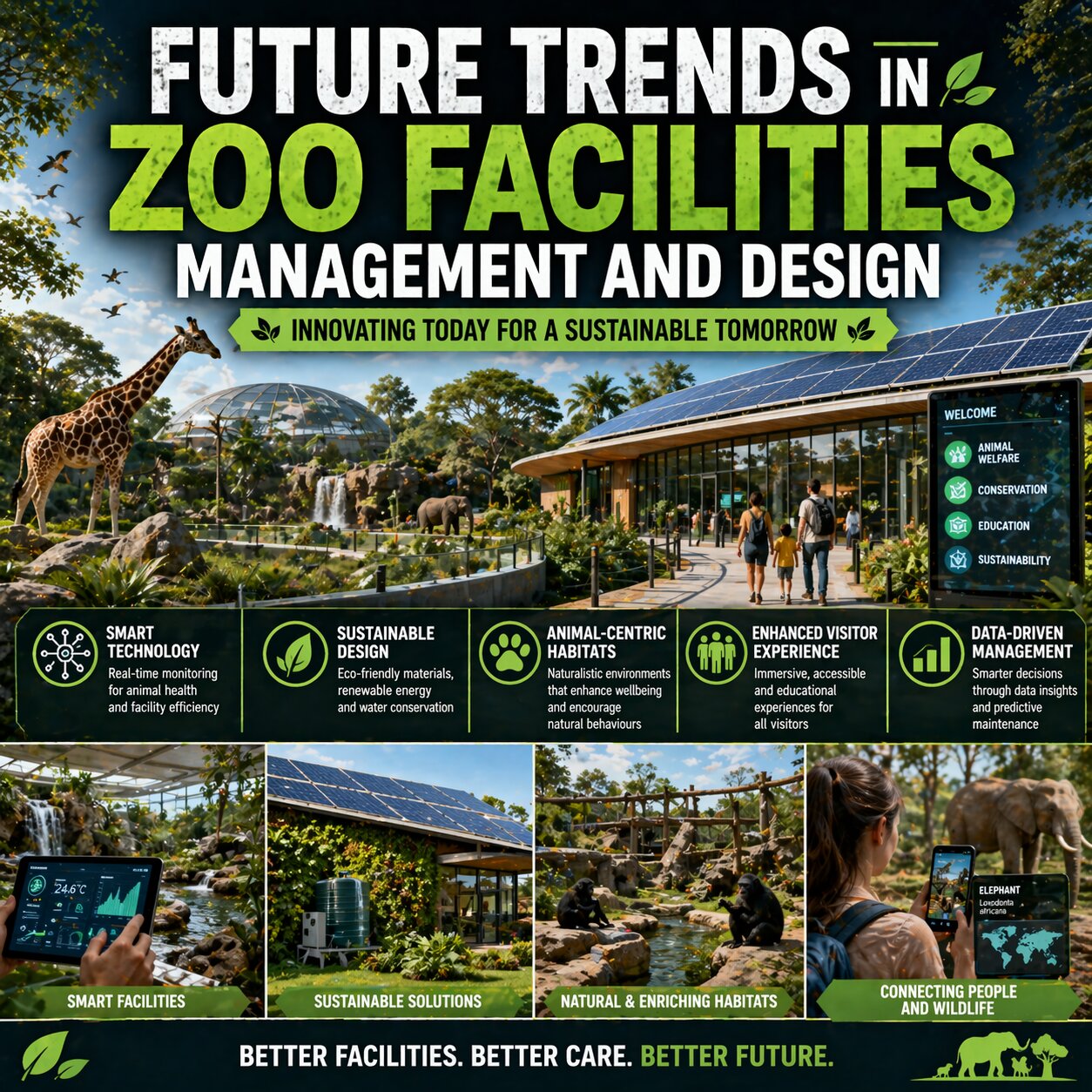
Modern zoos are evolving beyond traditional enclosures into carefully designed ecosystems that prioritise animal welfare, environmental responsibility, and long-term sustainability. One of the most important aspects of this transformation is the use of sustainable building materials for zoo infrastructure.
These materials play a critical role in reducing environmental impact while ensuring that structures remain safe, durable, and functional. From zoo enclosures and walkways to visitor facilities and service areas, material choices influence both ecological footprint and operational efficiency.
As sustainability becomes a global priority, zoos are increasingly adopting innovative materials that align with conservation goals. The use of sustainable building materials for zoo infrastructure is no longer optional. It is essential for creating spaces that reflect modern environmental values.
Why Sustainable Materials Matter in Zoo Design
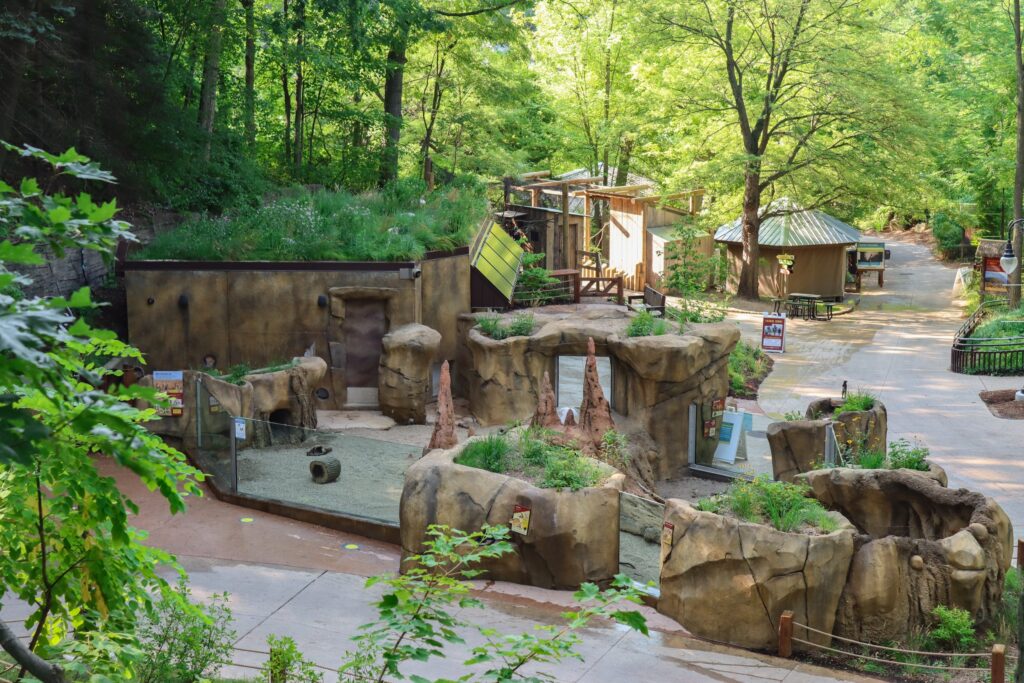
The use of sustainable building materials for zoo infrastructure directly supports conservation efforts. Zoos are often positioned as leaders in environmental education, and their infrastructure should reflect the same commitment to sustainability that they promote.
Traditional construction materials can have a significant environmental cost, including high carbon emissions, resource depletion, and waste generation. By choosing sustainable alternatives, zoos can reduce their ecological footprint and contribute to broader environmental goals.
Sustainable materials also improve the health and safety of both animals and visitors. Non-toxic, natural, and responsibly sourced materials create safer environments and reduce exposure to harmful substances.
In addition, these materials often offer long-term cost benefits. Durable and energy-efficient options can lower maintenance requirements and operational expenses over time.
Common Sustainable Building Materials for Zoo Infrastructure
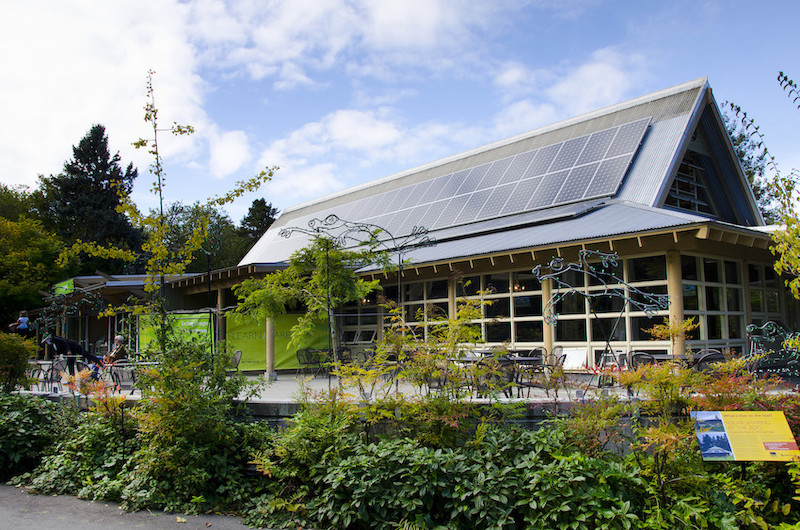
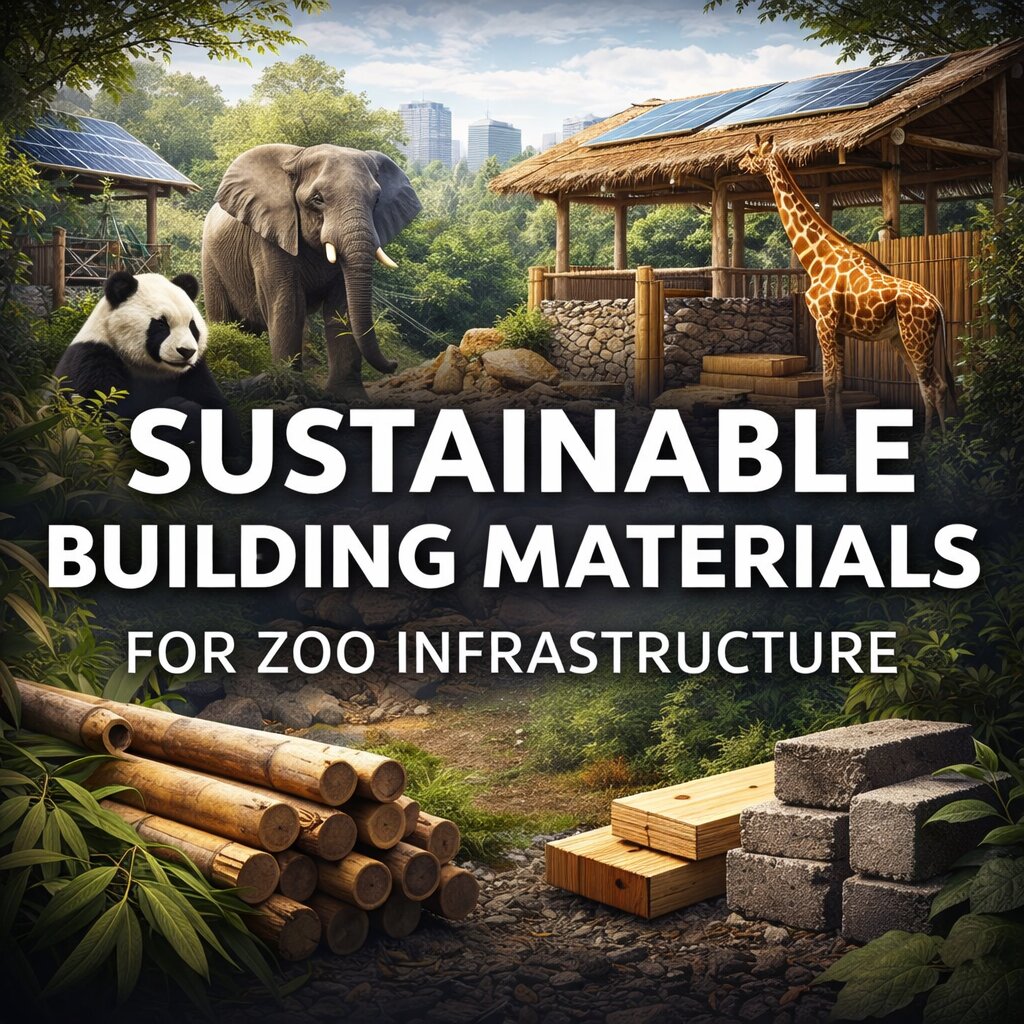
There is a growing range of sustainable building materials for zoo infrastructure that can be used across different areas of a facility. Each material offers unique benefits depending on its application.
Recycled materials are widely used, including reclaimed wood, recycled steel, and repurposed plastics. These options reduce waste and minimise the need for new resource extraction.
Bamboo is another popular choice due to its rapid growth and strength. It is ideal for structures such as fencing, shelters, and decorative elements within zoo environments.
Low-carbon concrete and eco-friendly composites are also gaining traction. These materials maintain structural integrity while reducing emissions associated with traditional construction methods.
Natural stone and earth-based materials provide durability and blend seamlessly into naturalistic habitats, enhancing both aesthetics and functionality.
Benefits of Using Sustainable Materials in Zoo Infrastructure
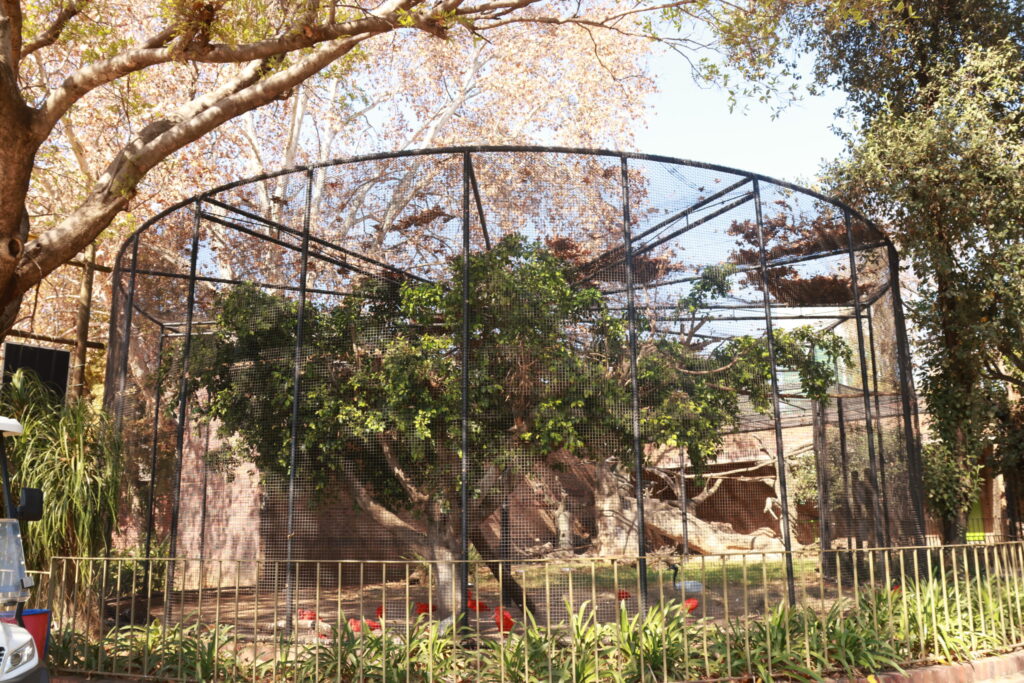
The adoption of sustainable building materials for zoo infrastructure brings a wide range of benefits that extend beyond environmental impact.
- Reduces carbon footprint and resource consumption
- Enhances animal welfare with safer, non-toxic environments
- Improves energy efficiency in buildings and enclosures
- Supports conservation and sustainability education
- Lowers long-term maintenance and operational costs
These advantages make sustainable materials a key component of modern zoo design and development.
Designing for the Future of Zoo Infrastructure

The future of zoo infrastructure lies in innovation and sustainability. The use of sustainable building materials for zoo infrastructure will continue to grow as new technologies and materials are developed.
Smart design approaches are also becoming more common. These include integrating renewable energy systems, water conservation strategies, and climate-responsive architecture.
Collaboration between architects, engineers, and conservationists is essential. By working together, they can create spaces that meet the needs of animals while minimising environmental impact.
As public awareness increases, visitors are also expecting more sustainable practices. Zoos that invest in eco-friendly infrastructure will not only benefit the environment but also strengthen their reputation and visitor engagement.
Building Habitats That Reflect Conservation Values
Zoos are more than places to observe wildlife. They are centres of education, conservation, and innovation. The use of sustainable building materials for zoo infrastructure ensures that these institutions lead by example.
By choosing materials that reduce environmental impact and support long-term sustainability, zoos can create habitats that are both functional and inspiring.
The shift towards sustainable infrastructure is not just a trend. It is a necessary step in aligning zoo operations with global conservation efforts and building a future where both wildlife and people can thrive.