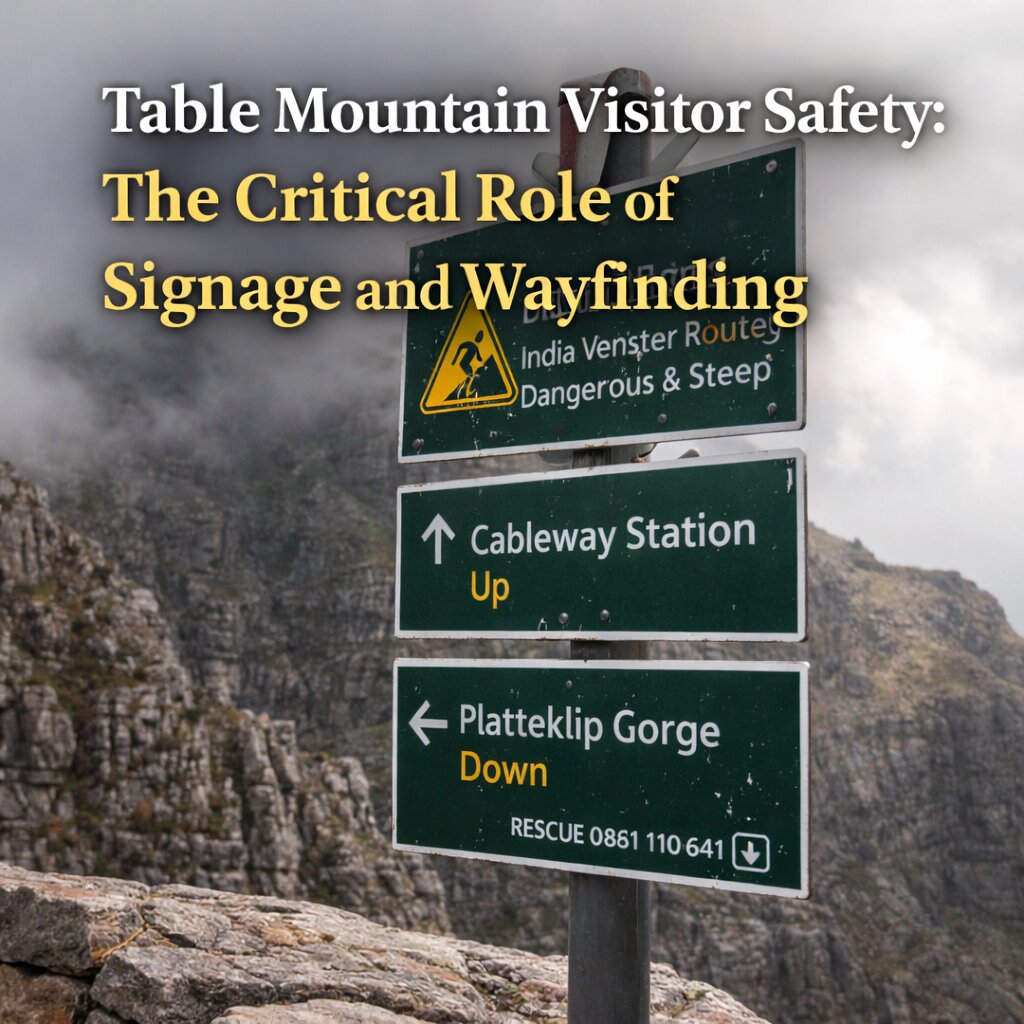
Table Mountain visitor safety is not just about emergency response or mountain rescue operations. It begins with something far simpler and often overlooked: clear, intelligent signage and effective wayfinding systems.
As one of South Africa’s most visited natural landmarks, Table Mountain attracts thousands of hikers, tourists, and families every week. With varying terrain, unpredictable weather, and multiple access routes, proper directional guidance becomes essential to reducing risk, preventing accidents, and supporting emergency services.
In high-traffic public environments like this, Table Mountain visitor safety planning plays a direct role in protecting lives.
Why Table Mountain Visitor Safety Starts with Clear Signage
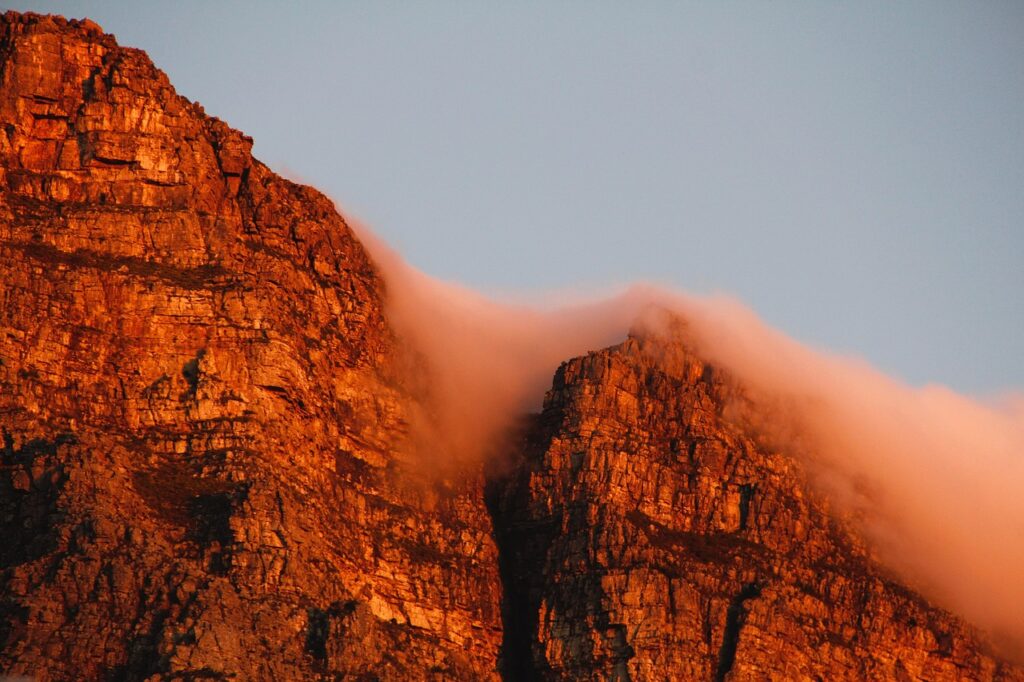
Natural environments can be disorienting, especially for visitors unfamiliar with the terrain. Fog can roll in quickly, trails may intersect, and informal footpaths can easily lead hikers off marked routes.
Effective safety signage provides:
- Clearly marked trail names and difficulty levels
- Distance indicators and estimated hiking times
- Emergency contact information
- Warning notices for steep drops or hazardous areas
Without structured wayfinding, visitors may underestimate route difficulty, become lost, or delay turning back in deteriorating weather conditions. From a facilities and infrastructure perspective, proactive signage reduces the burden on rescue teams and lowers overall incident rates.
Wayfinding as a Risk Management Tool
Modern wayfinding is more than arrows on poles. It is a strategic safety system.
Well-designed wayfinding integrates:
- Consistent visual identity across all entry points
- Multilingual communication for international tourists
- Reflective or illuminated markers for low-visibility conditions
- QR codes linked to live route maps and safety alerts
For Table Mountain visitor safety, integrated wayfinding can guide visitors toward safe exit routes, designated viewpoints, and official pathways while discouraging entry into dangerous or restricted areas.
In large public spaces, confusion increases risk. Clarity reduces it.
Materials and Durability in Harsh Mountain Conditions
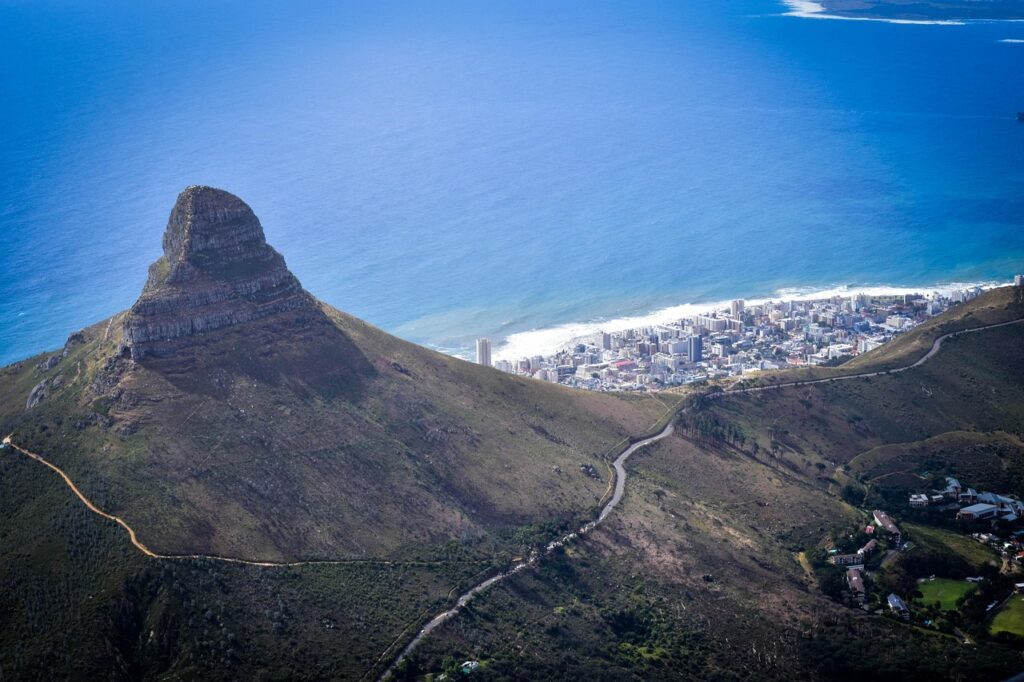
Signage on Table Mountain must withstand extreme environmental exposure.
High UV levels, strong winds, coastal moisture, and temperature shifts all impact material longevity. Inferior materials fade, crack, or detach, creating confusion and potential liability.
Best-practice installations typically include:
- UV-resistant coatings
- Corrosion-resistant fixings
- Impact-resistant panels
- Secure anchoring systems designed for high-wind zones
From a sustainable systems perspective, durable materials reduce maintenance costs while maintaining consistent Table Mountain visitor safety standards year-round.
Supporting Emergency Response and Incident Prevention
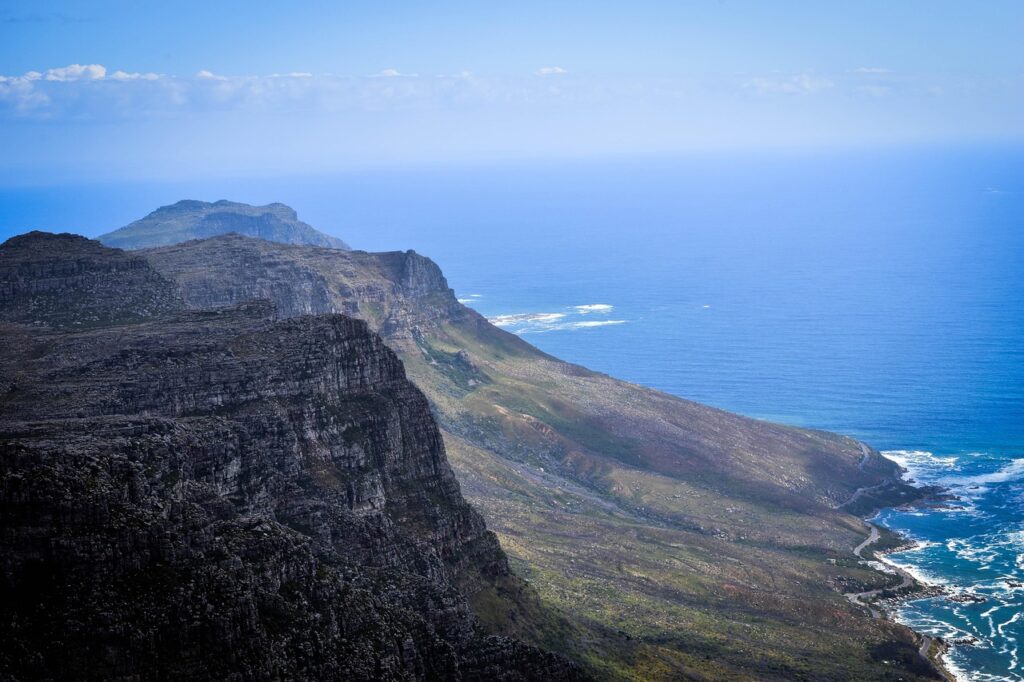
When an incident occurs, clear signage becomes critical.
Accurate trail markers help emergency responders pinpoint locations quickly. Visible trail codes and reference points allow distressed hikers to communicate their position more effectively when contacting rescue services.
Wayfinding also assists in crowd flow management during peak seasons. Controlled pedestrian movement reduces congestion at narrow paths, minimising fall risks and bottlenecks.
In short, preventative infrastructure reduces reactive intervention.
Building a Safer Experience Through Infrastructure Planning
Table Mountain visitor safety is a shared responsibility between authorities, infrastructure planners, and maintenance teams.
Signage and wayfinding may appear simple, but they are foundational elements in public space safety design. With strategic planning, durable materials, and consistent messaging, these systems transform from passive markers into active risk-reduction tools.
As visitor numbers continue to grow, investing in structured safety infrastructure ensures that both locals and international tourists can experience Table Mountain confidently and responsibly.
Safety is not accidental. It is engineered.