Paper recycling plays a critical role in reducing landfill waste, conserving natural resources, and lowering the environmental impact of manufacturing. While many people are familiar with placing paper in a recycling bin, fewer understand the paper recycling processes that happen after collection.
This article breaks down how paper recycling processes work, from collection and sorting through to pulping, cleaning, and remanufacturing, providing a clear picture of what happens behind the scenes.
Why paper recycling processes matter

Paper is one of the most widely used materials in homes, offices, schools, and businesses. Without effective paper recycling processes, large volumes of paper end up in landfill, where they contribute to methane emissions as they decompose.
Proper recycling processes help:
- Reduce deforestation
- Save water and energy
- Lower greenhouse gas emissions
- Support a circular economy
Understanding paper recycling also helps businesses and households recycle more effectively by reducing contamination.
Step 1: Collection and transportation
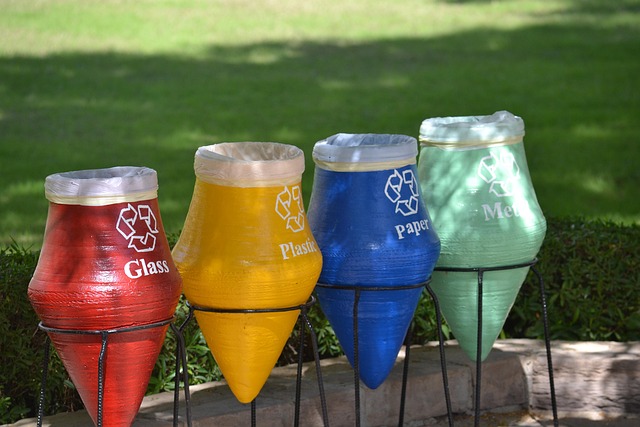
Paper recycling begins with collection. Waste paper is gathered from households, offices, schools, and commercial facilities through municipal services or private recycling contractors.
Once collected, the paper is transported to a materials recovery facility (MRF) or directly to a paper recycling plant, where processing begins.
Step 2: Sorting and grading
Sorting is one of the most important paper recycling processes. Paper is separated by type and quality, as different grades are recycled in different ways.
Common paper categories include:
- Newspapers and magazines
- Office paper
- Cardboard and paperboard
- Mixed paper
Contaminants such as plastic, metal, food residue, and non-paper materials are removed at this stage, as they can disrupt later processes.
Step 3: Shredding and pulping
After sorting, the paper is shredded and mixed with water to create pulp. This step is central to paper recycling processes, as it breaks the paper down into individual fibres.
The pulping process may also include gentle heating and mechanical agitation to help separate fibres more efficiently.
Step 4: Cleaning and screening
Once pulped, the mixture goes through cleaning and screening systems that remove:
- Staples and paper clips
- Adhesives and labels
- Plastic films and coatings
Advanced paper recycling processes use centrifugal cleaners and fine screens to ensure the pulp is as clean as possible before further treatment.
Step 5: De-inking
For printed paper, de-inking is a crucial part of paper recycling processes. This stage removes ink, dyes, and coatings from the pulp.
Air bubbles are introduced into the pulp, causing ink particles to attach and float to the surface, where they are skimmed off. The cleaner pulp can then be used to produce lighter-coloured recycled paper products.
Step 6: Refining and bleaching
Depending on the intended end product, the pulp may be refined to improve fibre bonding and strength. Some paper recycling processes also include bleaching, using environmentally safer chemicals to brighten the pulp.
Not all recycled paper requires bleaching, especially for products such as cardboard, packaging, and industrial paper.
Step 7: Remanufacturing recycled paper
The final stage of paper recycling processes involves turning cleaned pulp into new paper products. The pulp is spread onto screens, pressed to remove excess water, and dried into sheets or rolls.
Recycled paper is used to manufacture:
- Office and printing paper
- Newspapers
- Cardboard boxes
- Tissue and paper towels
- Packaging materials
Limitations of paper recycling processes

While paper recycling processes are highly effective, paper fibres can only be recycled a limited number of times. Each recycling cycle shortens the fibres, eventually making them unsuitable for reuse.
This is why recycled paper production still relies on a mix of recycled fibres and virgin pulp from sustainably managed forests.
Improving paper recycling outcomes

Effective paper recycling processes rely on correct recycling behaviour. Keeping paper clean and dry, avoiding contamination, and following local recycling guidelines all improve recycling efficiency and reduce processing costs.
For businesses, understanding paper recycling processes can also support sustainability reporting and waste reduction strategies.
Closing thoughts on paper recycling processes
Paper recycling processes are a vital part of modern waste management systems. By transforming used paper into new products, these processes help conserve resources, reduce environmental impact, and support more sustainable production cycles.
As recycling technology continues to improve, paper recycling processes will remain central to building a more circular and responsible economy.