Bees, butterflies, and other pollinators are essential for food security and healthy ecosystems. Yet across South Africa, their habitats are shrinking due to urban development, pesticide use, and climate change. One innovative solution gaining momentum worldwide, and now in South African cities, is the idea of pollinator pathways: networks of green spaces that allow pollinators to move safely through urban areas.
Why Pollinator Pathways Matter
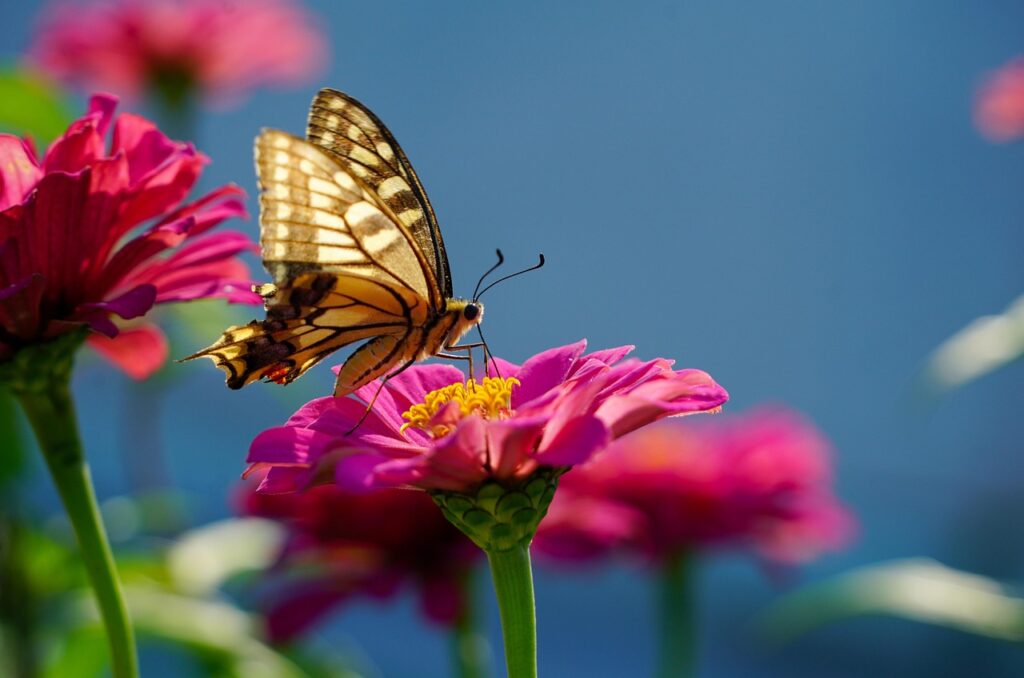
Pollinators don’t just add beauty to gardens; they are the backbone of biodiversity. Over 75% of flowering plants depend on them for reproduction, including many crops critical to South Africa’s food supply. But fragmented urban landscapes can isolate pollinator populations, making it harder for them to find food, mates, and safe shelter. Pollinator pathways help bridge these gaps by linking parks, gardens, road verges, and rooftops into connected green corridors.
Building Pathways in South African Cities
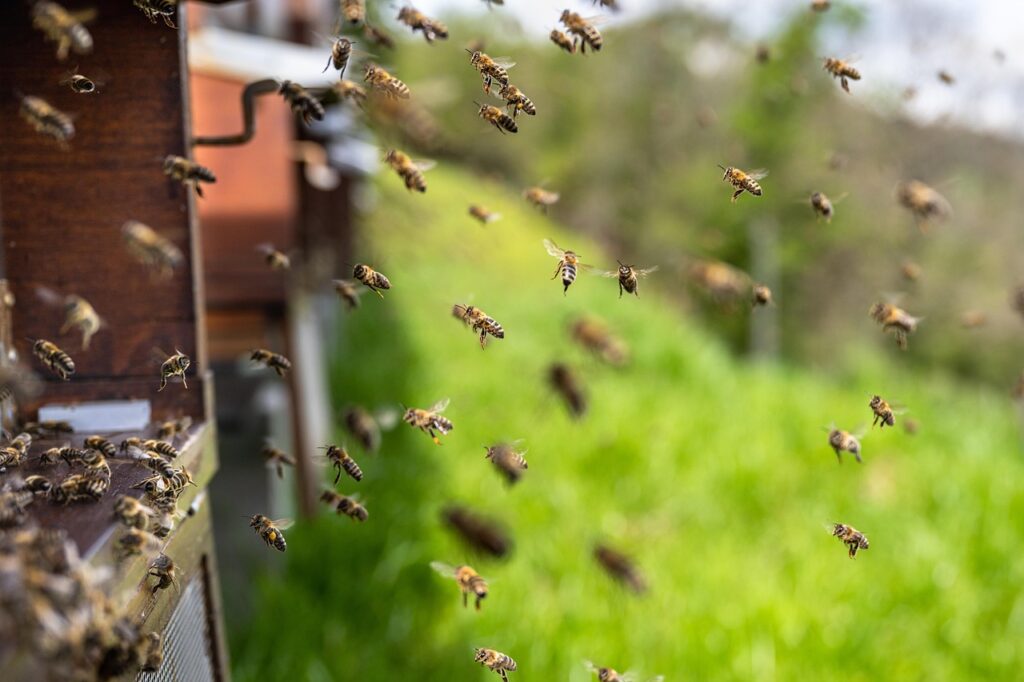
Creating pollinator-friendly routes doesn’t require massive infrastructure projects; it can be achieved through thoughtful planting and planning. Homeowners can plant indigenous, nectar-rich flowers and shrubs that bloom across seasons, ensuring food is available year-round.
Municipalities can play a role by designing roadside verges and public spaces with native plants instead of ornamental but ecologically poor species. Even small interventions, like green rooftops and balcony gardens, can contribute stepping-stones for pollinators.
Cape Town, with its unique floral kingdom, is especially well-placed to lead in this area. Planting indigenous fynbos species supports not only bees and butterflies but also endemic pollinators that exist nowhere else on Earth. When combined at scale, these efforts can stitch together a living network across the city.
Benefits for People and the Planet
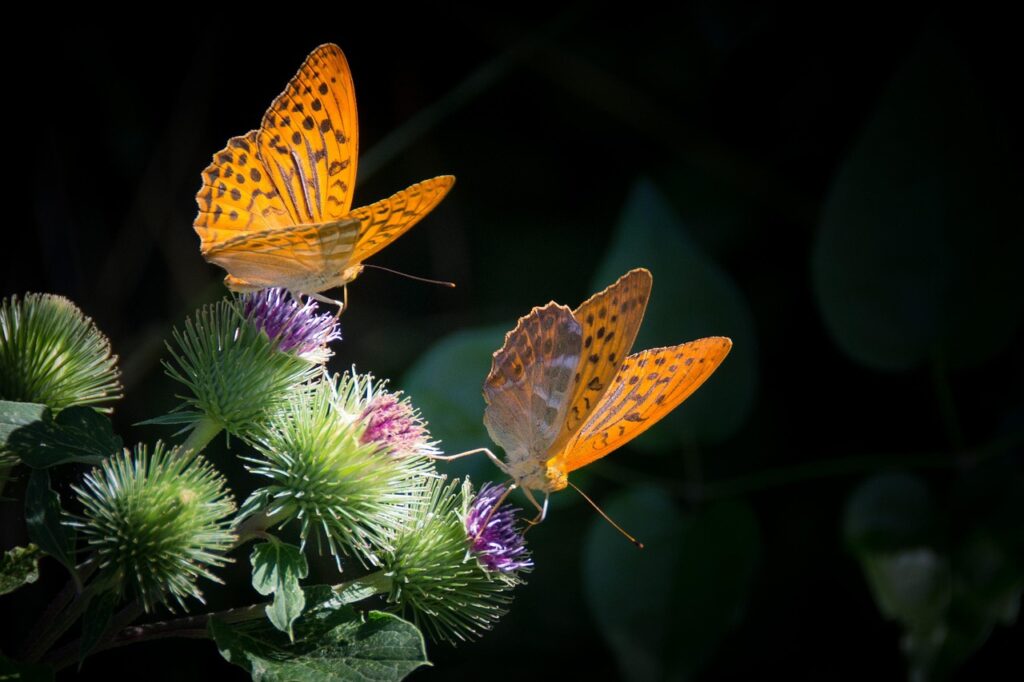
Pollinator pathways offer multiple benefits. They enhance urban biodiversity and protect food systems, but they also enrich human life. Green corridors make cities cooler, more attractive, and more liveable. Communities benefit from healthier gardens, improved crop yields in urban farms, and the simple joy of seeing butterflies and bees thriving. These projects also create opportunities for education, eco-tourism, and even job creation through native plant nurseries and landscaping.
Conclusion
Pollinator pathways are a powerful, low-cost way to make cities more sustainable and resilient with animal sanctuaries. By planting indigenous flowers, avoiding pesticides, and linking green spaces, South Africans can create safe routes for bees and butterflies to thrive. In doing so, we not only protect biodiversity but also ensure healthier, greener cities for future generations.