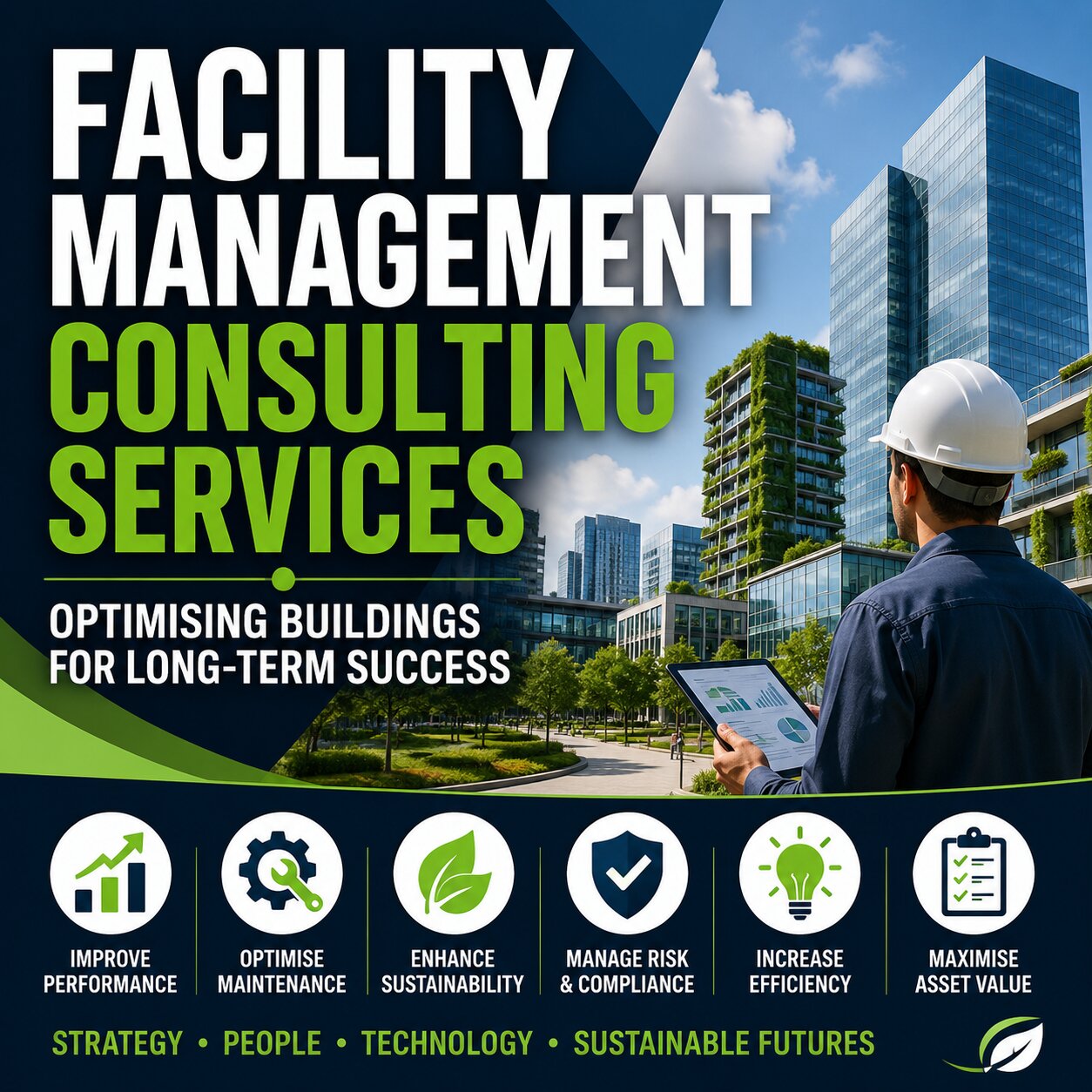
Managing tenant relationships in multi-tenant buildings is one of the most important responsibilities in modern facility management. Beyond maintaining the physical structure, effective tenant management directly influences occupancy rates, tenant retention, operational efficiency, and the long-term value of a property.
In multi-tenant environments such as office parks, mixed-use developments, retail centres, and residential complexes, clear communication and structured processes are essential. Facility managers who prioritise strong tenant relationships create safer, more cooperative, and more sustainable buildings.
Why Tenant Relationships Matter in Facility Management

Strong tenant relationships reduce conflict, improve compliance, and help prevent small issues from becoming costly disputes. When tenants feel heard and supported, they are more likely to report problems early, follow building rules, and renew leases.
From a facility management perspective, good relationships also streamline operations. Clear expectations around maintenance schedules, shared services, and access control make it easier to manage multiple occupants without constant friction.
Clear Communication as the Foundation
Effective communication is the cornerstone of managing tenant relationships in multi-tenant buildings. Tenants should know who to contact, how to report issues, and what response times to expect.
Facility managers should provide:
- A single point of contact or helpdesk
- Clear channels for maintenance requests
- Regular updates on planned works or disruptions
- Easy access to building rules and policies
Consistent communication builds trust and reduces misunderstandings, particularly in buildings with diverse tenant types and operating hours.
Setting Expectations Early and Clearly

Tenant relationships are strongest when expectations are defined from the start. This includes rules around shared spaces, noise levels, signage, waste management, parking, and after-hours access.
Facility management teams should ensure that tenants understand:
- Their responsibilities versus landlord responsibilities
- Procedures for emergencies and incidents
- Service level agreements for maintenance and repairs
- Rules governing common areas and shared facilities
Clear expectations protect both the building owner and the tenants while creating a fair environment for all occupants.
Managing Maintenance Without Disrupting Tenants
Maintenance activities are unavoidable in multi-tenant buildings, but poor planning can strain tenant relationships. Facility managers must balance operational needs with tenant comfort and business continuity.
Best practices include scheduling disruptive work outside peak hours, providing advance notice, and coordinating closely with affected tenants. Transparent communication about timelines and expected impacts helps tenants plan around maintenance activities.
When tenants see that maintenance is handled professionally, it reinforces confidence in building management.
Handling Complaints and Disputes Professionally

Complaints are inevitable in multi-tenant environments, particularly where shared spaces are involved. How these complaints are handled often determines whether tenant relationships improve or deteriorate.
Facility managers should respond promptly, remain neutral, and document all issues clearly. Listening to all parties involved and applying building policies consistently helps prevent perceptions of bias.
Resolving disputes fairly and efficiently demonstrates professionalism and reinforces trust in facility management processes.
Supporting Long-Term Tenant Retention
Managing tenant relationships in multi-tenant buildings is not only about problem-solving. It is also about creating an environment where tenants want to stay.
Simple initiatives such as regular check-ins, satisfaction surveys, and periodic updates on building improvements can make a significant difference. Well-maintained common areas, reliable services, and visible management presence all contribute to positive tenant experiences.
Retention reduces vacancy costs and creates a more stable building ecosystem.
Using Technology to Improve Tenant Engagement

Digital tools play an increasingly important role in tenant relationship management. Online portals, mobile apps, and automated reporting systems make it easier for tenants to submit requests, receive updates, and access building information.
For facility managers, technology improves response times, tracks recurring issues, and provides data to support better decision-making. When used correctly, these tools enhance transparency and accountability across the building.
Managing Diverse Tenant Needs
Multi-tenant buildings often house businesses or residents with very different needs. Office tenants, retailers, service providers, and residents may operate on different schedules and have varying expectations.
Effective facility management requires flexibility while maintaining consistent standards. Understanding tenant profiles and adapting communication and services accordingly helps prevent unnecessary conflict and supports smoother daily operations.
Managing Tenant Relationships in Multi-Tenant Buildings

Managing tenant relationships in multi-tenant buildings is a critical skill for facility managers and property owners alike. Strong relationships are built on clear communication, consistent policies, responsive maintenance, and fair conflict resolution.
By focusing on tenant engagement and proactive management, facility teams can create well-functioning buildings that benefit occupants, owners, and service providers. In the long term, positive tenant relationships are one of the strongest indicators of a successful and sustainable facility management strategy.