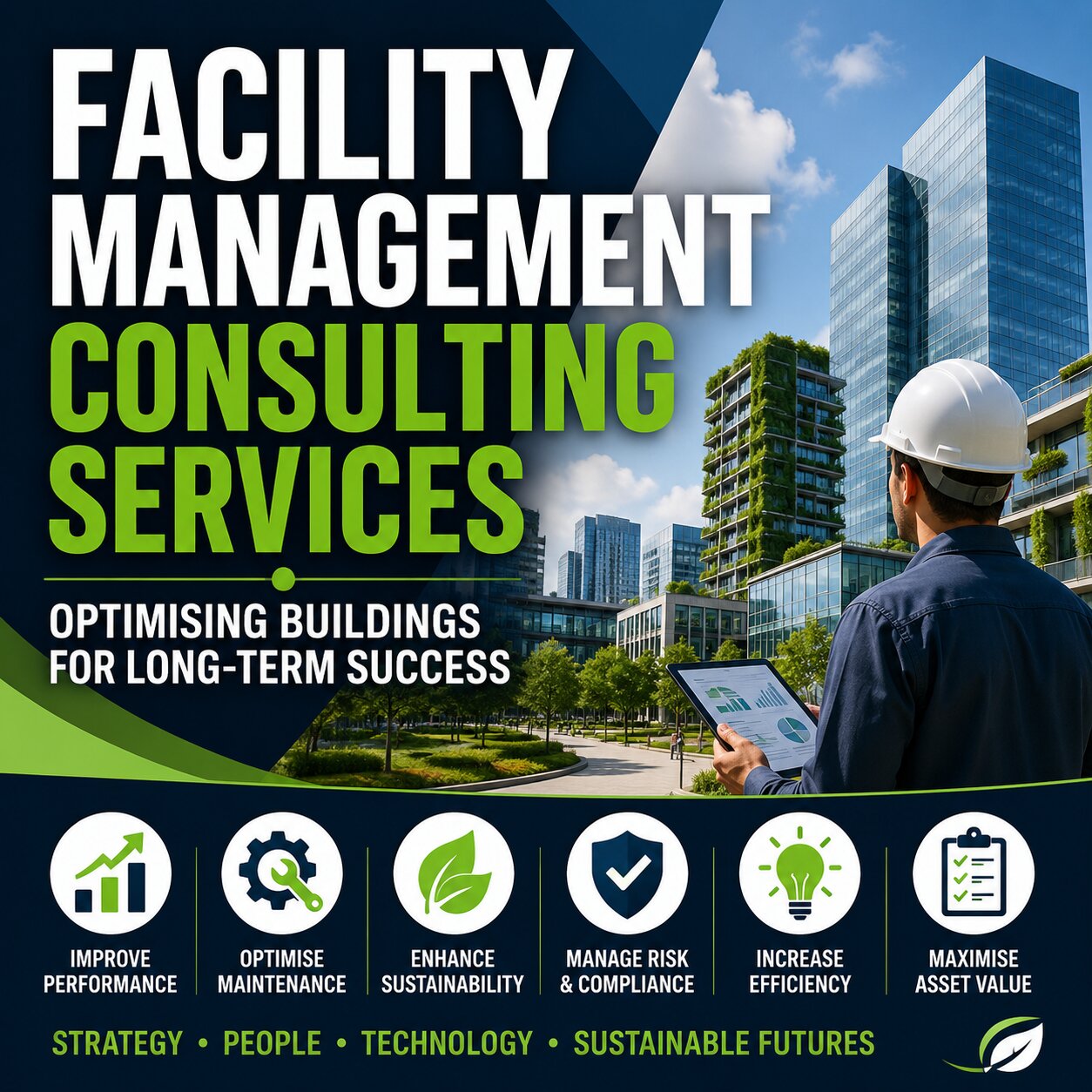
Facilities Management disciplines cover a broad field that brings together people, processes, and technology to ensure that buildings and spaces function efficiently. It is more than just maintaining physical structures — it covers everything from creating safe, comfortable work environments to optimising resources and reducing costs.
To fully appreciate this field, it’s important to understand the different Facilities Management disciplines that make up its foundation.
Office and workspace design

One of the core Facilities Management disciplines involves designing offices and workspaces that enhance productivity and well-being. This includes layouts that support collaboration, ergonomic furniture for health, and environmentally conscious designs that reduce energy use. Modern facilities managers are also tasked with integrating smart technology into office spaces, ensuring they remain adaptable to changing workplace trends.
Tenant and lease management

Tenant relationships are another essential aspect of Facilities Management disciplines. Facilities managers handle lease agreements, tenant onboarding, and communication between property owners and tenants. Effective tenant management not only reduces disputes but also creates positive, long-term relationships that keep occupancy rates high.
Security services

Ensuring safety within buildings is one of the most visible Facilities Management disciplines. From access control systems and CCTV monitoring to physical guards and emergency procedures, security is crucial to protecting both people and assets. Facilities managers also play a key role in preparing for fire safety and disaster recovery.
Maintenance and engineering services

Maintenance is one of the cornerstones of Facilities Management disciplines, covering everything from plumbing and electrical work to HVAC systems and structural engineering. Preventative maintenance programmes are vital to avoiding costly breakdowns, while engineering support ensures that buildings remain compliant with safety and construction regulations.
Fleet and transport management

In larger organisations, Facilities Management disciplines also extend to fleet and transport services. This includes managing company vehicles, overseeing fuel and maintenance costs, and introducing sustainable solutions such as electric vehicles or shared transport systems. Effective fleet management reduces expenses while supporting green initiatives.
Parking and access control

Parking is a surprisingly important part of Facilities Management disciplines, especially in urban environments where space is limited. Managers must balance efficiency and safety while ensuring access control systems are reliable. Well-designed parking management improves traffic flow and reduces frustration for tenants and visitors alike.
Other key Facilities Management disciplines
Beyond the core areas of office design, maintenance, and security, there are several other Facilities Management disciplines that play an important role in keeping organisations running smoothly. One such area is cleaning and hygiene services, which ensure workplaces are safe, healthy, and compliant with sanitation standards.
This discipline has become even more critical since the global pandemic, with facilities managers adopting advanced cleaning protocols and green cleaning products to reduce environmental impact.
Catering and food services also fall under facilities management, particularly in large office complexes, hospitals, or educational institutions. Providing safe, nutritious, and sustainable meal options contributes to employee well-being and productivity.
Another growing field is sustainability and energy management, where managers focus on reducing carbon footprints through energy-efficient systems, waste management strategies, and renewable energy solutions. Linked to this is environmental health and safety, which ensures compliance with regulations while promoting a culture of safety within facilities.
Finally, technology and data management are fast becoming a central part of Facilities Management disciplines. Smart sensors, automation systems, and integrated software platforms allow managers to monitor performance, improve efficiency, and make data-driven decisions that support long-term goals.
Conclusion: The importance of Facilities Management disciplines
Each of these Facilities Management disciplines plays a critical role in creating functional, safe, and sustainable environments. By integrating office design, security, maintenance, fleet, and tenant services into one cohesive strategy, facilities managers ensure that organisations can focus on their core business without disruption.
As demands for sustainability, efficiency, and innovation grow, the importance of these disciplines will only continue to rise.