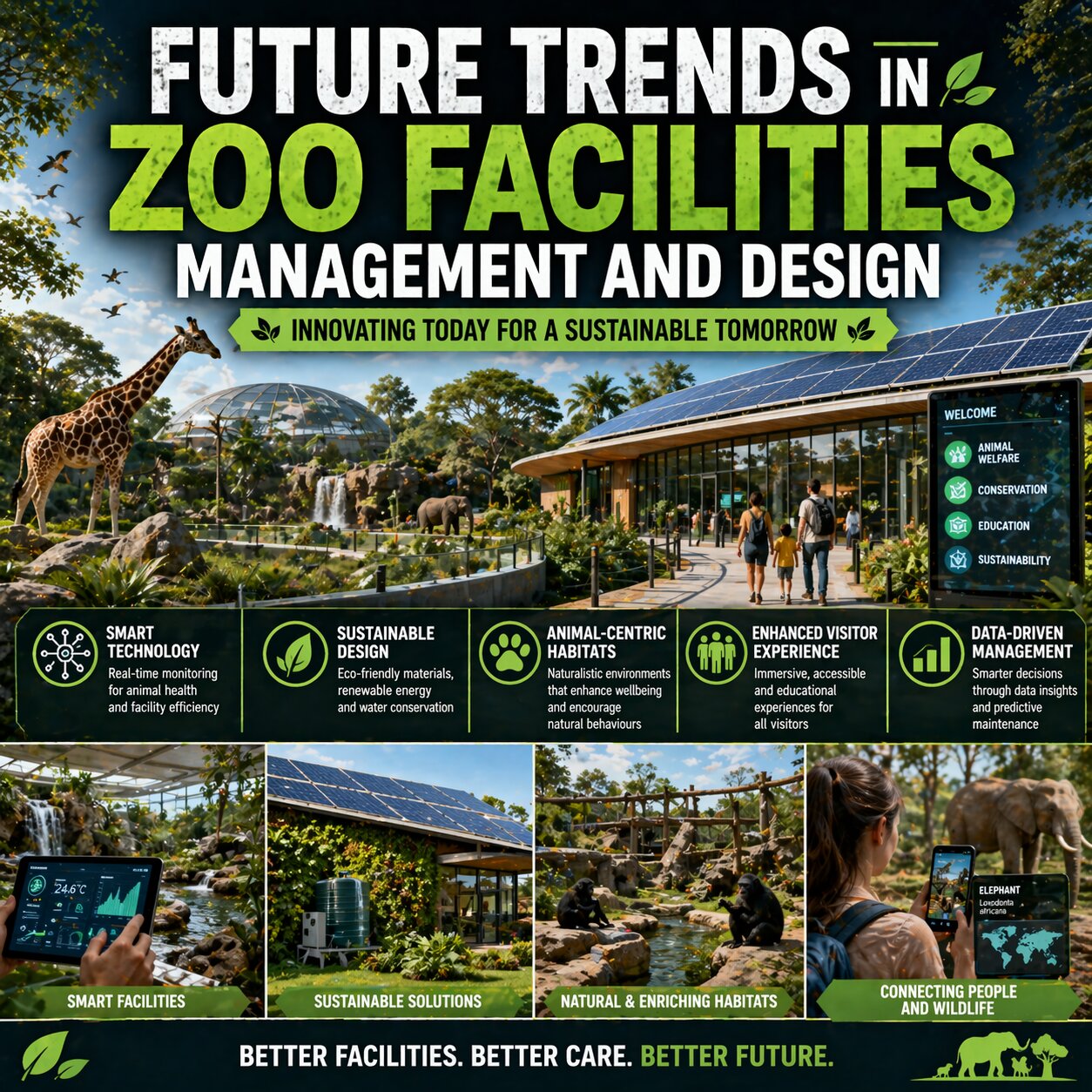
Zoo facilities management is a specialised field within infrastructure and property management that focuses on maintaining environments where animals, staff, and visitors can coexist safely and comfortably. Modern zoos are complex operations that require careful planning of habitats, veterinary facilities, waste systems, visitor infrastructure, and security systems.
Effective zoo facilities management ensures that animal welfare remains the top priority while also delivering a positive and educational visitor experience. From enclosure design to energy systems and sanitation infrastructure, every aspect of zoo operations depends on well-maintained facilities and efficient management practices.
What Is Zoo Facilities Management?
Zoo facilities management refers to the planning, maintenance, and operation of the physical infrastructure that supports zoo environments. This includes animal habitats, veterinary facilities, visitor areas, administrative buildings, and supporting infrastructure such as water systems, electrical systems, and waste management.
Unlike standard commercial property management, zoo facilities management must consider the behavioural and biological needs of animals. Enclosures must replicate natural habitats while still allowing for safe observation by visitors and easy access for caretakers and veterinarians.
Facility managers must also coordinate maintenance schedules that avoid disrupting animals or creating stress in sensitive environments. Regular inspections, repairs, and upgrades are essential to maintaining safe habitats and ensuring regulatory compliance.
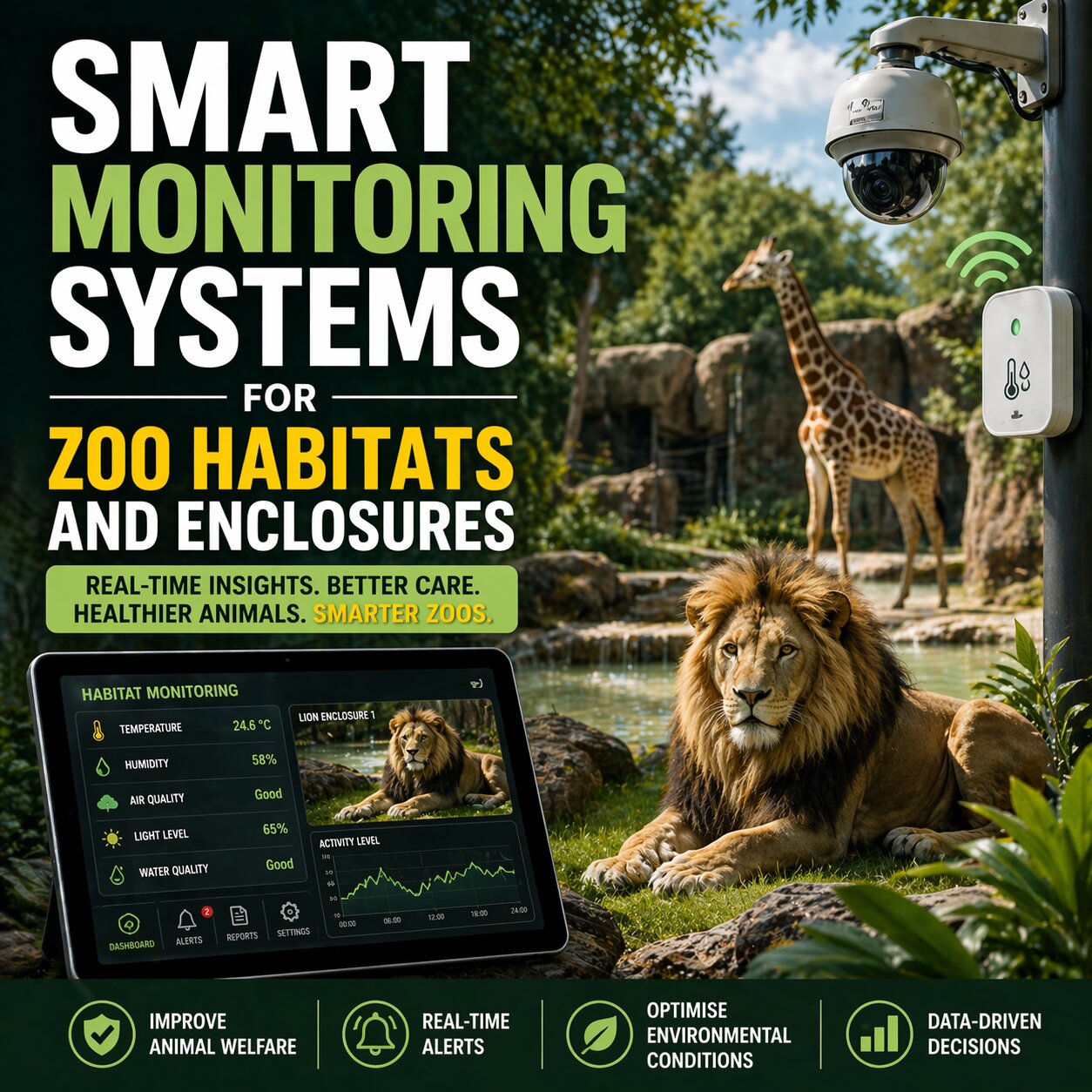
In addition, zoo facilities management involves coordinating infrastructure systems such as climate control, water filtration, and security technology. These systems help maintain stable environments that support both animal health and operational efficiency.
Key Components of Zoo Facilities Management
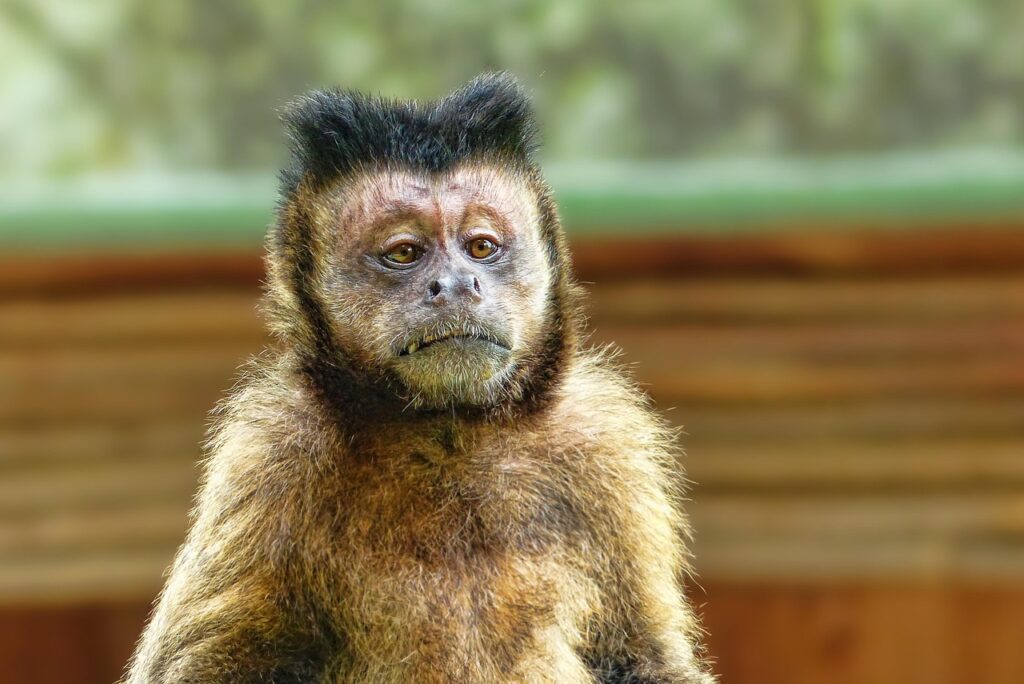
Zoo facilities management covers a wide range of infrastructure systems that must work together to support daily operations. Each component plays a role in maintaining the safety and sustainability of the zoo environment.
Core areas typically include:
- Animal enclosure design and maintenance
- Veterinary and animal care facilities
- Water management and filtration systems
- Waste management and sanitation infrastructure
- Visitor pathways, viewing platforms, and safety barriers
- Energy systems and environmental controls
These elements require continuous monitoring and maintenance. In zoo facilities management, facility managers must balance operational efficiency with the needs of wildlife and conservation programmes.
Proper planning also allows zoos to expand exhibits, introduce new species, and improve visitor experiences without disrupting existing operations.
Designing Safe and Natural Animal Habitats
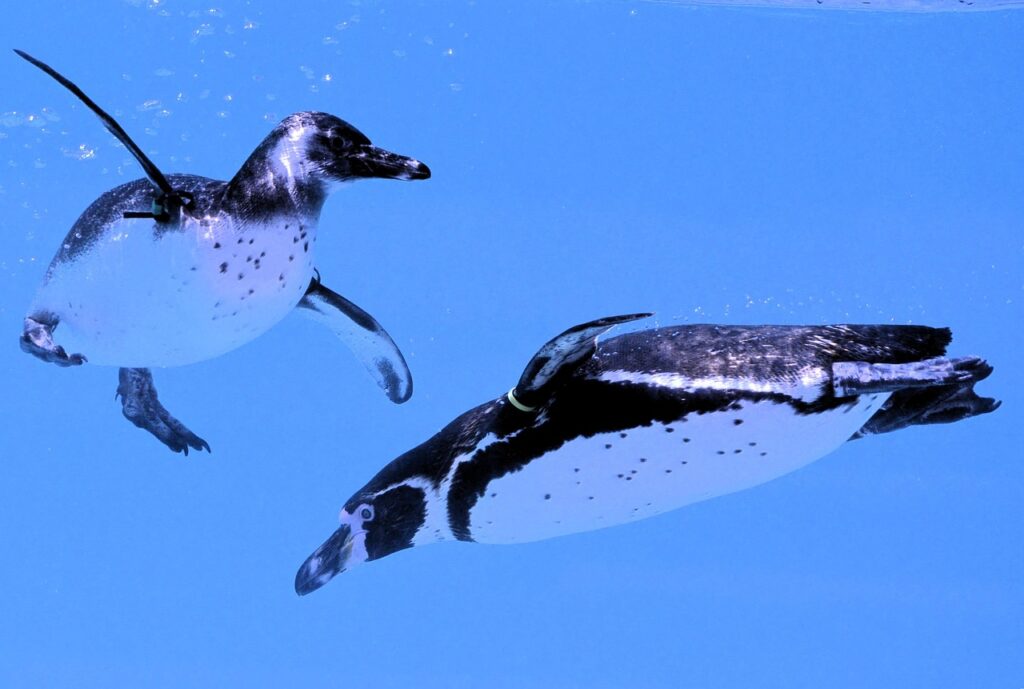
One of the most important responsibilities within zoo facilities management is the design and maintenance of animal habitats. Modern zoos aim to create environments that closely resemble the animals’ natural ecosystems while still allowing safe viewing by visitors.
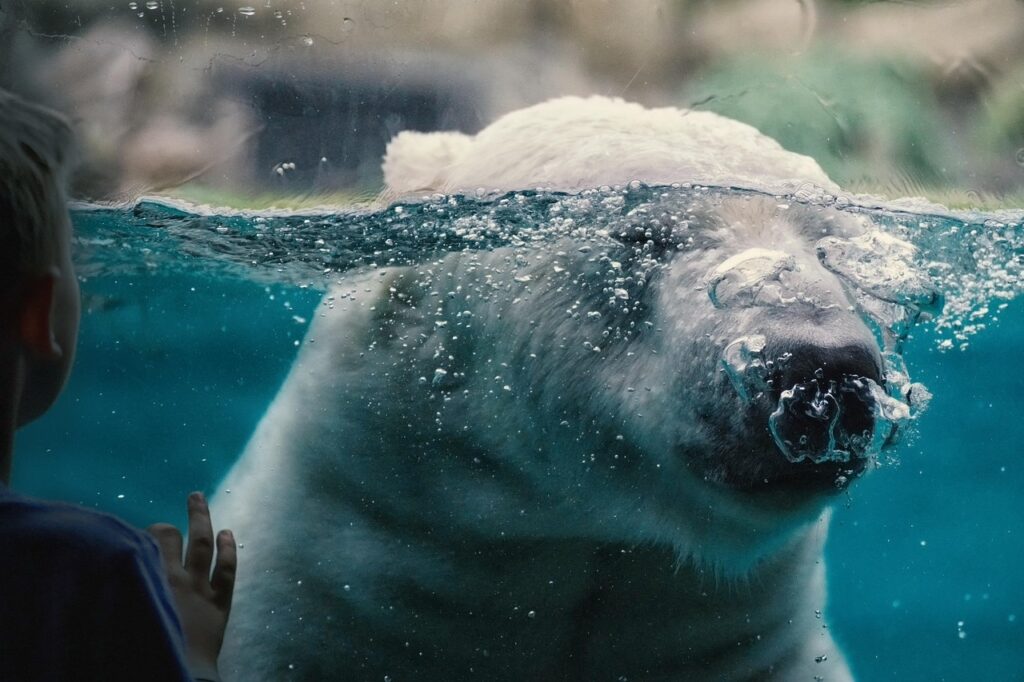
Habitat design must consider terrain, vegetation, water sources, shade, and shelter. For example, primate habitats may require climbing structures and elevated platforms, while aquatic species need carefully controlled water environments with filtration and temperature regulation.
Barrier systems also play an important role in zoo facilities management. Traditional cages have largely been replaced with natural barriers such as moats, rock formations, and reinforced glass viewing areas. These approaches improve animal welfare while providing better visitor experiences.
Regular maintenance ensures that habitats remain safe and functional. Infrastructure such as fences, gates, feeding systems, and environmental controls must be inspected frequently to prevent hazards for animals and staff.
Infrastructure Systems Supporting Zoo Operations
Behind every zoo exhibit is a network of infrastructure systems that keep the facility operating efficiently. Zoo facilities management involves coordinating these systems to ensure reliable daily operations.
Water systems are particularly important in zoos. Aquatic habitats, drinking sources, and irrigation systems require advanced filtration and monitoring to maintain safe water quality for animals and plants.
Electrical infrastructure also plays a critical role in zoo facilities management. Lighting systems, climate control equipment, security systems, and veterinary equipment depend on reliable electrical distribution.
Waste management systems must handle both standard facility waste and specialised biological waste generated by animal care activities. Proper sanitation processes help prevent contamination and maintain healthy environments throughout the facility.
Maintaining these infrastructure systems requires careful scheduling and preventative maintenance strategies to reduce downtime and ensure operational continuity.
Visitor Infrastructure and Safety Management
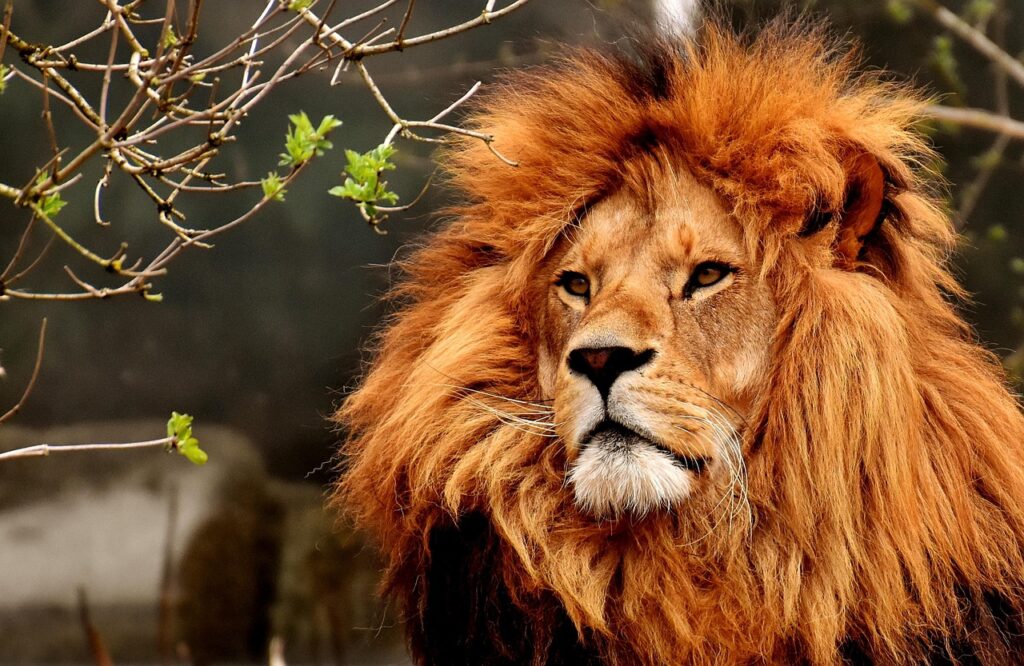
Zoo facilities management must also consider the experience and safety of visitors. Modern zoos welcome thousands of guests each year, making visitor infrastructure an essential part of facility operations.
Pathways, viewing platforms, signage, and accessibility features must be carefully designed to guide visitors safely through the zoo. Clear pathways help manage visitor flow while preventing overcrowding near popular exhibits.
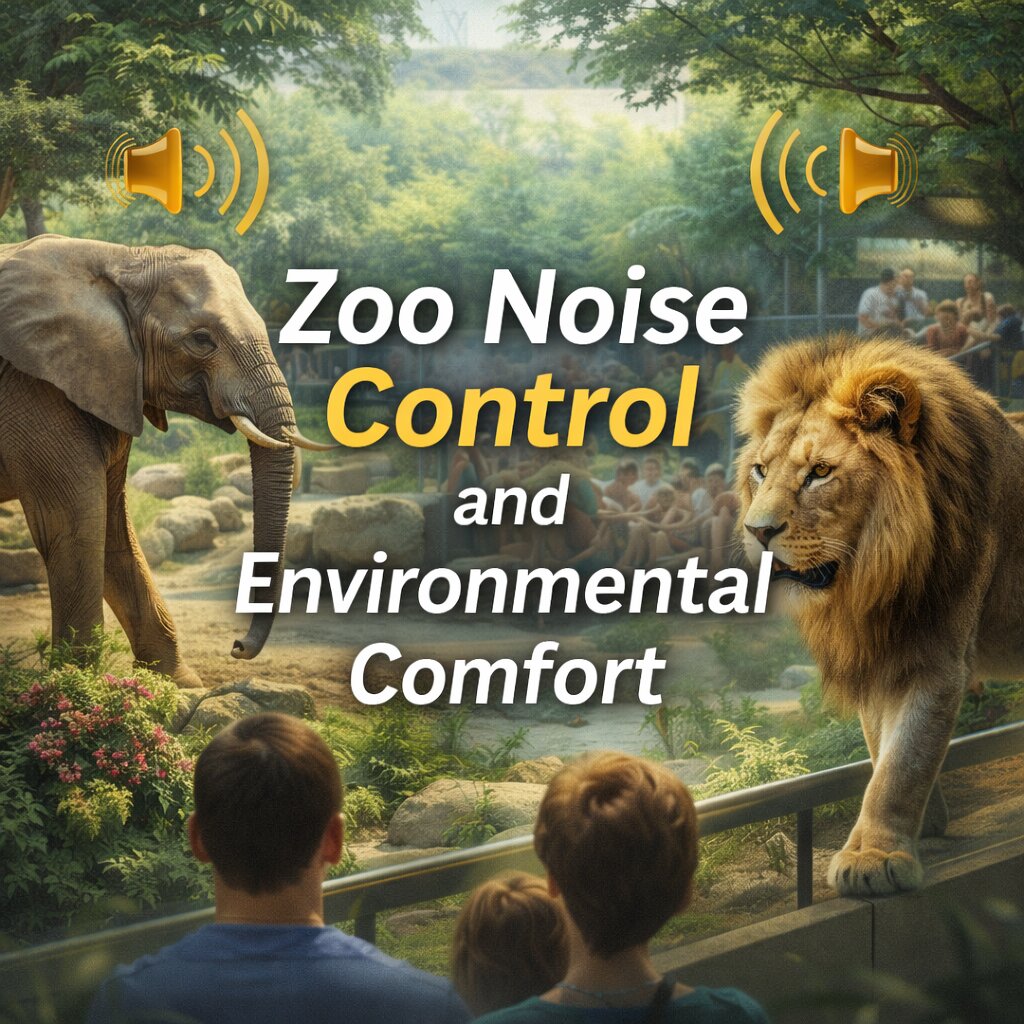
Safety barriers and observation areas must be designed to protect both animals and guests. Reinforced glass panels, railings, and controlled access points help maintain safe distances between visitors and wildlife.
Facilities such as restrooms, restaurants, educational centres, and gift shops also fall under zoo facilities management. These amenities support the overall visitor experience while generating revenue that helps fund conservation efforts.
Maintaining clean and well organised visitor areas ensures that the zoo remains welcoming, safe, and educational for families and tourists.
Sustainability and Conservation in Zoo Facilities Management
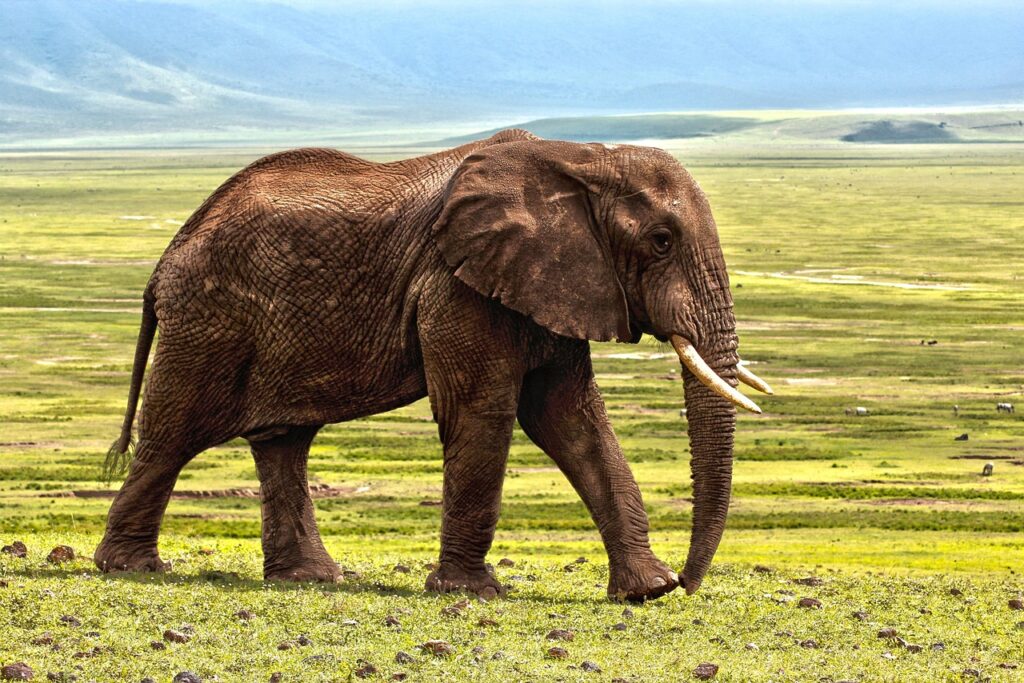
Sustainability has become an important focus in modern zoo facilities management. Many zoos now implement environmentally responsible systems that reduce resource consumption and support conservation initiatives.
Energy-efficient lighting, solar panels, and water recycling systems are increasingly common in zoo infrastructure. These technologies help reduce operational costs while minimising environmental impact.
Green landscaping and natural habitat design also support local biodiversity within zoo grounds. Native plants, natural water features, and sustainable building materials help create healthier ecosystems.
Zoo facilities management also plays a role in conservation education. Well-designed exhibits and information centres help visitors understand wildlife protection efforts and the importance of preserving natural habitats.
By integrating sustainability practices into infrastructure management, zoos can support both wildlife conservation and responsible environmental stewardship.
Building Better Environments for Wildlife and Visitors
Zoo facilities management is essential for creating safe, sustainable, and educational environments where wildlife and people can coexist. From habitat design to infrastructure systems and visitor safety, every element of a zoo depends on careful planning and ongoing maintenance.
As zoos continue to evolve into centres for conservation and education, the role of zoo facilities management will become even more important. Modern facilities must support animal welfare, operational efficiency, and environmental sustainability.
By investing in thoughtful infrastructure design and professional facility management practices, zoos can create environments that protect wildlife while inspiring future generations to care about the natural world.