Table Mountain tourism plays a vital role in Cape Town’s economy, attracting millions of visitors each year to one of the world’s most recognisable natural landmarks. As a New7Wonders of Nature site and part of the Table Mountain National Park, the mountain is both a global tourism icon and a fragile ecological treasure.
Balancing visitor access with environmental preservation has become one of the most important sustainability challenges facing local authorities and conservation bodies. The question is simple but complex: how do we protect what makes Table Mountain special while welcoming the world to experience it?
The economic importance of Table Mountain tourism
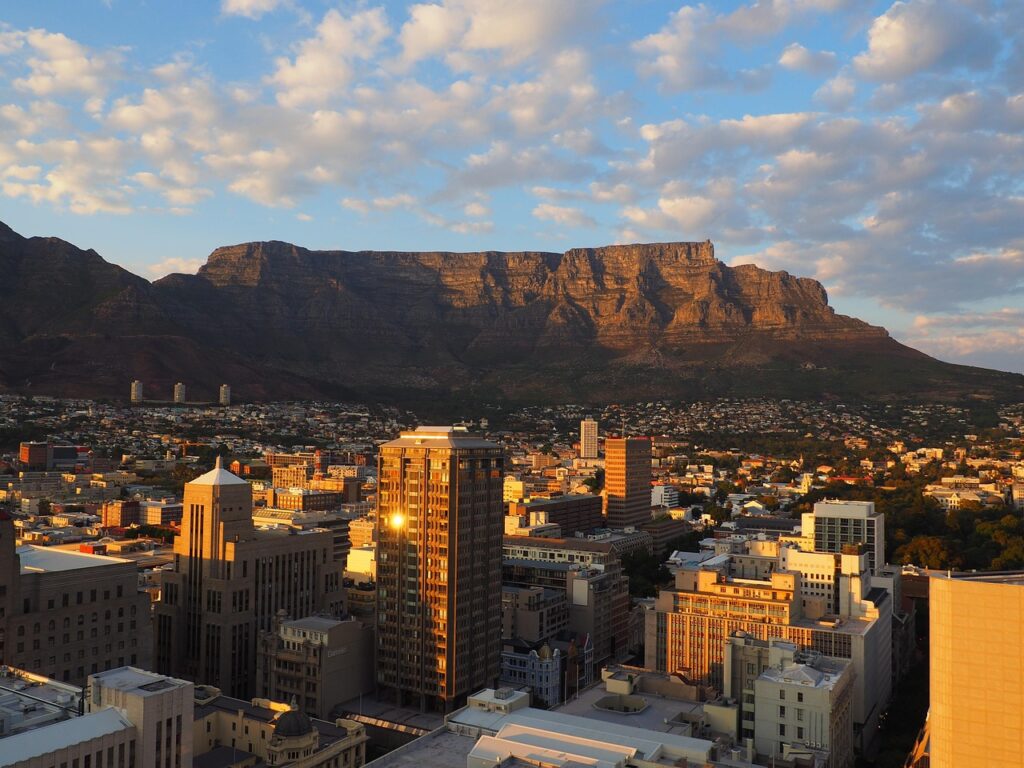
Table Mountain tourism supports a wide network of businesses, from the Table Mountain Aerial Cableway Company to tour operators, hospitality providers, transport services, and local guides.
The mountain is often the centrepiece of international travel marketing for Cape Town. It drives hotel occupancy rates, restaurant foot traffic, and seasonal employment. During peak periods, the flow of visitors contributes significantly to regional GDP and job creation.
From an infrastructure perspective, this means transport systems, parking facilities, safety services, waste management, and maintenance operations must scale to meet demand — without overwhelming the natural environment.
Environmental pressures on a natural landmark
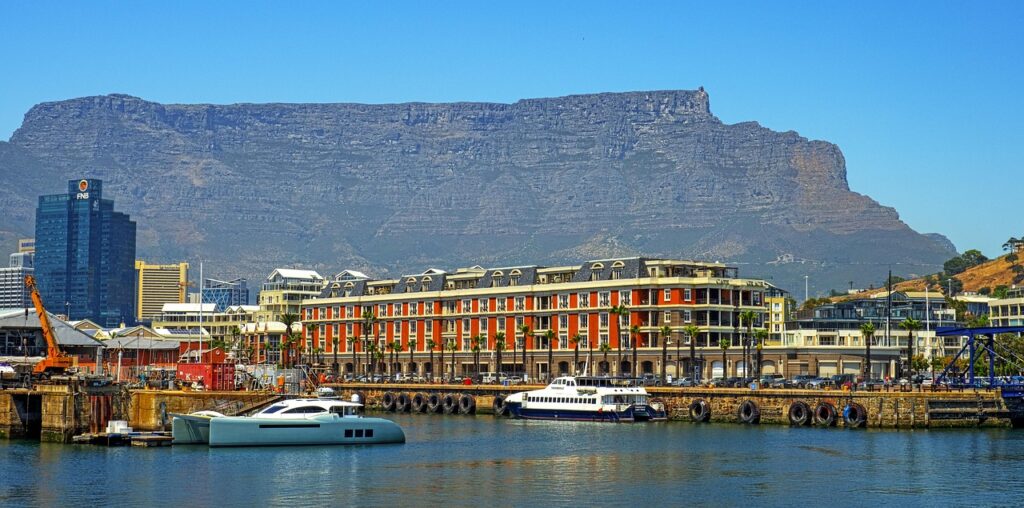
While Table Mountain tourism provides economic benefits, it also places pressure on ecosystems within the Table Mountain National Park. The mountain forms part of the Cape Floristic Region, one of the world’s richest biodiversity hotspots.
High foot traffic can lead to:
- Soil erosion on popular hiking routes
- Damage to indigenous fynbos vegetation
- Increased wildfire risk
- Litter accumulation and waste strain
- Disturbance of wildlife habitats
Climate change compounds these pressures, increasing drought conditions and intensifying fire seasons. Sustainable visitor management is therefore not optional — it is essential.
Infrastructure management and visitor control
Managing Table Mountain tourism requires careful planning and collaboration between SANParks, the City of Cape Town, private operators, and environmental stakeholders.
Key strategies include:
- Controlled access via designated hiking trails
- Maintenance of boardwalks and erosion control systems
- Strict fire management protocols
- Visitor education campaigns
- Waste reduction initiatives
- Capacity management during peak seasons
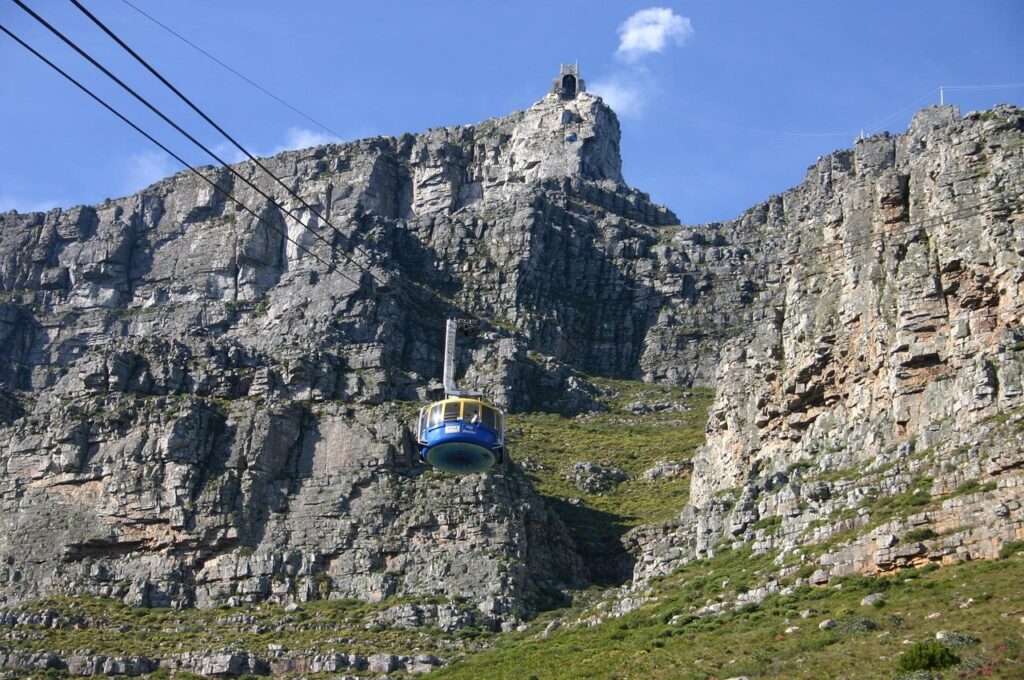
The Table Mountain Aerial Cableway plays a critical role in reducing vehicle congestion on the mountain roads while providing controlled access to the summit. However, even summit infrastructure must be continuously maintained to minimise environmental impact.
From a facilities management perspective, this is a living system that requires ongoing monitoring, preventative maintenance, and adaptive planning.
Conservation funding through tourism
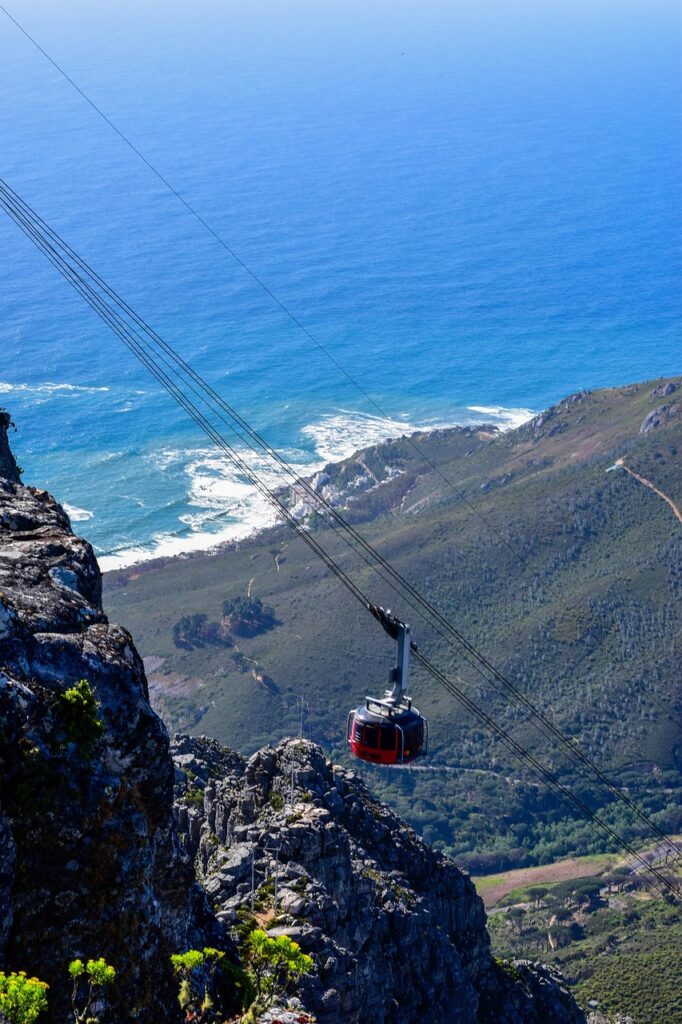
One of the often-overlooked aspects of Table Mountain tourism is that visitor revenue supports conservation efforts.
Entrance fees, permits, and concession agreements help fund:
- Biodiversity protection programmes
- Fire response infrastructure
- Alien vegetation clearing initiatives
- Trail maintenance and upgrades
- Environmental research and monitoring
In this sense, tourism becomes part of the solution — provided it is responsibly managed. The key is ensuring that revenue flows back into preserving the asset that attracts visitors in the first place.
Community engagement and sustainable growth
Local communities surrounding Table Mountain are directly affected by tourism patterns. Responsible tourism planning must consider traffic congestion, noise, safety, and equitable economic participation.
Sustainable Table Mountain tourism involves:
- Supporting local tour guides and small operators
- Promoting off-peak visitation
- Encouraging eco-friendly transport options
- Educating visitors about conservation responsibilities
- Integrating urban planning with park management
Long-term sustainability depends on coordinated governance, transparent funding models, and clear communication between public and private sectors.
Protecting the future of Table Mountain tourism
Table Mountain tourism is both an opportunity and a responsibility. It fuels economic growth, global recognition, and community livelihoods, yet it also demands careful stewardship.
The mountain’s value lies not only in its panoramic views but in its ecological uniqueness and cultural significance. Sustainable infrastructure management, responsible visitor control, and reinvestment in conservation will determine whether future generations experience the same iconic landscape we know today.
Balancing tourism and conservation is not a static goal. It is an ongoing commitment.