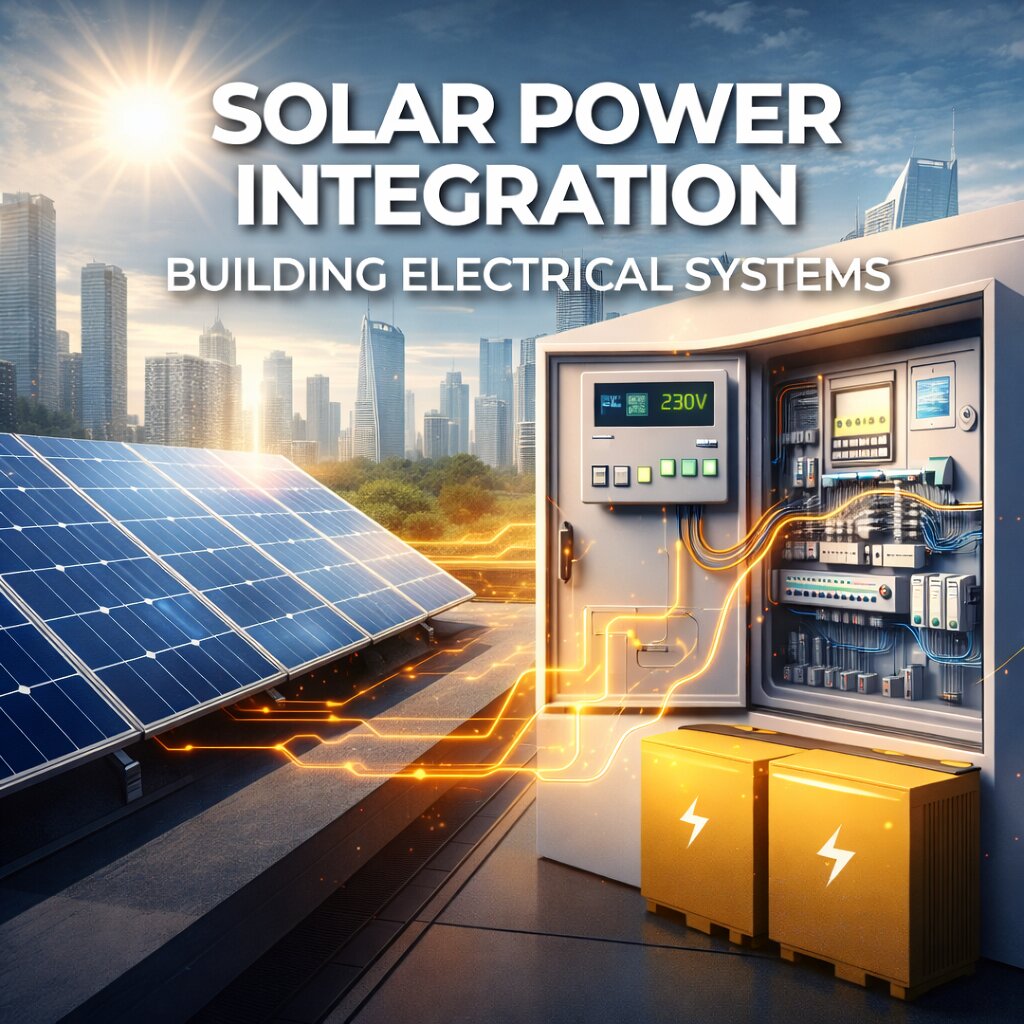
Solar power integration with building electrical systems is becoming a critical component of modern infrastructure design. As energy costs rise and sustainability becomes a priority, integrating solar energy into buildings offers a reliable and efficient solution for reducing dependence on traditional power sources.
From commercial facilities to residential developments, solar integration is transforming how buildings generate, manage, and consume electricity.
The role of solar integration in modern buildings
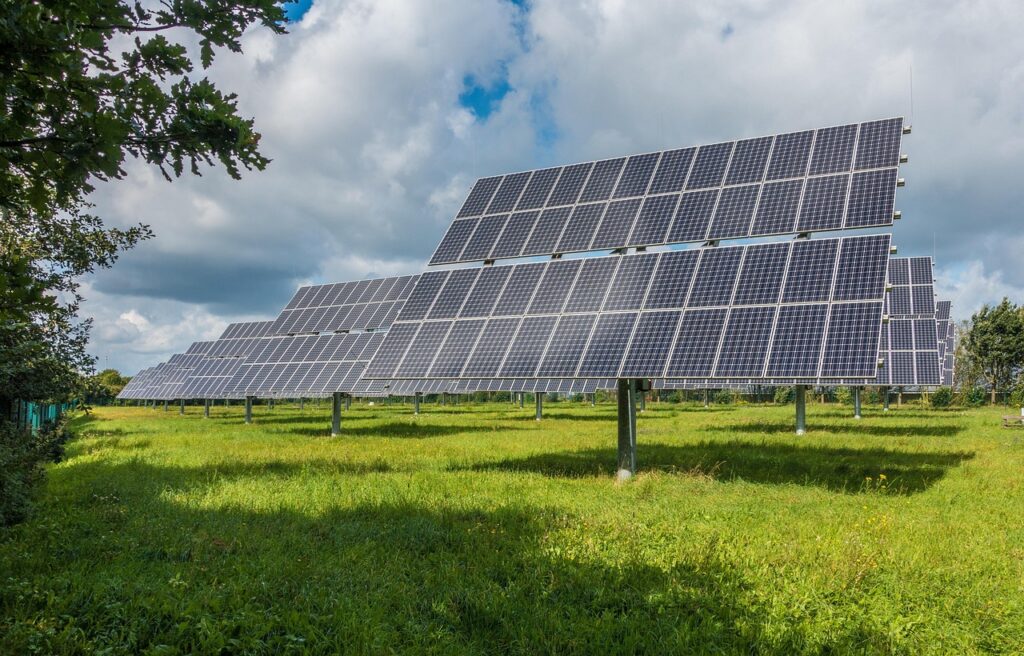
Solar power integration allows buildings to generate their own electricity using photovoltaic (PV) systems. These systems convert sunlight into usable energy, which can be distributed through the building’s electrical network.
By integrating solar energy directly into building systems, facilities can reduce reliance on grid electricity. This is especially important in regions facing energy instability or rising utility costs.
In South Africa, where load shedding has impacted businesses and households, solar integration provides a practical solution for maintaining a consistent power supply.
How solar systems connect to building electrical infrastructure
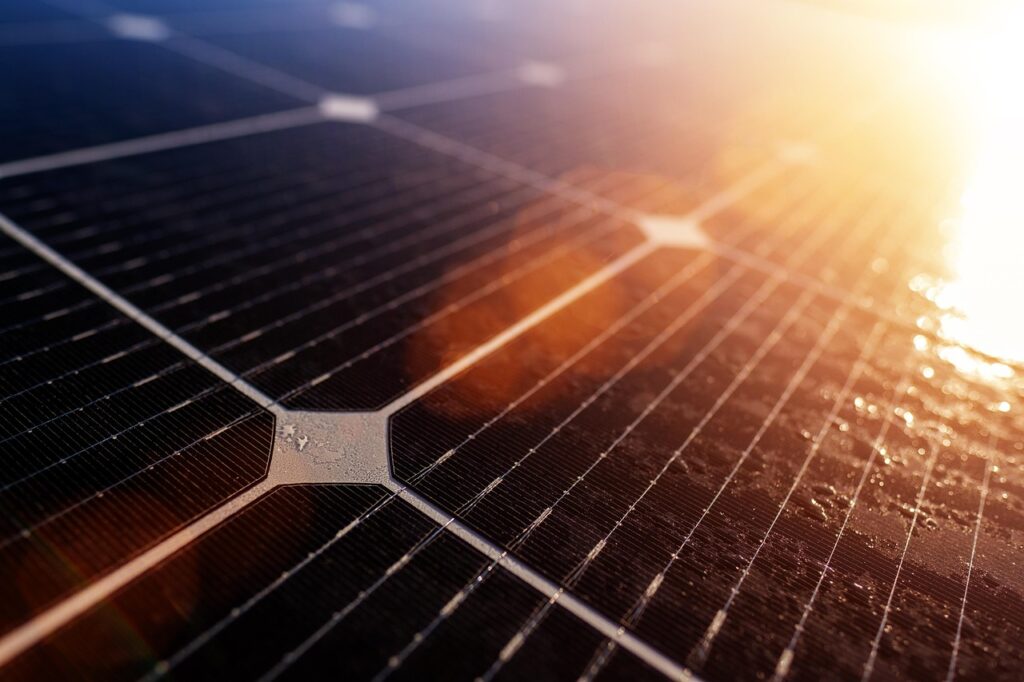
Integrating solar power into a building requires careful planning and system design. Solar panels generate direct current (DC) electricity, which must be converted into alternating current (AC) using inverters to match the building’s electrical system.
The converted power is then fed into the main distribution board, where it can be used to supply lighting, equipment, and other electrical loads. In some systems, excess energy can be exported back to the grid or stored in battery systems for later use.
Proper solar power integration ensures that solar energy works seamlessly alongside existing electrical infrastructure without disrupting operations.
Key components of solar power integration
A successful solar integration system relies on several essential components working together:
- Solar panels (photovoltaic modules)
- Inverters for DC to AC conversion
- Mounting systems for rooftops or ground installations
- Electrical distribution boards and protection systems
- Battery storage systems (optional)
- Monitoring and control systems
Each component plays a role in ensuring efficiency, safety, and long-term performance of the solar installation.
Benefits of integrating solar power in buildings
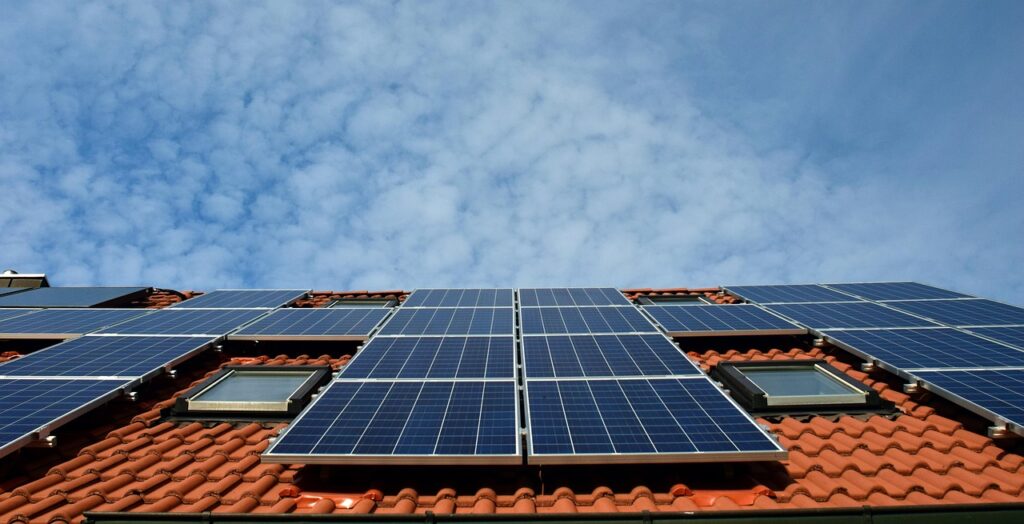
Solar power integration offers several advantages for building owners and facility managers. One of the most significant benefits is the reduction in electricity costs, as buildings can generate a portion of their own energy.
It also improves energy independence, reducing reliance on unstable grid supply. This is particularly valuable in commercial and industrial environments where downtime can be costly.
Additionally, solar integration supports sustainability goals by lowering carbon emissions and reducing the environmental impact of energy consumption.
Challenges and considerations
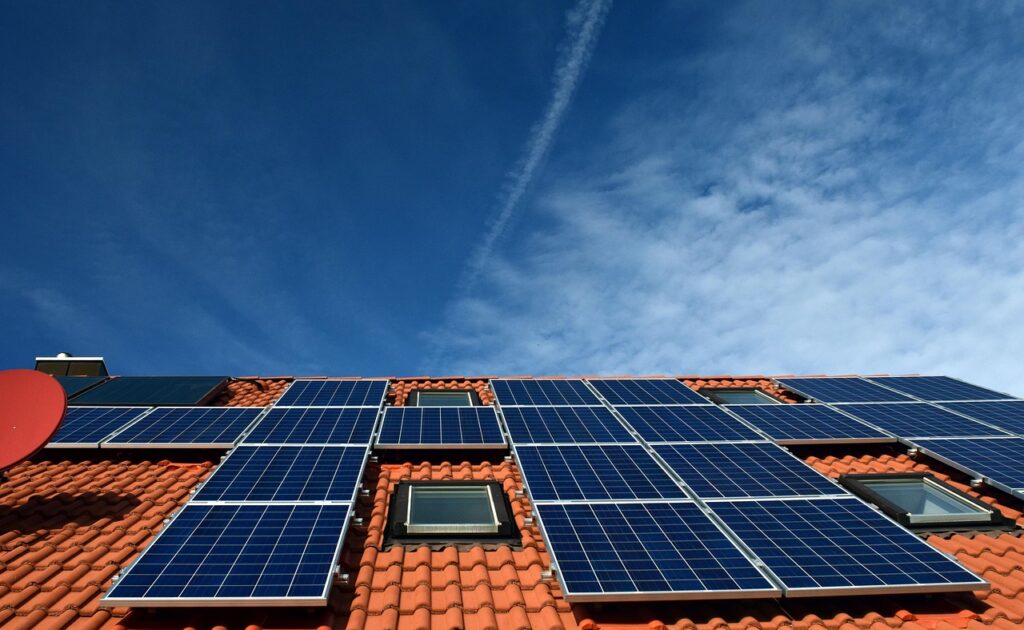
While solar integration offers many benefits, there are important factors to consider during implementation. Initial installation costs can be high, although they are often offset over time through energy savings.
System design must account for building load requirements, available space, and local climate conditions. In urban environments, shading from nearby structures can affect system performance.
Compliance with electrical standards and safety regulations is also essential to ensure reliable and secure operation.
The future of solar-integrated buildings
The future of building design is increasingly focused on renewable energy integration. Advances in solar technology, battery storage, and smart energy management systems are making solar integration more efficient and accessible.
Buildings are evolving into energy hubs that not only consume electricity but also generate and manage it intelligently. Smart grids and AI-driven systems will further enhance how solar power is integrated into electrical systems.
For businesses and developers, solar power integration is no longer just an option—it is becoming a standard feature of modern, resilient infrastructure.