Table Mountain is far more than a natural landmark. It is a complex, living system of infrastructure, services, and public facilities that must operate smoothly every day to support tourism, events, transport, dining, and recreation. Behind the breathtaking views lies an extensive network of assets that require careful planning, maintenance, and coordination.
From high-volume visitor transport to food service, retail, meeting spaces, and outdoor recreation areas, Table Mountain facilities represent one of Cape Town’s most demanding facility management environments. Managing these spaces effectively is essential not only for visitor satisfaction, but also for safety, sustainability, and long-term preservation.
The Table Mountain Aerial Cableway
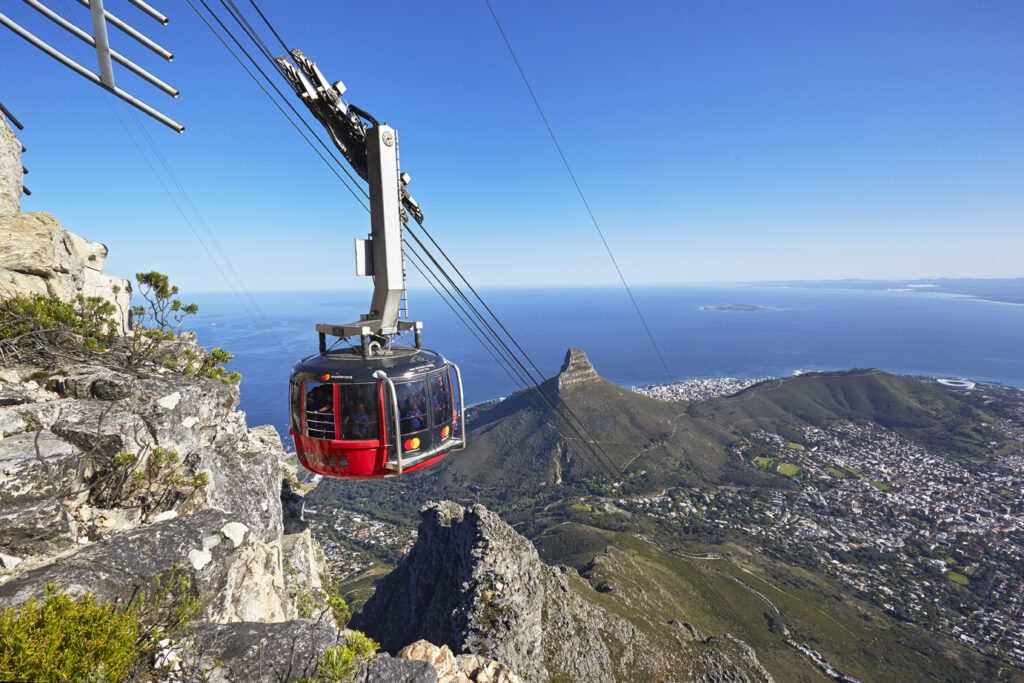
At the core of Table Mountain facilities is the iconic aerial cableway. This rotating cable car system transports visitors from the lower slopes to the summit in a matter of minutes, making it the primary access point for most visitors. It operates year-round, subject to weather conditions, and handles extremely high passenger volumes during peak seasons.
The cableway includes two major operational hubs: the lower cable station and the upper cable station. Each has its own infrastructure requirements, including ticketing systems, access control, crowd management, safety protocols, mechanical maintenance, and staff facilities. The cableway is not just transport infrastructure, but a critical operational backbone of Table Mountain.
Dining and hospitality facilities at the summit
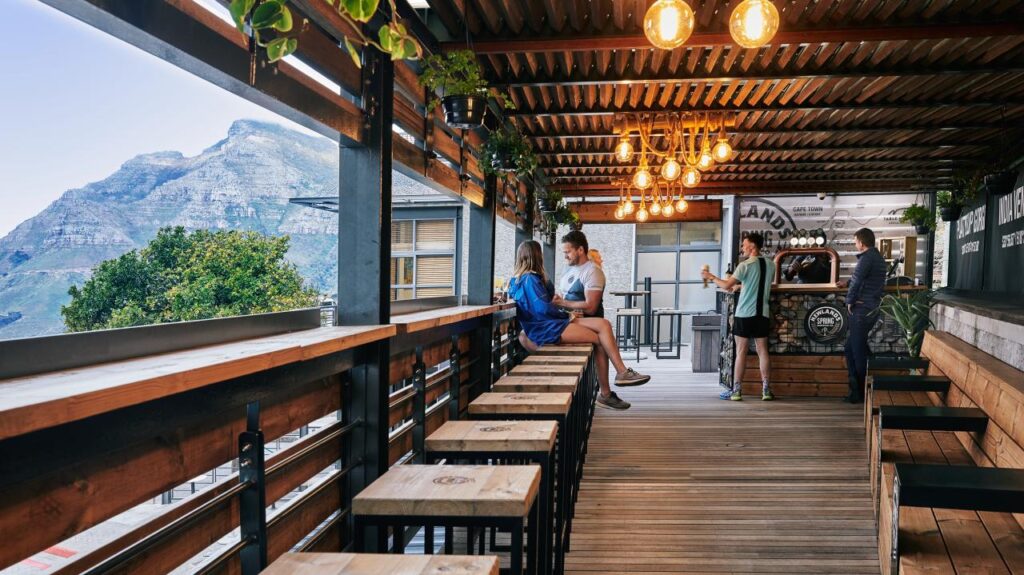
Dining is a major part of the visitor experience, and Table Mountain facilities include several food and beverage outlets designed to serve thousands of guests daily. These range from casual eateries to wine lounges and outdoor bars, all located at the summit and lower cable station.
Managing these dining facilities involves more than food preparation. It includes supply logistics, waste management, staffing, hygiene compliance, energy use, and integration with visitor flow. Because these venues operate in a protected natural environment, sustainability and environmental responsibility are central to their operation.
Retail and visitor services
Retail outlets form another important component of Table Mountain facilities. Shops at both the summit and lower station sell souvenirs, branded merchandise, and locally produced items, contributing to revenue generation and visitor engagement.
In addition to retail, visitor services include information desks, wayfinding systems, maps, safety guidance, and support staff. These services ensure visitors can navigate the mountain safely and comfortably, whether they are sightseeing, hiking, or attending an event. From a facilities perspective, this requires coordinated staffing, secure point-of-sale systems, and reliable utilities.
Event, meeting, and function spaces
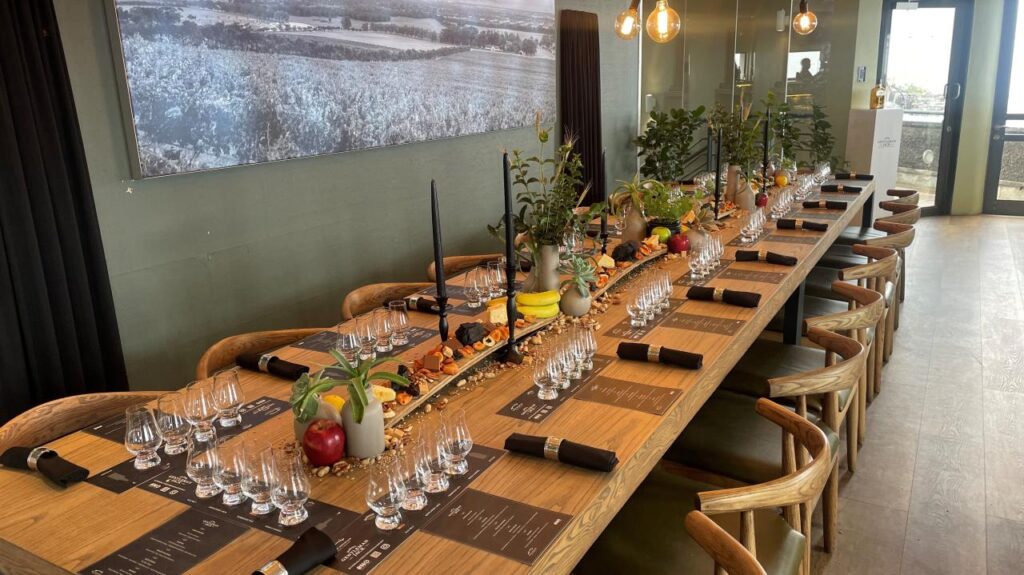
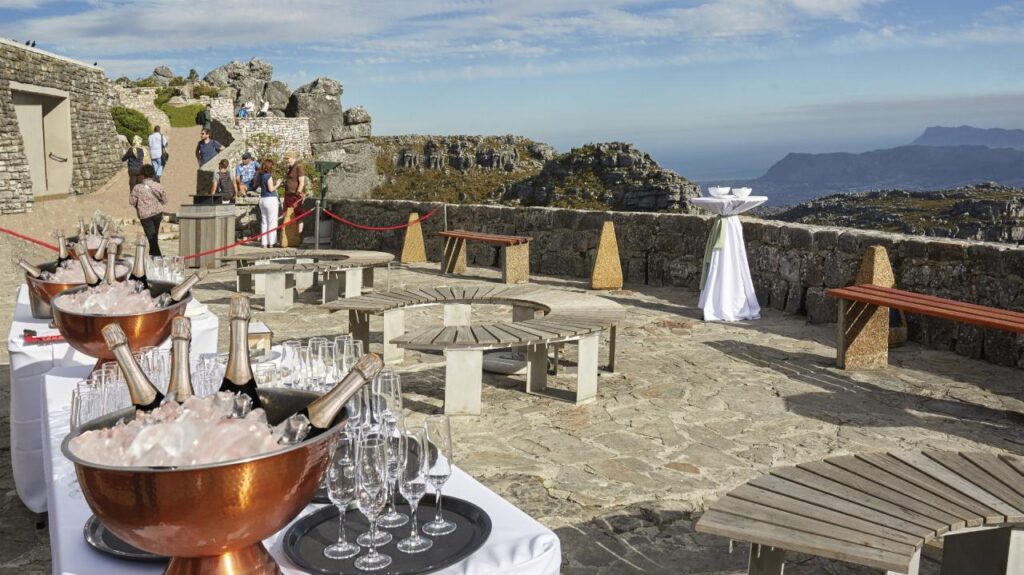
Table Mountain facilities extend beyond tourism into formal event hosting. Designated indoor and outdoor spaces are used for corporate functions, council meetings, private events, and special occasions. These venues offer unique views and settings, but also introduce additional operational complexity.
Managing event facilities requires coordination between venue scheduling, catering, security, cleaning, transport access, and safety compliance. These spaces must remain flexible enough to host different types of functions while maintaining uninterrupted access for general visitors.
Sports, recreation, and outdoor activities
Recreational facilities on Table Mountain include walking routes, guided tours, viewing platforms, and open areas designed for exploration and leisure. Free guided walks operate from the summit, while clearly marked paths allow visitors to explore the plateau at their own pace.
From a management perspective, these outdoor facilities require ongoing trail maintenance, signage upkeep, safety monitoring, and environmental protection. Emergency preparedness is also a key consideration, especially given changing weather conditions and the physical demands of the terrain.
Transport access and supporting infrastructure
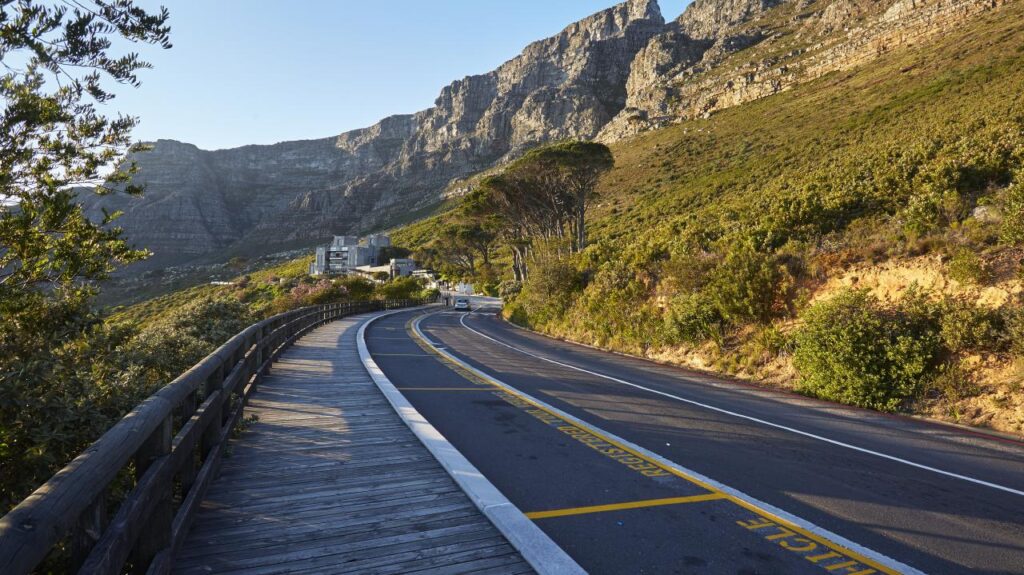
Supporting Table Mountain facilities includes access roads, parking areas, shuttle zones, pedestrian routes, and public transport integration. These assets ensure the steady movement of visitors to and from the mountain while reducing congestion and environmental impact.
Wayfinding signage, traffic control, and coordination with city transport services are all part of the broader facilities ecosystem. During peak periods, these systems must function seamlessly to prevent bottlenecks and safety risks.
Managing facilities within a protected natural environment
What sets Table Mountain facilities apart from conventional sites is their location within a protected natural area. Facility management here must balance operational efficiency with conservation, biodiversity protection, and long-term sustainability.
Every facility, from cable infrastructure to dining outlets, operates under strict environmental considerations. This makes Table Mountain a powerful example of how built facilities and natural heritage can coexist when managed responsibly.
Why Table Mountain facilities matter
The success of Table Mountain as a global attraction depends on far more than scenery. It relies on a carefully managed network of transport systems, hospitality venues, retail spaces, event facilities, recreational areas, and support infrastructure.
Understanding and maintaining Table Mountain facilities is essential for safety, visitor satisfaction, environmental protection, and economic sustainability. It stands as one of South Africa’s most complex and impressive facility management environments.