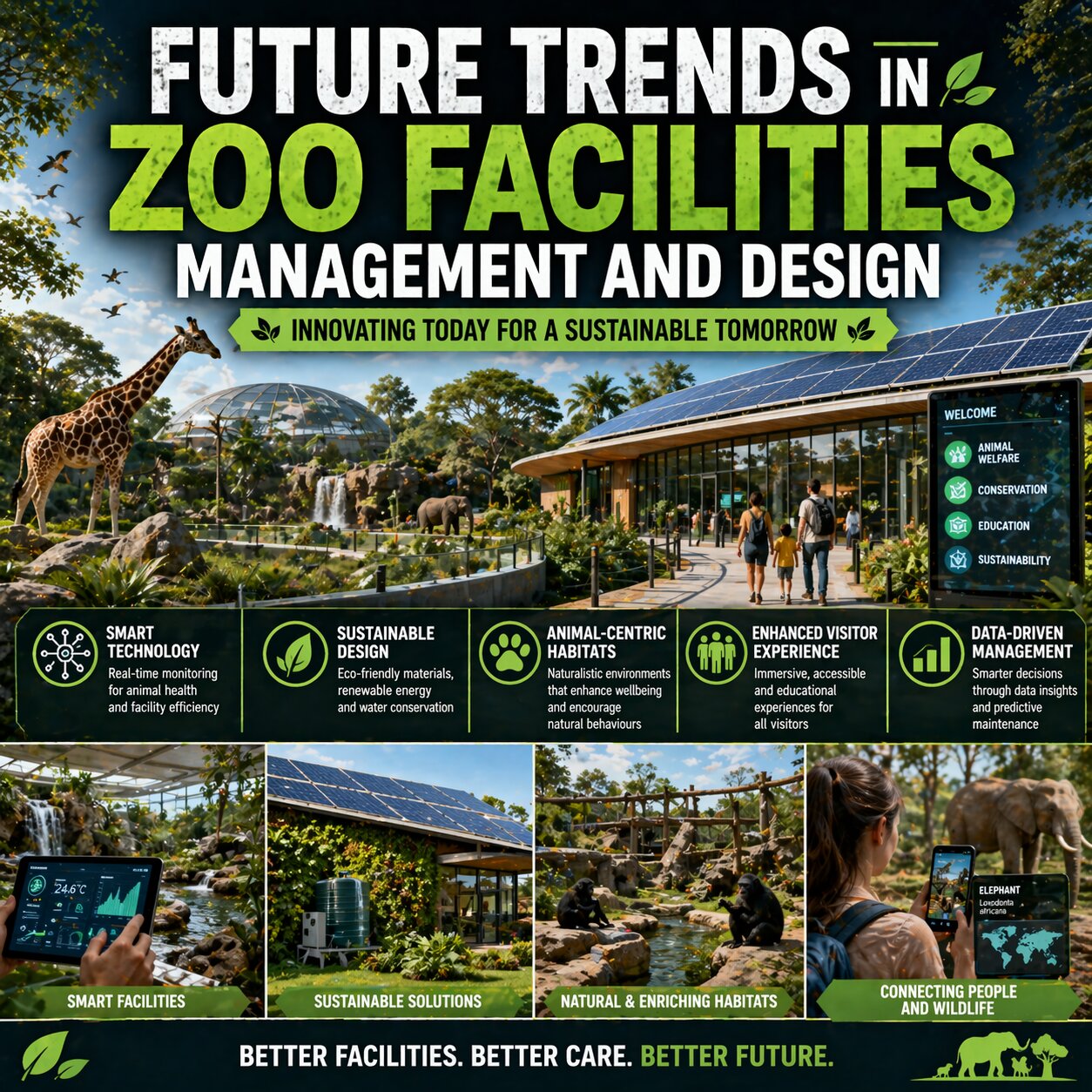
Modern zoo facilities are no longer just spaces for conservation and public education. They are becoming advanced, sustainable environments that prioritise energy efficiency alongside animal welfare and visitor experience.
Energy-efficient operations in modern zoo facilities are essential for reducing environmental impact while maintaining complex ecosystems that support a wide range of species. From climate-controlled enclosures to water filtration systems, zoos rely heavily on energy-intensive infrastructure.
As global sustainability standards rise, zoo operators are under increasing pressure to optimise their energy use. This includes adopting new technologies, improving building design, and implementing smarter operational strategies.
By focusing on energy efficiency, zoos can reduce costs, lower emissions, and create more resilient environments that benefit both animals and the surrounding ecosystem.
Key energy demands within zoo environments
Zoo facilities require a diverse range of systems to function effectively, many of which consume significant amounts of energy. Understanding these demands is the first step toward improving efficiency.
Climate control is one of the largest energy consumers. Many species require specific temperature and humidity levels that must be maintained year-round, regardless of external weather conditions.
Water management systems also play a major role. Aquatic habitats, filtration systems, and irrigation for landscaping all require continuous energy input to operate efficiently and safely.
Lighting is another critical factor. Both natural and artificial lighting must be carefully managed to support animal health, regulate biological cycles, and enhance visitor experiences.
In addition, operational facilities such as veterinary clinics, food preparation areas, and administrative buildings contribute to overall energy consumption.
Technologies driving energy-efficient operations in modern zoo facilities
Advancements in technology are transforming how zoos manage energy. These innovations allow facilities to reduce consumption while maintaining high standards of care and safety.
Here are some of the key technologies being implemented:
- LED lighting systems to reduce energy usage and improve lifespan
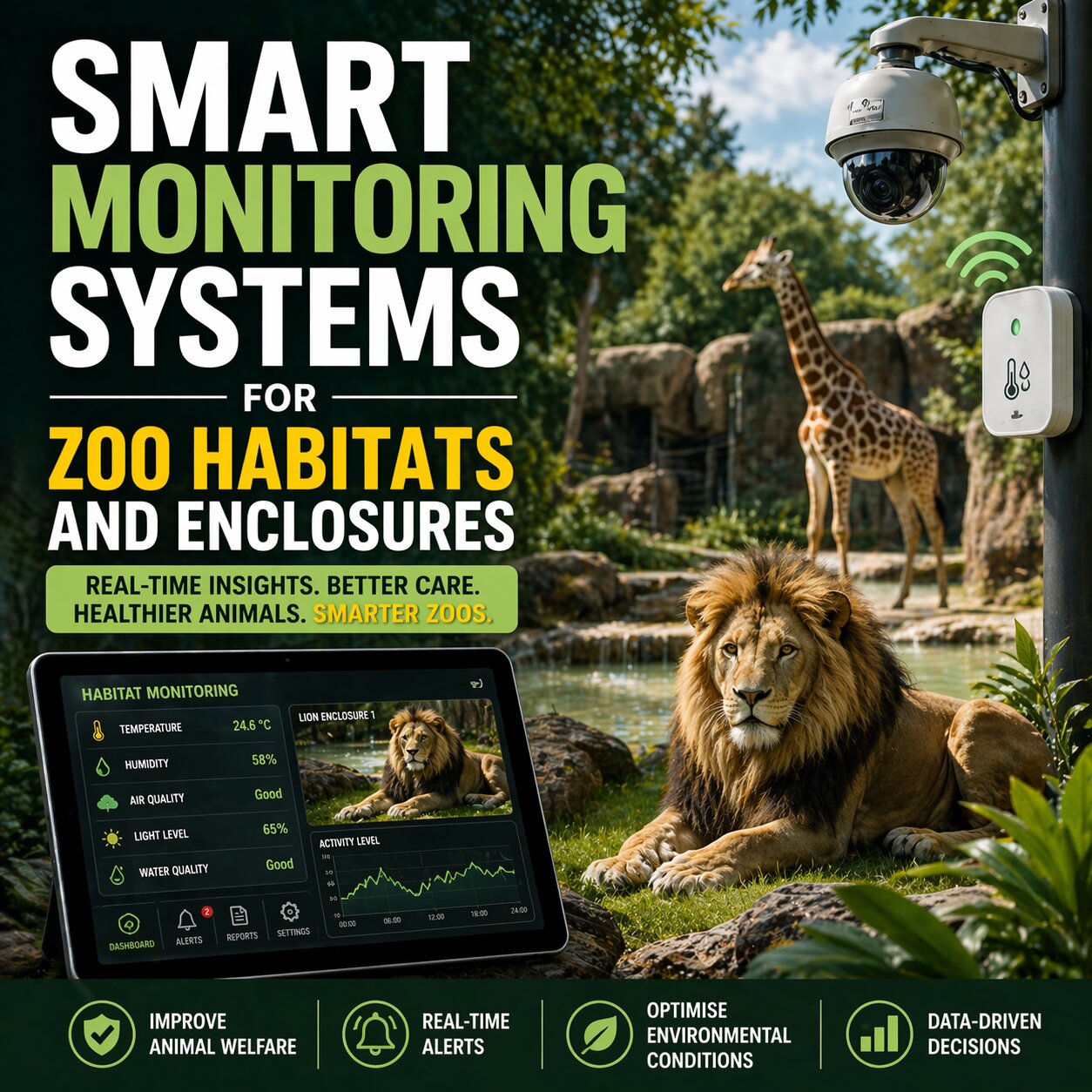
- Smart climate control systems that adjust conditions based on real-time data
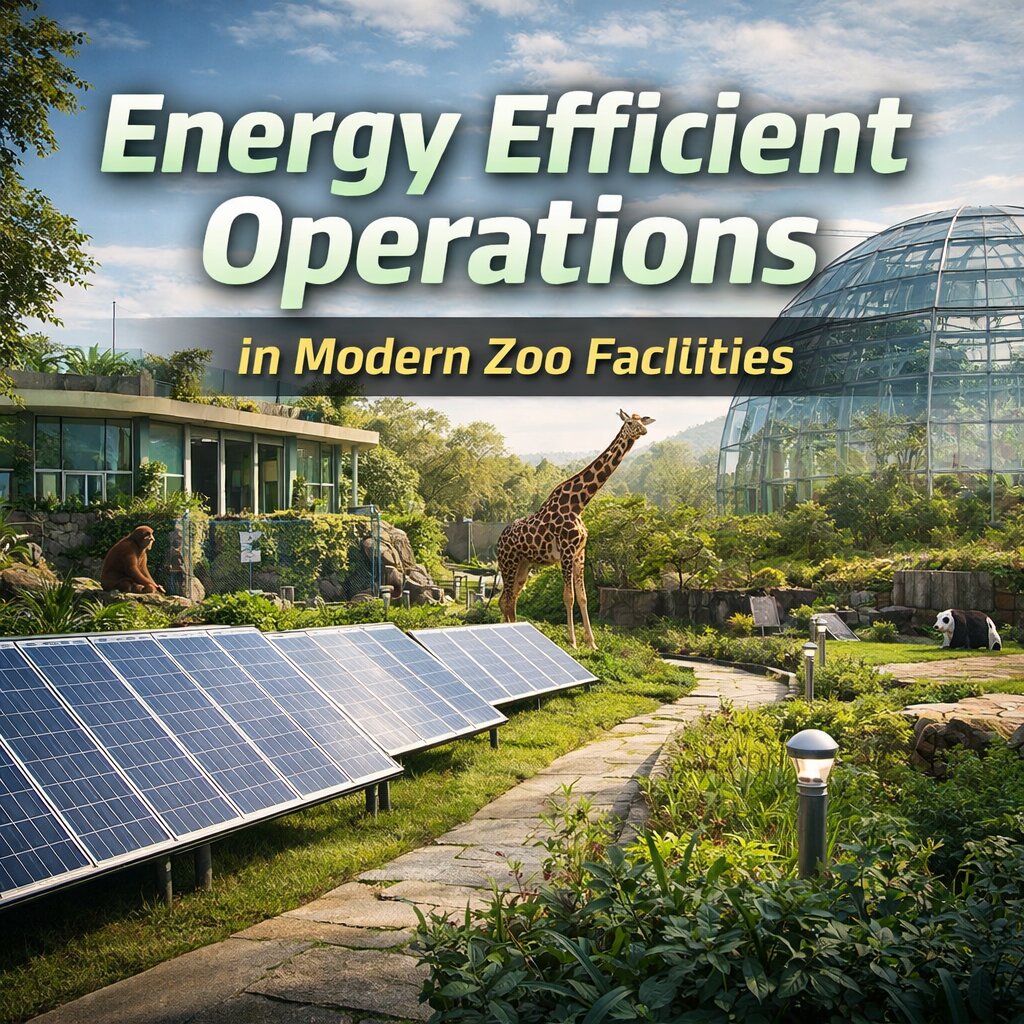
- Solar power installations to generate renewable energy on-site
- Energy-efficient water filtration systems for aquatic habitats
- Building management systems (BMS) to monitor and optimise energy use
- Heat recovery systems to reuse energy from existing processes
These technologies not only lower operational costs but also support long-term sustainability goals.
By integrating multiple systems into a unified platform, zoo operators can gain better control over energy usage and identify areas for improvement.
Sustainable design and infrastructure in zoo facilities
Energy efficiency in zoos begins with design. Modern zoo facilities are increasingly built or upgraded with sustainability in mind, ensuring that energy efficiency is embedded from the ground up.
Passive design strategies are commonly used to reduce reliance on artificial systems. This includes natural ventilation, strategic shading, and the use of materials that regulate temperature effectively.
Green building techniques also play a significant role. Insulated structures, energy-efficient glazing, and eco-friendly construction materials help reduce energy demand across the facility.
Landscaping is another important factor. Trees, water features, and natural barriers can create microclimates that support both animal habitats and energy efficiency.
By combining smart design with advanced technology, zoos can create environments that are both functional and sustainable.
Operational strategies for reducing energy consumption
Beyond infrastructure and technology, daily operations have a significant impact on energy efficiency. Zoo management teams play a key role in implementing strategies that reduce consumption without compromising quality.
Regular maintenance of equipment ensures that systems operate at peak efficiency. Faulty or outdated equipment can lead to unnecessary energy waste and increased costs.
Staff training is also essential. By educating employees on energy-saving practices, zoos can foster a culture of sustainability across all departments.
Scheduling is another effective strategy. Aligning energy-intensive activities with off-peak hours can reduce strain on systems and improve overall efficiency.
Data-driven decision-making allows operators to track performance and identify trends. This enables continuous improvement and more informed planning.
Building a sustainable future for wildlife facilities
Energy-efficient operations in modern zoo facilities are not just about reducing costs. They are about creating a sustainable future for both wildlife and the communities that support conservation efforts.
As zoos continue to evolve, the integration of energy-efficient technologies and practices will become even more important. These efforts help ensure that facilities can operate responsibly while maintaining high standards of care.
By investing in sustainability, zoos can lead by example, demonstrating how complex environments can balance operational needs with environmental responsibility.
In doing so, they contribute to a broader global effort to protect natural resources and promote sustainable development for future generations.