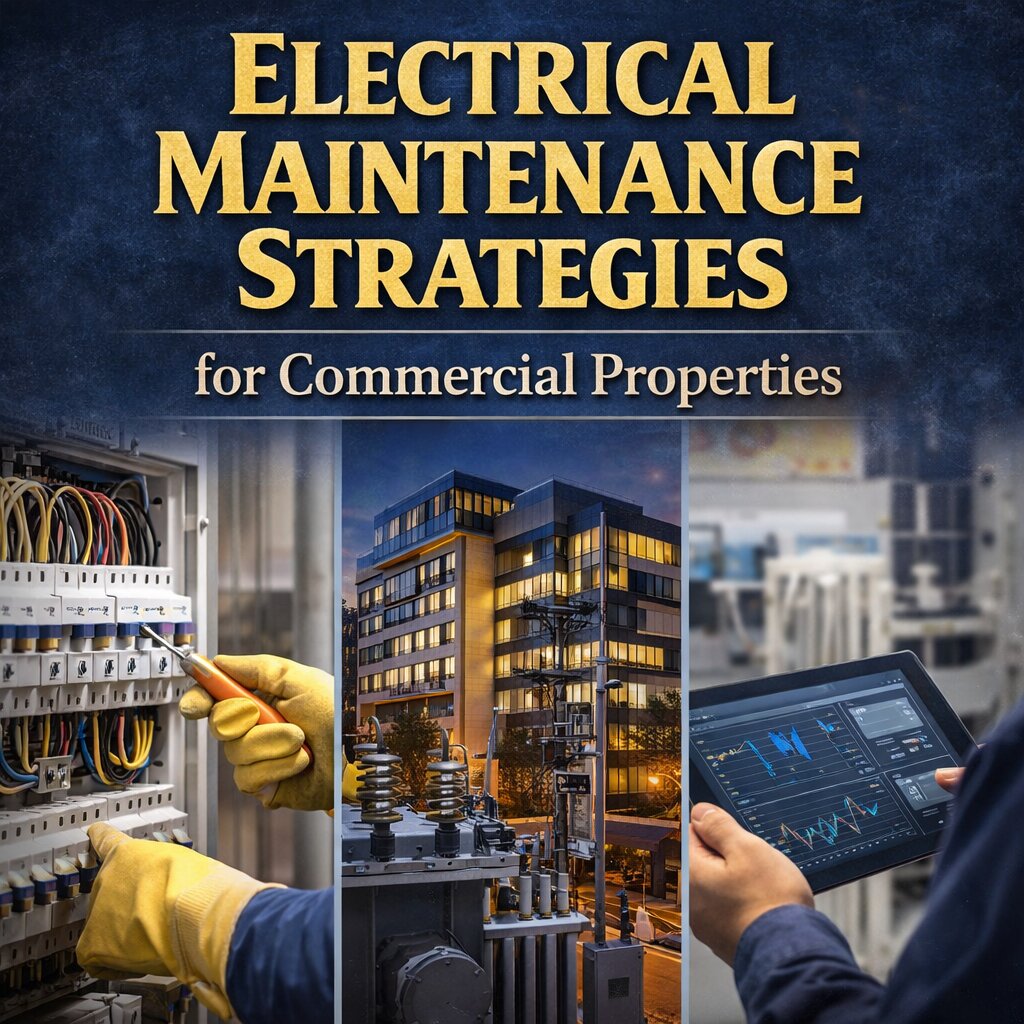
Electrical maintenance strategies are essential for keeping commercial properties safe, efficient and operational. In environments where power systems support everything from lighting and HVAC to security and IT infrastructure, even a minor failure can lead to costly downtime and safety risks.
For property managers and facility operators, the goal is not just to fix problems when they arise. It is to implement electrical maintenance strategies that prevent issues, extend equipment lifespan and ensure consistent performance across all systems.
In this guide, we explore how to approach electrical maintenance strategies in a structured and practical way, helping you maintain reliability while reducing long-term costs.
Understanding the role of proactive maintenance
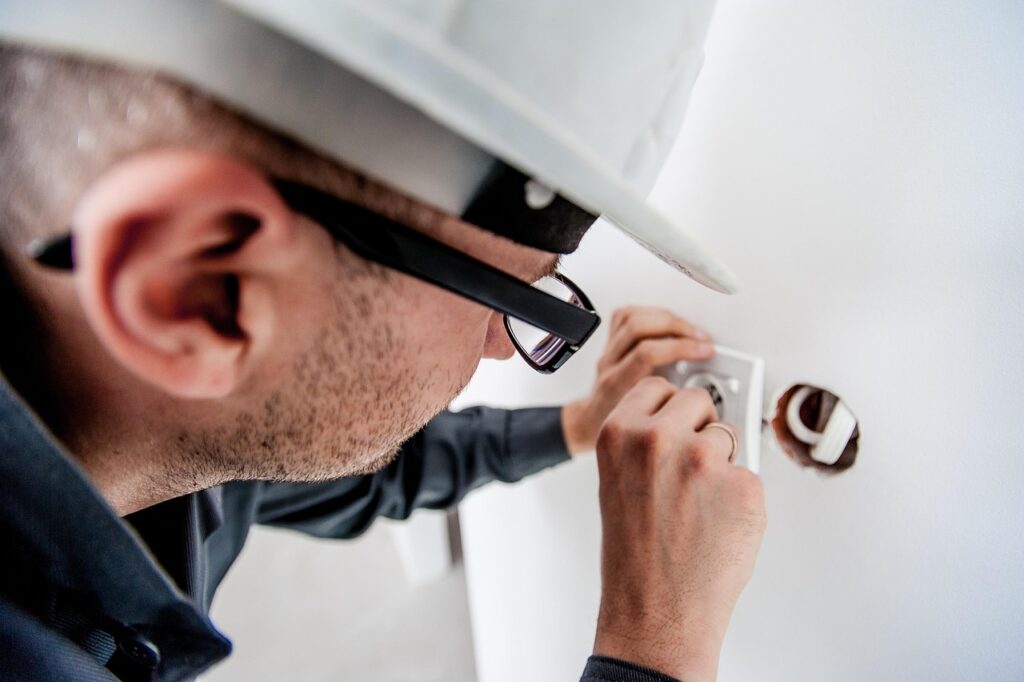
One of the most important shifts in modern facility management is moving from reactive repairs to proactive planning. Electrical maintenance strategies should focus on identifying potential issues before they become failures.
In a reactive model, systems are only addressed when something breaks. This approach often leads to unexpected downtime, emergency repairs and higher costs. In contrast, proactive electrical maintenance strategies aim to detect wear, inefficiencies or faults early.
Regular inspections, testing and monitoring allow you to understand how your electrical systems are performing over time. This makes it easier to plan interventions and avoid sudden disruptions.
By adopting a proactive mindset, commercial properties can maintain continuity while improving overall system reliability.
Key components of effective electrical maintenance strategies
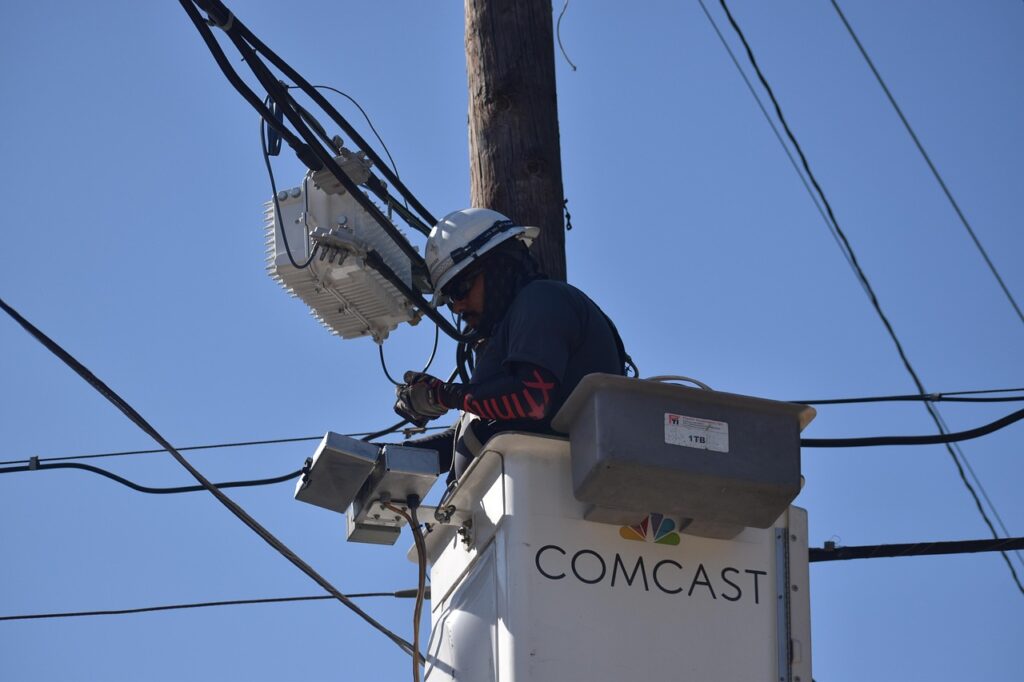
To implement successful electrical maintenance strategies, it is important to focus on the core components that support system performance and safety.
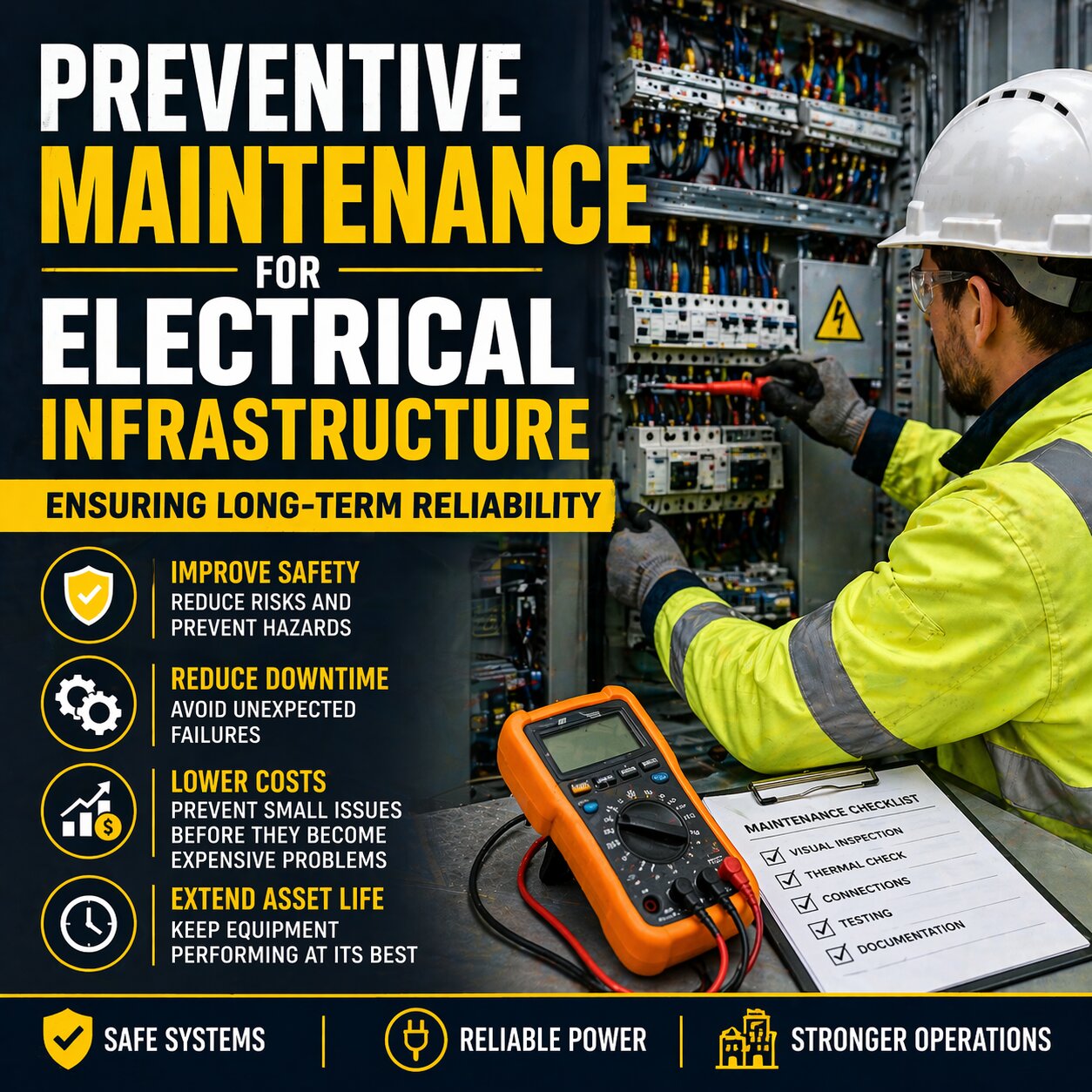
Routine inspections form the foundation. These include checking wiring, distribution boards, circuit breakers and connections for signs of wear or damage. Identifying issues early prevents them from escalating into more serious problems.
Testing is equally important. Systems such as emergency lighting, backup power and safety devices must be regularly tested to ensure they function correctly when needed.
Preventative maintenance tasks, such as cleaning components, tightening connections and replacing worn parts, help maintain efficiency and reduce the likelihood of failure.
Documentation also plays a key role. Keeping accurate records of maintenance activities allows you to track system performance and make informed decisions about future upgrades or repairs.
Balancing safety and operational efficiency

Electrical systems in commercial properties must meet strict safety standards while also supporting daily operations. Electrical maintenance strategies need to balance these two priorities effectively.
Safety checks should always be a top priority. This includes ensuring compliance with regulations, verifying grounding systems and inspecting protective devices such as surge protectors and circuit breakers.
At the same time, maintenance activities should be planned to minimise disruption. Scheduling work during off-peak hours or in phases can help maintain business continuity.
By integrating safety and efficiency into your electrical maintenance strategies, you create a system that supports both compliance and productivity.
The role of technology in modern maintenance strategies
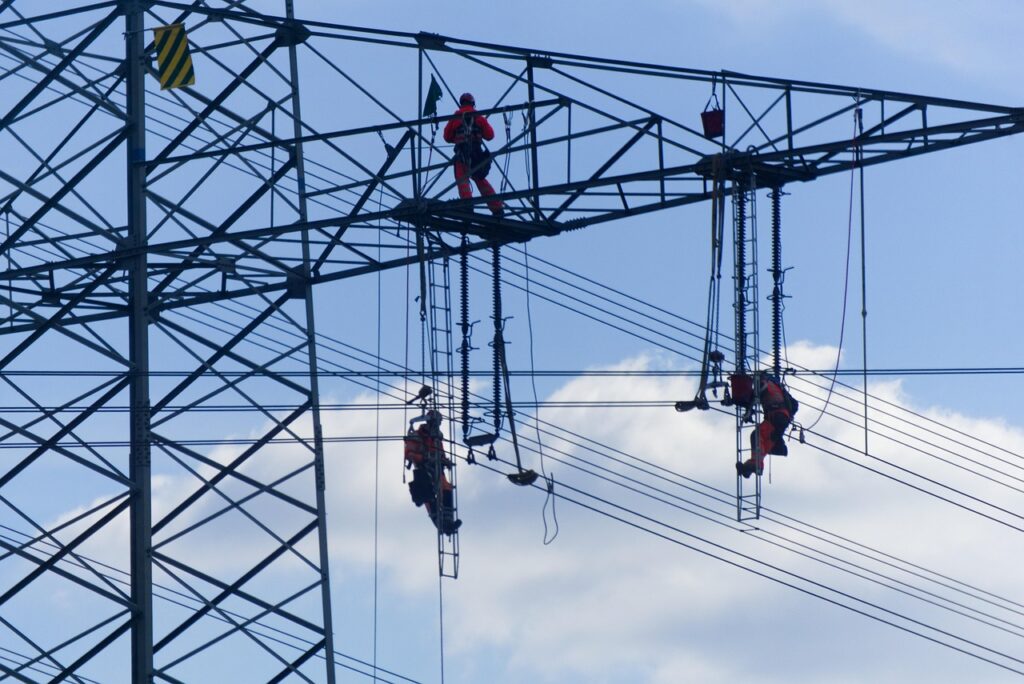
Technology has transformed how electrical maintenance strategies are implemented. Advanced monitoring systems now provide real-time data on electrical performance, allowing facility managers to detect issues as they develop.
Smart sensors and energy management systems can track usage patterns, identify inefficiencies and highlight areas where maintenance may be required. This data-driven approach makes it easier to prioritise tasks and allocate resources effectively.
Automation also plays a role, with systems capable of sending alerts or even triggering corrective actions when certain thresholds are reached.
By incorporating technology into your electrical maintenance strategies, you move from reactive management to intelligent, predictive maintenance.
Common challenges and how to address them
Implementing electrical maintenance strategies in commercial properties is not without its challenges. Budget constraints, ageing infrastructure and limited downtime can all impact how maintenance is carried out.
One of the most common issues is balancing cost with long-term value. While preventative maintenance requires upfront investment, it often reduces overall expenses by preventing major failures.
Another challenge is managing older systems that may not support modern monitoring technologies. In these cases, a phased upgrade approach can help improve reliability without requiring a complete overhaul.
Coordination is also key. Ensuring that maintenance activities align with operational needs requires careful planning and communication between teams.
Practical steps for implementing maintenance strategies
- Develop a scheduled maintenance plan based on system requirements
- Conduct regular inspections and testing of critical components
- Use monitoring systems to track performance and detect issues
- Keep detailed records of all maintenance activities
- Plan upgrades to improve efficiency and reliability over time
Final thoughts
Electrical maintenance strategies are a critical part of managing commercial properties effectively. They go beyond basic repairs, providing a structured approach to maintaining safety, efficiency and long-term performance.
By focusing on proactive planning, integrating technology and balancing operational needs, property managers can create systems that are both reliable and cost-effective.
In a world where electrical systems underpin nearly every aspect of commercial operations, strong electrical maintenance strategies are not optional.
They are essential. 🔥