Facilities management covers a wide range of built environments, each with its own operational, safety, and maintenance requirements. Understanding the different types of facilities is essential for planning effective maintenance strategies, ensuring compliance, and delivering safe, functional spaces for users.
From office buildings and workshops to utility infrastructure and public amenities, each facility type presents unique challenges. This guide explores the most common types of facilities and highlights the key considerations facilities managers need to account for across sectors.
Office buildings
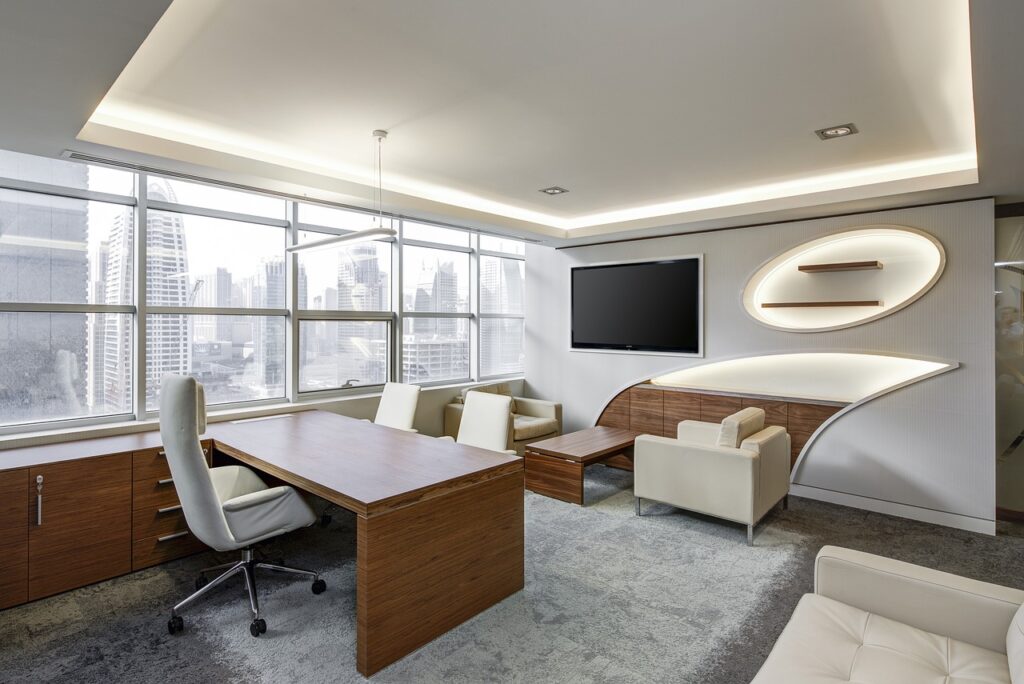
Office buildings are among the most common and complex types of facilities to manage. They combine people-focused environments with technical building systems such as HVAC, lighting, access control, and IT infrastructure. Day-to-day operations must support productivity, comfort, and safety.
Facilities managers need to balance space planning, cleaning, preventative maintenance, and security while also accommodating changing workplace needs. Office design, access management, and security systems play a critical role, especially in multi-tenant or high-traffic buildings.
Maintenance workshops and industrial facilities
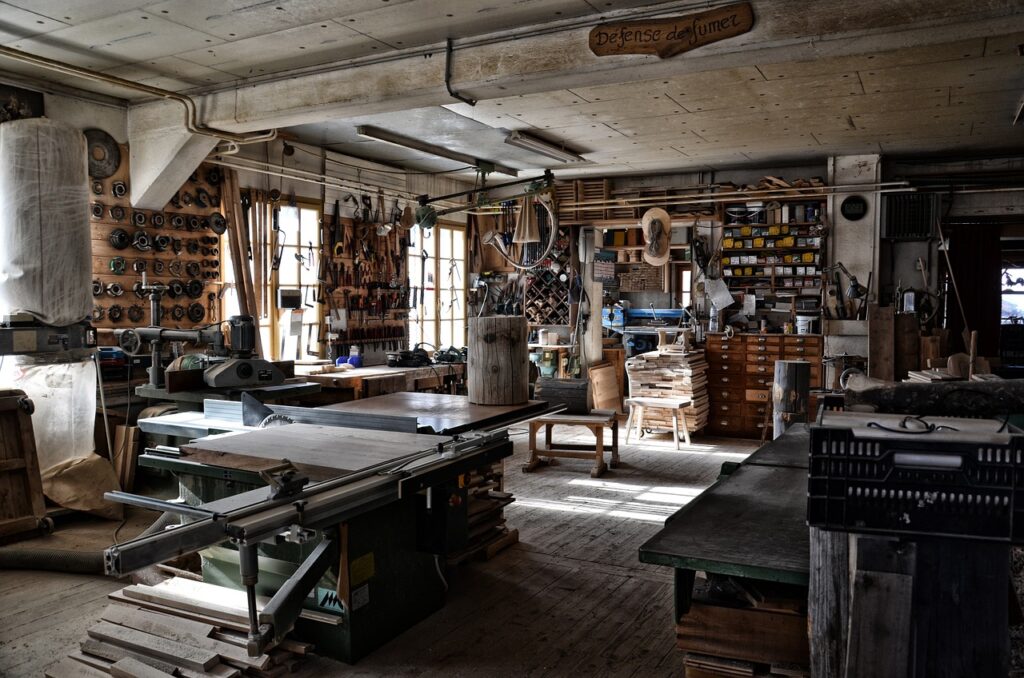
Maintenance workshops support operational and repair activities and often include heavy equipment, tools, and hazardous materials. These types of facilities require strict safety protocols, robust ventilation, and regular equipment inspections.
Unlike offices, workshops prioritise functionality and compliance over aesthetics. Flooring, lighting, fire safety systems, and secure storage are critical, as is controlled access to reduce risk and ensure compliance with occupational health and safety standards.
Utility facilities and infrastructure sites
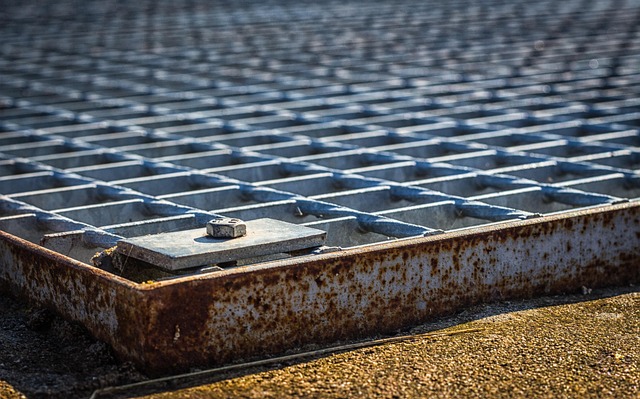
Utility facilities such as sewerage plants, pump stations, and water treatment facilities are mission-critical assets. These types of facilities operate continuously and failures can have serious environmental and public health consequences.
Facilities management here focuses on preventative maintenance, asset lifecycle management, and security. Many utility sites are unmanned or remotely operated, making perimeter security, monitoring systems, and reliable maintenance schedules essential to uninterrupted operation.
Parks, forest buildings, and environmental facilities

Parks and forest facilities include ranger stations, storage buildings, visitor centres, and maintenance depots. These types of facilities are often located in remote or environmentally sensitive areas, which adds complexity to maintenance and security planning.
Facilities managers must consider environmental impact, weather exposure, and limited access to services. Durable materials, low-maintenance designs, and strong security measures help protect assets while supporting conservation and public access goals.
Public swimming pools and recreational facilities
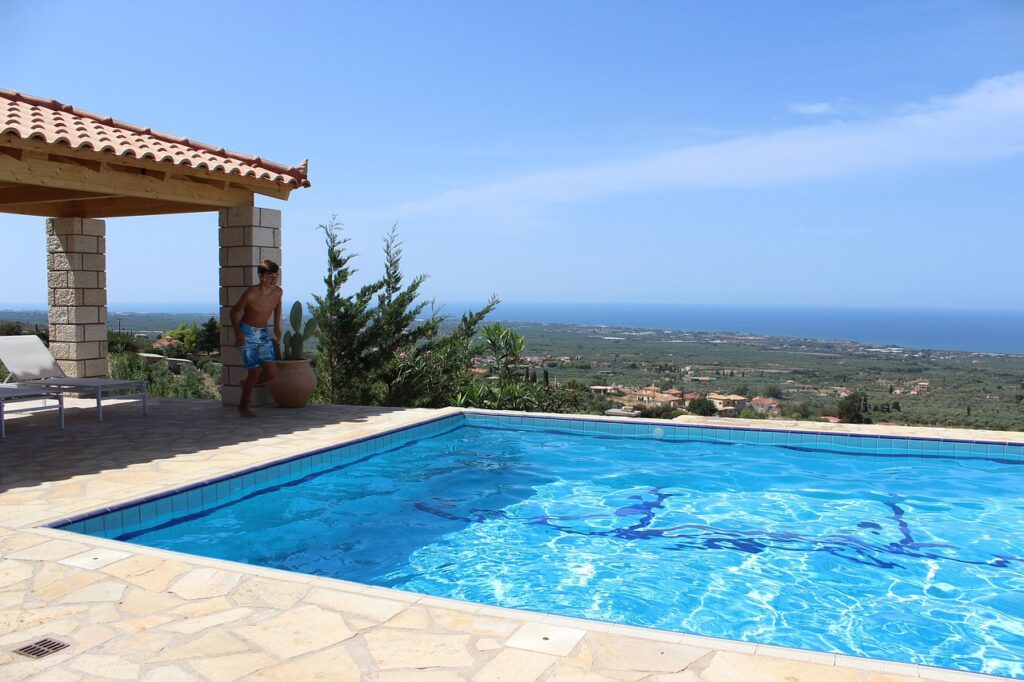
Public swimming pools are highly regulated types of facilities due to health and safety risks. Facilities management must cover water quality control, plant room maintenance, structural safety, and compliance with public health standards.
In addition to technical systems, these facilities require strong crowd management, security, and cleaning routines. Seasonal usage patterns also play a role, requiring flexible maintenance and staffing strategies throughout the year.
Fire stations and emergency service facilities
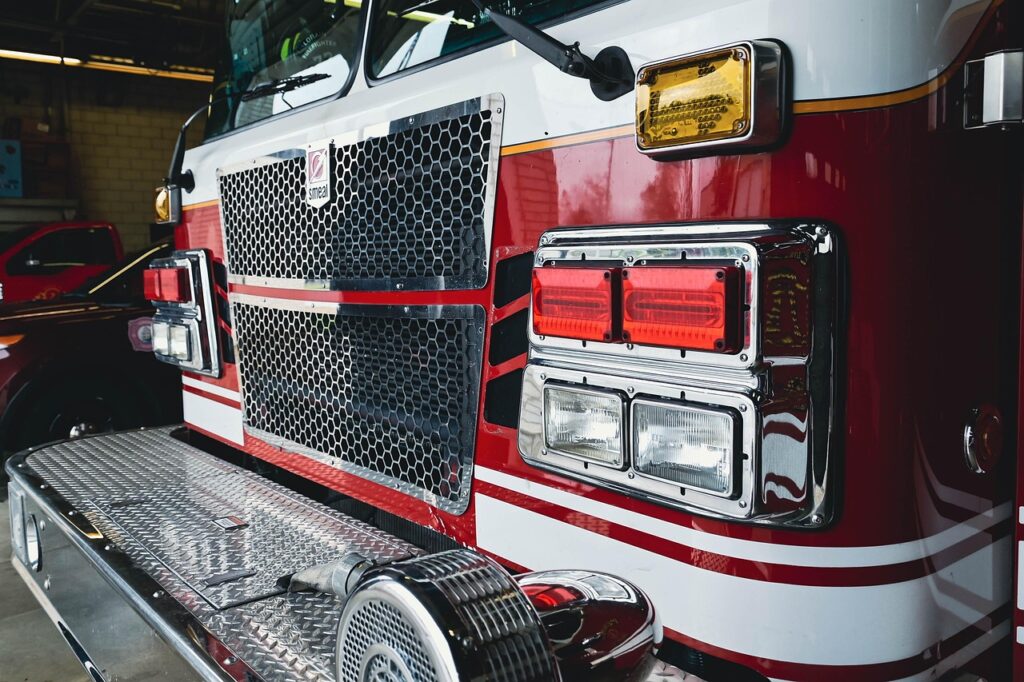
Fire stations are operational facilities where readiness is critical. These types of facilities combine office spaces, accommodation areas, vehicle bays, and specialised equipment storage under one roof.
Facilities management must ensure that systems are reliable, access routes remain clear, and equipment is always operational. Security, resilient building design, and efficient layouts are essential to support rapid response times and 24-hour operations.
Why disciplines like security and design apply to all facility types
While each facility type has unique requirements, some FM disciplines cut across all types of facilities. Security is essential everywhere, from office buildings and workshops to parks and utility sites, protecting people, assets, and infrastructure.
Similarly, office design principles often extend beyond traditional offices. Control rooms, admin areas, and staff spaces exist in most facility types and require thoughtful layout, ergonomics, and compliance. Linking facilities back to core disciplines helps create integrated, resilient management strategies rather than siloed solutions.
Final thoughts on understanding types of facilities
Understanding the different types of facilities is a foundational step in effective facilities management. Each environment brings its own operational demands, risks, and compliance requirements, but all benefit from structured maintenance, strong security, and informed design decisions.
By recognising how these facility types differ, facilities managers can plan smarter, allocate resources more effectively, and create safer, more efficient spaces that support both daily operations and long-term sustainability.