Recycling is often seen as an environmental responsibility, but it is also a powerful economic driver. Across South Africa, innovative recycling initiatives are proving that waste can be transformed into valuable resources, and that doing so can create sustainable jobs in local communities.
Recycling as a catalyst for employment

The recycling industry offers a wide range of job opportunities, from collection and sorting to processing and manufacturing. Informal waste pickers already play a critical role in diverting materials from landfills, yet many operate without formal recognition or support. By integrating these workers into structured recycling programmes, municipalities and private companies can help create stable employment while improving working conditions.
Community-based projects have shown that even small-scale initiatives can have a big impact. Plastic bottle collection drives, aluminium can recycling, and paper recovery programmes not only reduce environmental pollution but also provide income streams for individuals who may have limited access to traditional employment.
Building a circular economy

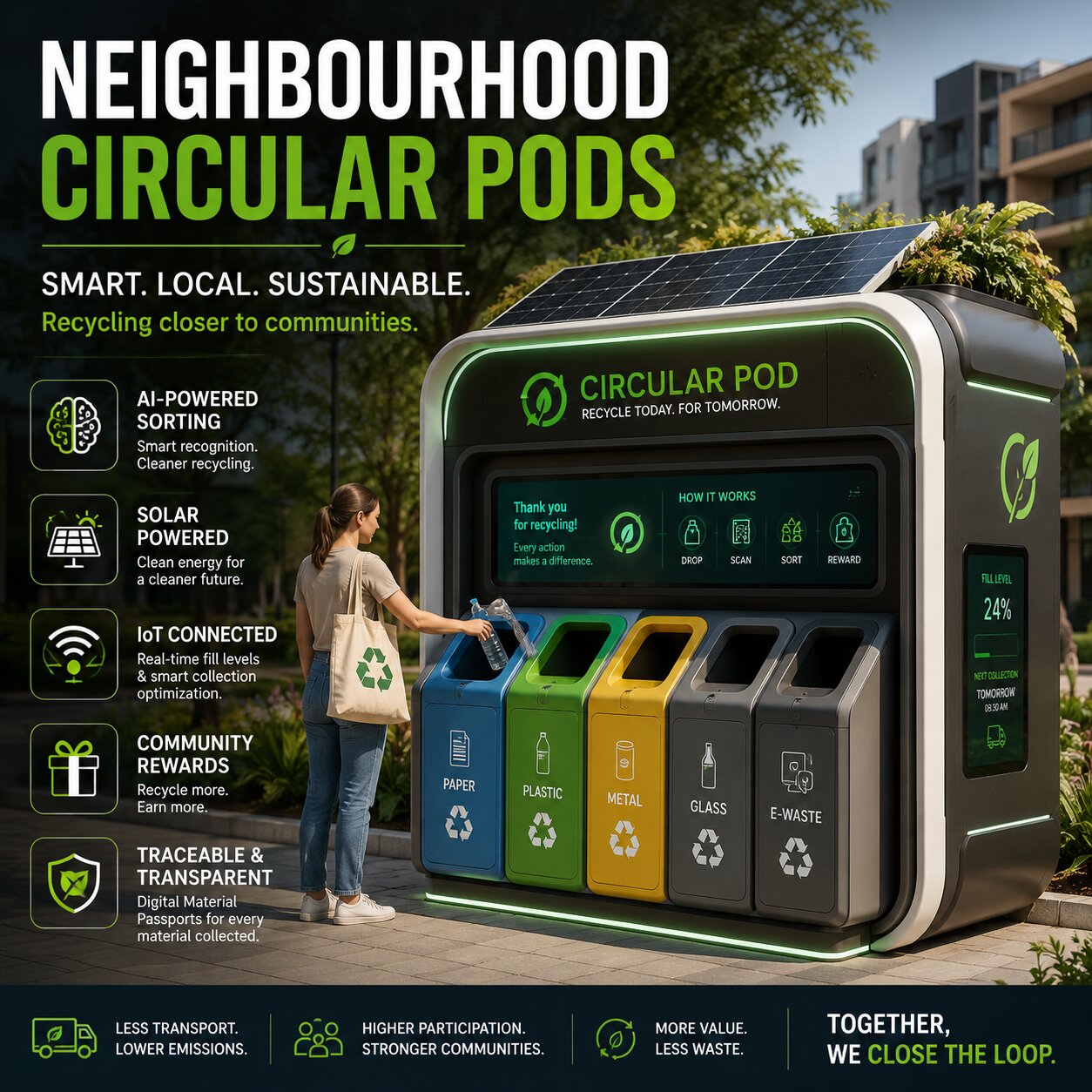
When recyclable materials are collected, processed, and reintroduced into production, they create a circular economy — one in which resources are used efficiently and waste is minimised. This approach keeps value within local economies instead of relying solely on imported raw materials.
For example, recycled plastics can be turned into furniture, construction materials, or even clothing fibres, creating downstream industries that further expand job opportunities. Glass collected from restaurants, hotels, and households can be melted down and remade into new bottles and jars, keeping the manufacturing loop entirely local.
The role of training and support

To maximise the economic potential of recycling, it’s essential to invest in training and infrastructure. Skills development programmes can teach workers how to sort materials efficiently, operate machinery, and manage logistics. Access to collection vehicles, protective gear, and processing facilities can dramatically improve productivity and safety.
Public-private partnerships are key in scaling up these efforts. When municipalities, businesses, and community organisations work together, they can establish reliable collection systems, ensure fair pricing for recyclables, and open up new markets for recycled products.
A win-win for people and the planet
Recycling is more than an environmental necessity. It’s a proven pathway to economic empowerment. By investing in recycling systems that create jobs, South Africa can tackle unemployment, reduce landfill waste, and build a more resilient economy.
If embraced at scale, waste could become one of the country’s most abundant resources, driving innovation and creating opportunities in every community. Turning waste into jobs is not just possible; it’s already happening, and the potential is enormous.