
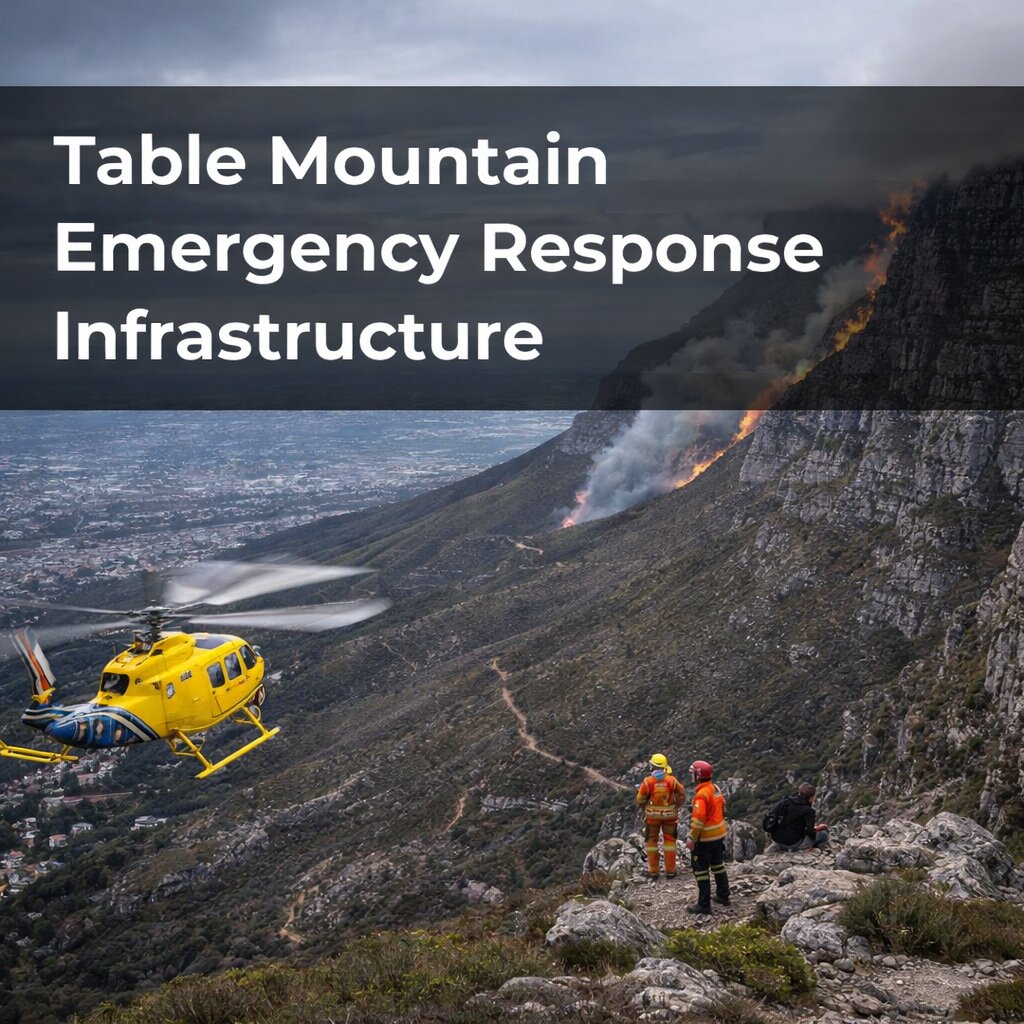
Table Mountain emergency response systems are far more complex than most visitors realise. Behind the iconic skyline and world-famous hiking trails lies a coordinated infrastructure network designed to manage medical emergencies, wildfires, search-and-rescue operations, and environmental threats.
With thousands of visitors accessing Table Mountain every week, the reliability of Table Mountain emergency response infrastructure is critical. From rapid evacuation planning to inter-agency coordination, the mountain operates as a high-risk natural asset that requires specialised response systems and constant operational readiness.
The Operational Landscape of Table Mountain Emergency Response
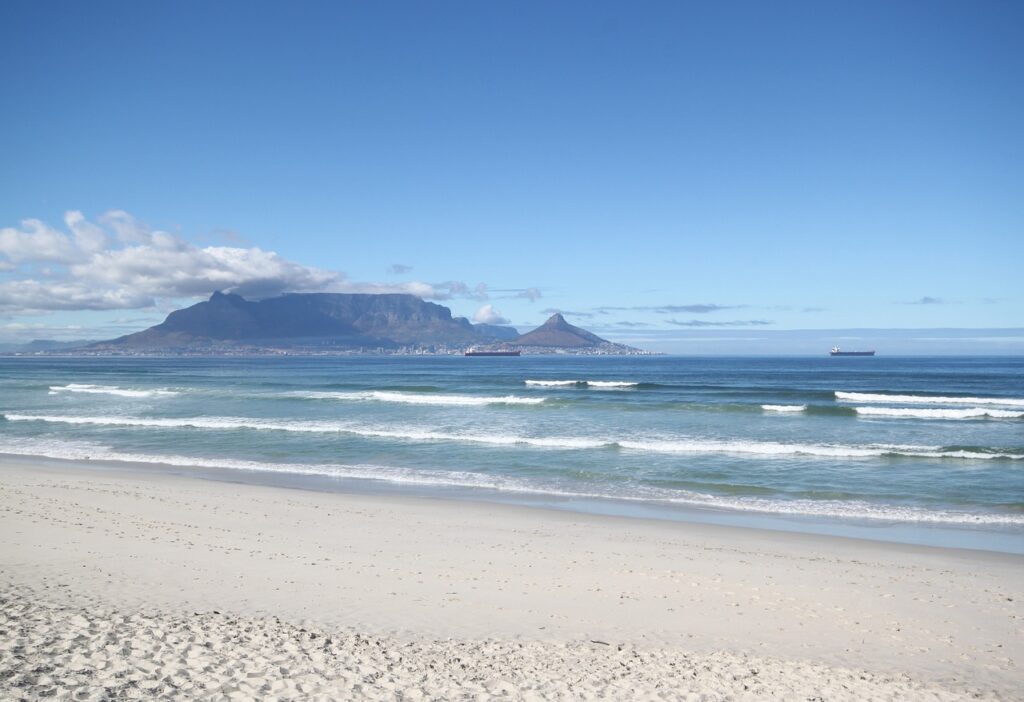
Table Mountain presents unique response challenges. Its steep cliffs, rapidly changing weather conditions, and dense vegetation create environments where incidents can escalate quickly.
Emergency response on the mountain must account for:
- Remote and inaccessible terrain
- Limited vehicle access in certain zones
- Sudden fog and wind shifts
- Seasonal wildfire risk
- High visitor volumes
The Table Mountain emergency response framework therefore relies on multi-layered coordination between park management, City of Cape Town emergency services, volunteer rescue teams, and aerial support units.
This integration ensures that incidents ranging from minor injuries to full-scale wildfire events can be handled efficiently.
Search and Rescue Infrastructure
Search and rescue operations form a core pillar of Table Mountain emergency response.
The infrastructure supporting this includes:
Coordinated Command Structures
Incident command systems are activated depending on severity. These systems integrate mountain rescue volunteers, paramedics, fire services and law enforcement under a unified response protocol.
Communication Networks
Reliable radio systems, repeater stations and mobile coordination units ensure communication continuity even in signal-shadowed valleys.
Aerial Support
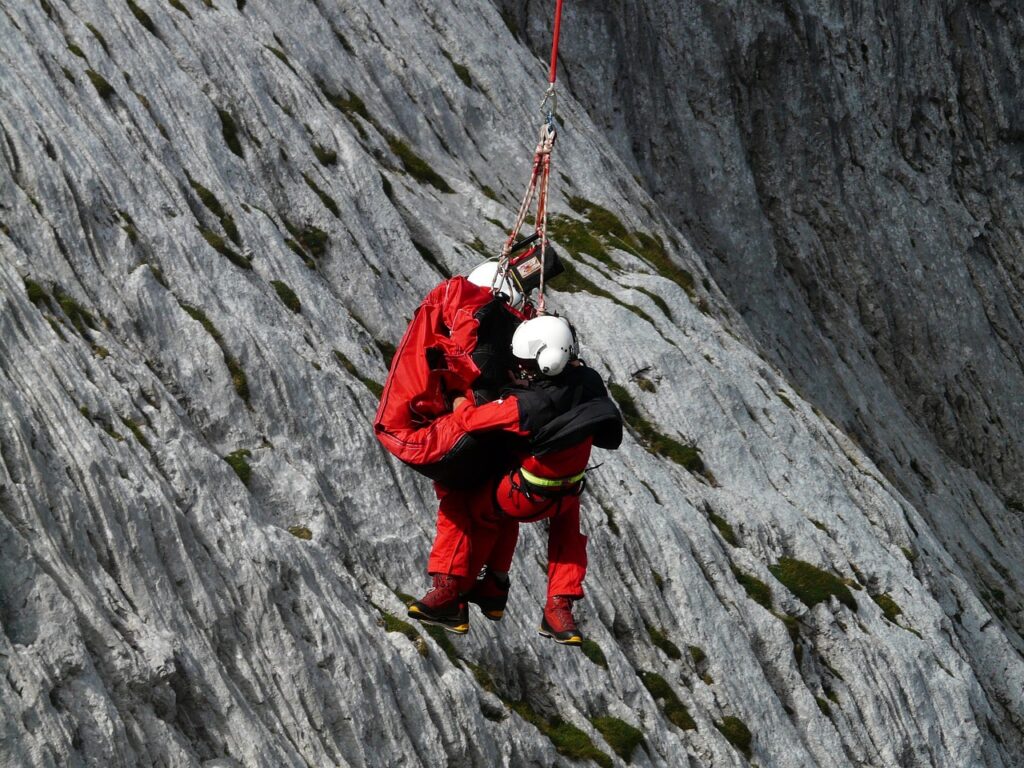
Helicopter evacuation capability is critical on Table Mountain. Landing zones and hoist procedures are pre-planned in high-risk areas, enabling rapid extraction of injured hikers.
Trail Monitoring and Risk Mapping
High-risk routes are mapped and categorised based on technical difficulty and historical incident data, allowing faster deployment decisions during emergencies.
Wildfire Response and Environmental Protection
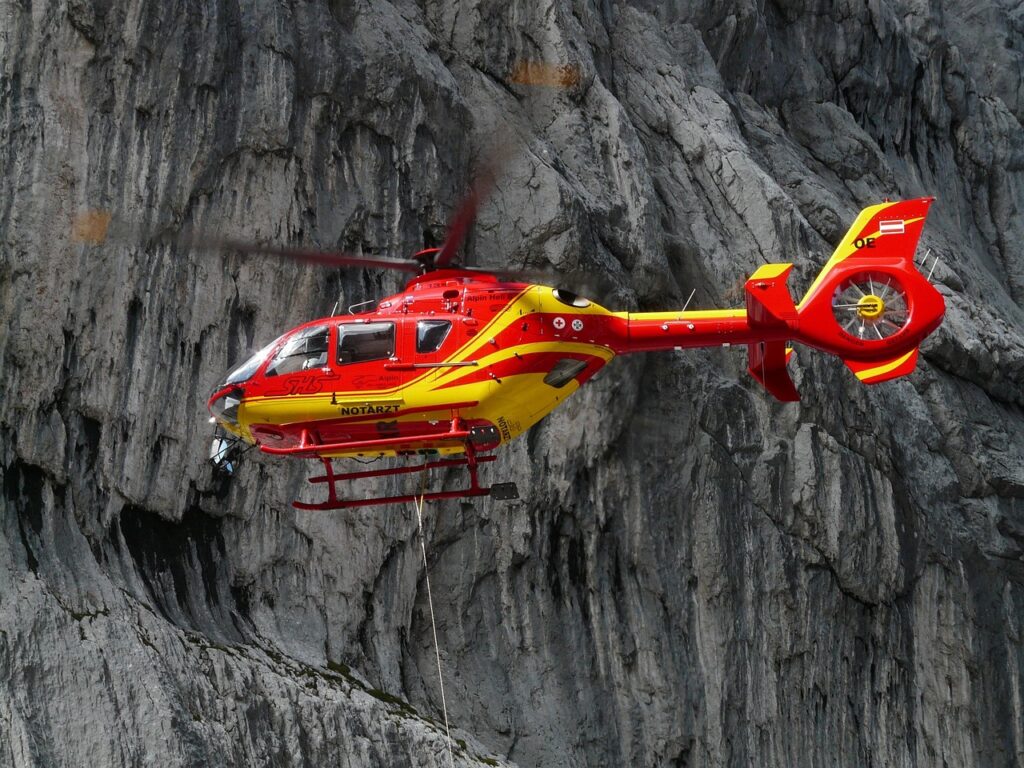
Table Mountain’s fynbos ecosystem is highly susceptible to fire, particularly during dry summer months. Table Mountain emergency response therefore includes advanced wildfire management planning.
This infrastructure involves:
- Firebreak maintenance
- Water supply coordination points
- Aerial water-bombing logistics
- Vegetation risk assessments
- Seasonal monitoring protocols
Rapid detection and response are critical to protecting both biodiversity and nearby urban areas. Wildfire coordination is handled in close collaboration with regional fire services and environmental management teams.
Medical Response and Visitor Safety Systems
Medical emergencies range from dehydration and falls to cardiac events. Response readiness includes:
- Pre-designated evacuation routes
- Coordination with mountain base stations
- Rapid deployment paramedic teams
- Clear public emergency contact protocols
Signage across key access points provides emergency numbers and safety guidance, forming part of preventative infrastructure. Visitor education plays a significant role in reducing incident severity.
Table Mountain emergency response is therefore not purely reactive — it integrates prevention, preparedness and public awareness into its design.
Inter-Agency Coordination and Governance
Effective Table Mountain emergency response depends on structured governance.
The system typically integrates:
- National park management authorities
- Municipal emergency services
- Volunteer rescue organisations
- Environmental management teams
- Disaster risk management units
This layered governance model ensures operational clarity, resource allocation efficiency and compliance with safety regulations.
Infrastructure planning extends beyond physical systems into procedural design, documentation, and simulation exercises to maintain readiness.
Strengthening Resilience on an Iconic Landmark
Table Mountain emergency response infrastructure demonstrates how natural landmarks require sophisticated operational systems behind the scenes.
From search and rescue coordination to wildfire mitigation, the mountain operates as a managed risk environment. Continuous upgrades, training and inter-agency collaboration ensure that one of South Africa’s most iconic landscapes remains both accessible and protected.
As climate patterns shift and visitor numbers grow, infrastructure resilience will remain central to safeguarding lives, ecosystems and surrounding communities.