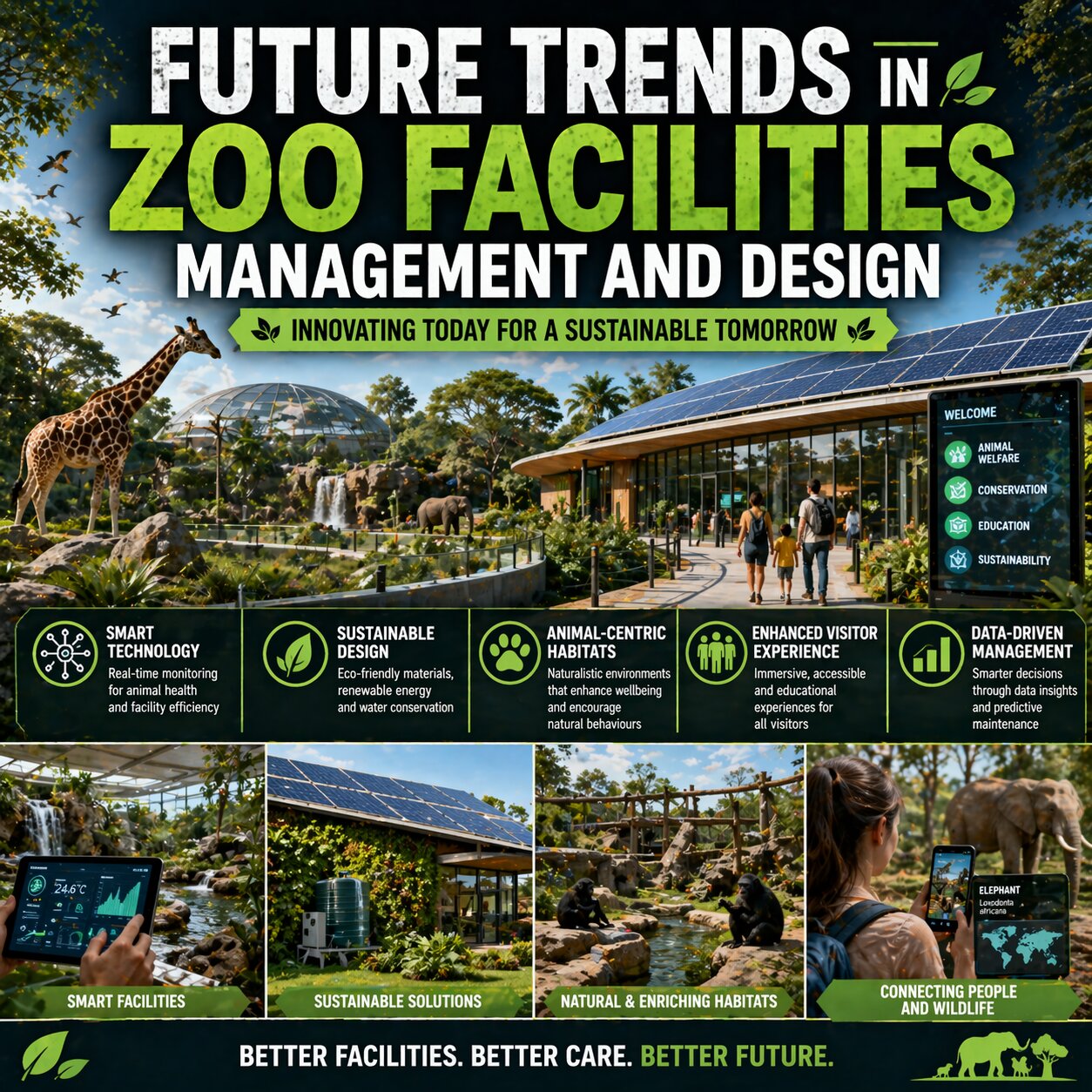
Zoos and wildlife parks play an important role in conservation, education, and research. However, managing these large facilities requires careful attention to environmental sustainability. One of the most critical operational challenges is handling the large volumes of waste generated by animals, visitors, food preparation areas, and maintenance activities. Effective waste management systems are therefore essential for maintaining healthy environments for both animals and people.
Modern zoological facilities house a wide range of species, each producing different types and quantities of waste. From animal manure and uneaten food to packaging materials and visitor waste, the variety of waste streams requires structured management strategies. Without proper waste management systems, these materials can lead to sanitation issues, environmental pollution, and potential health risks.
Waste management systems in zoos and wildlife parks must therefore combine sanitation, recycling, and sustainability practices. By implementing efficient waste handling processes, facilities can minimise environmental impact while improving operational efficiency.
As wildlife parks expand and visitor numbers grow, sustainable waste management systems are becoming increasingly important for protecting both animal habitats and surrounding ecosystems.
Understanding waste streams in zoos and wildlife parks

Waste produced in zoological facilities comes from multiple sources and varies widely depending on the species housed and the services offered at the park. Identifying and managing these waste streams is the first step in designing effective waste management systems.
Animal waste is one of the largest components of zoo waste. Manure, bedding materials, and leftover food must be collected and processed regularly to maintain hygienic enclosures and prevent disease. In some facilities, animal waste can be converted into compost or biogas, reducing environmental impact while producing useful by-products.
Visitor-generated waste is another major factor. Food packaging, plastic bottles, disposable containers, and paper products accumulate throughout the park each day. Proper collection systems and recycling programs help ensure that these materials do not end up in landfills unnecessarily.
Operational waste from maintenance activities also contributes to the overall waste stream. Landscaping debris, construction materials, and cleaning products must be managed responsibly to maintain safe and environmentally friendly facilities.
Key components of zoo waste management systems
Effective waste management systems rely on several integrated components that handle waste collection, separation, processing, and disposal. These systems ensure that waste is managed safely while supporting environmental sustainability goals.
Important elements of waste management systems include:
- Waste collection and segregation points throughout the park
- Composting facilities for organic waste
- Recycling stations for plastics, paper, and metals
- Manure processing or bio-digestion systems
- Waste transport and storage infrastructure
- Partnerships with external recycling and waste disposal providers
Waste segregation is particularly important in zoo environments. Separating organic waste from recyclable materials ensures that each waste type can be processed appropriately.
Composting is commonly used for animal manure and plant waste. This process transforms organic material into nutrient-rich compost that can be used in landscaping or agricultural projects.
Bio-digestion systems are also gaining popularity in larger parks. These systems convert animal waste into renewable energy while reducing the volume of waste that must be disposed of externally.
Hygiene and environmental protection

Maintaining hygiene is one of the primary goals of waste management systems in zoos and wildlife parks. Waste accumulation can attract pests, spread pathogens, and compromise animal health if not managed properly.
Regular cleaning schedules and well-designed waste collection systems help prevent these issues. Staff must remove waste from enclosures frequently and transport it to designated processing areas where it can be treated safely.
Environmental protection is another important consideration. Many wildlife parks are located near natural ecosystems, which means improper waste disposal could affect surrounding habitats and water sources.
Modern waste management systems often include containment measures such as sealed storage areas, drainage control systems, and monitoring programs. These safeguards ensure that waste materials do not contaminate soil, groundwater, or nearby wildlife habitats.
Sustainable practices in wildlife park waste management
Sustainability is becoming a key priority for many zoological institutions. Effective waste management systems can significantly reduce the environmental footprint of zoos and wildlife parks.
Many facilities now focus on reducing waste generation at the source. For example, replacing disposable materials with reusable alternatives in food courts and retail shops can dramatically lower waste volumes.
Recycling programs are also widely implemented to manage visitor waste. Clearly marked recycling bins encourage guests to dispose of items responsibly, helping to divert materials from landfill sites.
Organic waste management is another area where zoos are making progress. Composting animal manure and plant debris not only reduces waste but also produces valuable soil conditioners for landscaping and habitat restoration projects.
Some wildlife parks are even exploring energy recovery technologies that convert waste into electricity or heat, further supporting sustainable facility operations.
Technology and innovation in waste management systems

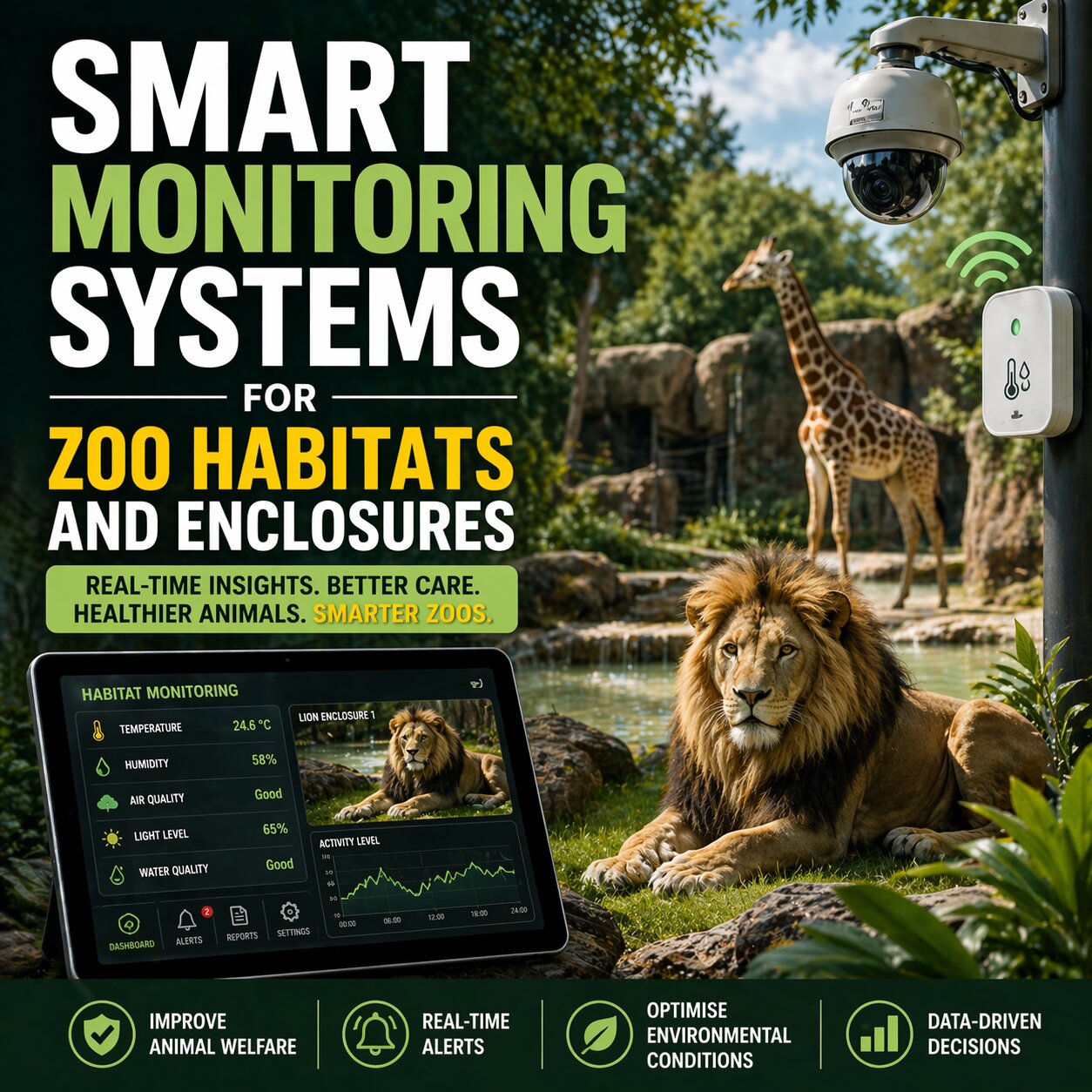
Advancements in technology are helping zoological facilities improve their waste management systems. Modern waste monitoring tools allow operators to track waste volumes, identify inefficiencies, and optimise collection processes.
Digital sensors can monitor waste containers and notify staff when they are full. This helps improve collection efficiency and prevents overflowing bins that could attract pests or create unsanitary conditions.
Automation is also being introduced in some large facilities. Mechanical waste sorting systems can separate recyclable materials more efficiently than manual processes.
Data analysis tools help facility managers measure the effectiveness of sustainability initiatives and identify opportunities for improvement. By analysing waste patterns, zoos can develop targeted strategies to reduce waste generation.
These technological innovations are helping wildlife parks operate more efficiently while supporting environmental conservation goals.
Supporting conservation through responsible waste management
Waste management systems play a critical role in supporting the broader conservation mission of zoos and wildlife parks. Responsible waste handling helps protect the animals within the facility as well as the ecosystems surrounding it.
By reducing landfill waste, improving recycling rates, and adopting sustainable processing methods, zoological institutions can significantly lower their environmental impact. These efforts demonstrate a commitment to environmental stewardship that aligns with their conservation goals.
Well-designed waste management systems also contribute to visitor education. Many zoos use recycling stations and sustainability initiatives to raise awareness about responsible environmental practices.
As wildlife parks continue to evolve, effective waste management systems will remain a key component of sustainable operations. By integrating sanitation, recycling, and innovative technologies, these facilities can create healthier environments for animals, visitors, and the planet.