Concrete is the backbone of modern construction, used in everything from homes and highways to dams and skyscrapers. Yet it has one critical weakness: cracks. Over time, these small fractures allow water and chemicals to seep in, weakening the structure and often leading to costly repairs or even structural failure.
Now imagine a material that could detect these cracks and repair itself automatically. That’s the promise of self-healing concrete, one of the most innovative advances in sustainable building technology.
What is self-healing concrete?
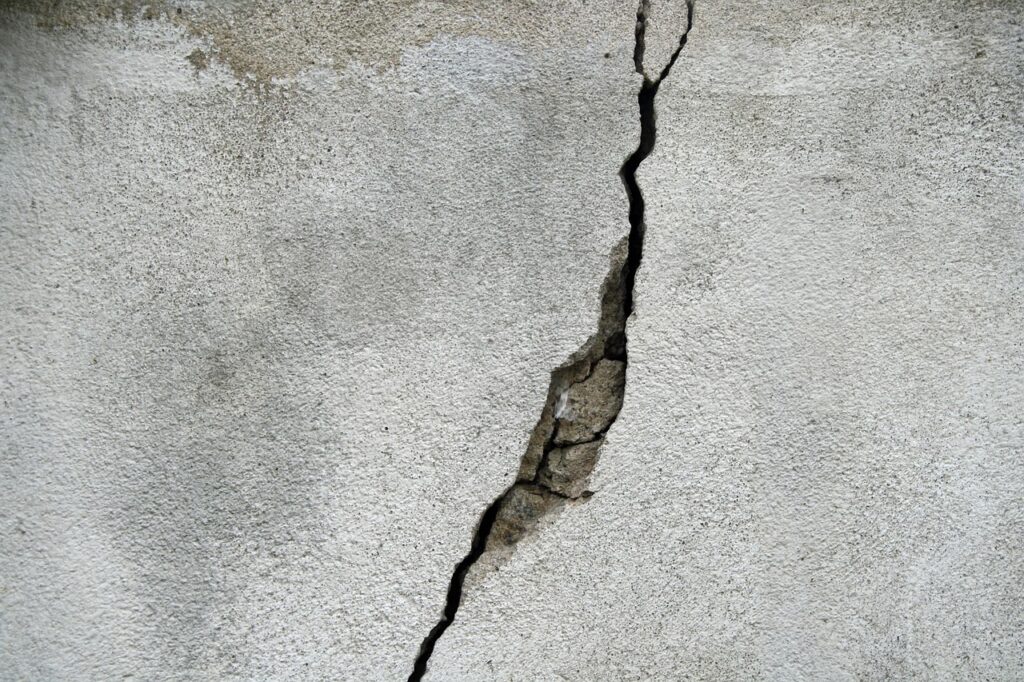
Self-healing concrete is a new type of construction material designed to automatically repair cracks that form over time. Unlike traditional concrete, which requires external maintenance and patchwork, self-healing concrete incorporates special agents—like bacteria, capsules filled with healing materials, or chemical reactions—that activate when damage occurs.
The goal is simple: extend the lifespan of concrete structures, reduce maintenance costs, and create safer, more resilient cities.
Why cracks are such a problem
Concrete may be strong, but it’s not invincible. As buildings, bridges, and dams face stress from traffic, weather, and natural forces, cracks inevitably appear. These cracks might seem small at first, but they create pathways for water and harmful substances. Over time, this can corrode steel reinforcements, weaken the overall structure, and lead to dangerous collapses.
In South Africa, where infrastructure maintenance is already a challenge, preventing cracks before they spread could save millions in repairs and safeguard communities.
How does self-healing concrete work?
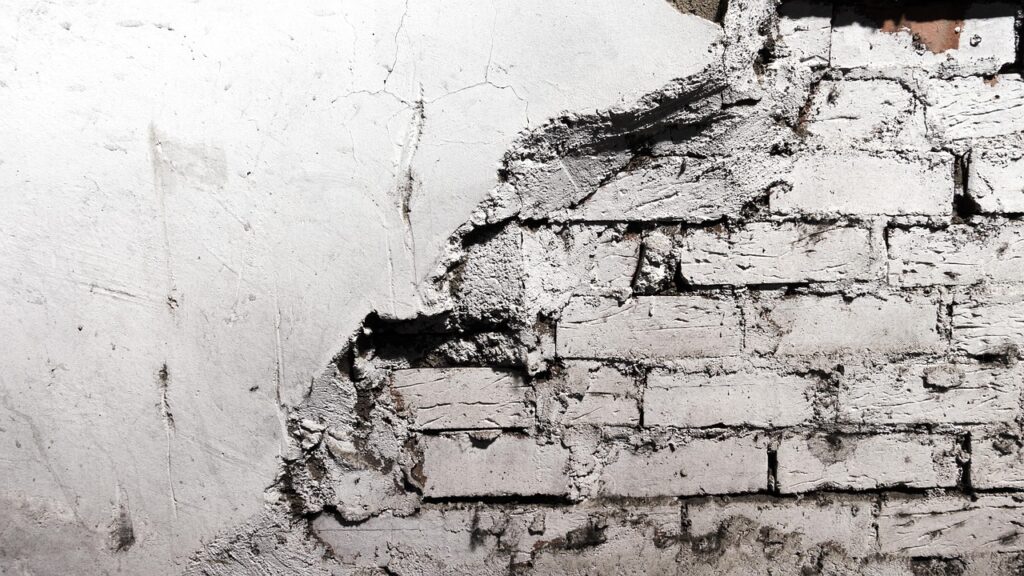
There are several ways scientists and engineers are making concrete “heal itself”:
- Bacteria-based healing: Special dormant bacteria are embedded into the concrete. When cracks form and water enters, the bacteria “wake up” and produce limestone, sealing the gap naturally.
- Capsule-based healing: Tiny capsules filled with repair agents (like adhesives or minerals) are mixed into the concrete. When cracks appear, the capsules break open and release their contents to fill the gaps.
- Chemical-based healing: Certain additives can react with water or carbon dioxide to form solid minerals inside the cracks, closing them off before they spread.
Each of these approaches aims to create a material that behaves more like living tissue than lifeless stone.
The benefits of self-healing concrete
The potential of this technology is enormous:
- Longer-lasting buildings – Structures could remain strong and safe for decades beyond today’s limits.
- Lower maintenance costs – Less need for expensive repairs and patchwork.
- Reduced environmental impact – Less concrete production means lower carbon emissions, since cement is one of the world’s biggest sources of CO₂.
- Improved safety – Bridges, tunnels, and dams would be more reliable, reducing the risk of disasters caused by hidden structural weaknesses.
Could this work in South Africa?
South Africa faces unique infrastructure challenges, with many roads, bridges, and dams in urgent need of maintenance. In coastal cities like Cape Town, concrete is constantly exposed to salty air and water, which accelerates cracking and corrosion.
Self-healing concrete could provide a game-changing solution. Imagine:
- Dams and water reservoirs that seal themselves against leaks.
- Highways and bridges that repair small fractures before they become potholes or hazards.
- Housing projects that last for generations with minimal upkeep.
While the technology is still in development, pilot projects overseas show promising results. If introduced in South Africa, self-healing concrete could not only extend the life of our infrastructure but also help manage limited budgets by reducing costly repairs.
The future of sustainable building materials

Self-healing concrete is just one piece of a much larger puzzle. Around the world, architects and engineers are experimenting with futuristic materials like carbon-capturing bricks, solar skins for buildings, and bioluminescent lighting. These innovations point to a future where cities aren’t just built stronger. They’re designed to actively sustain themselves and the environment.
As South Africa looks toward future-proofing its infrastructure, self-healing concrete could play a major role in creating cities that last longer, cost less to maintain, and are safer for everyone.
Conclusion
Cracks in concrete have always been seen as the beginning of the end for buildings and infrastructure. But with self-healing concrete, cracks may soon be nothing more than temporary blemishes: problems that fix themselves without human intervention. By adopting this futuristic material, we could reshape how we build and maintain our cities, paving the way for a safer and more sustainable future.