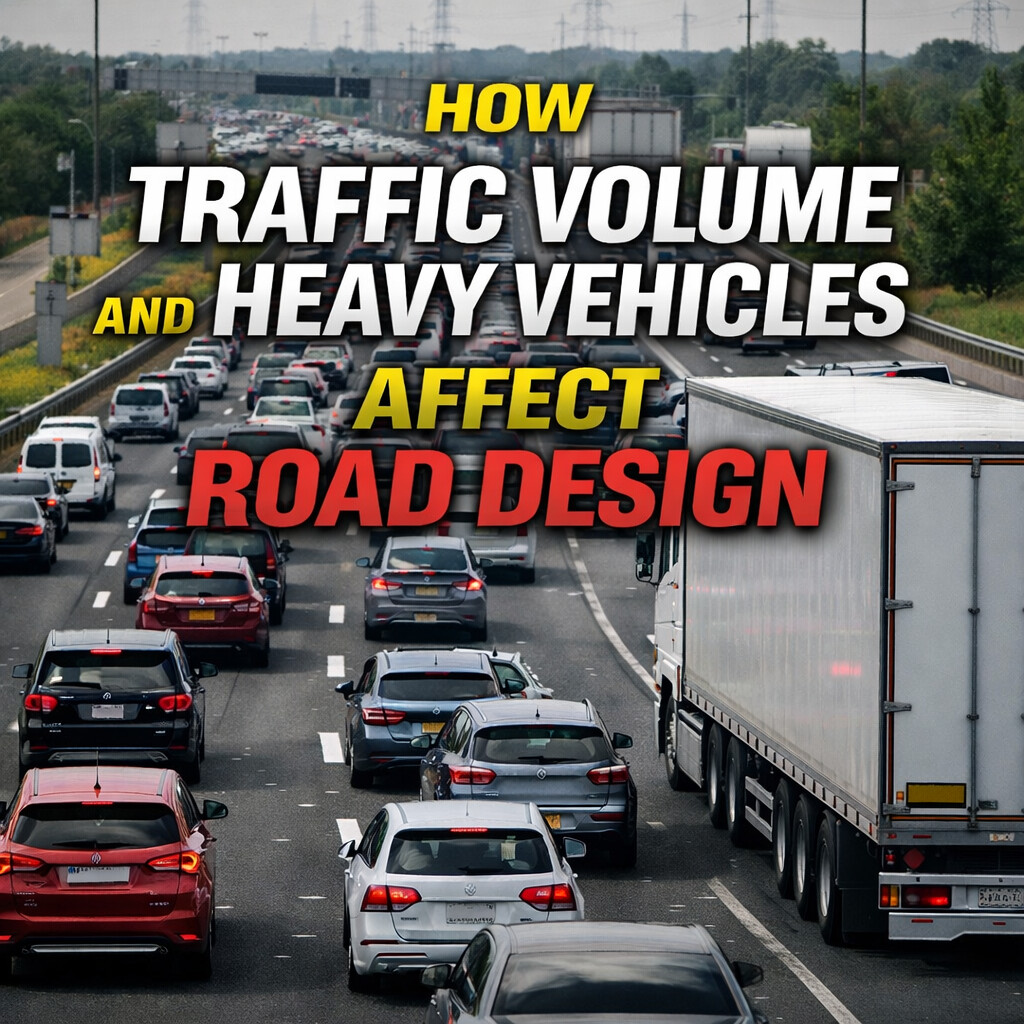
Roads are not designed as one-size-fits-all structures. One of the most critical factors influencing road design is traffic volume, particularly the presence of heavy vehicles such as trucks, buses, and construction equipment. These vehicles place significantly higher stresses on road surfaces than passenger cars, directly affecting how roads are planned, built, and maintained. Understanding this relationship is essential for developing safer, longer-lasting road infrastructure, especially in freight-heavy and urban growth areas.
Understanding traffic volume in road planning
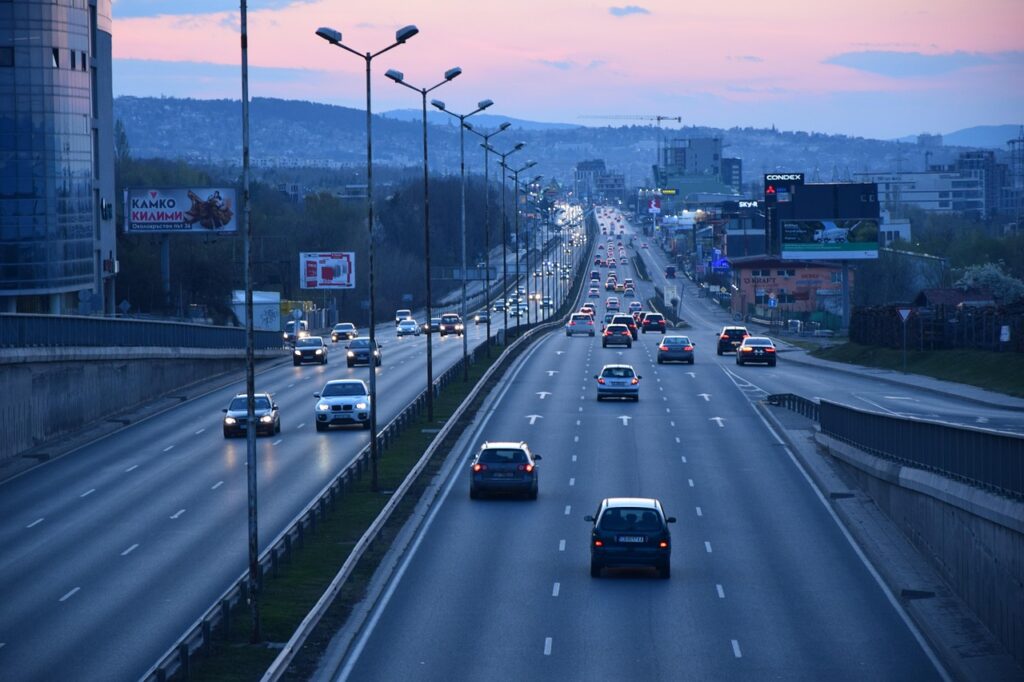
Traffic volume refers to the number of vehicles using a road over a given period, often measured as Average Annual Daily Traffic (AADT). Engineers use this data to determine lane numbers, road width, intersection layouts, and safety features. Higher traffic volumes require wider roads, stronger pavements, and more robust drainage systems to handle continuous use.
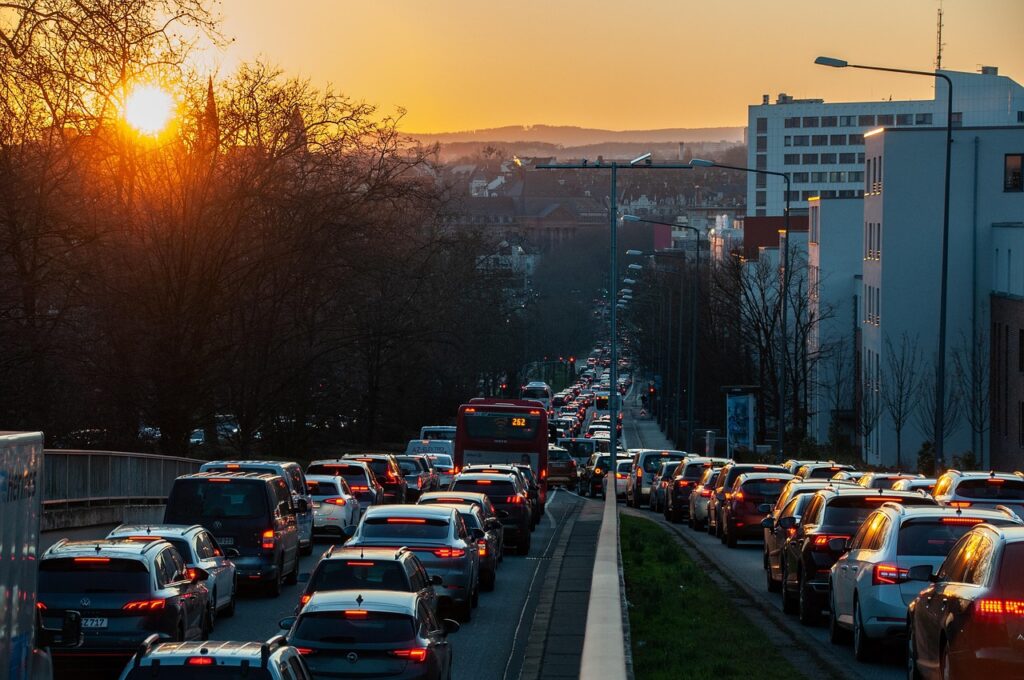
As traffic volumes increase, the margin for design error shrinks. Congested roads experience more frequent braking, acceleration, and lane changes, all of which increase surface wear. Poorly designed roads in high-volume areas quickly show signs of distress, leading to higher maintenance costs and safety risks.
The disproportionate impact of heavy vehicles
While heavy vehicles make up a smaller percentage of total traffic, they cause a vastly greater share of pavement damage. A single fully loaded truck can exert the same road wear as thousands of passenger cars. This is due to axle loads, tyre pressure, and repeated stress concentrations on the pavement structure.
Roads carrying regular freight traffic must be designed with thicker pavement layers, stronger base materials, and higher-quality asphalt or concrete. Failure to account for heavy vehicle traffic often results in rutting, cracking, and premature pothole formation, particularly in slow-moving or stop-start zones such as intersections and climbing lanes.
Pavement structure and material choices
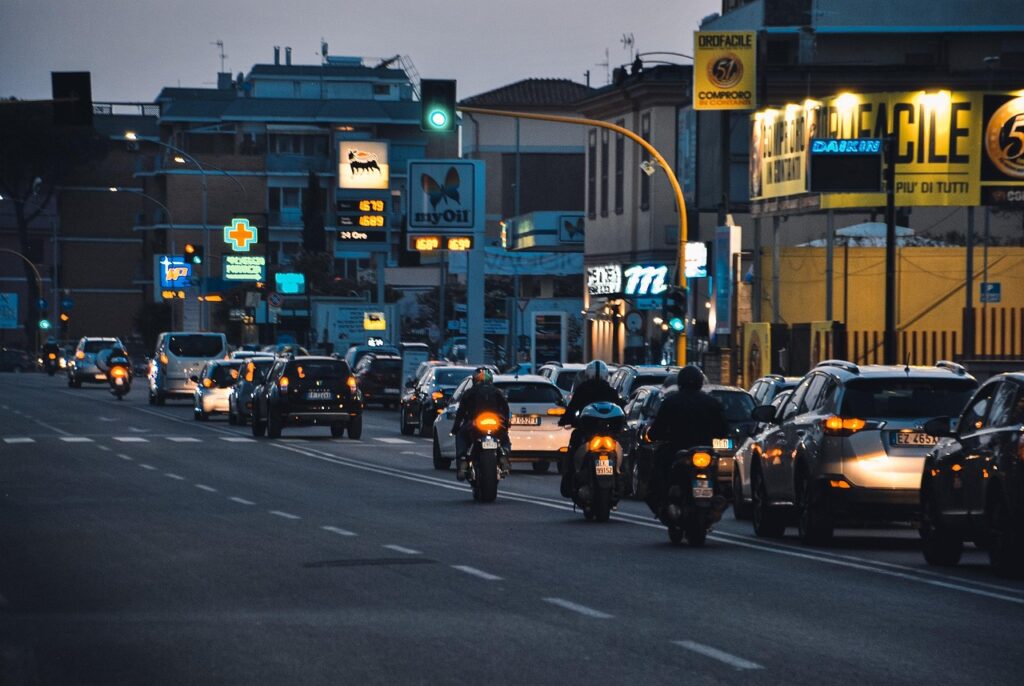
Traffic composition directly influences pavement design. Roads with high heavy-vehicle usage require multi-layered pavement structures that distribute loads effectively. This typically includes reinforced subgrades, stabilised base layers, and durable surface courses designed to resist deformation.
Material selection also changes with traffic demands. Asphalt mixes may be modified for higher stiffness, while concrete pavements may be preferred for industrial routes due to their durability and lower long-term maintenance requirements. These decisions are made early in the design phase to ensure the road performs as intended throughout its design life.
Road geometry and safety considerations
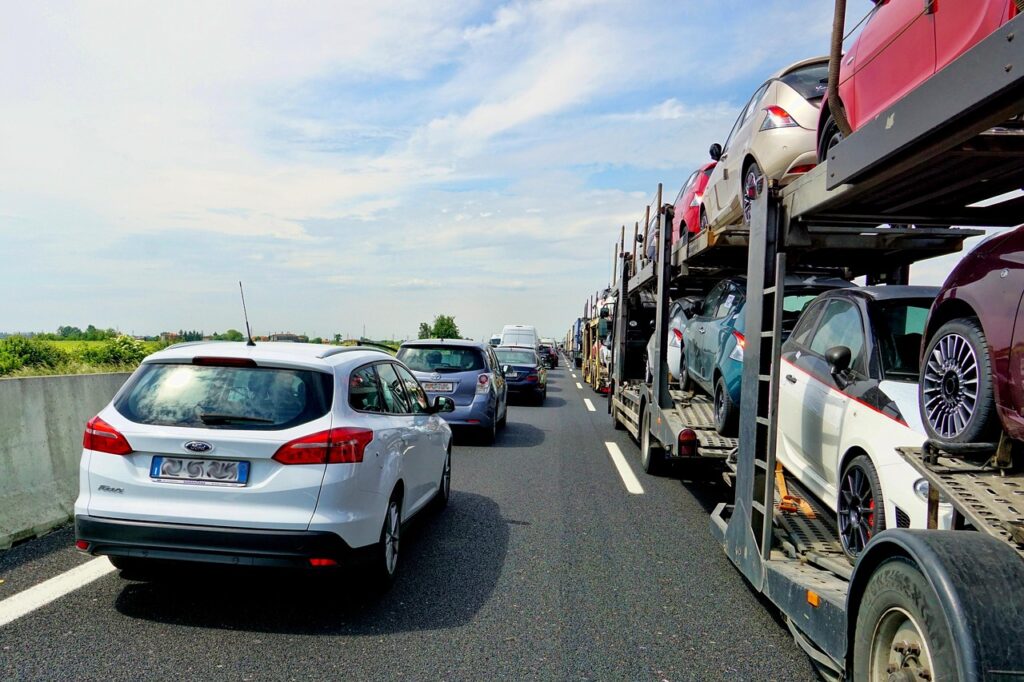
Heavy vehicles influence more than just pavement thickness. Road geometry, including lane width, curve radius, gradients, and intersection design, must accommodate larger vehicles safely. Tight curves, steep slopes, and narrow lanes increase accident risks and accelerate road deterioration when heavy vehicles are forced to manoeuvre aggressively.
Designers often include climbing lanes, wider shoulders, reinforced intersections, and extended turning radii on freight routes. These features improve safety, reduce surface stress, and help maintain smoother traffic flow for all road users.
Long-term maintenance and lifecycle costs
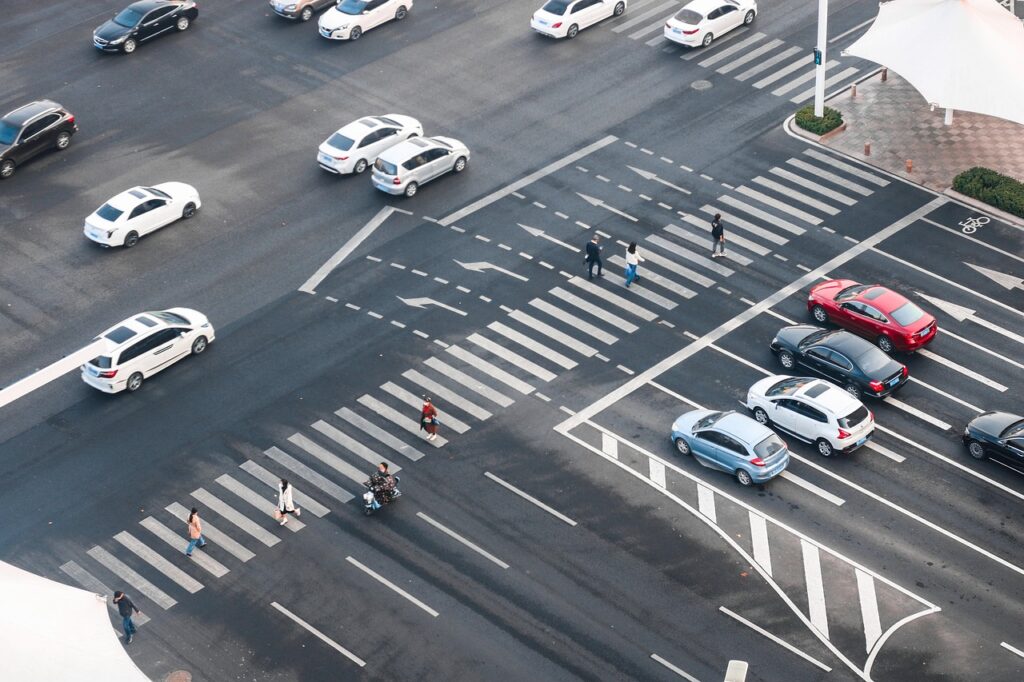
Designing roads without fully considering traffic volume and heavy vehicle impact often leads to higher lifecycle costs. While stronger designs may cost more upfront, they significantly reduce long-term maintenance, emergency repairs, and traffic disruptions.
Lifecycle-based design approaches evaluate how traffic loads will change over time, particularly in growing urban areas or regions with expanding logistics and construction activity. This ensures that roads remain functional and safe as traffic demands evolve.
Designing roads for real-world conditions
Traffic volumes and heavy vehicles are central to effective road design. Roads that accurately reflect current and future traffic demands perform better, last longer, and offer improved safety for all users. As freight movement and urban development continue to grow, incorporating realistic traffic modelling into road design is no longer optional but essential.
By designing roads around how they are actually used, infrastructure planners can reduce failures, control costs, and build transport networks that support economic growth and community safety well into the future.