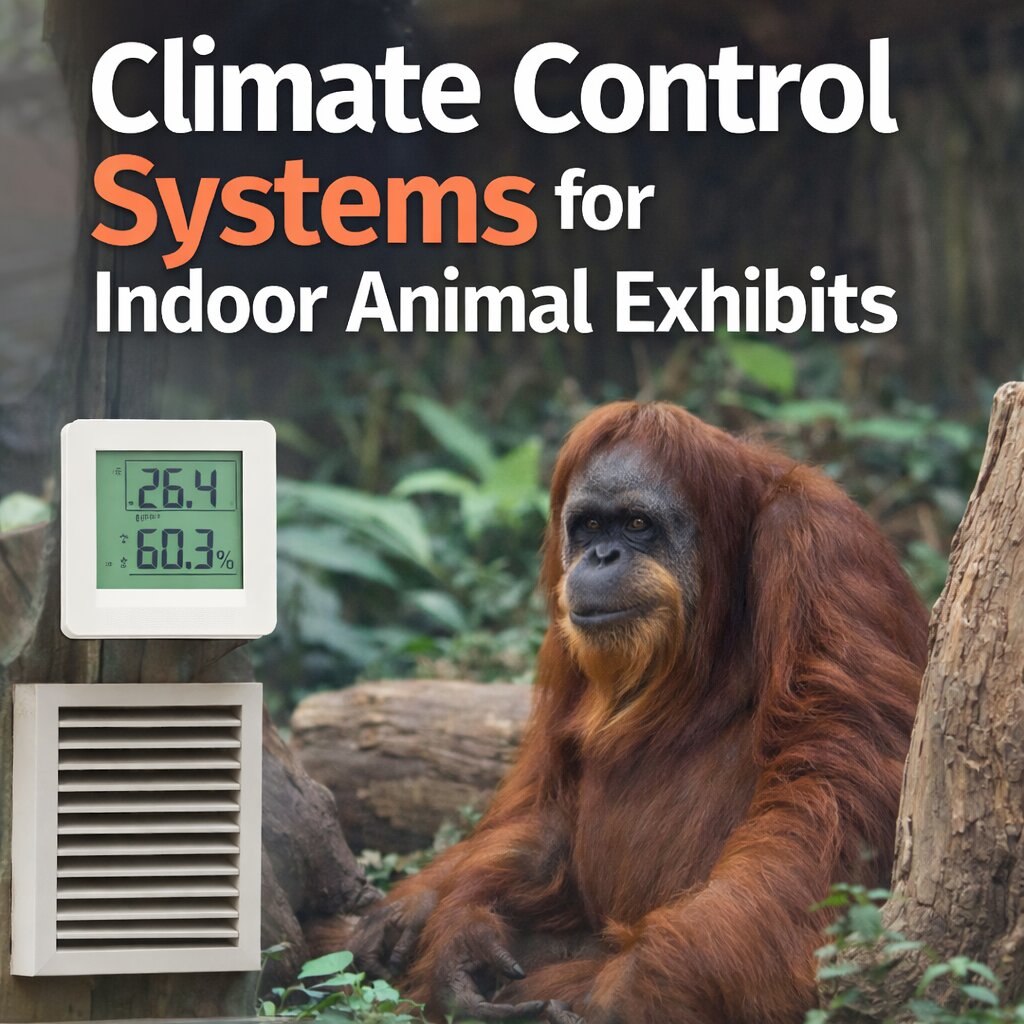
Climate control systems for indoor animal exhibits play a critical role in maintaining the health, comfort, and natural behaviour of animals in modern zoos. Unlike outdoor habitats, indoor enclosures rely entirely on engineered systems to replicate the environmental conditions species would experience in the wild.
From tropical rainforests to arid deserts, each exhibit requires precise control over temperature, humidity, airflow, and lighting. Without these systems, animals can experience stress, illness, or behavioural changes that negatively impact their wellbeing.
In facilities across South Africa and globally, zoo infrastructure has evolved to prioritise animal welfare through advanced environmental control technologies. These systems ensure that even the most sensitive species can thrive in controlled indoor spaces.
For zoo operators, this also means balancing animal needs with energy efficiency, operational costs, and sustainability goals. A well-designed climate control system achieves all of these simultaneously.
Key Components of Climate Control Systems
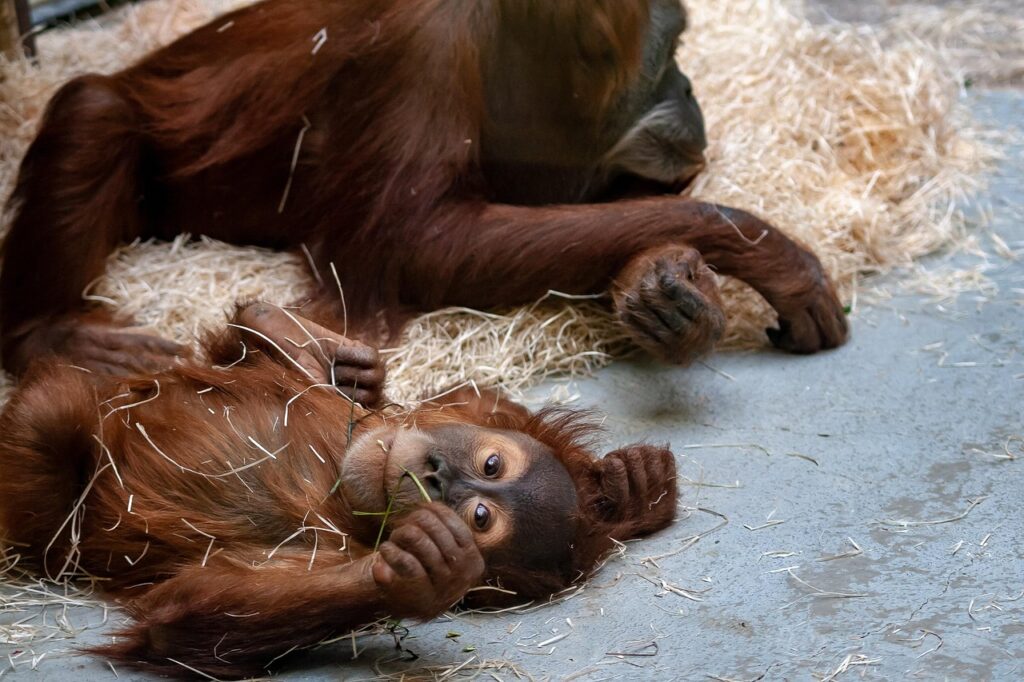
Modern climate control systems for indoor animal exhibits are made up of several integrated components that work together to create a stable environment. Each element must be carefully designed and monitored to ensure optimal performance.
Temperature control is typically achieved through HVAC systems tailored to the specific needs of the species. For example, reptiles may require consistent heat levels, while polar species need cooler conditions with minimal fluctuation.
Humidity control is equally important, particularly for tropical species that depend on high moisture levels. Advanced humidification and dehumidification systems help maintain these conditions without causing condensation or mould growth.
Ventilation systems ensure proper air exchange, removing harmful gases, controlling odours, and maintaining oxygen levels. Air quality is especially important in enclosed environments where waste and moisture can accumulate quickly.
Lighting systems, while often considered separately, are closely tied to climate control. They influence temperature and replicate natural day-night cycles, which are essential for regulating animal behaviour and biological rhythms.
Essential Features for Effective Systems
When designing climate control systems for indoor animal exhibits, several features are essential to ensure both functionality and long-term reliability:
- Precise temperature and humidity control tailored to species requirements
- Zoned systems to accommodate multiple habitats within one facility
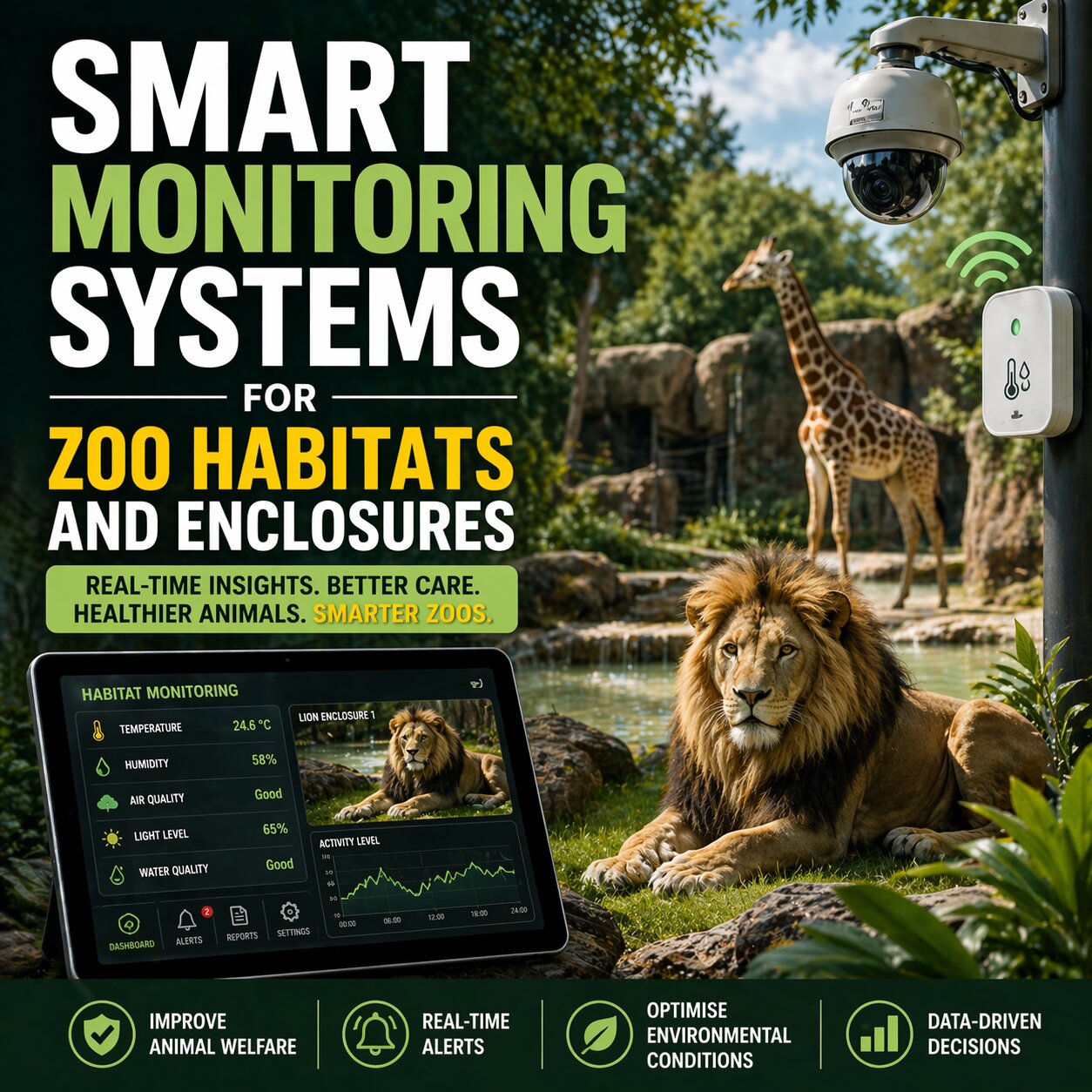
- Automated monitoring and real-time adjustments
- Energy-efficient equipment to reduce operational costs
- Backup systems to prevent failure during power outages
- Integration with building management systems for central control
These features allow zoo operators to maintain consistent conditions while responding quickly to any changes. Automation, in particular, has become a game-changer, enabling continuous optimisation without constant manual intervention.
In South African contexts, where energy reliability can be a concern, backup systems such as generators or battery storage are especially important to protect sensitive exhibits.
Designing for Different Animal Needs
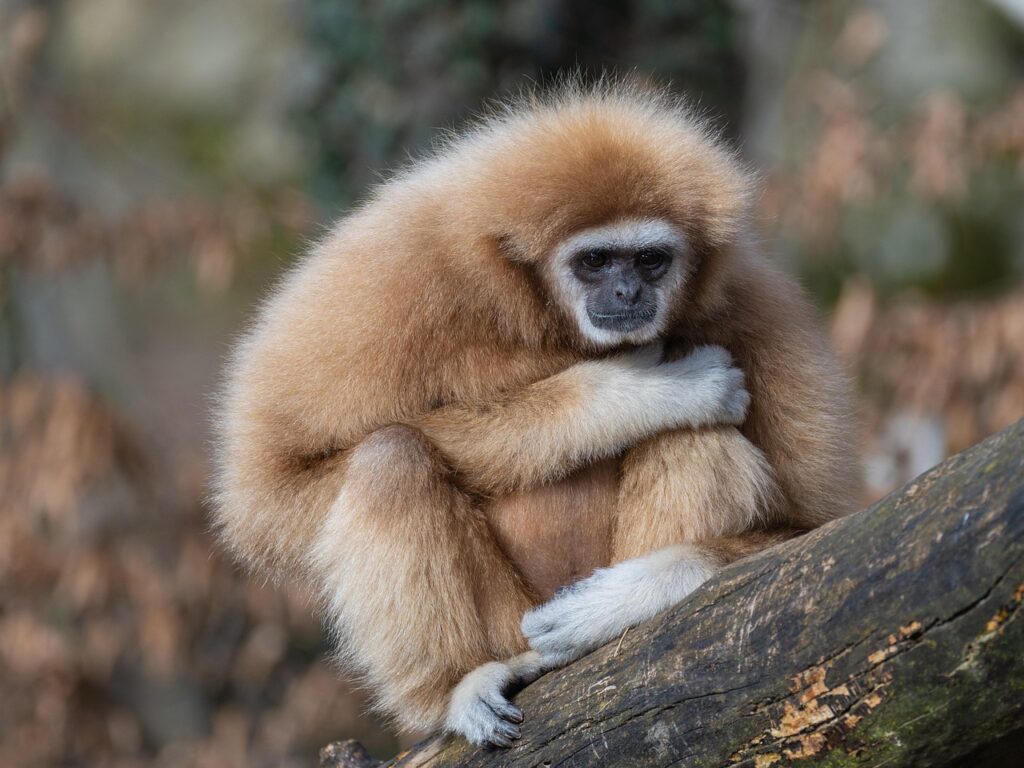
Each species has unique environmental requirements, making customisation a key aspect of climate control systems for indoor animal exhibits. A one-size-fits-all approach simply does not work in zoo environments.
For example, amphibians require high humidity and stable temperatures, while desert reptiles need dry conditions with significant temperature variation between day and night. Birds may require specific airflow patterns to mimic natural wind conditions.
Large mammals housed indoors, such as primates, benefit from systems that maintain comfortable temperatures while also supporting natural behaviours like climbing and social interaction. This often involves combining climate control with habitat design elements.
Designers must also consider behavioural enrichment. Environmental variation, such as slight temperature changes or seasonal lighting shifts, can help simulate natural conditions and improve animal welfare.
Collaboration between engineers, veterinarians, and zoologists is essential during the design phase. This ensures that systems are not only technically sound but also aligned with the biological needs of the animals.
Sustainability and Energy Efficiency in Zoo Facilities
Sustainability is becoming increasingly important in the design of climate control systems for indoor animal exhibits. Zoos are under pressure to reduce their environmental impact while maintaining high standards of animal care.
Energy-efficient HVAC systems, smart controls, and renewable energy integration are all contributing to more sustainable operations. Solar panels, for example, can help offset the energy demands of temperature and humidity control systems.
Heat recovery systems are another valuable addition, capturing and reusing energy that would otherwise be lost. This is particularly useful in large facilities with multiple indoor exhibits.
Water management is also linked to climate control, especially in humid environments. Efficient systems reduce water waste while maintaining the required conditions for animals.
In regions like Cape Town, where water and energy resources must be carefully managed, these sustainable approaches are not just beneficial but necessary.
Supporting Animal Health Through Smart Infrastructure
Climate control systems for indoor animal exhibits are more than just technical installations. They are a vital part of the infrastructure that supports animal health, behaviour, and overall well-being.
By maintaining stable and species-appropriate environments, these systems help reduce stress, prevent disease, and encourage natural behaviours. This leads to healthier animals and more engaging experiences for visitors.
As technology continues to advance, we can expect even smarter systems that use data and AI to optimise conditions in real time. These innovations will further enhance the ability of zoos to provide world-class care for their animals.
Ultimately, investing in advanced climate control is an investment in the future of zoological facilities, ensuring they remain ethical, sustainable, and effective in their mission to protect and showcase wildlife.