Eco-tourism has become one of the most important pillars of sustainable travel, allowing visitors to experience natural environments while preserving them for future generations. In South Africa, few destinations illustrate this balance better than Table Mountain, one of the most iconic natural landmarks in the world.
Facilities planning plays a critical role in ensuring that eco-tourism destinations like Table Mountain remain accessible without compromising the fragile ecosystems that make them so special. Careful infrastructure design, visitor management strategies, and environmental monitoring help maintain the delicate balance between tourism and conservation.
As visitor numbers continue to grow, sustainable facilities planning has become essential to protecting the mountain’s biodiversity, landscapes, and cultural significance while still allowing tourists to enjoy one of Cape Town’s greatest attractions.
Why facilities planning matters for eco-tourism
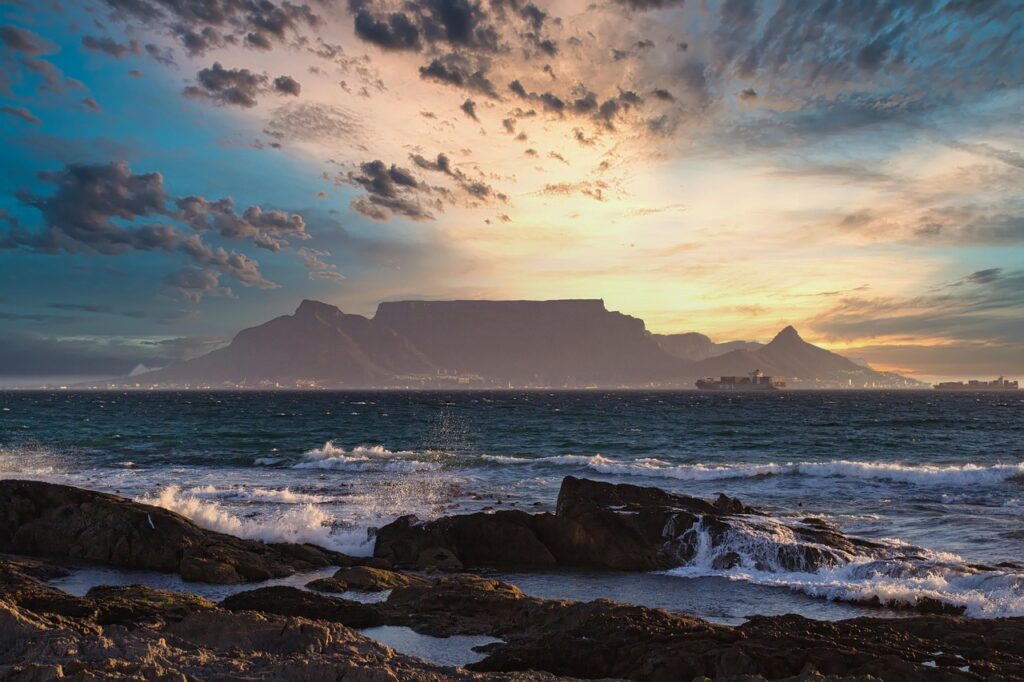
Facilities planning is the process of designing and managing infrastructure in ways that support human activity while protecting natural environments. In eco-tourism destinations, this includes everything from footpaths and visitor centres to water systems and waste management.
On Table Mountain, facilities planning must carefully consider how infrastructure interacts with the surrounding ecosystem. The mountain is part of the Cape Floristic Region, one of the most biodiverse areas on the planet, home to thousands of plant species found nowhere else.
Without proper planning, heavy tourist traffic could easily damage sensitive vegetation, disrupt wildlife habitats, and increase erosion along hiking routes. Well-designed facilities help minimise these risks while still providing safe and enjoyable access to visitors.
This approach allows tourism to support conservation rather than threaten it, ensuring that the mountain continues to thrive as both a natural wonder and a global tourism destination.
Sustainable infrastructure that protects the environment
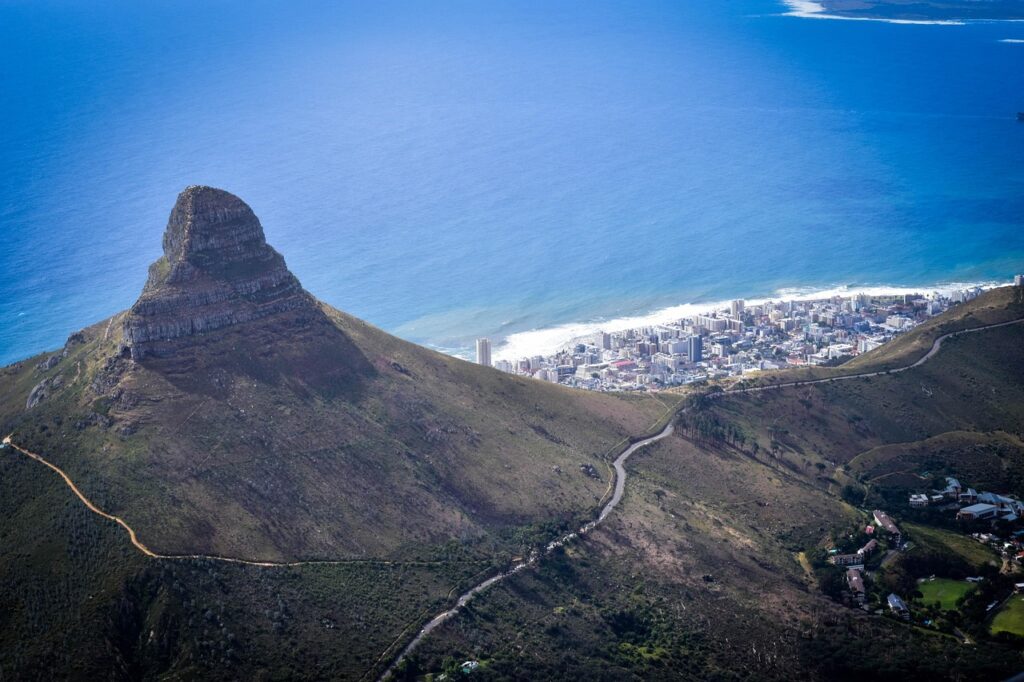
One of the key goals of eco-tourism facilities planning is to reduce environmental impact while still supporting tourism activities. This means carefully selecting materials, designing structures that blend with the landscape, and limiting unnecessary development.
On Table Mountain, pathways and viewing areas are often designed to guide visitor movement and prevent damage to surrounding vegetation. Elevated walkways, reinforced paths, and designated viewing platforms help control foot traffic and reduce soil erosion.
Facilities must also account for environmental factors such as rainfall, strong winds, and wildfire risks. Durable materials and climate-conscious design ensure that infrastructure remains functional without causing long-term environmental damage.
In addition, careful planning ensures that facilities support conservation activities, allowing park management teams to monitor ecosystems and protect vulnerable species.
Key elements of eco-tourism facilities planning on Table Mountain
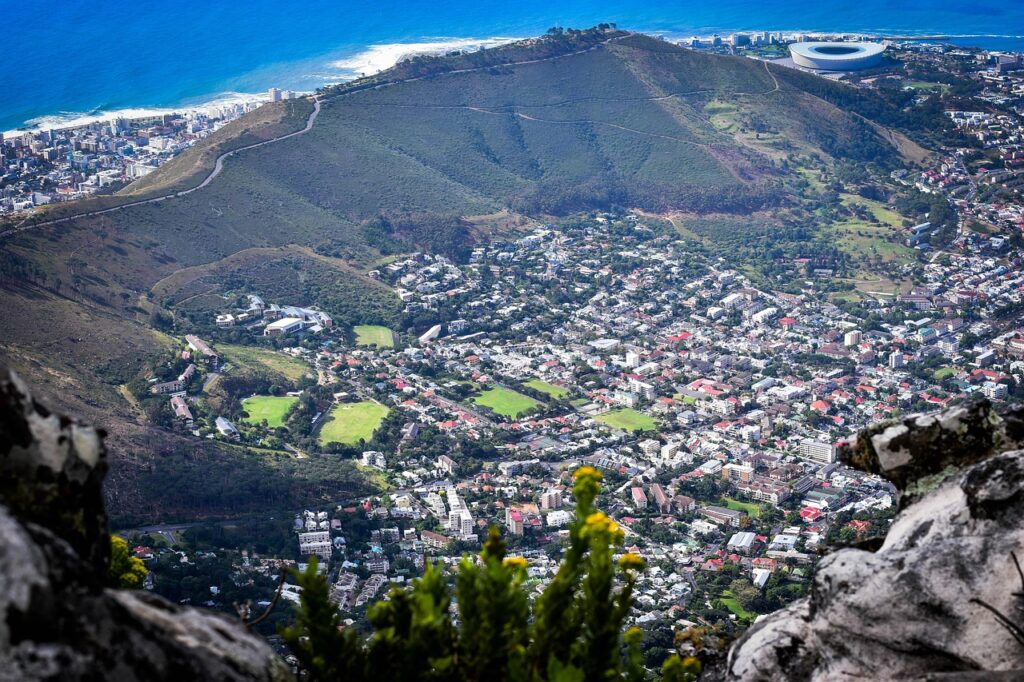
Successful eco-tourism infrastructure relies on several interconnected planning elements that help balance tourism access with environmental protection.
Important planning components include:
- Sustainable trail systems that prevent erosion and protect sensitive vegetation
- Visitor centres and educational signage that promote environmental awareness
- Waste management systems designed to minimise pollution and litter
- Water conservation strategies suited to Cape Town’s drought-prone climate
- Controlled access points that help manage visitor flow and protect habitats
These systems work together to ensure that tourism activities remain sustainable while maintaining the mountain’s ecological integrity.
By guiding how visitors move through the environment, facilities planning plays a vital role in reducing environmental pressure on fragile ecosystems.
Supporting conservation and tourism together
The success of eco-tourism depends on the ability to create experiences that educate visitors while protecting the environment. Facilities planning is one of the most important tools available to achieve this balance.
On Table Mountain, infrastructure must not only support tourism but also contribute to conservation efforts. Research programmes, monitoring stations, and conservation initiatives rely on well-designed facilities to function effectively.
When implemented correctly, facilities planning allows eco-tourism to become a force for environmental protection. Visitors gain a deeper appreciation for nature while funding generated through tourism helps support conservation work.
This balance ensures that Table Mountain continues to inspire travellers from around the world while remaining a protected natural treasure for generations to come.